Personalized Korean Medicine & Weight Management in Gangnam, Seoul · International Patient Concierge
Medical Guide
Postpartum Swelling? How Korean Medicine Can Help You Heal Faster
Discover how Korean medicine reduces postpartum swelling and speeds up recovery naturally. Learn proven remedies for faster healing after childbirth.
Schedule a ConsultationIntroduction
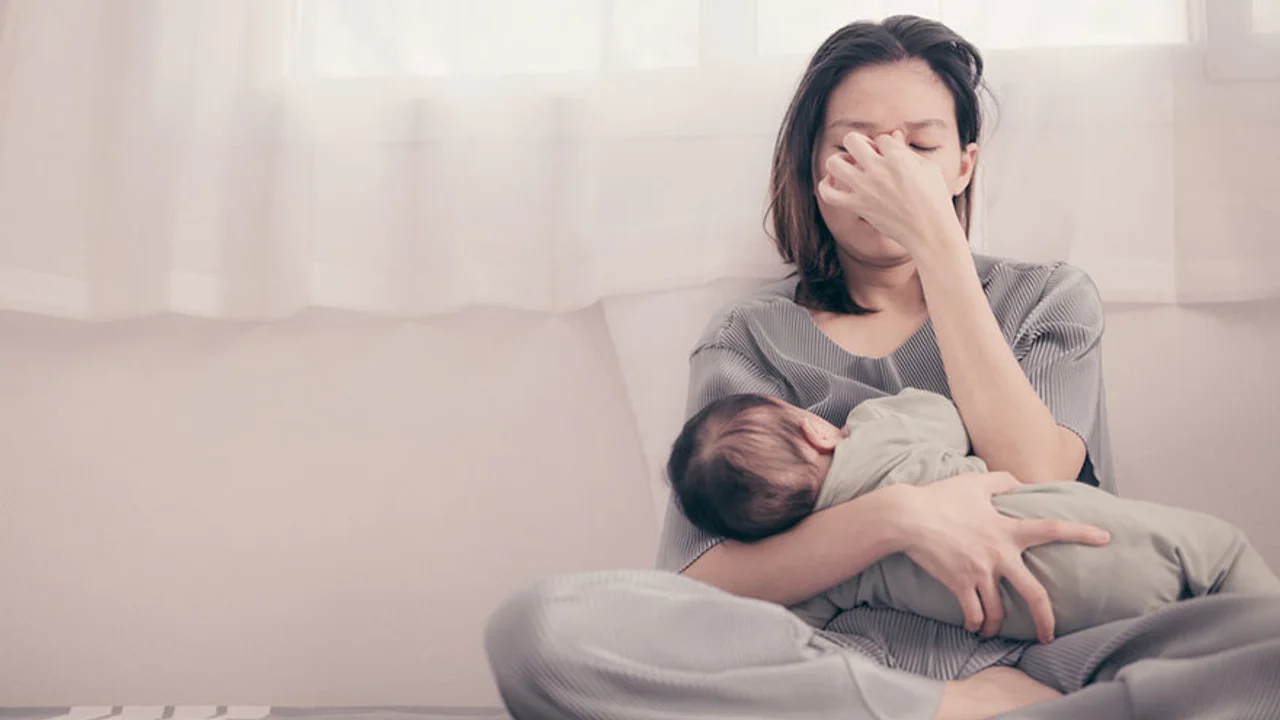
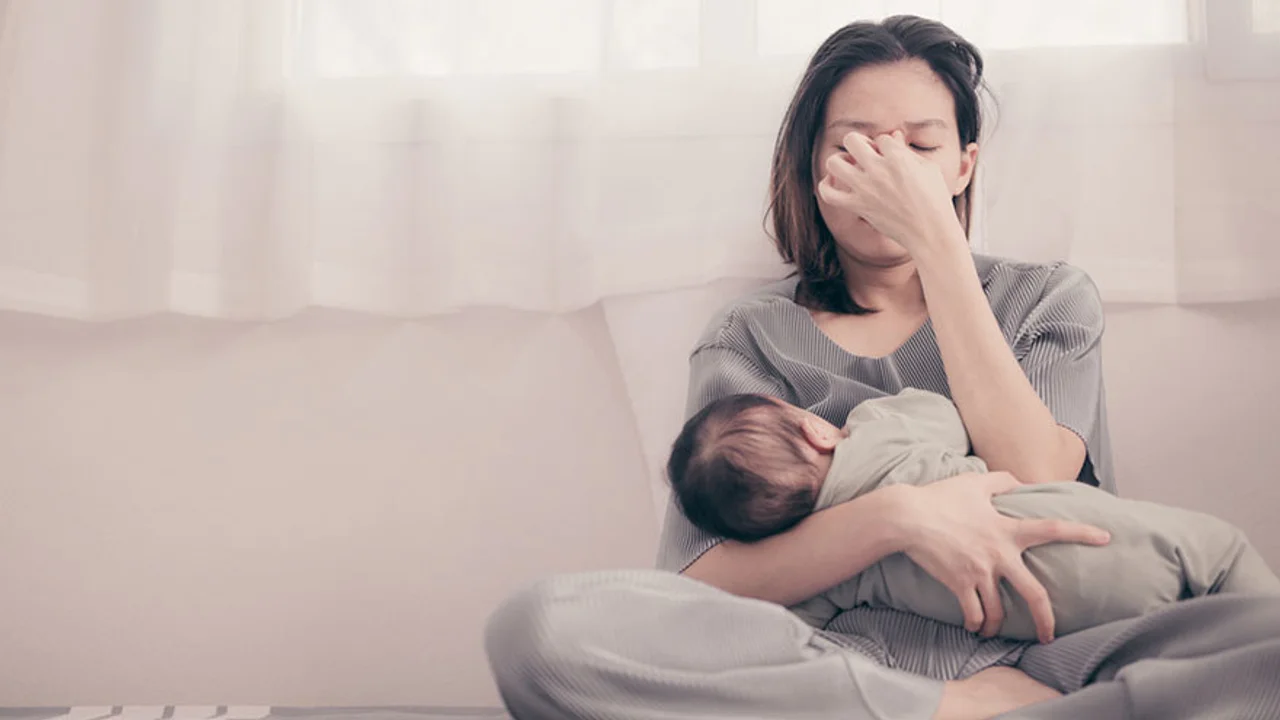
If you’ve recently given birth and your ankles, legs, or even hands feel puffy and tight, you’re not alone. Postpartum swelling — what we call bojeong (부종) in Korean — is surprisingly common, yet rarely talked about in depth. Many mothers accept it as an unavoidable nuisance, but the truth is, you don’t have to just wait it out.
At Arine Korean Medicine Clinic in Gangnam, we meet new mothers every week who are worried about lingering swelling that won’t budge. Some feel frustrated when conventional advice — “just rest more” or “drink more water” — doesn’t bring real relief. What people often overlook is that postpartum swelling is not just excess fluid sitting idle; it’s the body’s way of recalibrating after months of dramatic change.
Let’s break down what really causes it, why it sometimes sticks around longer than expected, and how Korean medicine can help you heal faster — naturally, gently, and safely.
Why Does Postpartum Swelling Happen?
During pregnancy, your body produces about 50% more blood and bodily fluids to support the baby. After delivery, that extra fluid needs somewhere to go. Hormonal shifts, weakened circulation, and changes in kidney function all contribute to lingering swelling, especially in the first few weeks after birth.
Some mothers notice swelling gets worse around the third or fourth day postpartum — that’s often when fluids retained during pregnancy start to redistribute. Combine that with reduced movement due to recovery or breastfeeding, and it’s easy to see why swelling can become stubborn.
But here’s something we don’t say enough: every body is different. For some, the swelling clears up in days. For others, it lingers for weeks — or even months — causing discomfort, limited mobility, and emotional stress.
The Korean Medicine Perspective: Balance and Flow

In Korean medicine, we see postpartum swelling as a sign that the body’s balance — gi (기, energy) and su (수, fluids) — needs gentle regulation. It’s not just about draining water out of your body. It’s about restoring healthy circulation and strengthening your body’s ability to process and remove waste fluids on its own.
One analogy we often share with patients is this: think of your body as a garden after heavy rain. If the soil is healthy and the channels are clear, the excess water drains naturally. If the soil is compacted and the channels are blocked, the garden stays soggy — and the roots can suffer. Postpartum swelling is similar. We aim to help the "soil" and "channels" work smoothly again.
How Herbal Therapy Supports Recovery
One of the most trusted tools we use at Arine is personalized herbal medicine. Carefully prescribed herbal decoctions can help:
Stimulate circulation and lymphatic flow
Strengthen weakened digestive function (which is linked to fluid metabolism in Korean medicine)
Gently encourage diuresis (natural fluid release)
Reduce inflammation that may contribute to swelling
Unlike generic teas or over-the-counter pills, these herbal formulas are tailored to your body’s unique postpartum state. Some mothers need warming herbs to boost circulation, while others need cooling herbs to ease inflammation. It’s never one-size-fits-all — and that’s the power of Korean medicine.
Acupuncture and Gentle Therapies
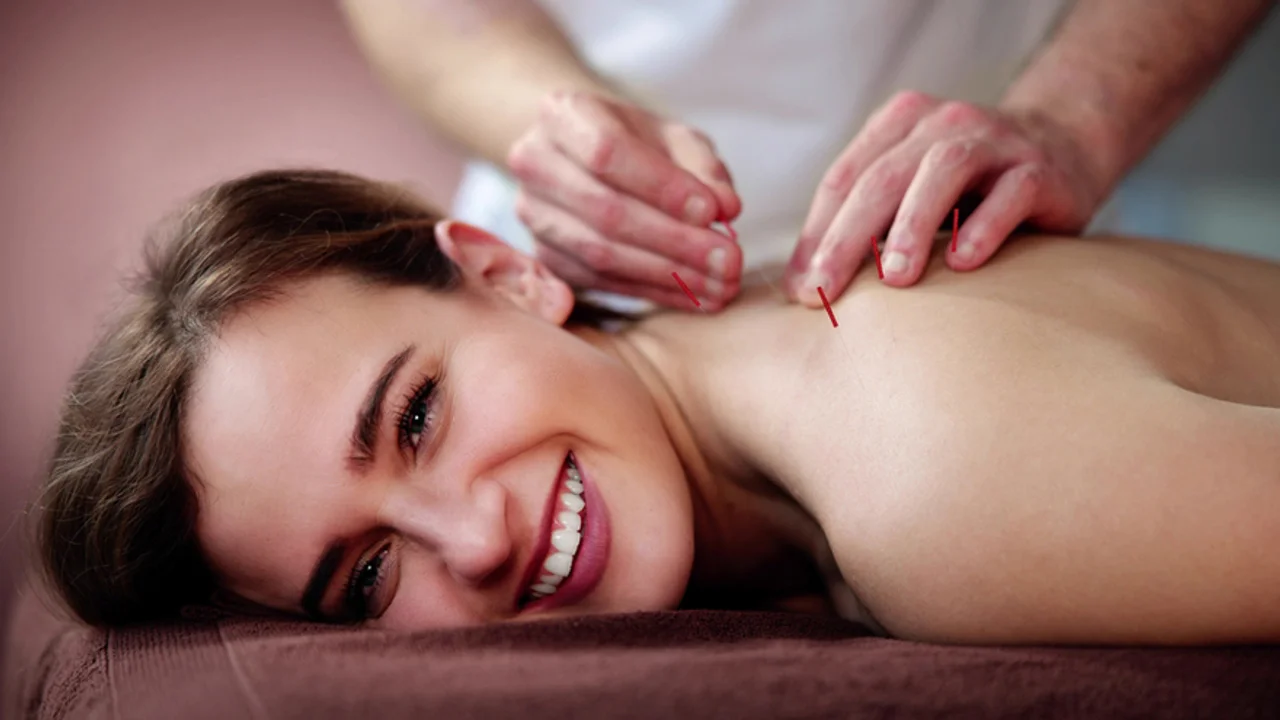
Beyond herbs, acupuncture is a safe, effective way to address swelling. Specific points on the legs, abdomen, and ankles can help unblock stagnation and promote smooth fluid flow. Many mothers are surprised at how light yet powerful these treatments feel — some even say they leave the clinic with noticeably lighter legs.
We also often combine acupuncture with moxibustion (a gentle heat therapy using mugwort) or low-level cupping to further stimulate circulation. These treatments not only help the swelling itself but can also support uterine recovery and overall postpartum healing.
Lifestyle Guidance: Small Shifts, Big Impact
Of course, treatment doesn’t end at the clinic door. We guide our patients through practical daily habits to help swelling subside naturally:
Gentle leg elevation while resting or feeding the baby
Warm foot baths to encourage circulation
Light postpartum exercises, approved by your doctor, to get the blood and lymph moving
A balanced, warm diet that avoids excessive cold or raw foods (which, in Korean medicine, can hinder digestion and fluid metabolism)
It sounds simple, but when combined with targeted treatments, these habits can make a noticeable difference.
The Emotional Side: You’re Not Just "Swollen"
If you’re feeling self-conscious or frustrated about lingering swelling, know this: it’s more than just a cosmetic issue. Persistent swelling can weigh on your mood, sleep, and confidence during a time when you’re already adjusting to a new life. At Arine, we see our role not just as practitioners but as partners in your recovery — listening, explaining, and guiding you each step of the way.
To be honest, many mothers come in for the swelling but stay because they feel truly understood — and because they see how Korean medicine supports their whole body and mind, not just a single symptom.
When Should You Seek Extra Support?
Mild swelling in the first few weeks is normal. But if swelling is severe, painful, or accompanied by sudden shortness of breath or chest pain, seek immediate medical attention — these can be signs of serious conditions like deep vein thrombosis (DVT) or postpartum preeclampsia.
For lingering mild-to-moderate swelling that just won’t budge, it may be time to try a more holistic approach. That’s where Korean medicine can shine: gentle, customized, and rooted in centuries of postpartum care wisdom.
A Gentle Next Step
If you’re in Seoul — or planning to visit — and you’re struggling with postpartum swelling, we’d be glad to help you recover more comfortably. At Arine Korean Medicine Clinic, we combine modern diagnostics with traditional herbal therapy, acupuncture, and caring, personalized support to help you feel like yourself again.
If you’re wondering whether your swelling is "normal" or whether herbal treatments could help, don’t hesitate to reach out. Sometimes, the first step toward feeling lighter is simply asking for guidance.
Conclusion
Postpartum swelling can be uncomfortable, but it doesn’t have to overshadow this precious time of recovery and bonding. By addressing the root causes through Korean medicine — herbal therapies, acupuncture, and mindful daily habits — you can help your body find its natural balance again. If you’re ready to feel lighter, healthier, and more supported, our team at Arine Korean Medicine Clinic is here for you. Your healing journey deserves gentle, expert care — and you don’t have to walk it alone.
More Articles
Continue reading clinical guides from Arine Korean Medicine Clinic.
Postpartum Swelling? How Korean Medicine Can Help You Heal Faster
Discover how Korean medicine reduces postpartum swelling and speeds up recovery naturally. Learn proven remedies for faster healing after childbirth.
Learn More
How Keep Sticks Help You Stick to Your Weight Loss Goals
Discover how Korean medicine reduces postpartum swelling, speeds healing, and restores balance naturally. Learn more about holistic recovery today!
Learn More
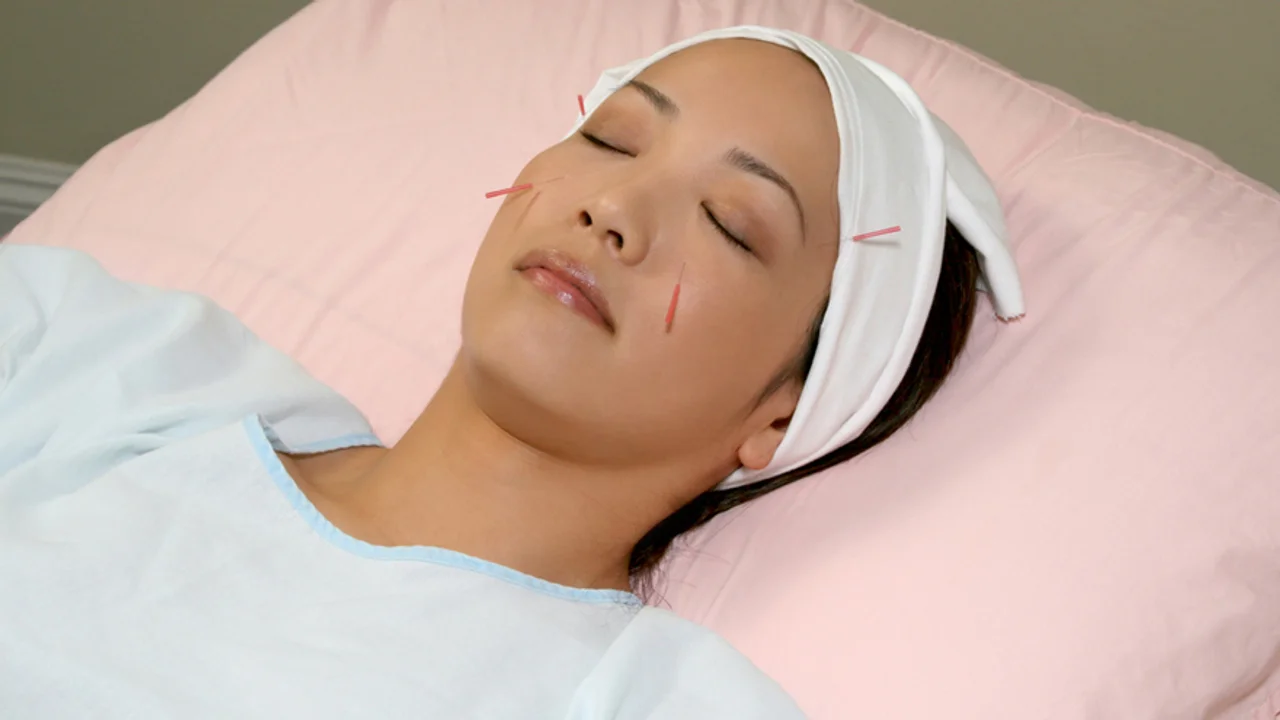
Is Acupuncture the Key to Finally Beating Persistent Pain?
Discover how acupuncture may help relieve chronic pain naturally. Explore its benefits, effectiveness, and if it's right for you. Learn more today!
Learn More