Personalized Korean Medicine & Weight Management in Gangnam, Seoul · International Patient Concierge
Medical Guide
When to Start Edema Herbal Medicine for Best Results
Learn the best time to start edema herbal medicine for optimal relief and faster results. Reduce swelling naturally—consult with an expert today!
Schedule a ConsultationIntroduction
If your legs feel heavy at the end of the day, or your shoes start to feel tighter as the evening comes, you might already be familiar with edema — the uncomfortable swelling caused by fluid retention. Many people brush it off as a simple cosmetic concern, but in Korean medicine, edema is seen as a signal — your body’s way of saying, “Something inside is out of balance.”
At Arine Korean Medicine Clinic in Gangnam, we often meet patients who come in saying, “It’s just swelling; I’ll deal with it later.” Yet when we examine them, we find that early attention could have prevented months of discomfort, or even deeper metabolic imbalance. So, when is the right time to start herbal medicine for edema? The answer depends not only on when the swelling appears, but also on why your body is holding onto fluid in the first place.
Understanding Edema from a Korean Medicine Perspective
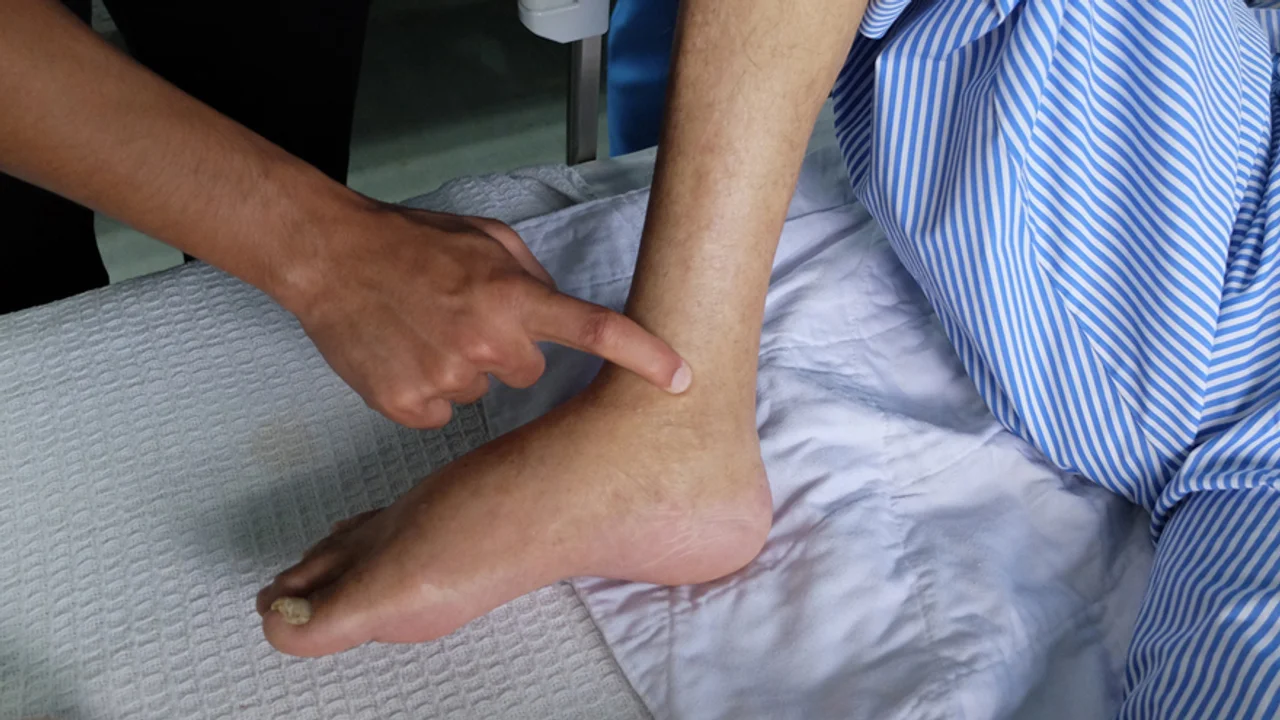
In Korean medicine, edema (부종, bujong) isn’t treated as an isolated symptom. Instead, it’s seen as the result of disrupted Qi and water circulation — when the body’s natural pathways for moisture become blocked or weakened.
There are several common underlying patterns we see:
Spleen Qi deficiency, where the body struggles to transform and move fluids properly
Kidney Yang deficiency, when the body’s warming energy is too weak to vaporize and circulate water
Dampness accumulation, often triggered by stress, poor diet, or hormonal shifts
Each of these patterns requires a different herbal approach. That’s why “one-size-fits-all” herbal teas or detox blends rarely work — they may temporarily drain water, but they don’t correct the reason your body swells in the first place.
The Importance of Timing: Why “When” Matters
Many patients ask us, “Should I start herbal medicine right when swelling begins, or wait to see if it resolves on its own?”
The truth is, timing shapes the treatment outcome. Let’s look at three common situations we see at our clinic:
1. Early, Intermittent Swelling — The Preventive Window
This is when swelling appears occasionally — for instance, after long hours of sitting, salty food, or during premenstrual days.
At this stage, herbal medicine can act preventively, strengthening fluid metabolism before the issue becomes chronic.
When we start treatment early, the goal isn’t just to drain excess water; it’s to support the Spleen and Kidneys, so the body can self-regulate. Herbs such as Bai Zhu (Atractylodes), Fu Ling (Poria), and Ze Xie (Alisma) are commonly used to gently move dampness without overstimulating the system.
In practice, patients often notice improvement within 2–3 weeks — lighter legs, reduced morning puffiness, and a subtle lift in overall energy. This stage is where herbal medicine works most naturally and efficiently.
2. Persistent Daily Edema — The Correction Phase
If swelling occurs daily or worsens through the day — for example, ankles that swell by evening or hands that feel tight — it’s no longer a temporary imbalance. This is the time when herbal medicine should begin as soon as possible.
At Arine, we often combine herbal prescriptions with acupuncture or cupping therapy to restore circulation. The focus here is twofold:
Improve microcirculation (to release trapped fluids)
Strengthen the body’s metabolic “engine” (to prevent recurrence)
Depending on the patient’s constitution, we may use herbs that warm and activate like Gui Zhi (Cinnamon twig) or nourish and stabilize like Shan Yao (Chinese yam).
Most patients in this stage see visible improvement within 4–6 weeks, especially when herbal therapy is paired with simple lifestyle adjustments like avoiding cold drinks or late-night meals.
3. Chronic or Postpartum Edema — The Restorative Stage
This stage often follows childbirth, surgery, or long-term stress. The body is exhausted, circulation is sluggish, and the edema has a deeper origin — rooted in Qi and blood deficiency.
In postpartum women, for example, the body’s Yang energy weakens as blood is lost during delivery, and the Kidneys temporarily lose their vitality. Herbal medicine started within the first few weeks after delivery can dramatically support recovery by warming the body and aiding water metabolism.
For this, we use tonifying and harmonizing formulas containing herbs like Dang Gui (Angelica sinensis), Huang Qi (Astragalus), and Zhu Ling (Polyporus) — carefully balanced to support healing without causing overstimulation or milk flow issues.
Waiting too long to treat postpartum or chronic edema often means the condition becomes embedded — requiring longer, more complex care to reverse.
What People Often Overlook
To be honest, what most people overlook about edema is that it’s not just a circulatory issue — it’s also metabolic. Fluid retention often signals the body’s declining ability to regulate temperature, absorb nutrients, or remove waste.
In Korean medicine, we pay attention to subtle signs:
Feeling cold easily
Persistent fatigue after meals
Dull skin tone despite good skincare
Unexplained weight fluctuations
These are all clues that your body’s inner “water system” isn’t flowing freely. Starting herbal medicine when these signs first appear often yields far better results than waiting until visible swelling sets in.
Complementary Treatments That Enhance Herbal Results
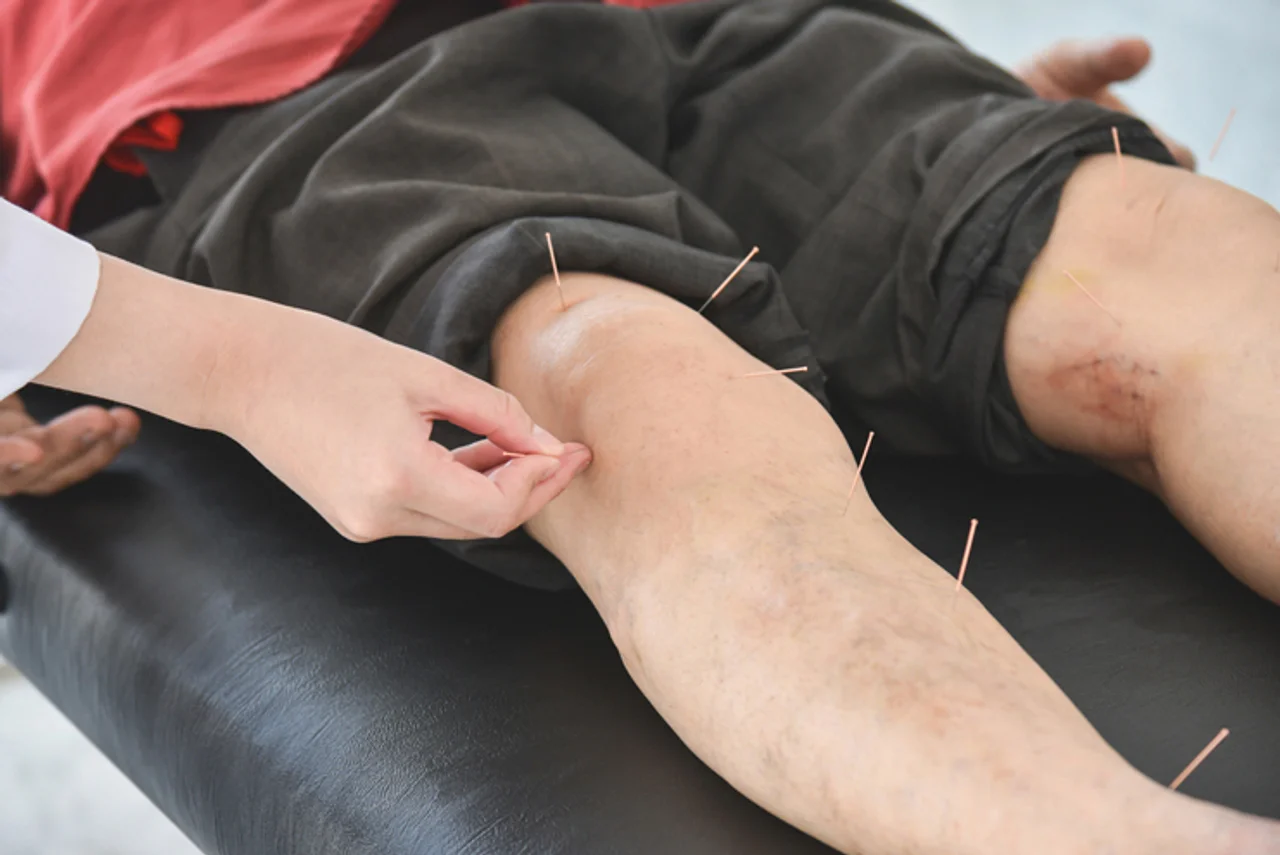
At Arine Korean Medicine Clinic, we rarely rely on herbs alone. For deeper and faster results, we combine them with:
Acupuncture: to stimulate Qi flow and open blocked meridians
Moxibustion: to warm the body and enhance metabolic heat
Lymphatic cupping: to relieve heaviness and promote detoxification
Herbal diet therapy: to prevent dampness-forming foods from undoing the treatment
When these therapies are coordinated under medical supervision, patients often describe the experience as not just “less swelling,” but a complete sense of internal lightness — as if the body is breathing again.
When You Should See a Doctor Right Away
While mild swelling is common, you should seek immediate evaluation if you experience:
Sudden, one-sided swelling (especially in the leg)
Edema accompanied by shortness of breath or chest discomfort
Rapid weight gain over a few days
Severe swelling during pregnancy
These may indicate cardiovascular, renal, or thyroid-related causes that require Western medical assessment. Herbal medicine can still play a complementary role afterward, but safety always comes first.
How Long Does Herbal Treatment Take to Work?
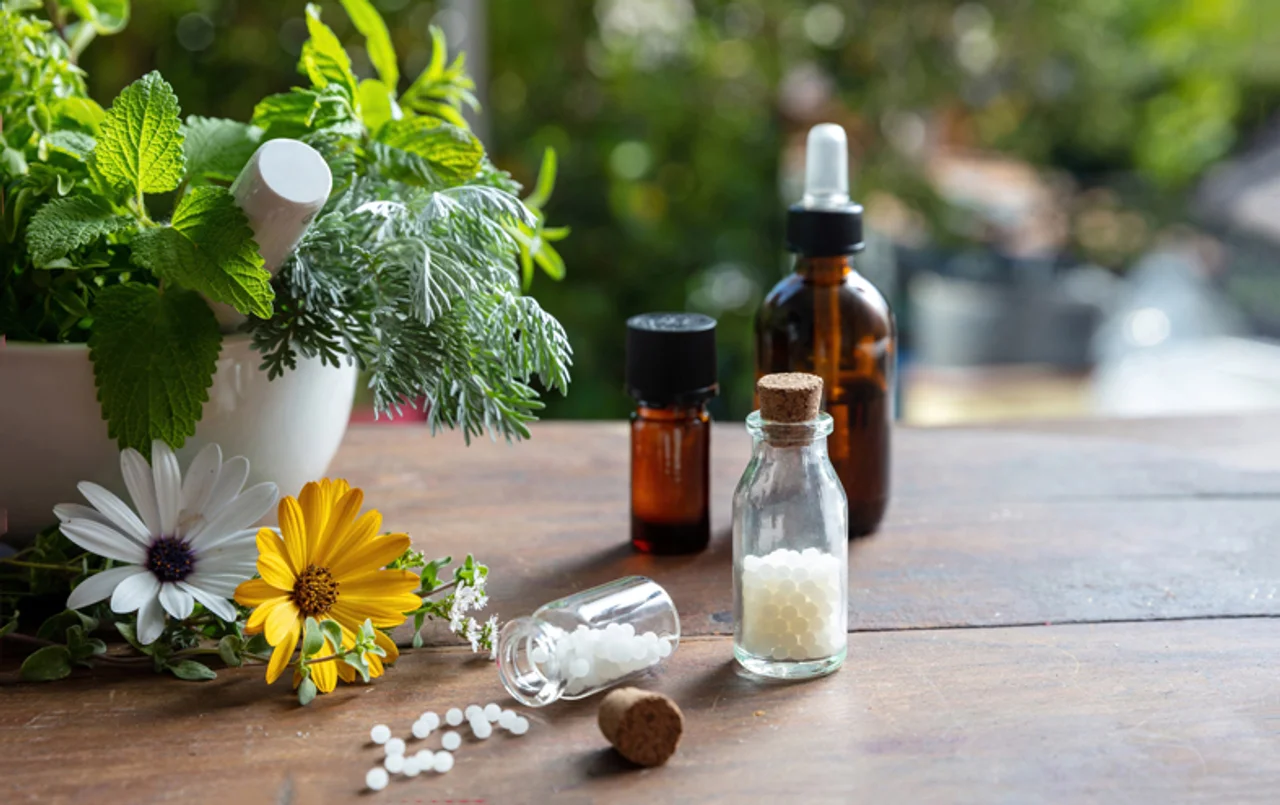
Each case is different, but here’s a general observation from our practice:
Mild or early-stage edema: noticeable change in 2–3 weeks
Moderate, persistent edema: 1–2 months of continuous herbal therapy
Chronic or postpartum edema: 2–3 months or longer, depending on constitution
The goal isn’t just to remove swelling temporarily — it’s to retrain your body’s natural balance, so you no longer depend on external drainage or medication to feel normal.
The Bottom Line
The best time to start edema herbal medicine is not when swelling becomes unbearable, but when your body first starts whispering its warning signs.
Herbal medicine works best preventively — when it can restore balance before deeper patterns of stagnation and deficiency take root. Whether it’s mild puffiness after meals or lingering postpartum swelling, starting early under professional guidance ensures both safety and lasting results.
If you’ve been struggling with swelling, heaviness, or fluid retention — especially if it’s tied to hormonal changes, postpartum recovery, or chronic fatigue — consider scheduling a consultation at Arine Korean Medicine Clinic in Gangnam. Our personalized herbal and acupuncture programs are designed to help your body regain its natural rhythm — gently, safely, and effectively.
More Articles
Continue reading clinical guides from Arine Korean Medicine Clinic.

Postpartum Swelling? How Korean Medicine Can Help You Heal Faster
Discover how Korean medicine reduces postpartum swelling and speeds up recovery naturally. Learn proven remedies for faster healing after childbirth.
Learn More
How Keep Sticks Help You Stick to Your Weight Loss Goals
Discover how Korean medicine reduces postpartum swelling, speeds healing, and restores balance naturally. Learn more about holistic recovery today!
Learn More
Is Acupuncture the Key to Finally Beating Persistent Pain?
Discover how acupuncture may help relieve chronic pain naturally. Explore its benefits, effectiveness, and if it's right for you. Learn more today!
Learn More