Personalized Korean Medicine & Weight Management in Gangnam, Seoul · International Patient Concierge

Medical Guide
When Should You Try Korean Medicine for Chronic Back Pain?
Discover when Korean medicine is right for chronic back pain relief. Explore holistic treatments that target root causes and promote healing. Learn more now!
Schedule a Consultation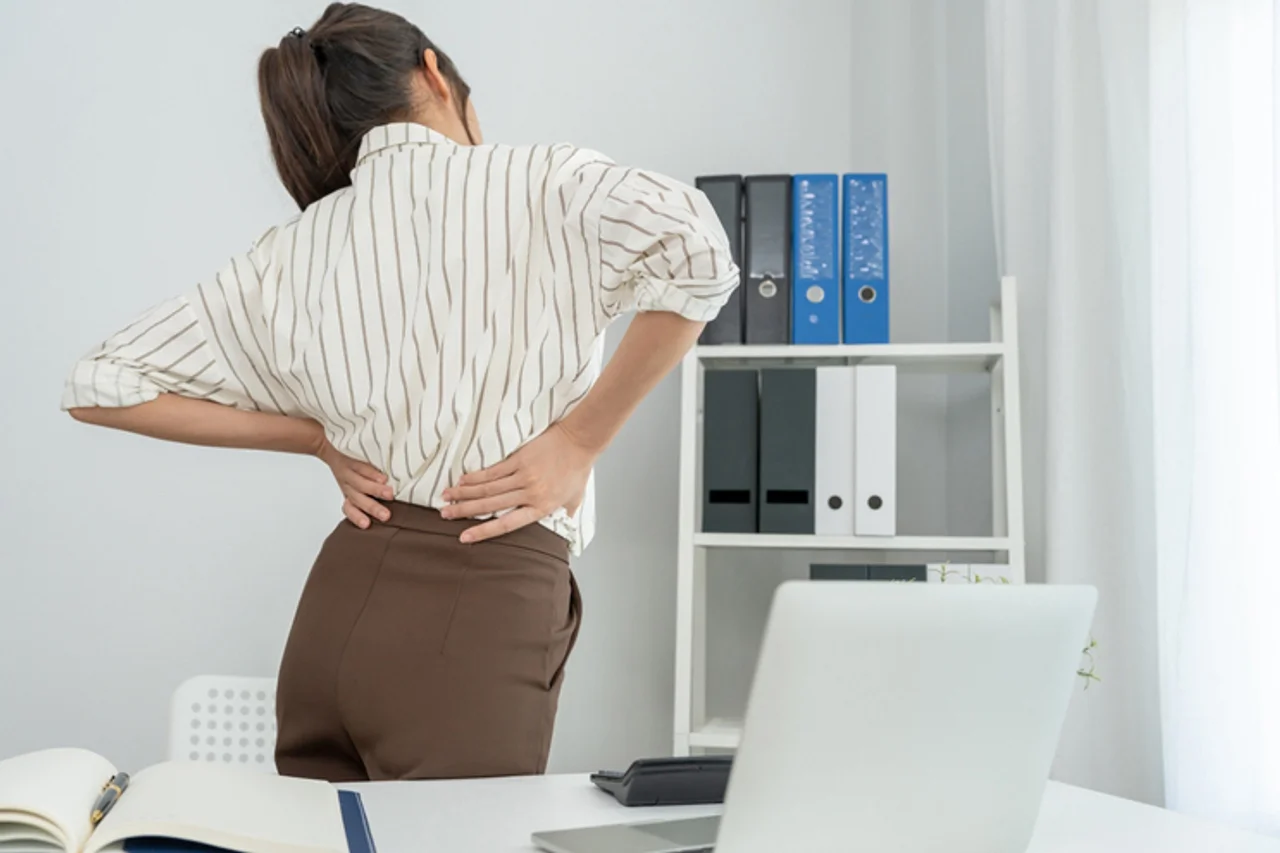
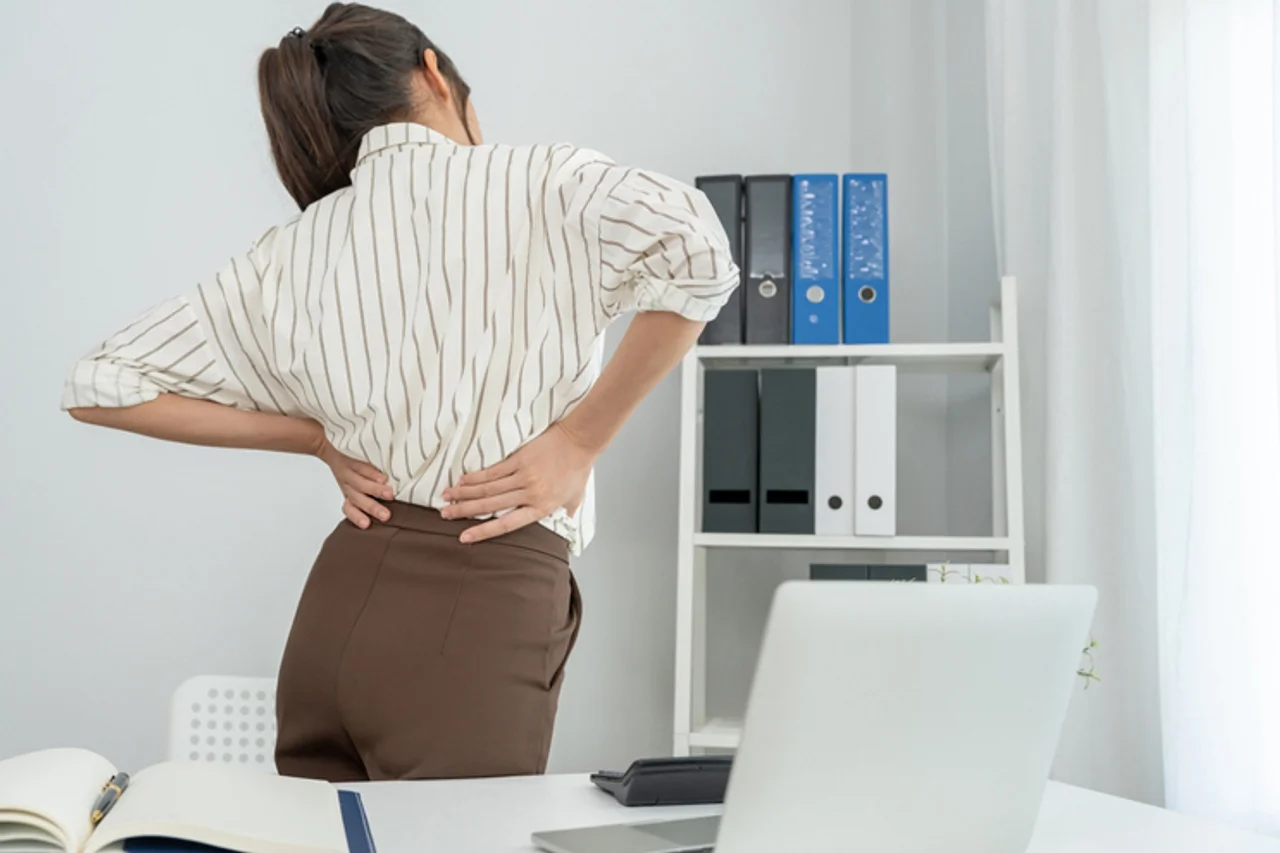
If you're living with chronic back pain — the kind that lingers, flares up unpredictably, or resists standard treatment — it’s natural to wonder if there’s something deeper at play. At Arine Korean Medicine Clinic, we often see patients who arrive at this very crossroads: frustrated by conventional care, yet unsure whether Korean medicine (KM) is a real solution or just a hopeful detour.
Let’s explore when Korean medicine can make a meaningful difference for chronic back pain — and how to know if now is the right time to try it.
When Korean Medicine Starts to Make Sense
1. When Pain Becomes Chronic or Keeps Coming Back
If your back pain has lasted longer than three to six months, or seems to reappear after short-term relief, it’s no longer “just a strain.” You’re likely dealing with a more complex issue involving muscle imbalances, circulatory stagnation, or postural fatigue. These are the kinds of patterns Korean medicine is designed to treat — not just the pain itself, but the systems and structures around it.
At Arine, we often treat patients who’ve been through multiple rounds of medication, physical therapy, or even injections — with only partial or temporary improvement. That’s usually when they start seeking something deeper, more holistic, and more sustainable.
2. When You Don’t Have Red Flags (But Still Hurt)
Korean medicine shines in cases where there’s no urgent surgical issue — meaning no severe nerve damage, no loss of bowel or bladder control, no progressive paralysis. If imaging shows disc degeneration or mild herniation, but your main symptoms are pain, stiffness, or restricted motion, then conservative care like KM is often appropriate.
This “gray zone” — not urgent enough for surgery, but not mild enough to ignore — is where many patients benefit from acupuncture, herbal medicine, and manual therapy like Chuna.
3. When You Want a Whole-Body, Not Just Local, Solution
What most people don’t realize is how interconnected chronic pain is. Your lower back pain might stem from weak abdominal support, overactive hip flexors, poor circulation, emotional stress — or all of the above. Korean medicine sees the body as a complete system, not just a collection of parts.
That’s why a treatment plan might include herbal remedies to reduce internal inflammation, acupuncture to release tight muscle chains, and structural work to correct pelvic imbalance. It’s not about “targeting the pain point” — it’s about restoring harmony so the pain has no reason to persist.
4. When You’re Ready to Commit to a Process — Not Just a Pill
If you’ve reached a point where you want more than symptomatic relief — if you're ready to actually change your body’s condition — then KM could be the right fit. This isn’t a “quick fix” model. Most back pain cases we see improve gradually over weeks or months, with treatments adapted along the way.
That’s the strength of a clinic like Arine: we don’t give you a one-size-fits-all plan. We guide you through a personalized, evolving care program — one that’s designed to relieve pain, correct structure, and prevent recurrence.
5. When You Want to Reduce Medication Use
Let’s be honest: long-term painkillers and injections can come with risks — from digestive issues to dependency. Korean medicine offers a non-pharmacologic path, using therapies like acupuncture and herbal medicine to reduce inflammation, ease muscle tension, and support the body’s natural recovery systems. Many patients come to us specifically because they want to ease off their meds safely, under professional guidance.
What Korean Medicine Does Differently — A Doctor’s Perspective

To understand why KM often succeeds where others fall short, you have to change the way you see chronic pain. It’s rarely just about a herniated disc. More often, it’s a cascade of small dysfunctions: weakened stabilizer muscles, poor sitting posture, stress-related muscle bracing, impaired circulation. Western medicine can pinpoint the “what” — but Korean medicine specializes in the “why.”
Here’s how it works:
Acupuncture doesn’t just block pain; it improves local tissue oxygenation, relaxes tight muscle fibers, and stimulates natural endorphin release.
Chuna manual therapy addresses alignment issues, helping to redistribute load across the spine more evenly.
Herbal medicine supports systemic healing — reducing inflammation, improving circulation, and nourishing joints and tissues over time.
Moxibustion and cupping may be used to enhance circulation and energy flow, particularly in cold or stagnated areas.
Think of it like retuning a musical instrument. If your lower back is playing out of tune, Korean medicine doesn’t just mute the sound — it rebalances the whole system.
When Should You Start? Practical Signs
If you’re still unsure whether it’s the right time to try Korean medicine, here are some signs we commonly see in patients who benefit most:
You’ve had back pain for more than three months, or it keeps recurring.
You've tried standard treatments with limited or short-lived success.
You don’t have serious nerve-related symptoms (e.g. major weakness, numbness, loss of bladder control).
You notice stiffness, muscle tightness, or posture issues alongside the pain.
You’re open to lifestyle changes and a long-term care plan — not just “fix it now.”
You want natural, minimally invasive therapies — either as an alternative or a complement to Western medicine.
If this sounds like you, it might be time to book a consultation and explore what Korean medicine can offer.
When Korean Medicine Might Not Be Enough — At Least Alone
While we firmly believe in the power of KM, it’s important to stay grounded. Korean medicine is not a miracle cure for every type of back pain.
You should consider other or additional medical evaluation if:
You experience rapid-onset weakness or numbness in your legs.
You’ve lost bladder or bowel control.
Your symptoms worsen dramatically and quickly.
Imaging shows structural instability that may require surgical correction.
Also, if your pain just began (within a few days), KM can help relieve early symptoms — but results tend to be more consistent in chronic or subacute stages.
Finally, if you expect instant relief after one session, you may be disappointed. Real healing takes time — especially for structural or postural issues. The good news is, with consistent treatment and guidance, real change is possible.
Why Choose a Clinic Like Arine?

At Arine Korean Medicine Clinic, located in Gangnam, we treat chronic back pain with the seriousness and attention it deserves. We take time to understand your lifestyle, body constitution, posture habits, and history of pain before creating a treatment plan.
Patients here receive:
Customized acupuncture and structural therapy sessions
Herbal prescriptions tailored to their physical constitution
Long-term posture, movement, and self-care guidance
A team that listens, reassesses, and adjusts with you
Back pain might feel like an inevitable part of life — but it doesn’t have to be. If you’ve been stuck in a cycle of temporary relief and recurring pain, this may be the moment to approach healing from a new angle.
Considering a shift in your care plan?
If you’ve been struggling with chronic back pain — especially if conventional treatments haven’t provided lasting relief — consider scheduling a consultation at Arine Korean Medicine Clinic. A personalized, holistic approach could be what your body’s been asking for all along.
More Articles
Continue reading clinical guides from Arine Korean Medicine Clinic.

Postpartum Swelling? How Korean Medicine Can Help You Heal Faster
Discover how Korean medicine reduces postpartum swelling and speeds up recovery naturally. Learn proven remedies for faster healing after childbirth.
Learn More

How Keep Sticks Help You Stick to Your Weight Loss Goals
Discover how Korean medicine reduces postpartum swelling, speeds healing, and restores balance naturally. Learn more about holistic recovery today!
Learn More

Is Acupuncture the Key to Finally Beating Persistent Pain?
Discover how acupuncture may help relieve chronic pain naturally. Explore its benefits, effectiveness, and if it's right for you. Learn more today!
Learn More