Personalized Korean Medicine & Weight Management in Gangnam, Seoul · International Patient Concierge


Medical Guide
What Are the Risks of Postpartum Herbal Acupuncture?
Learn the potential risks of postpartum herbal acupuncture, how to stay safe, and what to discuss with your provider. Get informed before your first session!
Schedule a ConsultationIf you're a new mother considering herbal acupuncture as part of your postpartum recovery, you’re not alone. At Arine Korean Medicine Clinic, we meet many women who are seeking natural ways to support healing, reduce pain, balance their hormones, and regain energy after childbirth. And while postpartum herbal acupuncture can be a powerful ally — it’s not without risks.
Let’s talk honestly about what those risks are, and how to navigate them wisely.
⚠️ Potential Risks of Postpartum Herbal Acupuncture

• Risks Linked to Acupuncture
Acupuncture has a long history in postpartum care, particularly in East Asian medicine. But it’s not completely risk-free.
Infection and skin issues: If acupuncture needles are not sterile and single-use, there’s a risk of local infection, bruising, or inflammation at the needle sites. In rare cases, deeper complications can occur from poor technique.
Dizziness, bleeding, or fainting: Some women — especially those who are still weak or anemic after delivery — may feel lightheaded during or after treatment. If too many points are stimulated too soon, it can overwhelm the body’s delicate postpartum balance.
Pre-existing conditions: If you have a bleeding disorder, are taking blood thinners, or have had complications during delivery, acupuncture may need to be adjusted or avoided altogether.
Delayed conventional care: This is an important one. Relying solely on acupuncture without seeking medical help for serious symptoms — such as persistent bleeding, high fever, or postpartum depression — can delay life-saving care.
• Risks from Herbal Medicine
Even when acupuncture is done correctly, adding herbs introduces its own set of considerations — especially in the sensitive postpartum period.
Wrong formula, wrong time: Timing is everything in postpartum herbal care. Some herbs stimulate blood circulation — which can be helpful once lochia (post-birth bleeding) subsides. But if taken too early, these same herbs could worsen bleeding or disrupt the uterus’s natural healing.
Medication interactions: If you’re taking prescription medications (especially for pain, hypertension, or blood clotting), certain herbs may interfere with their effects or increase side effects.
Breastfeeding concerns: Some herbs pass into breast milk and may affect your baby. Others may impact milk supply — either positively or negatively — depending on dosage and individual response. Unfortunately, modern research on herb safety during lactation is still limited.
Herb quality matters: Not all herbs are created equal. Poor sourcing can lead to contamination with heavy metals, pesticides, or adulterants. This is why working with a reputable clinic is essential.
Masking real issues: When herbs are used to “tonify” or strengthen recovery, they can sometimes hide symptoms of underlying infections, retained placenta, or hormonal imbalances that need conventional diagnosis.
• Lack of Personalized Assessment
One of the most common risks we see in general practice is the use of “pre-packaged” postpartum formulas — or acupuncture applied in a standard way without considering the mother’s specific condition. But every postpartum body is different. Vaginal birth vs. C-section, natural vs. assisted delivery, anemia, breastfeeding — all of these factors influence what’s safe and effective.
🎯 Why Women Still Turn to Herbal Acupuncture — and When It Works Best

So, why do so many women still seek out herbal acupuncture? Because postpartum care often feels incomplete. Fatigue lingers, emotions swing, body shape changes. You might feel like yourself and a stranger in the same skin.
In this context, herbal acupuncture offers something modern medicine sometimes lacks: a sense of being seen, heard, and gently rebalanced.
Many women report reduced back pain, better sleep, improved digestion, and stronger emotional stability after acupuncture and herbal therapy. When done well, it can support natural hormone realignment, ease uterine contractions, and even help with mild postpartum depression.
But the key phrase here is “when done well.”
✅ How to Reduce Risks — and Use Herbal Acupuncture Safely
If you’re thinking about trying herbal acupuncture during postpartum, here’s what we recommend:
Work with a qualified, licensed practitioner who specializes in postpartum care. Acupuncture should be clean, safe, and adjusted to your body’s current state.
Be honest about your health history, including medications, how your labor went, how your bleeding has been, and whether you're breastfeeding.
Start gently. The first few weeks postpartum are fragile. Strong tonics or blood-moving herbs should usually be avoided early on unless clearly indicated.
Watch for side effects. If you experience heavier bleeding, strange rashes, digestive upset, sleep problems, or mood swings after treatment — bring it up. It might be unrelated, or it might be a reaction.
Use herbal acupuncture to complement, not replace, medical care. If you notice symptoms like fever, intense pelvic pain, foul-smelling discharge, or extreme fatigue, seek medical evaluation right away.
Ensure herb quality. At Arine Clinic, we use only regulated herbal products from trusted sources. This reduces the risk of contamination or incorrect dosage.
🧠 What Most People Don’t Realize About Postpartum Recovery

To be honest, the biggest risk isn’t a specific needle or herb. It’s the idea that postpartum healing can be rushed or universally solved by a single method.
What real practitioners know — and don’t say enough — is this: true postpartum recovery is slow, layered, and deeply individual. Your energy doesn’t just “snap back.” Your hormones don’t reset overnight. The uterus needs warmth, rest, and time to recover — not just stimulation.
At Arine Korean Medicine Clinic, we see postpartum recovery as a quiet, sacred season. One that deserves not only safe treatment, but care that understands your body’s rhythm.
We design personalized treatment plans using gentle acupuncture, warming herbs, nutritional support, and bodywork that matches where you are — physically and emotionally. Whether you delivered last week or three months ago, there’s no “too late” when it comes to healing well.
Thinking About It?
If you’re curious about how herbal acupuncture might support your postpartum recovery — or you’ve already tried it and had questions — we’re here to listen.
You don’t have to figure this out alone.
If you’ve been struggling with energy, sleep, weight, or emotional ups and downs after birth, consider scheduling a consultation at Arine Korean Medicine Clinic in Gangnam. We’ll take the time to understand your unique journey and recommend care that fits you — not just a textbook version of postpartum.
Let’s heal gently, together.
More Articles
Continue reading clinical guides from Arine Korean Medicine Clinic.

Postpartum Swelling? How Korean Medicine Can Help You Heal Faster
Discover how Korean medicine reduces postpartum swelling and speeds up recovery naturally. Learn proven remedies for faster healing after childbirth.
Learn More

How Keep Sticks Help You Stick to Your Weight Loss Goals
Discover how Korean medicine reduces postpartum swelling, speeds healing, and restores balance naturally. Learn more about holistic recovery today!
Learn More
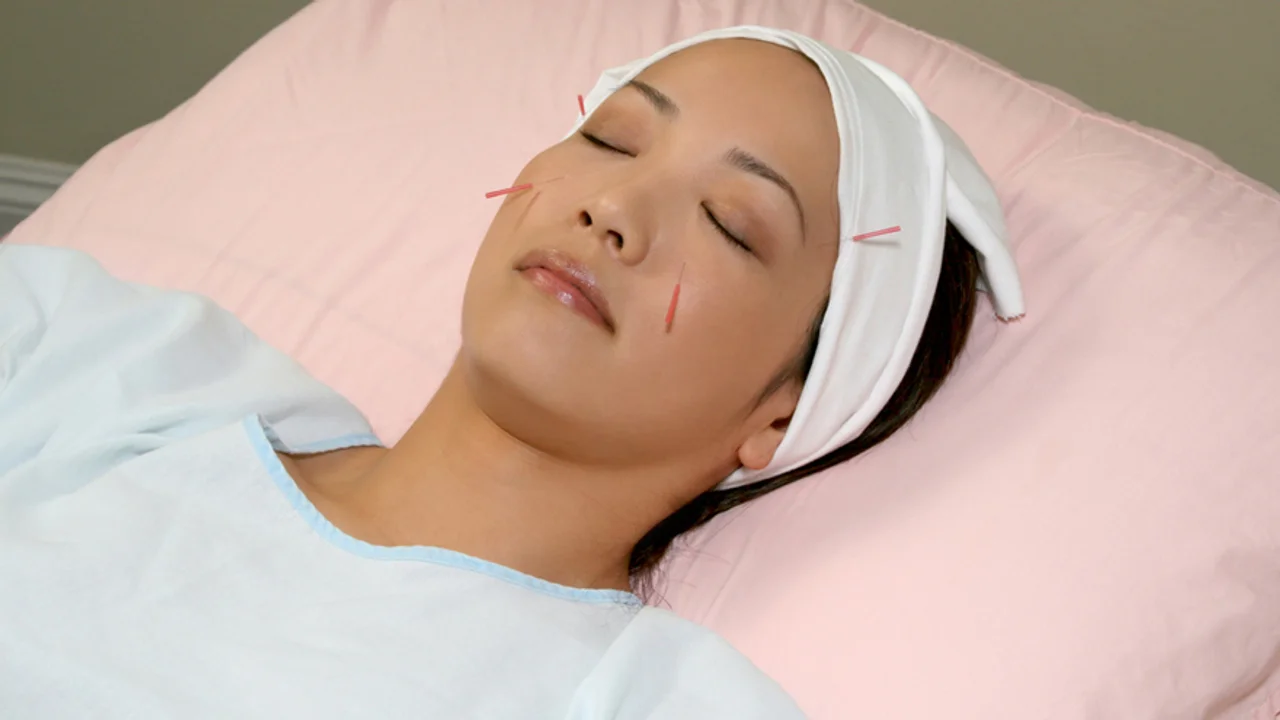
Is Acupuncture the Key to Finally Beating Persistent Pain?
Discover how acupuncture may help relieve chronic pain naturally. Explore its benefits, effectiveness, and if it's right for you. Learn more today!
Learn More