Personalized Korean Medicine & Weight Management in Gangnam, Seoul · International Patient Concierge

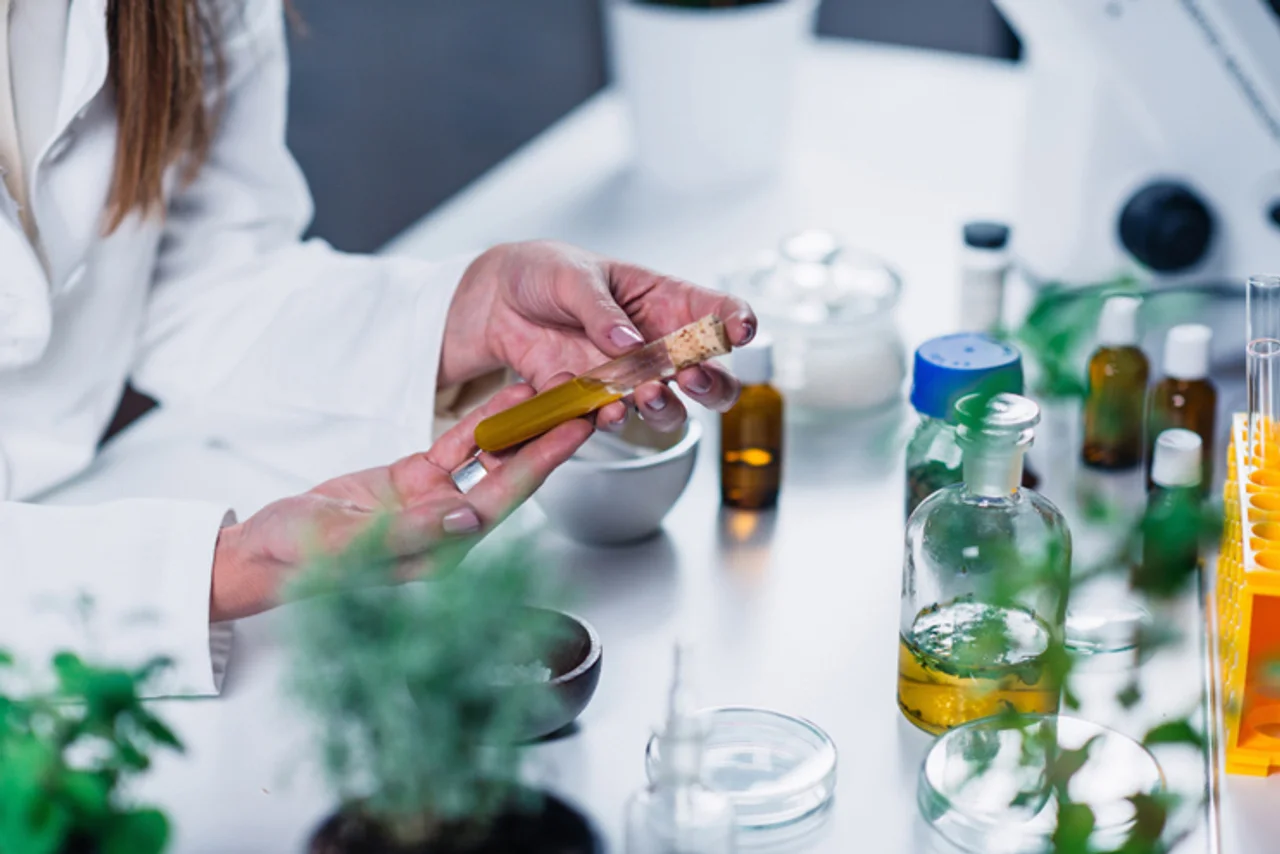
Medical Guide
The Benefits of Customized Postpartum Herbal Prescriptions for New Mothers
Explore the benefits of customized postpartum herbal prescriptions for new mothers. Support recovery, boost energy, and promote healing—learn more today!
Schedule a ConsultationIntroduction
The weeks after childbirth are a delicate time. While the joy of welcoming a baby is profound, the physical and emotional demands placed on a new mother’s body are equally immense. In Korean medicine, this period is called “Sanhujori” (산후조리) — a cultural and medical tradition that emphasizes recovery and protection during the critical weeks following birth. At Arine Korean Medicine Clinic in Gangnam, we often meet women who underestimated how much support their body would need after delivery. What many discover is that customized herbal prescriptions can be a turning point in regaining strength, balancing emotions, and preventing long-term health concerns.
Why Postpartum Recovery Needs Special Attention
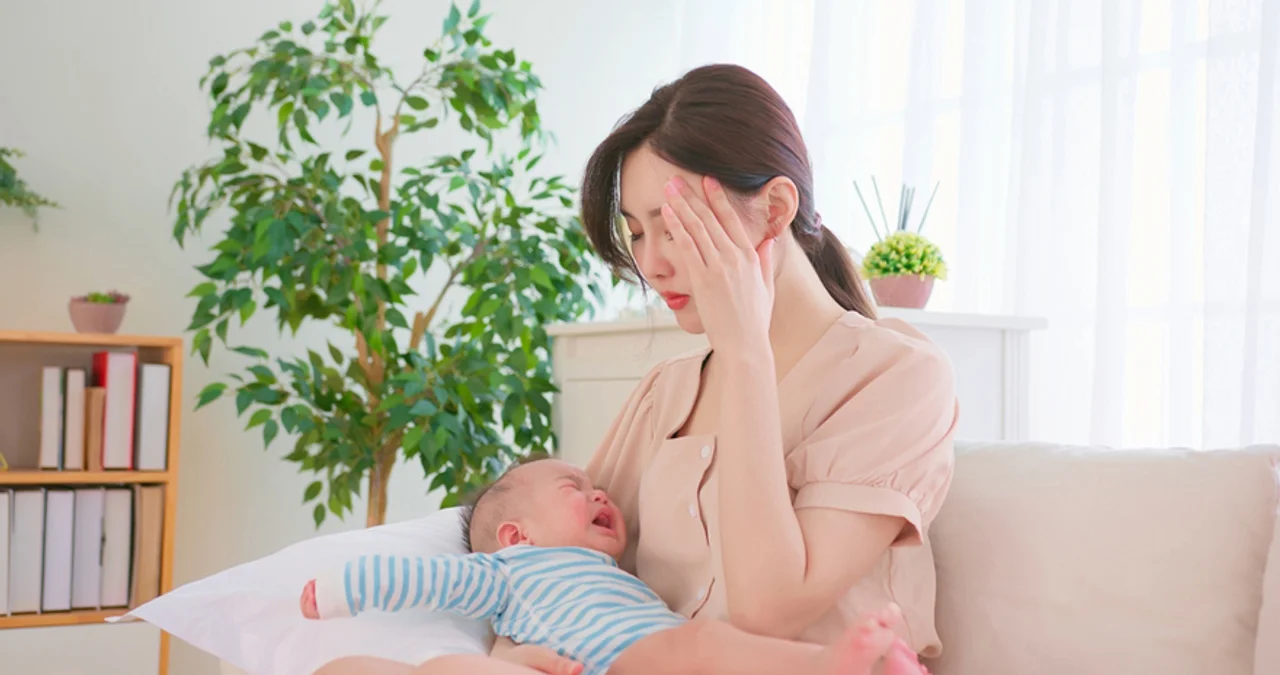
Childbirth, whether vaginal or cesarean, depletes a woman’s blood, energy (qi), and core vitality. The process involves immense physical exertion, blood loss, and hormonal changes. Traditionally, Korean medicine views this period as one where the body is temporarily weakened and more vulnerable to external influences such as cold, fatigue, or even emotional stress.
What people often overlook is that postpartum symptoms don’t always resolve within a few weeks. In fact, some women experience lingering imbalances for months or even years if proper care is not taken. Common concerns we see include:
Persistent fatigue and low energy, despite sleeping whenever possible
Night sweats, chills, or feeling unusually sensitive to temperature changes
Digestive difficulties such as bloating, constipation, or poor appetite
Mood swings, heightened anxiety, or signs of postpartum depression
Hair thinning or hair loss due to hormonal fluctuations
Weight retention or slowed metabolism that resists dieting
Joint pain, lower back discomfort, or pelvic instability after delivery
Modern medicine acknowledges these challenges but often provides limited solutions beyond rest, dietary supplements, and psychological support. While these are important, they may not fully address the root causes of imbalance. Korean medicine complements conventional care by focusing on restoring balance, strengthening the body’s reserves, and preventing long-term complications.
The Role of Customized Herbal Prescriptions
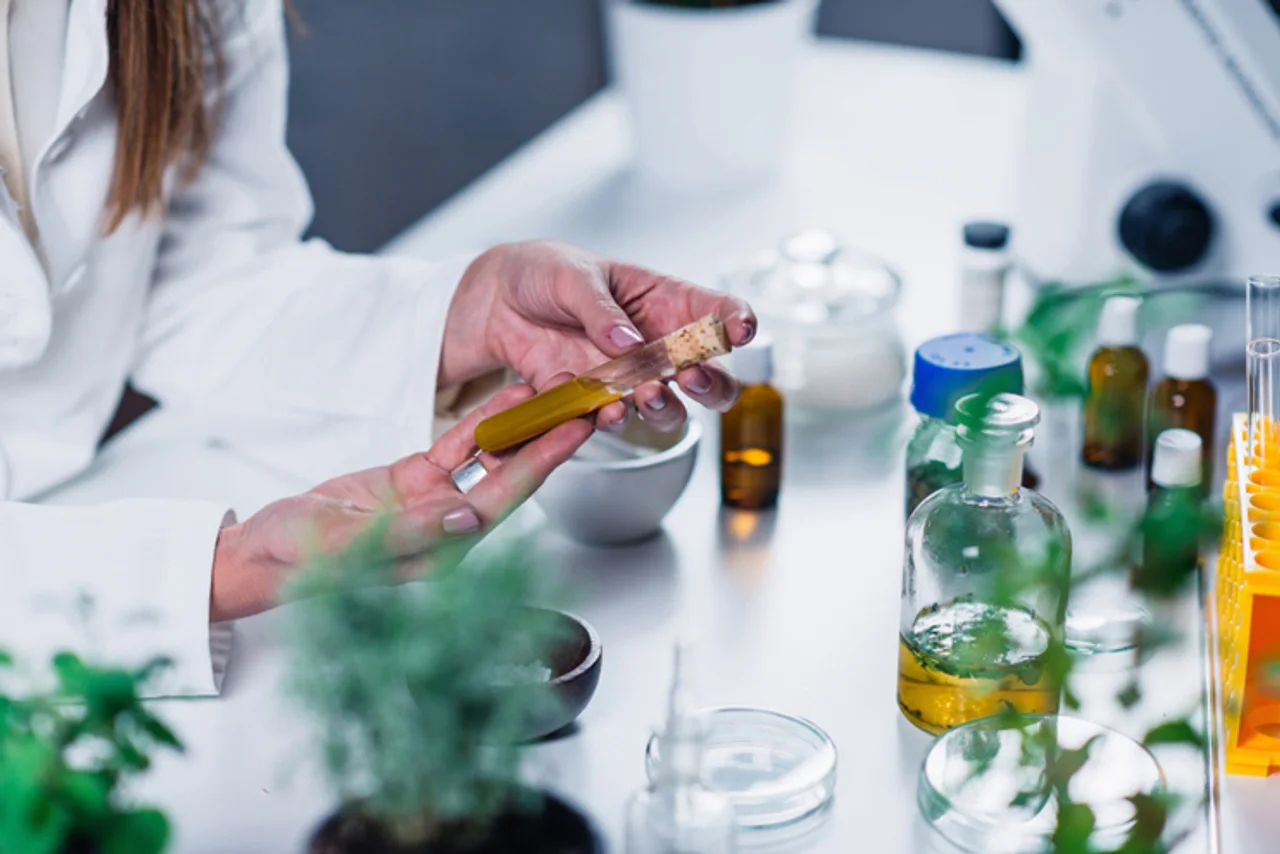
Herbal medicine in Korea is not “one size fits all.” Each formula is carefully designed to match the mother’s unique body condition, delivery experience, and recovery goals. At Arine Clinic, Dr. Seungseok Chae often compares postpartum care to tailoring a fine garment: it must fit the individual’s body and lifestyle, or it will not provide lasting comfort.
1. Restoring Energy and Blood
Blood loss during childbirth can leave women pale, dizzy, or constantly tired. In Korean medicine, this is described as blood deficiency, which affects both physical energy and emotional stability. Herbal formulas containing Angelica Sinensis (Dang Gui), Rehmannia Root (Shu Di Huang), and Astragalus Root (Huang Qi) are traditionally used to replenish blood, strengthen the immune system, and improve circulation.
Clinically, mothers who take these formulas often report brighter skin tone, improved energy levels, and less dizziness. Unlike synthetic supplements, these herbs are integrated into the body’s natural rhythms, promoting gentle, sustainable recovery.
2. Supporting Lactation and Digestion
One of the most common concerns for new mothers is whether they will produce enough milk. Stress, fatigue, and poor appetite can reduce supply. Certain herbs such as Mai Ya (Barley Sprout) and Perilla Seed help support milk production while simultaneously improving digestion.
For mothers struggling with bloating or irregular bowel movements, herbs that regulate qi and harmonize the stomach are added. This combination ensures that both mother and child receive proper nourishment, as breast milk quality is closely linked to the mother’s diet and digestion.
3. Stabilizing Mood and Sleep
Emotional health is often overlooked in postpartum care. The reality is that many mothers feel isolated, anxious, or unable to rest deeply. Herbal medicine addresses this by incorporating calming ingredients such as Ziziphus Seed (Suan Zao Ren) or Poria (Fu Ling), which gently settle the nervous system.
Unlike pharmaceutical sleep aids, these herbs do not cause heavy sedation or dependency. Instead, they help regulate the body’s natural circadian rhythm, allowing mothers to fall asleep more easily and wake feeling refreshed. Patients frequently describe the experience as “finally being able to breathe again.”
4. Protecting Long-Term Health
Neglected postpartum care is often linked, in Korean medicine, to health issues later in life. Women who do not receive proper support may be more prone to chronic fatigue, gynecological disorders, or early signs of aging such as hair thinning or hormonal irregularities.
By using herbal prescriptions to close the “open gate” of the body and restore its foundation, we can reduce the likelihood of lingering weaknesses. This is one of the key reasons why traditional cultures place such strong emphasis on postpartum rituals — they are not only about immediate comfort, but also about safeguarding future health.
Modern Meets Traditional: Why Personalization Matters
Some clinics and health shops provide pre-packaged herbal teas or generic postpartum tonics. While these can be mildly beneficial, they cannot replace the precision of a prescription designed for one specific mother.
For example:
A mother who lost significant blood during childbirth may require warming, blood-building herbs.
A mother with postpartum swelling or fluid retention may benefit from qi-moving, dampness-reducing formulas.
A mother struggling with anxiety or emotional instability may need spirit-calming herbs combined with gentle tonics.
At Arine, we see every recovery as a living process. Prescriptions are reviewed and adjusted every two to three weeks, ensuring that as the mother’s body evolves, the treatment evolves too. This is similar to tuning a musical instrument — small adjustments make the difference between harmony and strain.
What to Expect from Postpartum Herbal Therapy
At Arine Korean Medicine Clinic, the process of postpartum herbal care is structured but deeply personal. Mothers can expect:
Initial Consultation – We review delivery details, medical history, and current symptoms. Some mothers are surprised by how many small discomforts are actually connected to their recovery.
Customized Prescription – A herbal formula is designed to restore balance, usually provided in easy-to-take decoctions or granule form.
Complementary Therapies – Herbal medicine is often paired with acupuncture to improve circulation, moxibustion to warm the body, or gentle body contouring to reduce swelling.
Ongoing Monitoring – Recovery is never linear. We adapt the treatment plan based on changes in energy, mood, lactation, and physical healing.
Many mothers report feeling noticeably stronger within two to three weeks. More importantly, they often describe a sense of “wholeness” returning — less like surviving day by day, and more like reclaiming their body with confidence.
The Cultural and Medical Value of Sanhujori
Korea has one of the most developed traditions of postpartum care in the world. Historically, women spent 21–30 days in dedicated recovery, supported by family members and traditional medicine. Even today, specialized postpartum care centers (산후조리원) are common, reflecting the cultural importance of this phase.
However, what sets Korean medicine apart is its emphasis on long-term prevention. While modern centers provide meals and rest, herbal prescriptions actively repair and strengthen the body. This is why many mothers choose to combine both — enjoying the supportive environment of a care center while receiving personalized herbal therapy from a clinic like Arine.
Why Choose a Clinic Like Arine

Postpartum care is not about quick fixes. It’s about rebuilding the foundation of health that will support both the mother and child for years to come. At Arine Korean Medicine Clinic, we specialize in holistic postpartum recovery — combining time-tested herbal prescriptions with modern approaches to body contouring, pain relief, and weight management.
Located in Seoul’s Gangnam district, our clinic is led by Dr. Seungseok Chae, a respected Korean Medicine Doctor known for his integrative approach. Patients trust us because we listen deeply, design treatments carefully, and remain committed to long-term outcomes rather than short-term relief.
If you’re a new mother in Seoul — or simply someone seeking natural, supportive recovery — we invite you to consider a consultation with Dr. Chae. Sometimes, the most powerful medicine is the one crafted just for you.
✨ If you’ve been struggling with postpartum recovery or want to prevent long-term imbalances, schedule a consultation at Arine Korean Medicine Clinic. A personalized herbal prescription could be the gentle but powerful step your body has been waiting for.
More Articles
Continue reading clinical guides from Arine Korean Medicine Clinic.

Postpartum Swelling? How Korean Medicine Can Help You Heal Faster
Discover how Korean medicine reduces postpartum swelling and speeds up recovery naturally. Learn proven remedies for faster healing after childbirth.
Learn More

How Keep Sticks Help You Stick to Your Weight Loss Goals
Discover how Korean medicine reduces postpartum swelling, speeds healing, and restores balance naturally. Learn more about holistic recovery today!
Learn More

Is Acupuncture the Key to Finally Beating Persistent Pain?
Discover how acupuncture may help relieve chronic pain naturally. Explore its benefits, effectiveness, and if it's right for you. Learn more today!
Learn More