Personalized Korean Medicine & Weight Management in Gangnam, Seoul · International Patient Concierge
Medical Guide
Swollen Legs and Feet? Here’s How Korean Medicine Can Help
Struggling with swollen legs and feet? Discover how Korean medicine offers natural, effective relief. Learn more about proven healing solutions today!
Schedule a ConsultationIntroduction
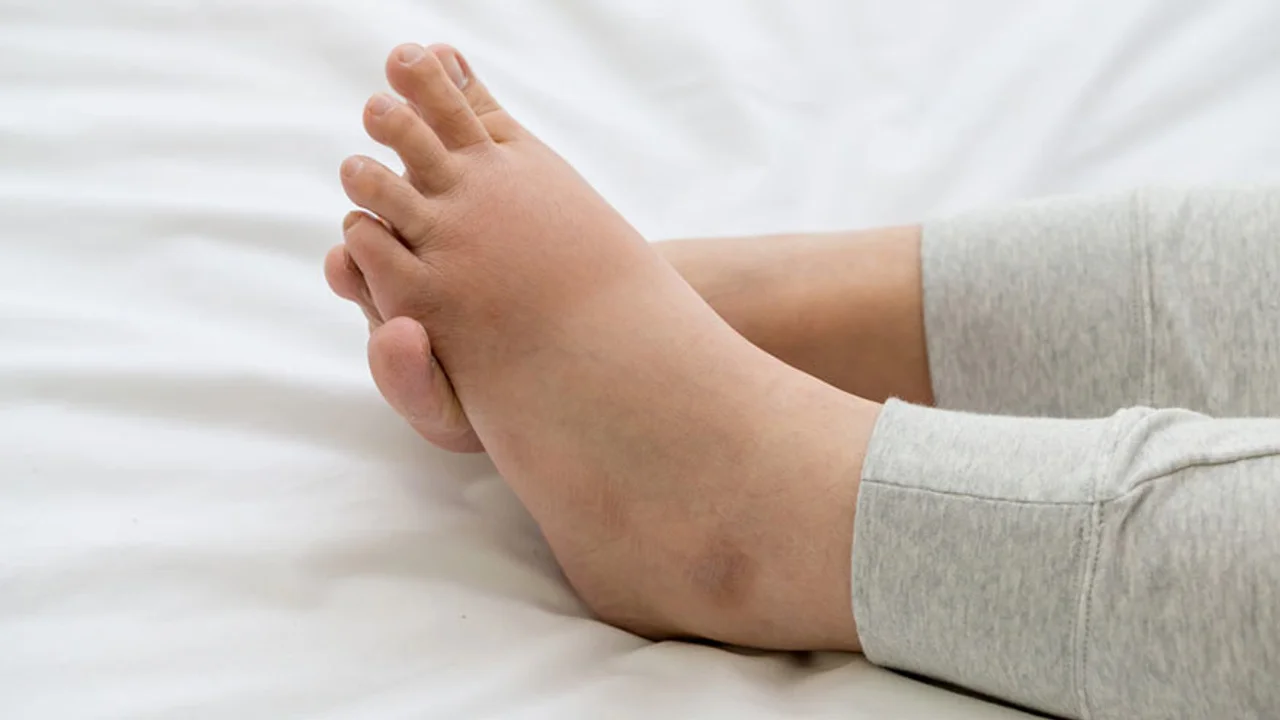
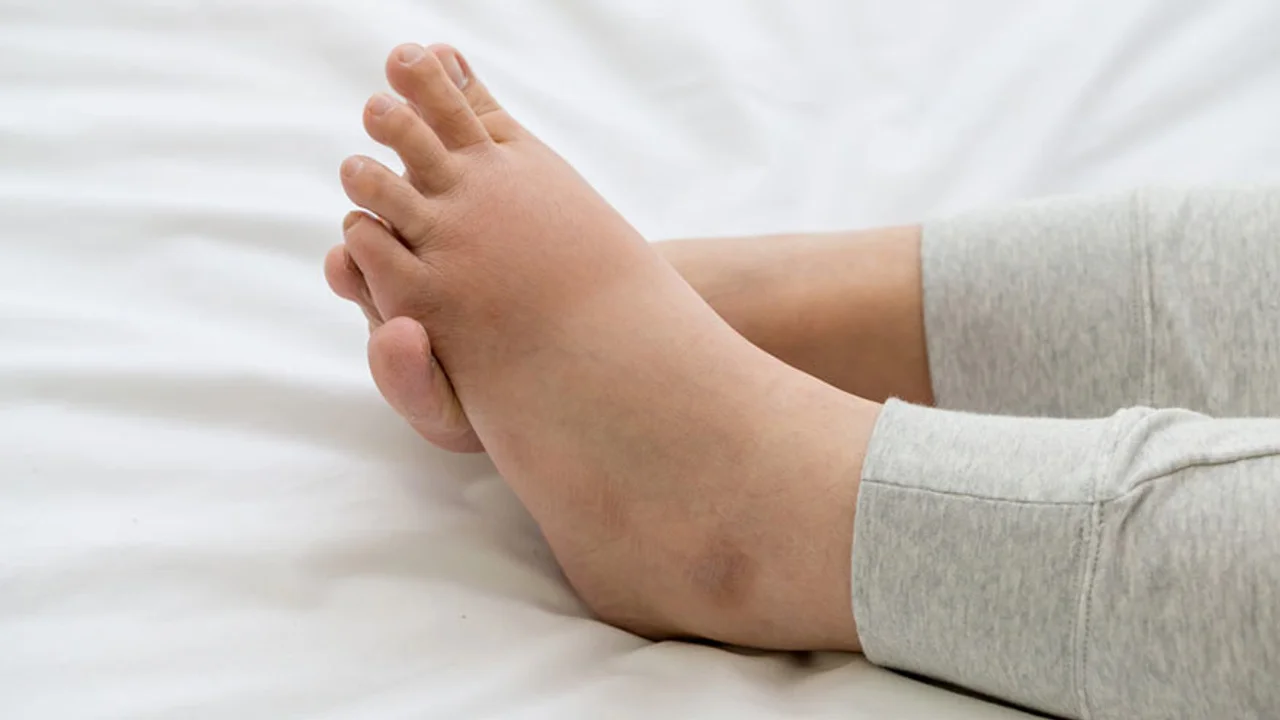
Swollen legs and feet—whether they’re caused by prolonged standing, an injury, pregnancy, or even an underlying health condition—can be uncomfortable and concerning. In Korea, this issue isn't just a physical problem; it's often viewed through a holistic lens that emphasizes the balance of body, mind, and environment. Korean medicine, with its deep-rooted understanding of the body’s internal energy flow, offers unique and natural ways to address swelling. At Arine Korean Medicine Clinic, we see firsthand how patients benefit from these ancient yet scientifically grounded therapies.
What Causes Swollen Legs and Feet?
Before we explore how Korean medicine treats swelling, it’s important to understand the root causes. Swelling, known as edema, occurs when excess fluid accumulates in the tissues of your legs or feet. Common causes include:
Poor Circulation: When blood flow slows down, it can cause fluid to pool in the lower extremities.
Injury or Inflammation: A sprained ankle or any kind of injury can cause local swelling as the body rushes to repair itself.
Pregnancy: The body retains more fluid during pregnancy, leading to swelling in the feet and legs.
Chronic Conditions: Conditions like kidney disease, heart failure, or even diabetes can affect fluid balance in the body and lead to chronic swelling.
Prolonged Sitting or Standing: A sedentary lifestyle or jobs that require standing for long periods can lead to fluid build-up in your feet and legs.
At the clinic, we often find that the swelling people experience isn’t just the result of one issue but is often a combination of physical strain, poor circulation, and imbalances in internal organ function, all of which are interconnected.
How Does Korean Medicine Address Swelling?
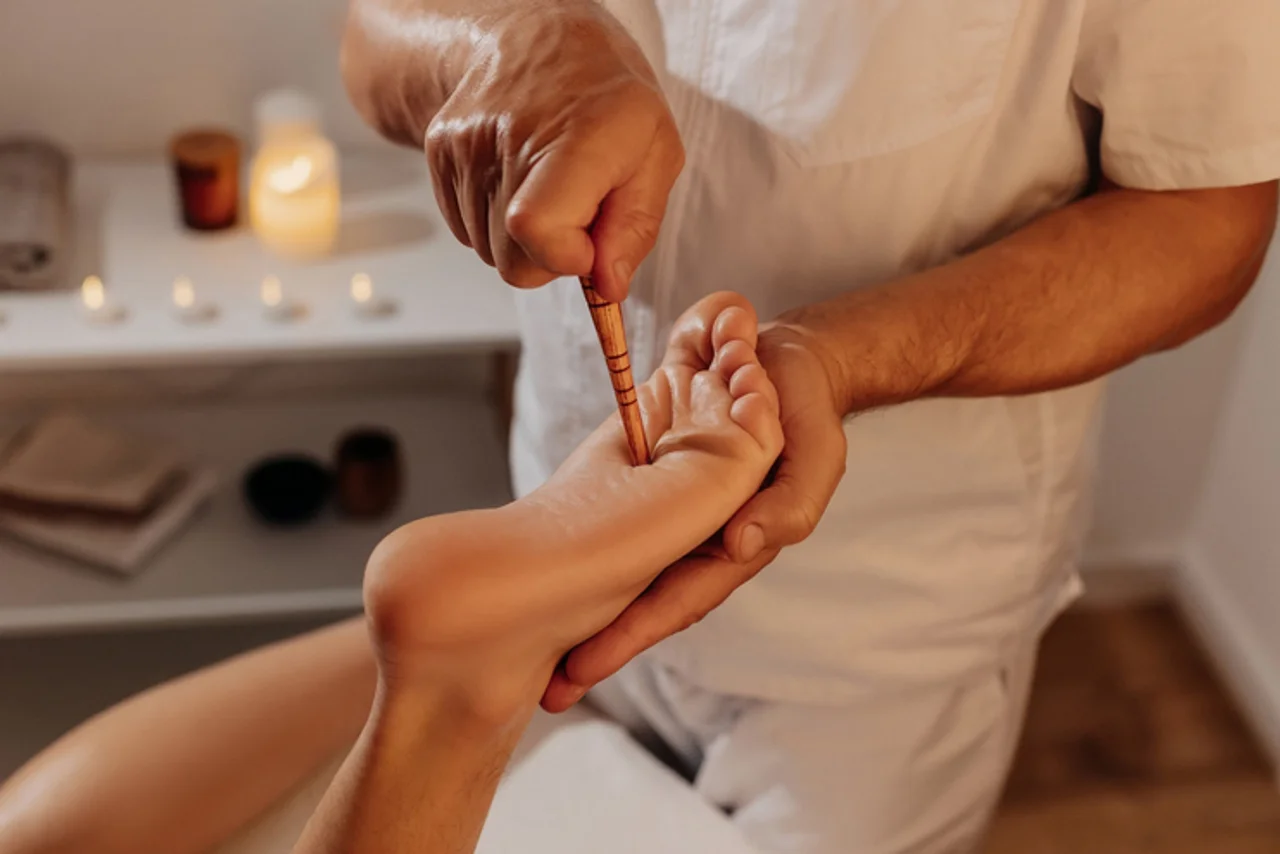
Traditional Korean medicine takes a comprehensive approach to swelling, focusing on restoring balance in your body. Unlike Western medicine, which tends to isolate symptoms and treat them with medications or surgeries, Korean medicine looks at the whole person. The goal is to understand and address the why behind the symptom rather than just alleviating the symptom itself.
Here are some key treatments used in Korean medicine to reduce swelling in the legs and feet:
1. Herbal Remedies: Nature’s Solution
In Korean medicine, herbs have long been used to promote circulation and detoxify the body. Cheongcho, sophora root, and ginseng are commonly used to help improve circulation and fluid retention. By working with your body’s natural rhythms, these herbs support your organs (like the kidneys and heart) to maintain proper fluid balance.
At Arine, we customize herbal formulas based on each patient’s individual needs. For example, if a person has swelling due to poor kidney function, a tailored herbal remedy might help to strengthen kidney energy and promote fluid excretion.
Herbal treatments work gently and continuously to restore balance and enhance your body’s natural healing process, making them an excellent long-term solution for managing swelling.
2. Acupuncture: Restoring Energy Flow
Acupuncture has been practiced for thousands of years in Korea, and its principles are deeply integrated into Korean medicine. According to traditional beliefs, swelling often arises when the flow of energy (or Qi) in the body becomes blocked. Acupuncture helps unblock these energy channels, allowing for smoother circulation and reducing swelling.
When a patient comes in with swollen legs or feet, we may target specific acupuncture points along the legs or the body’s energy channels to stimulate blood flow and enhance the body’s natural detoxification process. Acupuncture can be remarkably effective in reducing both acute and chronic swelling, with minimal discomfort.
3. Moxibustion: Heat Therapy for Circulation
Moxibustion, a form of heat therapy, is another treatment commonly used in Korean medicine to alleviate swelling. The technique involves burning moxa (a herb derived from mugwort) near specific acupuncture points. This gentle heat stimulates the body’s circulation, promotes detoxification, and alleviates discomfort.
This form of treatment can be especially helpful for those suffering from cold or stagnant conditions in the body, where blood flow is sluggish, contributing to swelling. The warm sensation from moxibustion encourages the body to clear out excess fluid and restore harmony.
4. Cupping Therapy: Promoting Circulation
Cupping therapy, which involves placing cups on the skin to create suction, has gained popularity worldwide, but it’s been used in Korean medicine for centuries. This therapy helps to break up stagnant blood and improve the flow of energy and nutrients throughout the body. For swollen legs and feet, cupping can be applied to areas around the legs and lower back to help release fluid retention and promote better circulation.
Many patients at Arine Korean Medicine Clinic find that cupping, when combined with other treatments like acupuncture or herbal therapy, helps them feel lighter and experience relief more quickly. The suction from the cups pulls blood to the surface, encouraging circulation, which can reduce swelling over time.
5. Dietary Adjustments: Eating for Fluid Balance
In Korean medicine, food is seen as a form of medicine. A diet that supports the body’s natural ability to remove excess fluids can significantly improve swelling in the legs and feet. For example, incorporating foods that are naturally diuretic—such as watermelon, cucumber, and parsley—can help flush excess water from the body.
Similarly, Korean medicine encourages avoiding foods that contribute to fluid retention, such as overly salty foods. A personalized diet plan can play a crucial role in managing swelling and overall wellness.
At Arine, we often guide our patients in adopting dietary changes that complement their treatment plan, ensuring they receive the right nutrition to support their body’s healing processes.
How Long Will It Take to See Results?
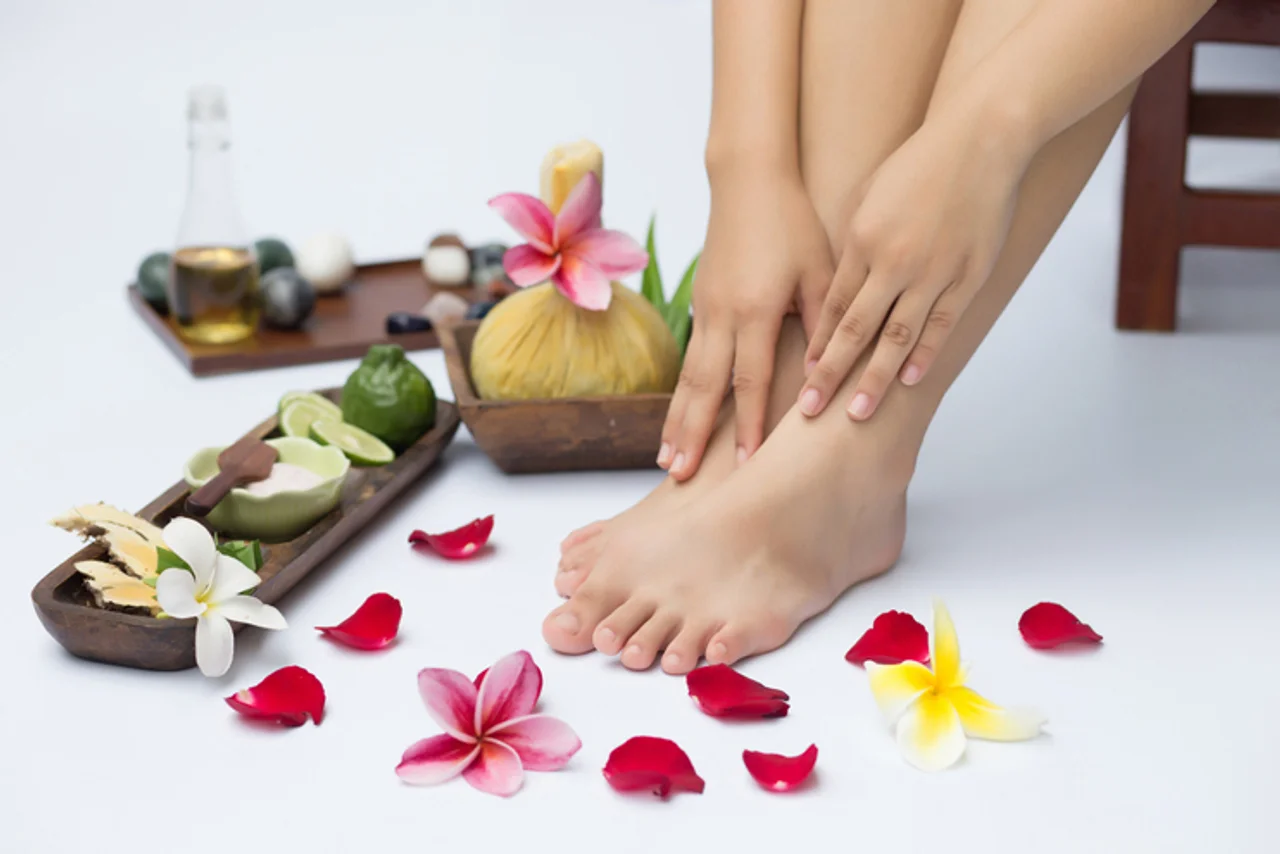
The timeline for improvement will vary depending on the severity and cause of your swelling, as well as your overall health and lifestyle. Some people may experience immediate relief, while others may require a few weeks of treatment to notice significant changes.
It’s important to remember that Korean medicine works by restoring balance and nurturing the body’s natural healing abilities. This means results may come gradually but are often longer-lasting compared to quick fixes from medications. We emphasize long-term health, not just short-term symptom relief.
When Should You Seek Professional Help?
If your swelling persists, worsens, or is accompanied by pain, redness, or warmth in the affected area, it’s important to seek professional medical attention. Swelling can sometimes indicate a serious underlying condition, like a blood clot or heart problem.
However, if you’re dealing with mild to moderate swelling from lifestyle factors, pregnancy, or general circulation issues, Korean medicine can be a highly effective way to support your body and restore balance naturally.
Why Choose Arine Korean Medicine Clinic?
At Arine Korean Medicine Clinic in the heart of Gangnam, we take a personalized approach to treating swollen legs and feet. Led by Dr. Seungseok Chae, a respected expert in Korean medicine, our clinic combines the wisdom of traditional healing with modern techniques to offer tailored solutions for each patient.
Whether you’re struggling with fluid retention due to pregnancy, a health condition, or simply need support with general well-being, we’re here to guide you through the process with care, compassion, and expertise.
Conclusion
Swollen legs and feet can affect your comfort, mobility, and overall well-being—but they don’t have to be a long-term burden. Korean medicine offers a time-tested, holistic approach that treats the root causes of swelling by enhancing circulation, supporting organ function, and restoring internal balance. At Arine Korean Medicine Clinic, our personalized therapies—including herbal medicine, acupuncture, moxibustion, cupping, and dietary guidance—are designed to help your body heal naturally and effectively. If you’re seeking a safe, gentle, and comprehensive solution to persistent swelling, we invite you to experience the benefits of Korean medicine with us. Your path to lighter, healthier legs begins here.
More Articles
Continue reading clinical guides from Arine Korean Medicine Clinic.

Postpartum Swelling? How Korean Medicine Can Help You Heal Faster
Discover how Korean medicine reduces postpartum swelling and speeds up recovery naturally. Learn proven remedies for faster healing after childbirth.
Learn More

How Keep Sticks Help You Stick to Your Weight Loss Goals
Discover how Korean medicine reduces postpartum swelling, speeds healing, and restores balance naturally. Learn more about holistic recovery today!
Learn More
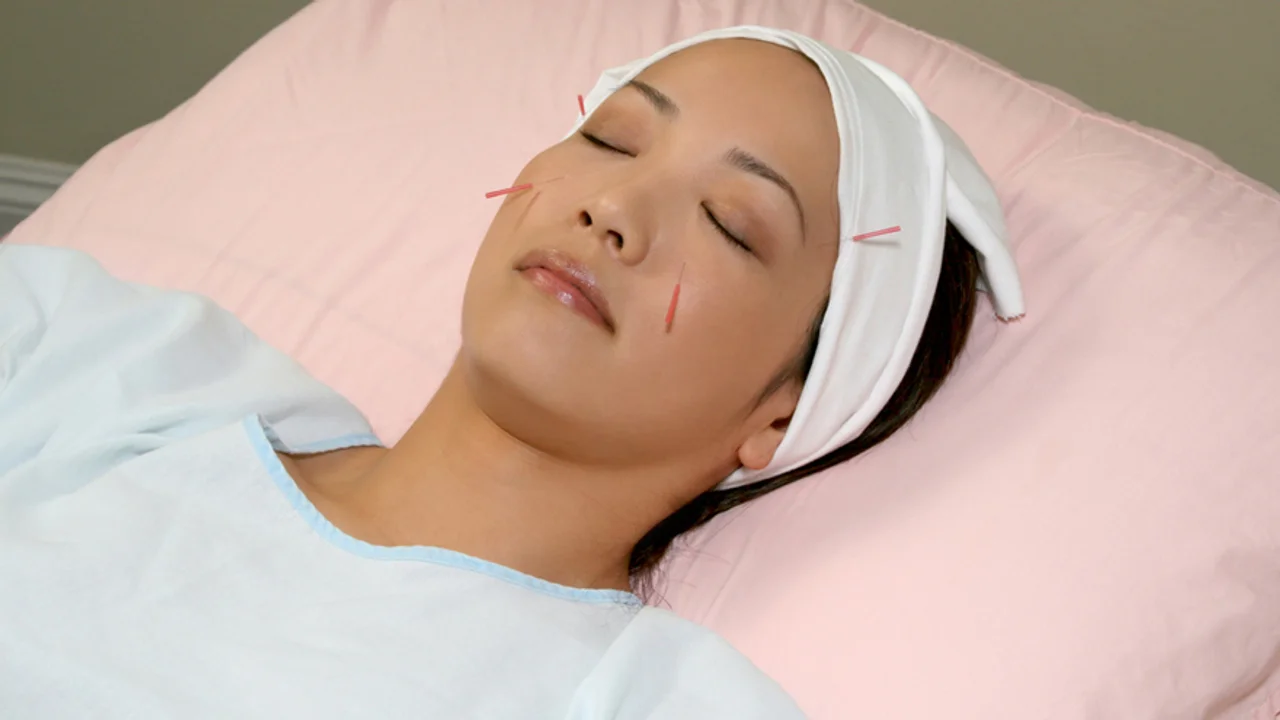
Is Acupuncture the Key to Finally Beating Persistent Pain?
Discover how acupuncture may help relieve chronic pain naturally. Explore its benefits, effectiveness, and if it's right for you. Learn more today!
Learn More