Personalized Korean Medicine & Weight Management in Gangnam, Seoul · International Patient Concierge

Medical Guide
Quick Herbal Remedies for Boosting Your Energy Levels After Childbirth
Boost energy naturally after childbirth with quick, effective herbal remedies. Discover safe solutions for new moms—feel revitalized today! Learn more now.
Schedule a ConsultationFeeling drained after childbirth is more common than you might imagine. Your body has just undergone one of the most profound changes in life — and while you’re focused on caring for your baby, your energy reserves often get short‑changed. At Arine Korean Medicine Clinic, we’ve seen many mothers say, “If only I’d known I’d be this tired.” The good news? A thoughtful, gentle herbal‑based approach (alongside smart lifestyle support) can help restore your vitality. Below is a realistic, clinically informed guide to herbal remedies for boosting postpartum energy, drawing from Korean medicine and tailored to new mothers.
Why you might be feeling so low on energy
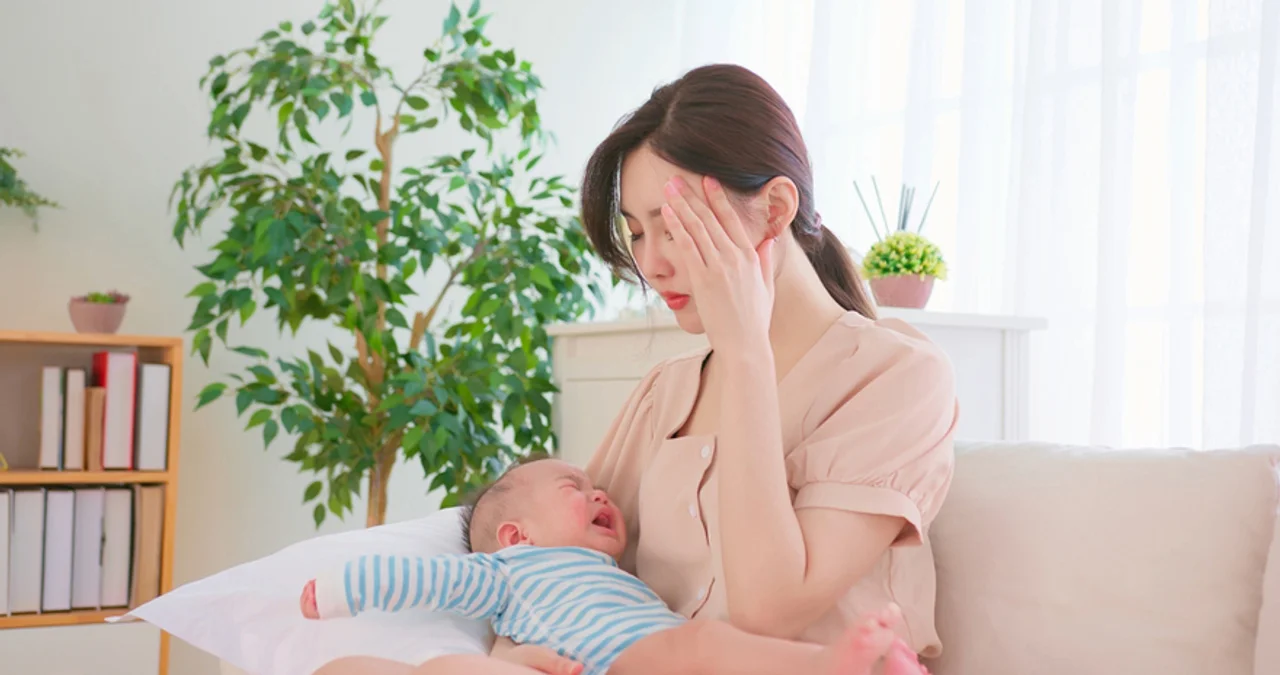
First, normalizing your fatigue helps. You’re not being lazy — your body is in a recovery phase.
1. Qi & Blood depletion
In Korean medicine (KM), childbirth is considered a significant depletion of both blood (형, hyeol) and vital energy (기, qi) due to bleeding and the physical stress of delivery and early postpartum.
When qi and blood are weak, you’ll feel heavy, easily tired, struggle with concentration, and your movement may feel sluggish.
2. Post‑partum “wind” syndrome (산후풍, Sanhupung)
If the body isn’t warmed properly, or if rest and support are neglected, mothers may experience symptoms such as cold sensitivity, achiness, fatigue, and emotional instability.
Fatigue may come in combination with these kinds of signs.
3. Breastfeeding & sleep disruption
Breastfeeding requires extra nutritional and energetic demands. Frequent awakenings, stress, and caring for a newborn also drain your reserves.
What people often overlook is that fatigue after childbirth isn’t just about sleep—it’s about restoration of body systems.
4. Nutrient and circulation challenges
Blood loss, fluid shifts, and the demands of milk‑production can leave the body low in nutrients, circulation weaker, and the digestive system taxed — all of which contribute to low energy.
What herbal therapy can do (and what it can’t)

At Arine Clinic we say: these are supportive measures — they aid recovery, but they are not a quick fix like a power drink. Think of them as tuning your internal instrument after a heavy performance.
What herbal therapy offers:
Tailored formulas in Korean medicine can help replenish qi & blood, warm the body, improve circulation, reduce fatigue and emotional burden.
Herbal medicine is helpful in addressing postpartum‑pain, cold sensitivity, and systemic weakness (often related to low energy states) with few serious side‑effects.
Herbs complement lifestyle repair: when combined with rest, proper nutrition, warming, and gentle movement, the effects are stronger.
What herbal therapy doesn’t replace:
Adequate rest, warmth, nutritious diet, and hydration — these are foundational.
Proper medical evaluation: If your fatigue is severe, persistent, accompanied by high fever, heavy bleeding, or other alarming signs, you should see your physician (or your gynecologist plus our KM doctor) to rule out anemia, thyroid issues, infection, etc.
Instant “boosts” — recovery takes time, especially postpartum.
Three Herbal Remedies You Can Ask About
Here are three widely used herbal approaches in the postpartum period in Korean medicine. Each should be personalized by a licensed Korean medicine doctor (한의사) — what works for one mother may need adjustment for another.
1. Warming‑and‑Replenishing Formula
Ssanghwa‑tang (쌍화탕) is a classic tonic tea in Korea, made from various roots and herbs (such as white peony, rehmannia, milk‑vetch, angelica, lovage, cinnamon bark, licorice) and has been used to support recovery, reduce fatigue and restore vitality.
Why it helps:
It warms the body and supports circulation — helpful when you feel chilled or weak.
It addresses qi‑blood deficiency and can give a subtle lifting of energy and mood.
How we use it: In mothers who feel “cold, heavy, and easily fatigued” after childbirth, once the immediate recovery phase is stable.
Precautions: Because it warms and activates, if you’re experiencing heat signs (like hot flushes, restlessness, excessive sweating) we tailor differently. Also check compatibility with breastfeeding.
2. Restorative Multi‑Herb Essential Formula
Kyung‑ok‑ko (경옥고) is another traditional formula combining Korean ginseng, honey, poria, and other replenishing herbs. It historically supported fatigue, weakness, and general vitality.
Why it helps:
Good for mothers whose spirits are low, who feel drained, have weak appetite, or struggle to bounce back.
It acts more quietly but steadily — like gradual reinforcement rather than a “rush.”
How we use it: After the immediate postpartum healing is underway, for continued low‐grade exhaustion.
Precautions: Ginseng can interact with stimulants, or if there is high blood pressure, insomnia, or if you are overheated internally — so evaluation is needed.
3. Customized Herbal Consultation for Postpartum Recovery
Rather than one off formula, in many cases what’s most effective is a customized prescription suited to your pattern. For example:
If you have frequent chills, back pain, and feel “cold inside,” we might add warming herbs plus circulation‐supporting ones.
If you have insomnia, anxiety, low mood and fatigue — we might select herbs to calm the mind while supporting qi/blood.
If you feel weak, short of breath, low appetite, and fatigue — we reinforce digestion, spleen‑qi, and nutrient absorption.
In our clinic at Arine, Dr. Chae will assess your constitution, pattern, current symptoms (sleep quality, digestion, mood, cold/heat sensitivity, milk supply if breastfeeding) and then select an herbal strategy.
Practical “Boost Your Energy” Habits That Amplify the Herbs

Herbal therapy won’t shine if lifestyle support is missing. Here are some practical habits we encourage — simple but often overlooked.
Warm your body, especially your core and lower back. Use a heating pad or warm water bottle for 10‑15 minutes in the evening. In Korean medicine, keeping the body warm helps qi flow and supports recovery.
Gentle movement — short walks, pelvic floor activation, gentle stretching. Even 10‑15 minutes helps circulation, supports mood and energy.
Nutrient‑dense food — e.g., warm soups with root vegetables, lean meat or plant‑protein, whole grains, plenty of vegetables. Avoid only “light” foods if you feel weak — your body needs good building blocks.
Rest in shifts — Accept help and aim for short naps. Lower stress hormones help energy recovery.
Breastfeeding support — Good latch, comfortable position, hydration, frequent feeding. Also talk to your doctor if you feel your milk supply is low, because that can tax your energy further.
Mind‑body awareness — Fatigue after childbirth is more than physical. Be gentle with yourself when you feel low mood, anxious or overwhelmed. Talking with a trusted friend or professional helps.
Avoid cold drafts and chilling your body — A traditional but also practical insight: if the body is chilled, recovery slows.
When to seek professional/medical support
If your energy is so low you cannot care at all for yourself or baby; or if you have symptoms like: heavy post‐partum bleeding, fever > 38 °C, chest pain, shortness of breath, severe mood or anxiety symptoms, persistent insomnia — please consult your OB/GYN and/or a Korean medicine doctor.
Persistent fatigue may also signal anemia, thyroid dysfunction, postpartum depression or thyroiditis — so don’t just assume “normal tiredness.”
Why choose Arine Korean Medicine Clinic for this recovery phase
At our clinic in Gangnam‑gu, Seoul, led by Dr. Seungseok Chae, we specialise in postpartum recovery and holistic support — not just “fixing symptoms.”
We combine herbal diet therapy (which supports long‑term nourishment) with treatments like body‑contouring and pain‑management if needed.
We view your recovery not as a one‑week process but as ongoing care: the body and mind both need time.
Each plan is personalised: we don’t hand out “generic tonic” but select formulas that match your specific pattern (cold/heat sensitivity, digestion, mood, postpartum changes).
If you’re looking for a clinic that respects the ancient wisdom of Korean medicine and adds modern insight, we’re here to walk with you.
Final thoughts
If you’re wondering: “Can herbal therapy really help my energy after childbirth?” — the answer is yes, it can be a meaningful part of your recovery toolkit. But it’s not magic. It works best when paired with rest, warmth, good nutrition, support and professional guidance.
Remember: your body just went through something extraordinary. Give it time, give it care, and allow yourself to recover in your own rhythm.
If you’ve been struggling with postpartum low energy — perhaps diminishing appetite, feeling cold all the time, dragging through feeding sessions, or simply not “bouncing back” — consider booking a consultation at Arine Korean Medicine Clinic. We’ll see whether a tailored herbal programme plus supportive lifestyle plan may be just what you need.
You’re not alone in this recovery journey — and your wellness matters too.
More Articles
Continue reading clinical guides from Arine Korean Medicine Clinic.

Postpartum Swelling? How Korean Medicine Can Help You Heal Faster
Discover how Korean medicine reduces postpartum swelling and speeds up recovery naturally. Learn proven remedies for faster healing after childbirth.
Learn More

How Keep Sticks Help You Stick to Your Weight Loss Goals
Discover how Korean medicine reduces postpartum swelling, speeds healing, and restores balance naturally. Learn more about holistic recovery today!
Learn More

Is Acupuncture the Key to Finally Beating Persistent Pain?
Discover how acupuncture may help relieve chronic pain naturally. Explore its benefits, effectiveness, and if it's right for you. Learn more today!
Learn More