Personalized Korean Medicine & Weight Management in Gangnam, Seoul · International Patient Concierge
Medical Guide
Prevent Swelling After Long Flights with Korean Herbal Solutions
Prevent swelling after long flights with Korean herbal solutions—support circulation, reduce water retention, and travel more comfortably. Discover the natural remedy today!
Schedule a Consultation
You know the feeling: after hours cramped in an airplane seat, you step off the plane and notice your ankles feel heavy, your legs look puffier, and your body just doesn’t feel the same. This post-flight swelling, often called “airplane edema,” is more common than people realize — and while it’s usually temporary, it can be uncomfortable and concerning.
At Arine Korean Medicine Clinic in Gangnam, we often see patients who want to manage this kind of swelling more naturally. Korean medicine offers unique solutions rooted in herbal therapies, acupuncture, and circulation-focused care. The goal is not only to reduce the puffiness but to strengthen the body’s balance so that swelling doesn’t become a chronic issue. By combining traditional wisdom with modern clinical practice, we aim to provide long-term relief and resilience for frequent travelers, business professionals, and new mothers alike.
Why Does Swelling Happen After Flying?
When you’re on a plane for more than a few hours, several things happen:
Reduced circulation: Sitting still for long stretches means blood and lymph fluid don’t circulate efficiently, especially in the legs. The calf muscles, sometimes called the “second heart,” normally pump blood upward, but during long flights, their function is limited.
Cabin pressure: Airplane cabins are pressurized, but not at sea level. This subtle difference encourages fluid retention and mild tissue expansion, especially in areas farthest from the heart.
Dehydration: Dry cabin air pulls moisture from the body, and dehydration makes the blood thicker, slowing circulation further. Combined with salty in-flight meals, this often worsens fluid imbalance.
For most people, the result is swollen ankles, stiff legs, and a sense of heaviness. In Korean medicine, this is understood as a disruption in the flow of qi (energy) and fluids in the body. Stagnation leads to what we call sujil (water accumulation), which is often seen in conditions of poor circulation, digestive weakness, or stress.
The Korean Medicine Approach to Swelling
Instead of simply masking the puffiness, Korean medicine looks at why the body holds onto fluids in the first place. At Arine, we approach post-flight swelling with two main principles:
Improve circulation and qi movement — through acupuncture or herbal formulas that stimulate blood flow and relieve stagnation.
Regulate water balance — by supporting the kidneys and spleen, which are considered central to fluid metabolism in traditional theory.
This dual focus not only helps swelling resolve faster but also reduces the chance that it will persist or worsen over time. For frequent travelers, this can mean the difference between feeling sluggish for days after a trip versus recovering smoothly and staying productive.
Herbal Solutions for Post-Flight Swelling
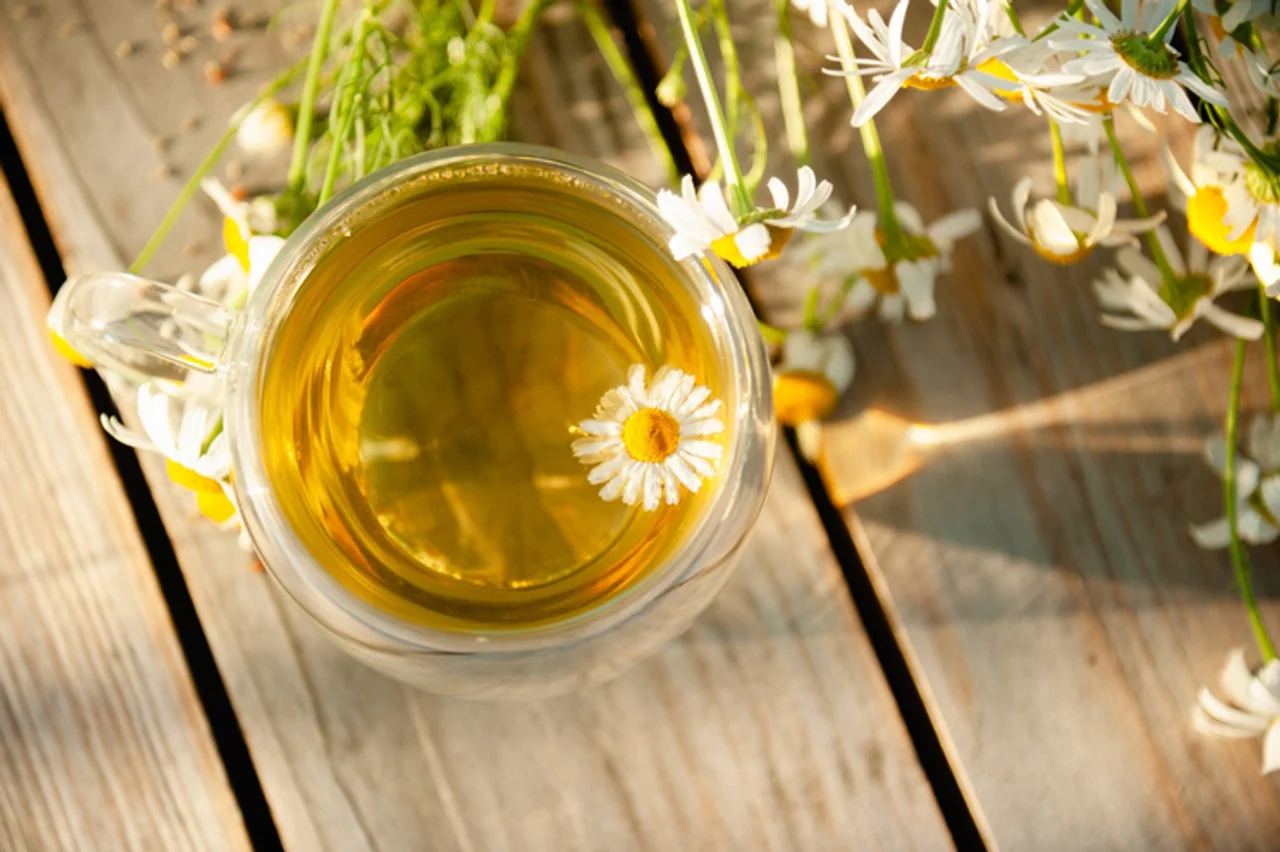
Some of the most effective Korean herbal solutions for travel-related swelling include:
Yulmu (Job’s Tears / Coix Seed): Known for its mild diuretic effect, it helps release excess fluid without straining the body. In Korean households, Yulmu tea is a common home remedy for bloating and puffiness.
Bokryeong (Poria Mushroom): Supports digestion and water balance, often used when swelling is linked to sluggish metabolism or fatigue. This herb is considered gentle yet highly effective.
Gamcho (Licorice Root): Harmonizes formulas and reduces fatigue, which often accompanies long flights. It also helps regulate electrolytes, which play a role in fluid retention.
Hwanggi (Astragalus Root): Strengthens energy while gently promoting circulation and immune function. Especially useful for travelers who feel drained or catch colds easily.
At our clinic, these herbs are often combined into customized formulas, depending on whether the patient also experiences fatigue, digestive upset, or pain after travel. For example, someone with chronic bloating might receive a different blend than someone whose primary issue is heavy legs. This personalized approach reflects one of Korean medicine’s core strengths — treating the individual, not just the symptom.
Acupuncture and Manual Therapies
Herbs are powerful, but in many cases, patients benefit even more when combined with treatments like:
Acupuncture: Especially points around the ankles and knees to encourage circulation and reduce heaviness. Acupuncture also calms the nervous system, helping the body recover from the stress of travel.
Moxibustion: Gentle heat therapy that supports warmth in the lower body, preventing fluid stagnation. Many patients describe it as deeply relaxing and grounding after long flights.
Cupping or gentle massage: To release tension and help lymphatic drainage. These methods encourage blood and fluid to move more freely, reducing swelling and stiffness.
Many of our patients report that receiving treatment before or after a long trip helps them feel lighter, recover faster, and even sleep better upon arrival. For business travelers who need to be alert immediately after landing, this can make a significant difference.
Practical Tips You Can Do Mid-Flight
Of course, even without herbs or acupuncture, there are steps you can take while traveling:
Drink warm water regularly (instead of cold drinks or alcohol). Warm water supports digestion and circulation, while alcohol and caffeine promote dehydration.
Stand up and stretch every hour or two. Even short walks to the restroom can prevent circulation problems.
Flex your ankles and toes often while seated. Think of it as “mini-exercise” for your calves to keep blood moving.
Avoid very salty airplane meals, which worsen water retention. Packing light snacks like fruit or unsalted nuts can help.
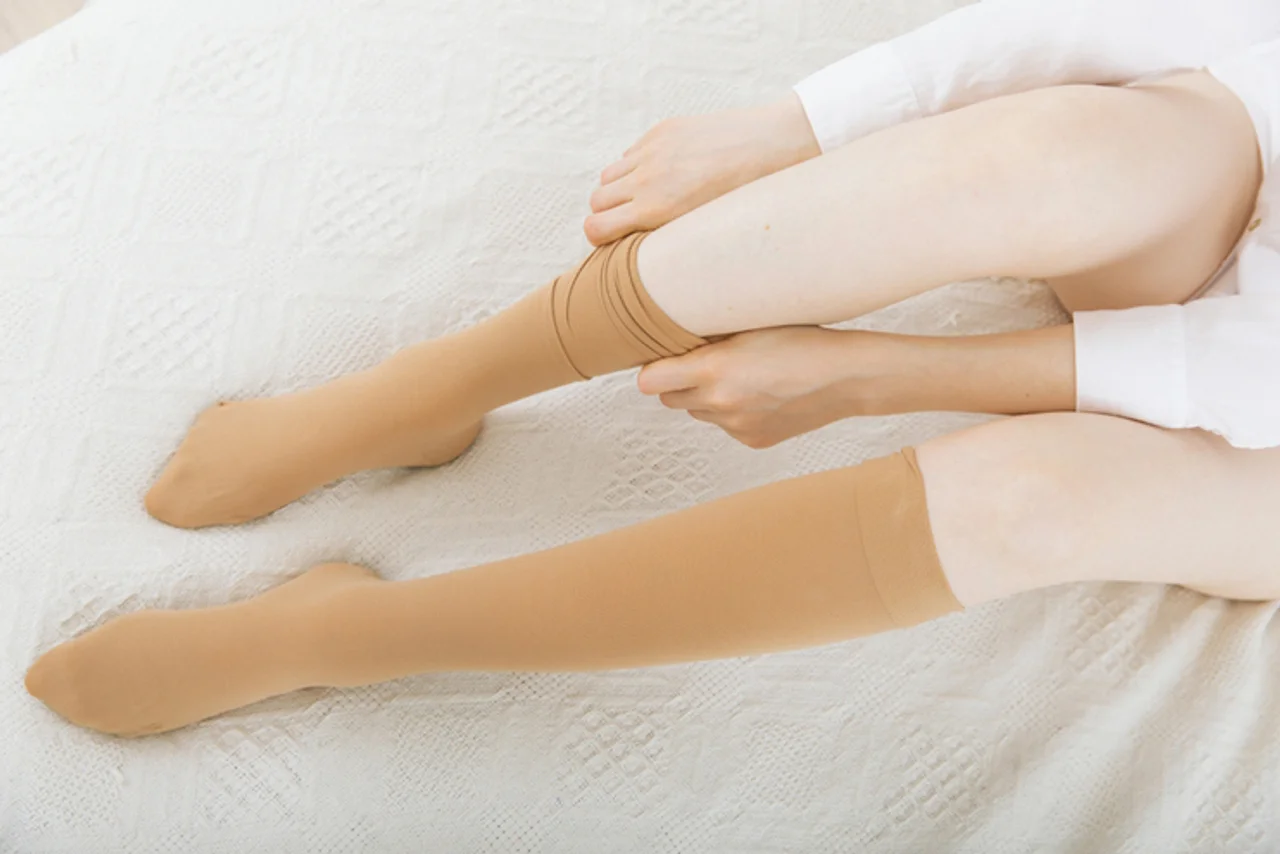
Wear compression socks if you are prone to swelling or travel frequently. These support venous return and are often recommended by both Western and Korean practitioners.
These small habits, paired with Korean herbal care, create a noticeable difference in how your body feels post-flight.
Who Should Be Careful?
For most travelers, mild swelling after flying is normal. But if you experience pain, severe swelling in one leg, or shortness of breath, seek immediate medical attention — these can signal more serious conditions like deep vein thrombosis (DVT).
Patients who are pregnant, have chronic kidney or heart conditions, or take certain medications should also consult a professional before starting herbal treatments. At Arine, we carefully review each patient’s health history to ensure that herbal prescriptions and therapies are both safe and effective.
Case Insights from the Clinic
To give a practical example: one of our frequent patients, a consultant who flies internationally twice a month, used to experience significant swelling in her ankles and calves. After introducing a tailored herbal formula with Yulmu and Hwanggi, combined with acupuncture before long trips, she reported not only less swelling but also more energy upon arrival. Over time, she also noticed improved digestion and reduced jet lag — benefits she hadn’t expected.
Another case involved a new mother traveling with her infant. Postpartum recovery often leaves women more prone to fluid imbalance. With gentle herbal support and circulation therapy, she was able to manage both the demands of travel and her recovery without excessive swelling.
These stories reflect what we see often: swelling isn’t just about the legs. It’s about how the body adapts to stress, circulation, and lifestyle factors. Korean medicine looks at the whole picture, and that’s why results can feel so profound.
Finding Balance After Travel
Flying is stressful on the body, and swelling is just one sign that the body needs recovery. Korean medicine views this as a temporary imbalance — one that can be corrected with the right support. Herbal formulas, circulation therapies, and mindful routines can help your body adapt so travel feels less like a burden and more like an adventure.
If swelling after long flights has been bothering you, it might be worth exploring a holistic approach. At Arine Korean Medicine Clinic, we specialize in personalized herbal diet therapy, acupuncture, and body-contouring care that restores balance naturally. Many of our patients find that these treatments don’t just prevent swelling — they improve their overall resilience, digestion, and wellbeing.
✨ If you often struggle with post-flight swelling, consider scheduling a consultation at Arine Korean Medicine Clinic in Gangnam. Our tailored Korean herbal solutions can help you travel light — in body and in spirit.
More Articles
Continue reading clinical guides from Arine Korean Medicine Clinic.

Postpartum Swelling? How Korean Medicine Can Help You Heal Faster
Discover how Korean medicine reduces postpartum swelling and speeds up recovery naturally. Learn proven remedies for faster healing after childbirth.
Learn More

How Keep Sticks Help You Stick to Your Weight Loss Goals
Discover how Korean medicine reduces postpartum swelling, speeds healing, and restores balance naturally. Learn more about holistic recovery today!
Learn More
Is Acupuncture the Key to Finally Beating Persistent Pain?
Discover how acupuncture may help relieve chronic pain naturally. Explore its benefits, effectiveness, and if it's right for you. Learn more today!
Learn More