Personalized Korean Medicine & Weight Management in Gangnam, Seoul · International Patient Concierge


Medical Guide
Postpartum Depression Support FAQ for Global Patients
Postpartum depression support FAQ for international patients: how Arine's Korean medicine care works, plus key safety notes and when to seek urgent help.
Schedule a ConsultationPostpartum Depression Support FAQ for International Patients
Medically reviewed by Dr. Chae Seung-seok, KMD, Chief Director, Arine Korean Medicine Clinic · Last updated July 2026
This postpartum depression support FAQ is written for international patients who are considering Korean medicine as one part of their recovery after childbirth. It answers the questions people most often ask before booking, and it does so with an important boundary in mind: postpartum depression is a recognized, serious clinical condition, and Korean medicine care is complementary only. It is not a replacement for evaluation and treatment by a qualified mental-health professional. If you are in crisis right now, please skip ahead to the safety section below and reach out for immediate help.
The goal here is to be honest and reassuring at the same time. You deserve clear information, warm support, and a plan that keeps professional mental-health care at the center.
What is postpartum depression, in plain terms?
Postpartum depression is a medical condition that can develop in the weeks and months after having a baby. It is commonly described as beginning within about four to six weeks after delivery, though it can appear later. It can involve low mood, anxiety, sleep disturbance, changes in appetite or weight, reduced motivation or concentration, and feelings of guilt.
This is different from the short-lived "baby blues" that many new parents feel in the first days after birth. When low mood, anxiety, or exhaustion last longer, interfere with daily life, or feel overwhelming, that is a signal to seek a professional evaluation. Reputable health authorities such as the National Institute of Mental Health (NIMH) and the American College of Obstetricians and Gynecologists (ACOG) describe postpartum depression as treatable, and they position evaluation and treatment by a qualified clinician, including therapy and medication where clinically indicated, as the primary care pathway.
How does Arine's Korean medicine approach fit in?
Arine Korean Medicine Clinic lists postpartum mood support among its Women's Health services. In general Korean medicine practice, this kind of support is built around a constitution-based assessment, individualized herbal support, and lifestyle guidance. At Arine, the specific herbal protocol used for postpartum mood support is best confirmed directly with the clinic, because the detailed formula and screening steps are not published in full.
The most important framing is this: Korean medicine herbal support for postpartum mood symptoms is a complementary approach. It is intended to sit alongside conventional mental-health care, not to take its place. No herbal preparation should be presented as a treatment or cure for depression. If you are already working with a therapist, psychiatrist, or obstetrician, that relationship remains central, and you should keep it.
What does the consultation process look like?
Based on the clinic's documented consultation process for this service, a typical path includes several steps:
- A one-on-one consultation to discuss your emotional well-being, symptoms, concerns, and recovery goals after childbirth.
- Completing the clinic's online enquiry form in advance, where you share your medical history, postpartum health information, current symptoms, and treatment goals.
- A comprehensive review of your physical and mental health, obstetric history, lifestyle, sleep patterns, current medications, and any previous history of depression, anxiety, or other mental-health conditions.
- A personalized evaluation of symptom severity and contributing factors, including screening with appropriate clinical assessment tools when indicated.
- Individualized recommendations, which the clinic describes as potentially including counseling, psychological support, lifestyle changes, medication when appropriate, referrals to mental-health specialists, or other supportive therapies.
- A clear explanation of the care plan, follow-up schedule, and available support resources before anything begins.
You can start that process through the clinic's contact page, and you can learn more about the clinic's overall services on the Arine Korean Medicine Clinic website.
A safety note you should read first
This part matters more than anything else in this article. Severe symptoms, or any thoughts of harming yourself or your baby, are a medical emergency. They call for immediate professional help, not herbal treatment alone.
If you are in the United States and having thoughts of self-harm or of harming your baby, call or text 988 (the Suicide and Crisis Lifeline) or your local emergency number right away. If you are outside the United States, contact your local emergency services or a local crisis line immediately. A responsible clinic will always refer out urgently in these situations, and seeking emergency care is a sign of strength and good parenting, not failure.
Herbal support is not appropriate as a stand-alone response to severe postpartum depression. It may have a supportive, complementary role for milder mood, energy, and sleep symptoms, but only when you are also connected with appropriate mental-health screening and care.
Can this support be handled remotely from another country?
Arine offers online consultation channels for international patients, and the clinic conducts consultations and follow-up in English through its multilingual services, using video calls and messaging where appropriate. However, a sensitive mental-health condition often benefits from in-person and local support, and the details of how postpartum mood support specifically can be delivered remotely are best confirmed directly with the clinic.
Wherever you live, the safest arrangement keeps a local mental-health professional and your obstetric provider involved, so that urgent needs can be met close to home.
Why do some international patients explore this alongside conventional care?
People are drawn to Korean medicine for postpartum mood support for a few understandable reasons. Some are looking for a holistic, herbal-medicine-supported approach to postpartum mood and energy symptoms that can sit alongside conventional mental-health care. Others already value traditional medicine and want a practitioner who considers their whole picture, including sleep, energy, and daily life, rather than a single symptom.
Those motivations are valid, and they do not have to compete with professional mental-health treatment. The healthiest way to think about it is "and," not "or": conventional evaluation and treatment lead the way, and complementary support may play a role for milder symptoms once you are connected with appropriate screening and care. What should never happen is using herbal support as a reason to delay or skip professional help when symptoms are significant.
Working with the clinic from another country
Arine supports international patients through English-language services, including video consultations and messaging conducted in English, along with translated documents where needed. The clinic is also a Registered Medical Institution for Attracting Foreign Patients, certified by Korea's Ministry of Health and Welfare. For a sensitive topic like postpartum mood, these channels can help you begin a conversation and coordinate follow-up from abroad.
Even with strong remote support, local, in-person mental-health care remains essential, particularly if symptoms are more than mild. Keep a provider close to home involved so that any urgent needs can be met quickly and safely where you live. Time-zone differences alone are a good practical reason to have local support you can reach at any hour.
Who reviews this service
This service sits within the clinic's Women's Health category and is overseen by Dr. Chae Seung-seok, the Chief Director and a licensed Korean Medicine Doctor (KMD) who graduated from the College of Korean Medicine at Kyung Hee University. A KMD is a Korean-licensed practitioner, not a US-licensed physician. That distinction is one more reason the clinic frames postpartum mood support as complementary to, rather than a substitute for, care from a qualified mental-health professional.
The Bottom Line
- Postpartum depression is a recognized, serious, and treatable medical condition; professional evaluation and treatment is the primary care pathway.
- Korean medicine support at Arine is complementary only and is not a substitute for psychiatric or psychological care.
- The clinic's documented process includes symptom review, screening tools when indicated, and referral to mental-health specialists where appropriate.
- Severe symptoms, or any thoughts of self-harm or harming your baby, require immediate professional help, such as calling or texting 988 in the US.
- Specific herbal formulas, screening details, and costs are best confirmed directly with the clinic before you begin.
Frequently Asked Questions
**Is Korean medicine a treatment or cure for postpartum depression?**No. Korean medicine herbal support is a complementary approach that may help with milder mood, energy, or sleep symptoms as part of a broader plan. It is not a treatment or cure for depression, and it does not replace evaluation and care from a qualified mental-health professional.
**When should I seek urgent help instead of booking a consultation?**If you have severe symptoms, feel unable to cope, or have any thoughts of harming yourself or your baby, seek emergency help immediately. In the US you can call or text 988; elsewhere, contact local emergency services or a crisis line. These situations need professional care right away, not herbal treatment.
**What information should I prepare before a consultation?**The clinic's online enquiry form asks for your medical history, postpartum health information, current symptoms, and treatment goals. It also helps to note your sleep patterns, current medications, and any prior history of depression or anxiety so the doctor has a full picture.
**Will the clinic tell my other doctors what I am taking?**The clinic's process includes reviewing your current medications and may include referrals to mental-health specialists. It is always wise to tell every provider you see about all treatments and supplements you use, since herbs can interact with medicines. You can coordinate this through the contact page.
**Are the herbal preparations regulated like prescription drugs?**Herbal preparations are generally considered traditional-use products and are not evaluated by the US Food and Drug Administration the way prescription medicines are. "Natural" does not automatically mean risk-free, and herbs can interact with medications, so disclose everything you take to your providers.
**How much does postpartum mood support cost?**Specific pricing for this service is not published, so it is best to confirm costs directly with the clinic during your consultation, along with the recommended plan and follow-up schedule.
More Articles
Continue reading clinical guides from Arine Korean Medicine Clinic.
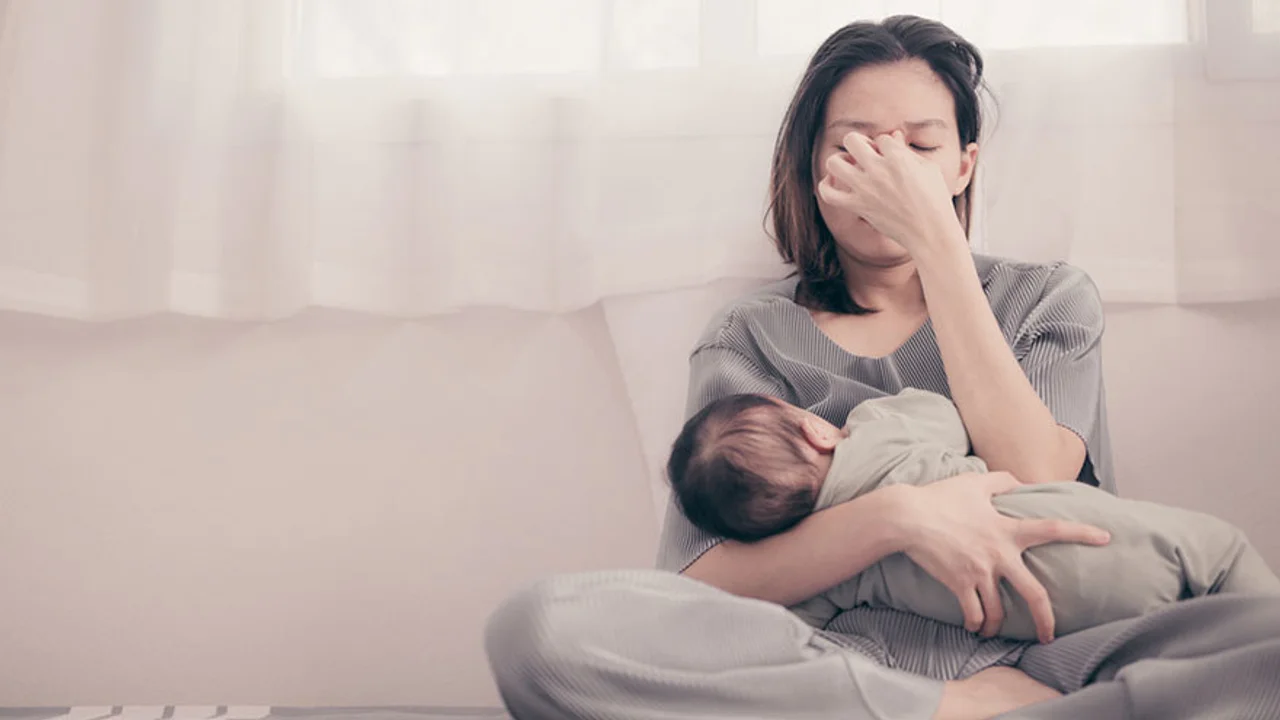
Postpartum Swelling? How Korean Medicine Can Help You Heal Faster
Discover how Korean medicine reduces postpartum swelling and speeds up recovery naturally. Learn proven remedies for faster healing after childbirth.
Learn More

How Keep Sticks Help You Stick to Your Weight Loss Goals
Discover how Korean medicine reduces postpartum swelling, speeds healing, and restores balance naturally. Learn more about holistic recovery today!
Learn More
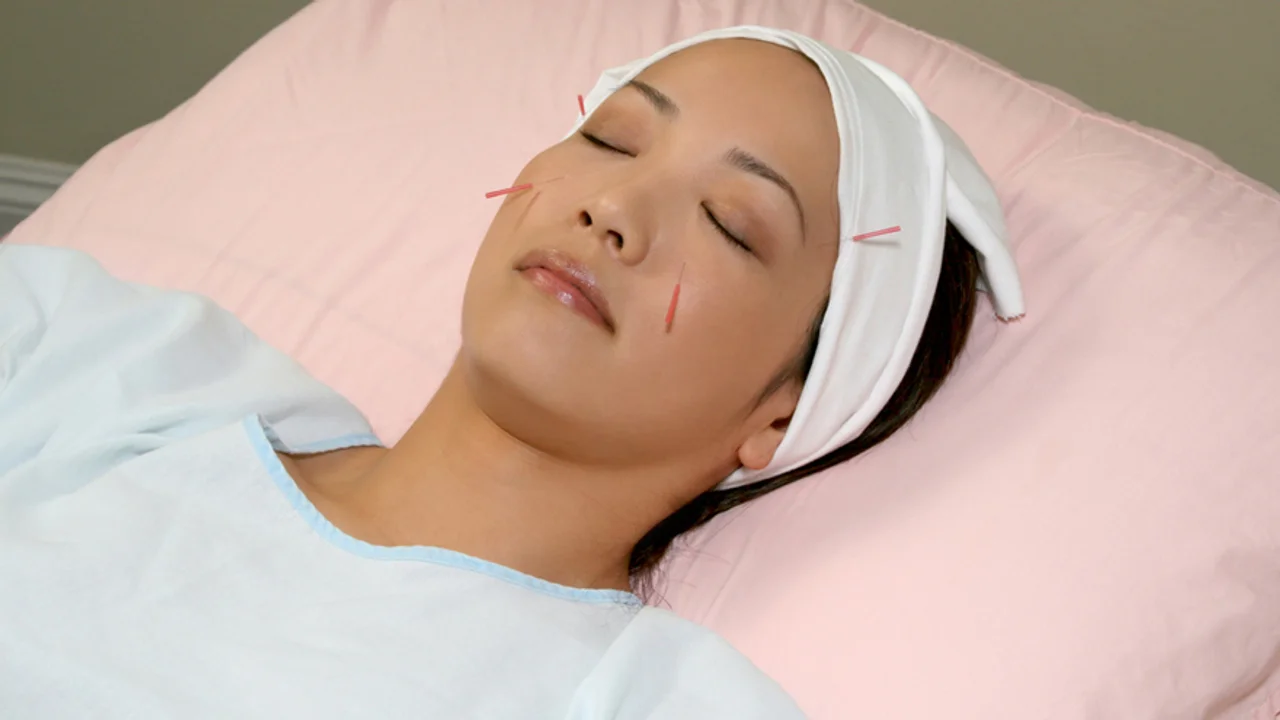
Is Acupuncture the Key to Finally Beating Persistent Pain?
Discover how acupuncture may help relieve chronic pain naturally. Explore its benefits, effectiveness, and if it's right for you. Learn more today!
Learn More