Personalized Korean Medicine & Weight Management in Gangnam, Seoul · International Patient Concierge


Medical Guide
Postpartum Depression Support: A Korean Medicine Guide
Postpartum depression support at a Korean medicine clinic: how Arine's complementary care works alongside professional mental-health treatment.
Schedule a ConsultationPostpartum Depression Support at a Korean Medicine Clinic: A Guide
Medically reviewed by Dr. Chae Seung-seok, KMD, Chief Director, Arine Korean Medicine Clinic · Last updated July 2026
If you are a new parent looking into postpartum depression Korean medicine support, this guide is meant to be honest, warm, and clear. It explains what postpartum depression is, how a Korean medicine clinic like Arine approaches postpartum mood support, and — most importantly — where the firm limits of that support lie. The single most important message comes first and never changes: postpartum depression is a serious, recognized medical condition, and Korean medicine support is complementary only. It is not a substitute for evaluation and treatment by a qualified mental-health professional.
Please Read This First: A Safety Note
Before anything else, if you are having thoughts of harming yourself or your baby, or if your symptoms feel severe or overwhelming, you need immediate professional help — not herbal treatment alone. Contact emergency services or a crisis line right away. In the United States, you can call or text 988 to reach the Suicide and Crisis Lifeline. This is not a moment for self-management or for waiting; it is a moment to reach a professional immediately. Any responsible clinic will tell you the same thing and will help direct you to appropriate care.
What Postpartum Depression Is
Postpartum depression is a recognized clinical condition. It is more than the short-lived "baby blues" that many parents feel in the first days after birth. It typically begins within about four to six weeks after delivery, though it can start at other points, and it involves symptoms such as:
- Persistent low mood and anxiety
- Sleep disturbance beyond the normal demands of a newborn
- Changes in appetite or weight
- Reduced motivation or difficulty concentrating
- Feelings of guilt or of not being "enough"
In more severe cases, it can involve thoughts of self-harm, which require urgent professional attention. Postpartum depression is common, it is not a personal failing, and it is treatable. Naming it plainly is part of removing the stigma that keeps too many parents silent.
The Primary Pathway: Professional Mental-Health Care
The main, evidence-based pathway for postpartum depression is professional mental-health care. Organizations such as the National Institute of Mental Health (NIMH) and the American College of Obstetricians and Gynecologists (ACOG) describe effective treatment as centering on therapy (such as talk therapy or counseling) and, where clinically indicated, medication — coordinated with your obstetric and mental-health providers.
This is the foundation. Everything else, including any complementary support, sits around this pathway rather than in place of it. If you take only one thing from this guide, let it be this: start with, or stay connected to, professional mental-health care.
Where Korean Medicine Fits — Complementary Only
Arine lists postpartum-depression-related support among its Women's Health services, framed within a Korean medicine approach. It is essential to be exact about what that means. Korean medicine support for postpartum mood symptoms is complementary. It is explicitly not a substitute for psychiatric or psychological evaluation and treatment.
In general Korean medicine practice, support for postpartum mood and energy symptoms may involve constitution-based herbal support combined with lifestyle guidance. The clinic has not published a specific protocol for this service, so this guide does not invent one. What can be described accurately is the consultation and assessment process the clinic follows, and the firm principle that severe cases are not managed by herbal treatment alone.
You can see how this service sits within the clinic's broader Women's Health offerings at Arine Korean Medicine Clinic.
Who This Kind of Support May and May Not Suit
Being honest about fit is part of responsible care.
- May be appropriate as a complement: postpartum parents with mild mood, energy, or sleep symptoms who are also connected with appropriate mental-health screening and support.
- Not appropriate for herbal support alone: anyone experiencing severe depressive symptoms, or any thoughts of self-harm or of harming the baby. These situations require immediate professional mental-health evaluation, and a responsible clinic should refer out right away.
In other words, complementary support is something that can sit alongside professional care for milder symptoms — never a stand-in for urgent care when symptoms are severe.
What the Consultation Process Looks Like
Arine's described consultation process for postpartum mood support is thorough and, importantly, includes safety-minded steps. Based on the clinic's own account, it involves:
- A one-on-one consultation to discuss your emotional well-being, symptoms, concerns, and recovery goals after childbirth.
- Submitting your medical history, postpartum health information, current symptoms, and treatment goals through the clinic's online enquiry process before your appointment.
- A comprehensive assessment of your physical and mental health, obstetric history, lifestyle, sleep patterns, current medications, and any previous history of depression, anxiety, or other mental-health conditions.
- A personalized evaluation of symptom severity and contributing factors.
- Screening using appropriate clinical assessment tools when indicated.
- Individualized recommendations, which may include lifestyle guidance and, importantly, referrals to mental-health specialists and coordination with medication or other care when appropriate.
- A clear explanation of the care plan, follow-up, and available support resources before anything begins.
Two features of this process deserve emphasis: it looks specifically for red flags and prior history, and it explicitly includes referral to mental-health specialists. That referral pathway is exactly what a complementary service should offer.
Keeping the Herbal Specifics General — and Honest
You may notice this guide does not describe a specific herbal formula, dosage, or outcome data for postpartum mood support. That is deliberate. The clinic has not published those specifics, and inventing them would be irresponsible for a condition this serious. What is fair to say is general and grounded:
- Herbal preparations in this category are traditional-use products and are not FDA-evaluated as treatments for depression.
- No herbal medicine treats, cures, or is proven for depression, and no efficacy claims should be made.
- "Natural" does not mean risk-free; herbs can interact with medications, so disclose everything you take to every provider, including anything prescribed for your mood.
The role of complementary support here is modest and supportive — never a treatment claim.
How to Get Started Safely
If you are considering complementary support, the safest sequence keeps professional care at the center:
- Make sure you are connected with obstetric and mental-health care, or begin that step first.
- If symptoms are severe, or if there are any thoughts of self-harm, seek immediate professional help before anything else.
- Bring a complete medication and supplement list to any consultation.
- Ask directly how the clinic screens for severe symptoms and when it refers out.
International patients can ask about English-language consultations and remote follow-up, and can raise their situation through the Arine contact page. If a service is right for you, it should welcome your questions about safety and referral.
Postpartum Depression vs the "Baby Blues"
Part of getting the right help is recognizing what you are experiencing. Many parents feel tearful, overwhelmed, or emotionally raw in the first days after birth — often called the "baby blues." These feelings are common and usually ease on their own within about two weeks.
Postpartum depression is different. It tends to be more persistent, more intense, and more disruptive to daily life, and it typically begins within about four to six weeks after delivery, though it can start at other times. If low mood, anxiety, sleep problems, or a sense of guilt continue beyond the first couple of weeks, deepen, or start to interfere with caring for yourself or your baby, that is a reason to reach out to a professional. You do not have to wait for symptoms to reach a certain threshold before asking for help — earlier is better.
Who Provides This Care and What It Means
For US patients, it is fair to ask who is involved and what their role is. At Arine, care is provided by licensed Korean Medicine Doctors. The Chief Director, Dr. Chae Seung-seok, is a licensed Korean Medicine Doctor (KMD) in South Korea and a graduate of the College of Korean Medicine at Kyung Hee University, with more than a decade of clinical experience. A KMD is a nationally licensed practitioner of Korean medicine in Korea, which is different from a US-licensed physician; the clinic does not claim US board certification.
This distinction matters here more than almost anywhere else. Because postpartum depression is a serious mental-health condition, its diagnosis and treatment belong with qualified mental-health and obstetric professionals. A Korean medicine clinic can offer complementary support and, importantly, can refer you to mental-health specialists — but it is not a replacement for that professional care.
Gentle, Practical Support Alongside Professional Care
While professional care does the central work, general self-care and support can sit alongside it and help you feel a little more steady. None of these replace treatment, but they are widely encouraged:
- Accept help with practical tasks so you can rest when possible.
- Protect sleep where you can, since exhaustion makes everything harder.
- Stay connected with people you trust, and let them know how you are really doing.
- Keep your appointments with obstetric and mental-health providers.
- Be patient and kind with yourself; recovery is a process, not a switch.
If complementary support is part of your plan, treat it as one gentle layer among these, always with professional care at the center. You can learn more about the clinic's services at Arine Korean Medicine Clinic.
The Bottom Line
More Articles
Continue reading clinical guides from Arine Korean Medicine Clinic.
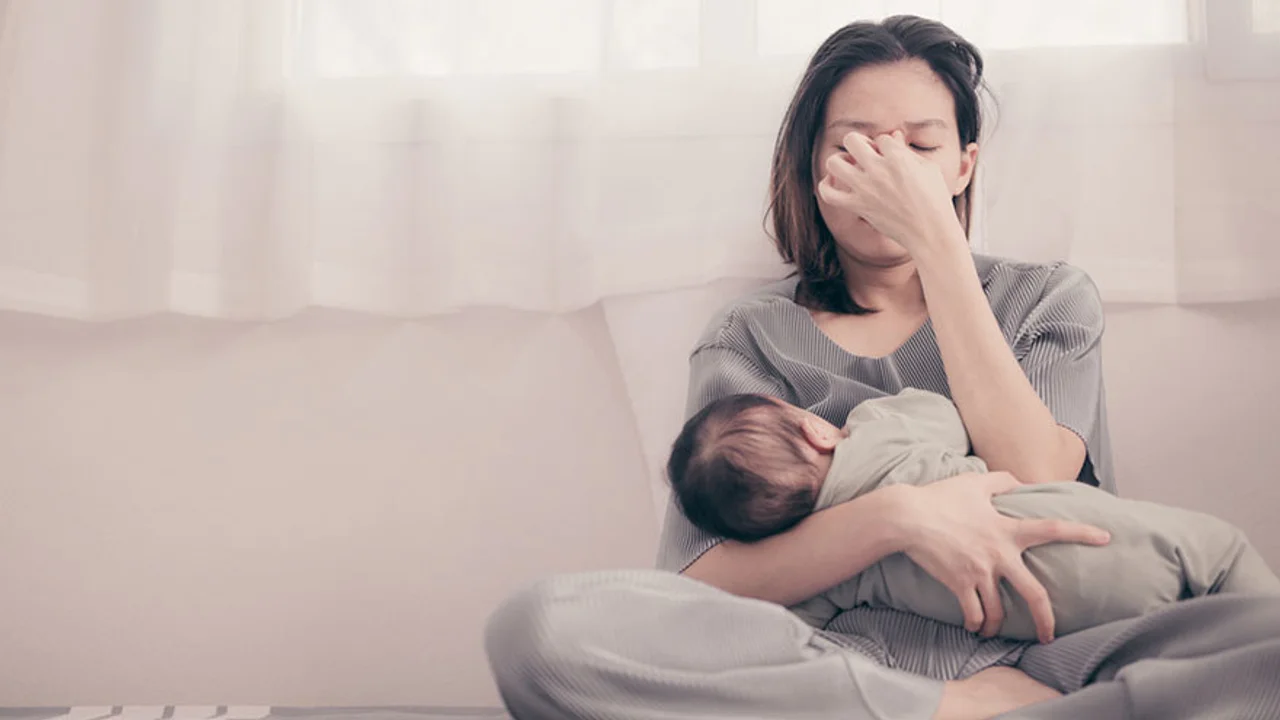
Postpartum Swelling? How Korean Medicine Can Help You Heal Faster
Discover how Korean medicine reduces postpartum swelling and speeds up recovery naturally. Learn proven remedies for faster healing after childbirth.
Learn More

How Keep Sticks Help You Stick to Your Weight Loss Goals
Discover how Korean medicine reduces postpartum swelling, speeds healing, and restores balance naturally. Learn more about holistic recovery today!
Learn More
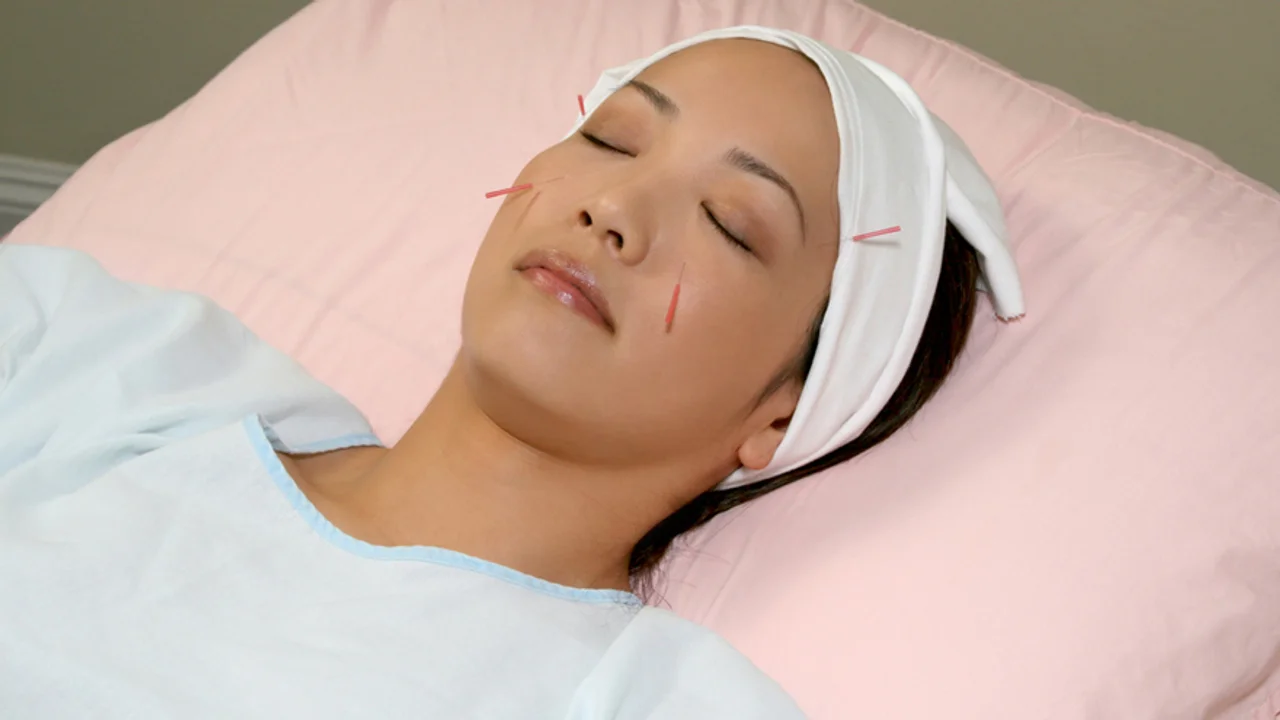
Is Acupuncture the Key to Finally Beating Persistent Pain?
Discover how acupuncture may help relieve chronic pain naturally. Explore its benefits, effectiveness, and if it's right for you. Learn more today!
Learn More