Personalized Korean Medicine & Weight Management in Gangnam, Seoul · International Patient Concierge


Medical Guide
Postpartum Depression Safety: Herbal Support Limits
Postpartum depression safety: when complementary herbal support may help, when you need professional care, and how a Korean medicine clinic sets limits.
Schedule a ConsultationPostpartum Depression: When Herbal Support Helps and When You Need More
Medically reviewed by Dr. Chae Seung-seok, KMD, Chief Director, Arine Korean Medicine Clinic · Last updated July 2026
When it comes to postpartum depression safety Korean medicine can play only a limited, complementary role — and knowing where that role ends is more important than knowing where it begins. This article is a safety-forward guide for new parents and their families. It draws a clear line between mild postpartum mood and energy symptoms, where complementary herbal support may sometimes help alongside professional care, and severe symptoms, which require immediate professional mental-health care. Throughout, one message holds: postpartum depression is a serious, recognized medical condition, and herbal support is never a substitute for evaluation and treatment by a qualified mental-health professional.
Read This First: If You Are in Crisis
If you are having thoughts of harming yourself or your baby, or if your symptoms feel severe or unbearable, please get immediate professional help now. Do not wait, and do not try to manage this with herbal treatment alone. Contact emergency services or a crisis line right away. In the United States, you can call or text 988 to reach the Suicide and Crisis Lifeline, available 24 hours a day. Reaching out is a sign of strength and good parenting, not weakness. The rest of this article can wait; your safety cannot.
Why This Article Exists
Most content about postpartum mood support focuses on what a treatment might do. This one focuses on something more important for a serious condition: knowing when a complementary approach is reasonable and when it is not nearly enough. That distinction protects you. It is easy, in the exhaustion and emotion of new parenthood, to reach for something gentle and hope it will be enough. Sometimes gentle support has a place. Other times, the responsible and loving choice is to escalate quickly to professional care. Learning to tell the difference is the whole point of this guide.
We will keep the herbal specifics general on purpose. For a condition this serious, it would be irresponsible to promise outcomes or describe a protocol that has not been published. What we can offer is a clear framework, grounded in the clinic's own stated approach and in guidance from the National Institute of Mental Health (NIMH) and the American College of Obstetricians and Gynecologists (ACOG).
What Postpartum Depression Is — and Is Not
Postpartum depression is a recognized clinical condition, not a character flaw and not simply "being tired." It is different from the short-lived "baby blues," which many parents feel in the first days after birth and which usually eases on its own within a couple of weeks.
Postpartum depression typically begins within about four to six weeks after delivery, though it can appear at other times, and it involves symptoms such as:
- Persistent low mood, sadness, or emptiness
- Anxiety, worry, or a sense of dread
- Sleep disturbance beyond the normal demands of a newborn
- Changes in appetite or weight
- Reduced motivation, energy, or ability to concentrate
- Feelings of guilt, worthlessness, or of not being a good enough parent
- Difficulty bonding with or feeling connected to the baby
In more severe cases, it can involve thoughts of self-harm, which require urgent professional attention. Postpartum depression is common and treatable. Saying that plainly is part of removing the stigma that keeps so many parents from asking for help.
The Line: Mild Symptoms vs Symptoms That Need More
The core of this article is a distinction. Read it carefully, and when in doubt, choose more care rather than less.
Where complementary support may have a place
For mild mood, energy, or sleep symptoms in a parent who is also connected with appropriate mental-health screening and supportcomplementary approaches such as constitution-based herbal support and lifestyle guidance may sometimes be used alongside professional care. The key words are mild, alongside, and connected with support. Complementary care in this situation is a layer added on top of a solid foundation of professional attention, not a replacement for it.
Where you need professional care immediately
You need immediate professional mental-health evaluation not herbal treatment alone, if you experience any of the following:
- Any thoughts of harming yourself or your baby
- Thoughts that your family would be better off without you
- Severe or rapidly worsening symptoms
- Inability to sleep at all, or to care for yourself or your baby
- Feeling disconnected from reality, seeing or hearing things others do not, or having frightening or intrusive thoughts you cannot control
- A sense of hopelessness that will not lift
Any of these is a signal to escalate right away. A responsible clinic will refer out immediately in these situations, and so should you. This is not the moment for a gentle, wait-and-see approach.
The Primary Pathway Is Professional Care
For postpartum depression, the main, evidence-based pathway is professional mental-health care. NIMH and ACOG describe effective treatment as centered on therapy such as talk therapy or counseling and, where clinically indicated, medication, coordinated with your obstetric and mental-health providers. Support from family, partners, and community matters too, but the clinical backbone is professional care.
Complementary approaches, including anything offered by a Korean medicine clinic, sit around this pathway rather than in place of it. If you remember nothing else, remember the order: professional mental-health care first and always; complementary support only as an optional, additional layer for milder symptoms.
Where a Korean Medicine Clinic Fits
Arine Korean Medicine Clinic lists postpartum-depression-related support among its Women's Health services, framed within a Korean medicine approach. To be precise about what that means: this support is complementary, and it is explicitly not a substitute for psychiatric or psychological evaluation and treatment. Korean medicine does not treat, cure, or claim proven results for depression, and no efficacy claims should be made.
In general Korean medicine practice, support for postpartum mood and energy symptoms may involve constitution-based herbal support combined with lifestyle guidance. The clinic has not published a specific protocol, formula, or outcome data for this service, and this guide does not invent them. What can be described fairly is the clinic's consultation and assessment process, and the safeguards built into it. You can see how the service fits within the clinic's broader Women's Health offerings at Arine Korean Medicine Clinic.
A Consultation Built With Safeguards
Arine's described consultation process for postpartum mood support is notable for looking specifically for warning signs and for including a referral pathway. According to the clinic's own account, it involves:
- A one-on-one consultation to discuss your emotional well-being, symptoms, concerns, and recovery goals after childbirth.
- Submitting your medical history, postpartum health information, current symptoms, and treatment goals through the clinic's online enquiry process before your appointment.
- A comprehensive assessment of your physical and mental health, obstetric history, lifestyle, sleep patterns, current medications, and any previous history of depression, anxiety, or other mental-health conditions.
- A personalized evaluation of how severe your symptoms are and what may be contributing to them.
- Screening using appropriate clinical assessment tools when indicated.
- Individualized recommendations, which may include lifestyle guidance and, importantly, referrals to mental-health specialists, along with coordination with medication or other care when appropriate.
- A clear explanation of the care plan, follow-up, and available support resources before anything begins.
Notice what this process does: it asks about prior mental-health history, it screens for severity, and it explicitly includes referral to mental-health specialists. Those are exactly the features a complementary service should have. If you ever feel a clinic is minimizing severe symptoms or discouraging professional care, treat that as a serious red flag and seek professional help elsewhere.
Questions That Help You Escalate at the Right Time
Use these to check yourself and to guide conversations with your care team and loved ones:
- Are my symptoms mild and stable, or are they severe or getting worse?
- Am I connected with professional mental-health care right now?
- Have I had any thoughts of harming myself or my baby, even fleeting ones?
- Can I sleep, eat, and care for myself and my baby?
- Would the people who love me be worried if they knew how I actually feel?
If the honest answers point toward severity, isolation, or any thoughts of self-harm, that is your cue to reach professional help immediately rather than to try a gentler route first.
Keeping Herbal Support Honest and Safe
Because this is a serious condition, honesty about the limits of herbal support matters more than usual. A few grounded points:
- Herbal preparations in this category are traditional-use products and are not FDA-evaluated as treatments for depression.
- "Natural" does not mean risk-free. Herbs can interact with medications, including anything prescribed for your mood. Always tell every provider everything you take.
- No herbal medicine treats or cures depression, and results are never guaranteed.
- Complementary support, at most, plays a modest role for milder symptoms and only alongside professional care.
If you are breastfeeding or taking any medication, disclosure becomes even more important, because interactions and safety considerations must be weighed by qualified providers. When in doubt, ask, and keep your prescribing physician and mental-health provider in the loop.
How Families and Partners Can Help
Postpartum depression is easier to catch and treat when the people nearby are paying attention. If you are a partner, family member, or friend:
- Take changes in mood, sleep, and behavior seriously, and ask gently and directly how the new parent is really doing.
- Help with practical tasks so rest and appointments are possible.
- Offer to help make and attend appointments with professional providers.
- Know the warning signs above, and if any appear, help the person get immediate professional help rather than waiting.
- Never dismiss talk of self-harm as "just venting." Treat it as an emergency and contact a crisis line or emergency services.
Support at home does not replace professional care, but it can be the bridge that gets someone to it in time.
Planning Care as an International Patient
More Articles
Continue reading clinical guides from Arine Korean Medicine Clinic.
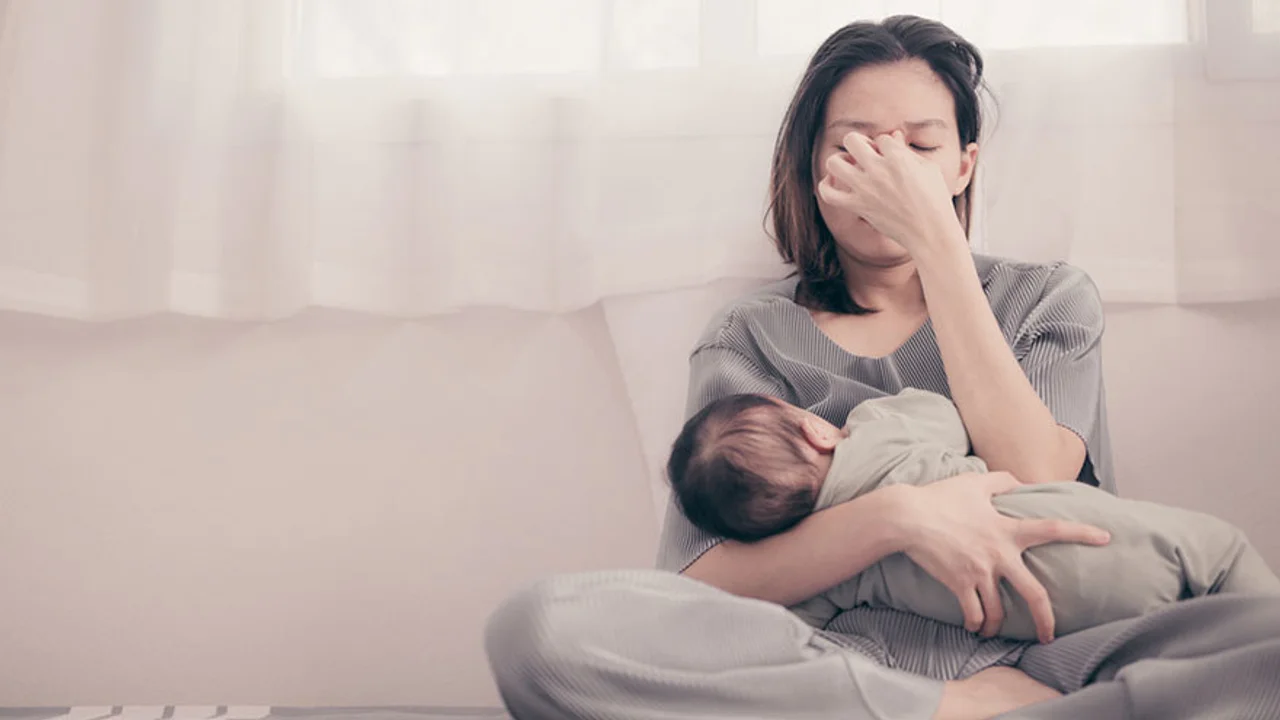
Postpartum Swelling? How Korean Medicine Can Help You Heal Faster
Discover how Korean medicine reduces postpartum swelling and speeds up recovery naturally. Learn proven remedies for faster healing after childbirth.
Learn More

How Keep Sticks Help You Stick to Your Weight Loss Goals
Discover how Korean medicine reduces postpartum swelling, speeds healing, and restores balance naturally. Learn more about holistic recovery today!
Learn More
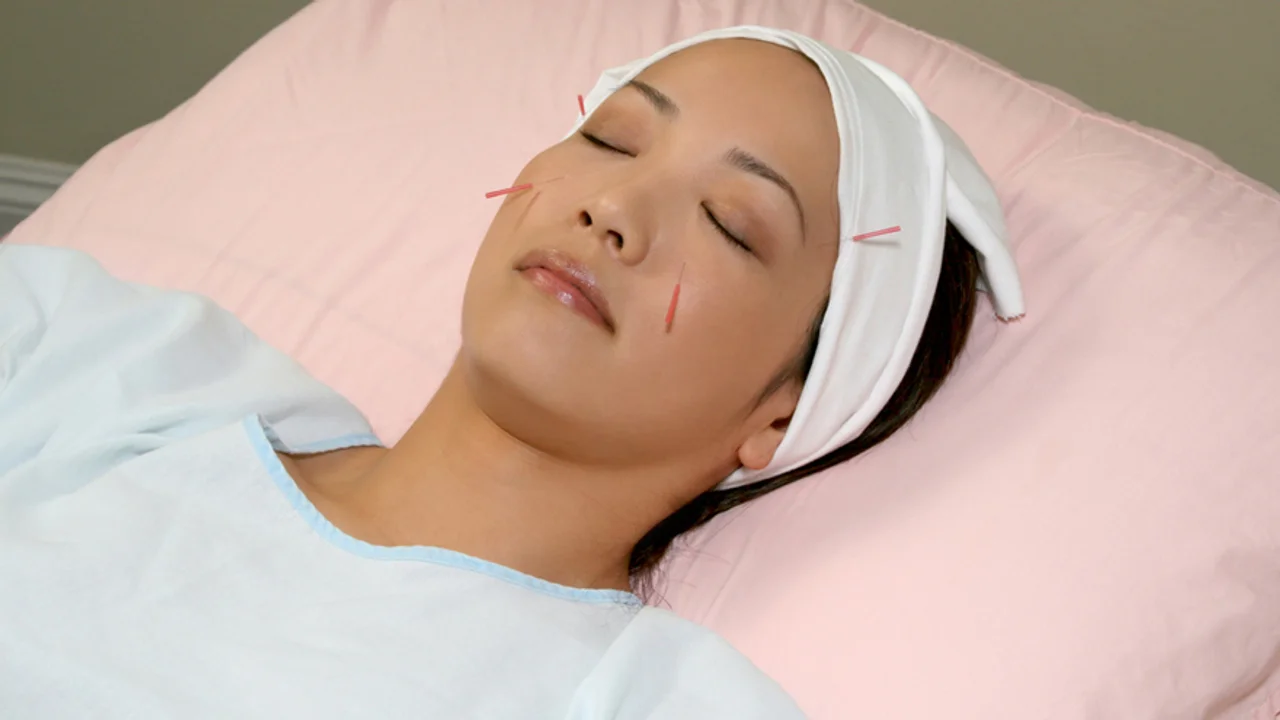
Is Acupuncture the Key to Finally Beating Persistent Pain?
Discover how acupuncture may help relieve chronic pain naturally. Explore its benefits, effectiveness, and if it's right for you. Learn more today!
Learn More