Personalized Korean Medicine & Weight Management in Gangnam, Seoul · International Patient Concierge


Medical Guide
Postpartum Care: Should You Try Acupuncture or Herbal Therapy?
Explore postpartum care options with acupuncture and herbal therapy. Discover their benefits for recovery, balance, and well-being. See if they’re right for you!
Schedule a Consultation
Having a baby brings immense joy — and profound change. Physically, emotionally and metabolically your body is in transition. What people often overlook is that the weeks and months after birth (often called the “fourth trimester”) are a foundation for your longterm health. At our clinic, Arine Korean Medicine Clinic in Gangnamgu, we see many women who assumed they’d “just bounce back” but later find persistent fatigue, low back/hip pain, hormonal imbalances, or emotional fragility.
In that context you might be wondering: Should I try acupuncture or herbal therapy during the postpartum period? The short answer: yes, both may help — but the key is targeted, personalised care and being realistic about what current evidence supports. I’ll walk through the “what,” the “why,” and the “how” (from our clinic’s perspective), so you can make an informed decision.
What are we talking about?
Acupuncture
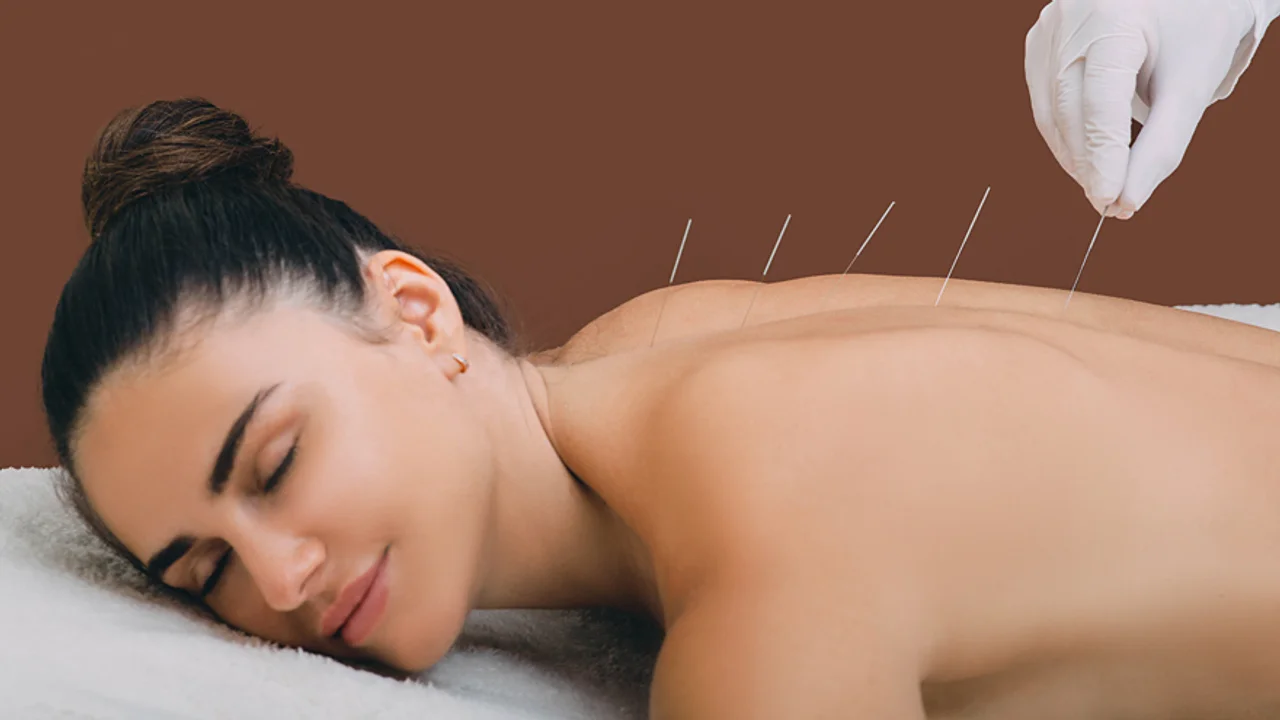
In the context of postpartum care, by acupuncture I mean treatments like fineneedle insertion at specific points, often to regulate circulation, reduce pain or tension, support hormonal balance, and sometimes to assist lactation or mood. For example, some research has shown that acupuncture may help increase milk secretion in women with low milk supply.
Herbal therapy
This refers to the use of botanical decoctions, pills or extracts (within traditional Korean medicine) tailored to your postpartum state — for example to support uterine recovery, improve circulation, reduce "wind" symptoms (in the Korean term “sanhupung"), alleviate musculoskeletal discomfort, or help your body shift back into balance.
Why consider them?
In our clinic’s experience and from the literature, here are key reasons why these approaches may be worthwhile:
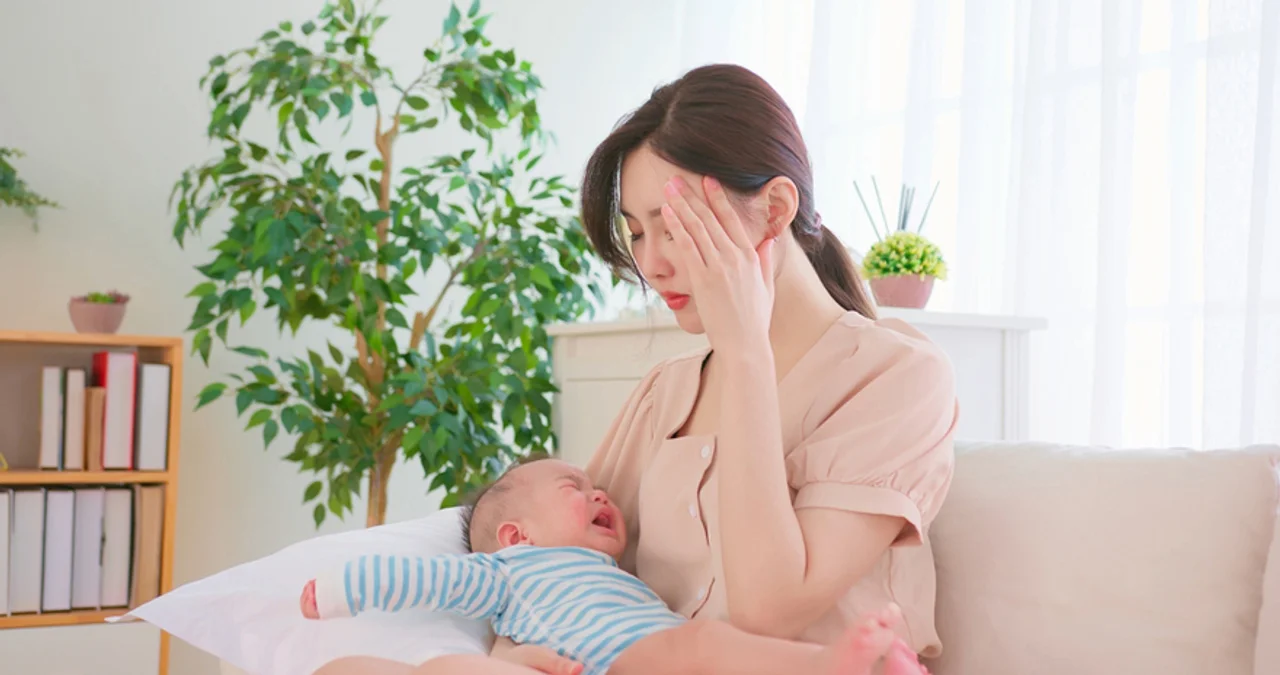
Body is vulnerable postpartum – After delivery your body has undergone dramatic change: hormonal shifts, physical strain from labour and delivery, altered posture (carrying baby, feeding), possible surgical recovery (Csection), and often reduced sleep. The first 6–8 weeks are especially critical.
Traditional postpartum risks – In Korean medicine there’s the concept of “sanhupung" meaning a set of aftereffects of childbirth if recovery is incomplete: pain, fatigue, chills, poor circulation, delayed uterine involution.
Holistic benefits – Acupuncture may relieve pain, support mood and perhaps lactation. Herbal therapies may help pain, circulation, and general recovery.
Patient satisfaction – A Korean study reported about 76% satisfaction from women using herbal decoctions for postpartum care, with improvements in symptoms like weight gain, delayed lochia elimination, and general discomfort.
Safe when supervised – Studies suggest herbal therapy in postpartum settings is safe under Korean medicine supervision, though more data are needed.
Because our clinic integrates traditional Korean medicine with modern understanding, we view these therapies not as "alternative" but as complementary tools within a comprehensive postpartum plan.
How they compare and what to ask
Here’s a practical comparison (from our perspective) and questions you should ask when choosing:
Feature | Acupuncture | Herbal therapy |
|---|---|---|
Typical target symptoms | Musculoskeletal pain (low back, hips), tension, mood support, lactation support | Circulation and tissue recovery, uterine involution, fatigue, “wind” discomfort, pain, general tonic effect |
Supporting evidence | Some evidence for lactation support; limited for mood disorders | More evidence for pain and recovery support in postpartum women in Korean studies; still evolving |
Safety concerns | Need trained practitioner; modest risk of soreness, minor bleeding, rarely infection | Need correct prescription, quality control of herbs; possible interactions with medications, especially while breastfeeding |
Integration with other care | Easy to integrate as complementary; schedule matters | Requires assessment of constitution, postpartum stage, diet, and lifestyle adjustments |
What clinic should offer you | Clear consultation, personalised acupoint plan, adjust for Csection/recovery status | Tailored formula, based on your constitution and postpartum phase, with dosage and usage guidance |
Questions to ask your practitioner:
How will my delivery type affect my treatment plan?
How many sessions are typically needed?
Are the herbs safe for breastfeeding?
What outcomes will we monitor?
How does this fit with diet, rest, and other postpartum care elements?
A realistic, integrated plan (how we view it at Arine)
Here’s how we might structure care at our clinic, combining acupuncture, herbal therapy, and lifestyle support:
Initial assessment (within first 2–4 weeks)
Review delivery details, physical condition, sleep and feeding patterns, and emotional state.
Evaluate symptoms of “sanhupung”, fatigue, circulation, and recovery pace.
Acupuncture sessions
Begin weekly or biweekly treatments if pain or tension is present.
Choose acupoints relevant to your presentation.
Monitor outcomes like pain reduction, posture, sleep quality, and comfort during feeding.
Herbal therapy plan
Start a personalised herbal prescription after the first postpartum week, adjusting every 2–4 weeks.
Ensure compatibility with breastfeeding and other medications.
Track fatigue levels, uterine recovery, circulation, and energy.
Lifestyle & diet support
Encourage warm, nutrientrich foods, good rest, and emotional support.
Recommend gentle movement for pelvic and core recovery.
Provide emotional support or refer to specialists as needed.
Reassessment at 8–12 weeks
Evaluate pain, mood, energy, feeding comfort, and recovery progress.
Decide if continued care or a shift to maintenance is needed.
When to choose one or both
If your main complaint is pain: acupuncture may be the initial focus.
If your issues are fatigue or poor circulation: herbal therapy may be prioritized.
For multiple issues: a combined approach is often most effective.
If you're breastfeeding and want to avoid pharmaceuticals: both can offer gentle, natural support under supervision.
What the evidence says (and what to be cautious about)
Acupuncture has some support for lactation and pain, while herbal therapy shows benefits for pain relief and postpartum recovery. However, studies often have small sample sizes and are regionally focused, so it’s crucial to work with experienced professionals who tailor care to your specific needs.
Our recommendation
If you’re in the postpartum phase and wondering what to do next, here’s what we recommend at Arine Korean Medicine Clinic:
Don’t delay care. Many women feel fine initially but face lingering issues later.
Choose a clinic with certified Korean medicine doctors who offer integrated, ongoing care.
Expect a plan, not a quick fix. Think of postpartum recovery like reshaping a sculpture or tuning an instrument.
Track progress: improvements in pain, sleep, mood, feeding, and energy should be visible in a few weeks.
Know when to escalate: serious symptoms like excessive bleeding, infection, severe depression, or lactation failure need coordinated medical care.
Final thought
To be honest: There’s no magic bullet. But what we see every day at our clinic is that when postpartum care is delayed or neglected, the long-term consequences are much harder to reverse. Acupuncture and herbal therapy aren’t quick fixes — they’re part of a thoughtful recovery process. If you’re considering these options, make sure you’re working with professionals who understand the full postpartum picture and can guide you holistically. That’s what we do every day at Arine Korean Medicine Clinic.
More Articles
Continue reading clinical guides from Arine Korean Medicine Clinic.

Postpartum Swelling? How Korean Medicine Can Help You Heal Faster
Discover how Korean medicine reduces postpartum swelling and speeds up recovery naturally. Learn proven remedies for faster healing after childbirth.
Learn More

How Keep Sticks Help You Stick to Your Weight Loss Goals
Discover how Korean medicine reduces postpartum swelling, speeds healing, and restores balance naturally. Learn more about holistic recovery today!
Learn More
Is Acupuncture the Key to Finally Beating Persistent Pain?
Discover how acupuncture may help relieve chronic pain naturally. Explore its benefits, effectiveness, and if it's right for you. Learn more today!
Learn More