Personalized Korean Medicine & Weight Management in Gangnam, Seoul · International Patient Concierge

Medical Guide
Post-Surgery Swelling? Speed Up Recovery with Herbal Swelling Management
Dealing with post-surgery swelling? Discover how herbal remedies can naturally reduce inflammation and speed up recovery. Try this holistic approach today!
Schedule a ConsultationEvery incision the surgeon makes sets off more than just a physical change — it triggers a cascade of signals within your body. You might notice warmth, firmness, or puffiness around the surgical site. This is post‑surgery swelling, and while it’s a natural part of healing, for many people it becomes the most uncomfortable and frustrating part of recovery. What people often overlook is that swelling isn’t just water trapped under the skin — it’s a complex inflammatory process involving immune cells, chemical messengers, and circulatory changes. And that’s exactly where herbal swelling management can make a meaningful difference.
To be honest, most patients arrive at our clinic after trying ice packs and rest, only to find the discomfort lingers. If you’re wondering whether swelling is serious — you’re not alone. Knowing why swelling happens and how to support your body beyond conventional measures can make the difference between weeks of discomfort and a smoother, faster recovery.
Why Swelling Happens After Surgery
When your body detects tissue injury — whether from a surgical incision or deeper manipulation — it mobilizes a response designed to protect and repair:
Increased blood flow brings nutrients and oxygen to damaged tissues.
Immune cells enter the scene to clear debris and guard against infection.
Fluid accumulates as vessels become more permeable to support healing.
Together, these create visible swelling, warmth, and sometimes a feeling of tension or pressure around the site. It’s your body’s emergency response unit — efficient, but often overenthusiastic.
The challenge after surgery is not to eliminate swelling entirely — that would impair healing — but rather to gently guide it toward resolution. That’s where thoughtful herbal management offers an advantage: it works with your body’s innate processes rather than suppressing them.
Traditional Approach: What Works — and What Falls Short

Standard medical advice after surgery typically includes:
Rest and elevation
Cold therapy
Compression garments
Anti‑inflammatory medications
These strategies are effective up to a point, but they aren’t tailored to individual healing rhythms. Pills like NSAIDs (ibuprofen, naproxen) reduce inflammation, but they can also interfere with necessary immune signaling and may have side effects on the stomach and kidneys. Ice reduces blood flow, which dulls swelling — but too much cold can also delay the arrival of key healing cells.
Many people ask: Can herbs really make a difference? The answer is yes — when selected and applied properly. Unlike one‑size‑fits‑all drugs, whole herbs offer a suite of compounds that interact with the body’s inflammatory pathways in nuanced ways.
The Herbal Philosophy: Supporting Balance, Not Suppression
In traditional Korean herbal medicine, swelling isn’t seen as a villain to be vanquished at all costs. It’s part of a dynamic healing ecosystem. The goal is to help the body resolve inflammation efficiently and move fluid intelligently, so tissues recover strength and function without lingering puffiness.
This perspective focuses on:
Promoting microcirculation so fluid doesn’t stagnate
Modulating immune signals so inflammation resolves at the right time
Supporting lymphatic drainage which clears excess fluid
Reducing oxidative stress that can perpetuate swelling
Let’s look at some herbs that do exactly this — not just theoretically, but in practice.
Key Herbal Allies for Post‑Surgery Swelling
1. Turmeric (Curcuma longa)
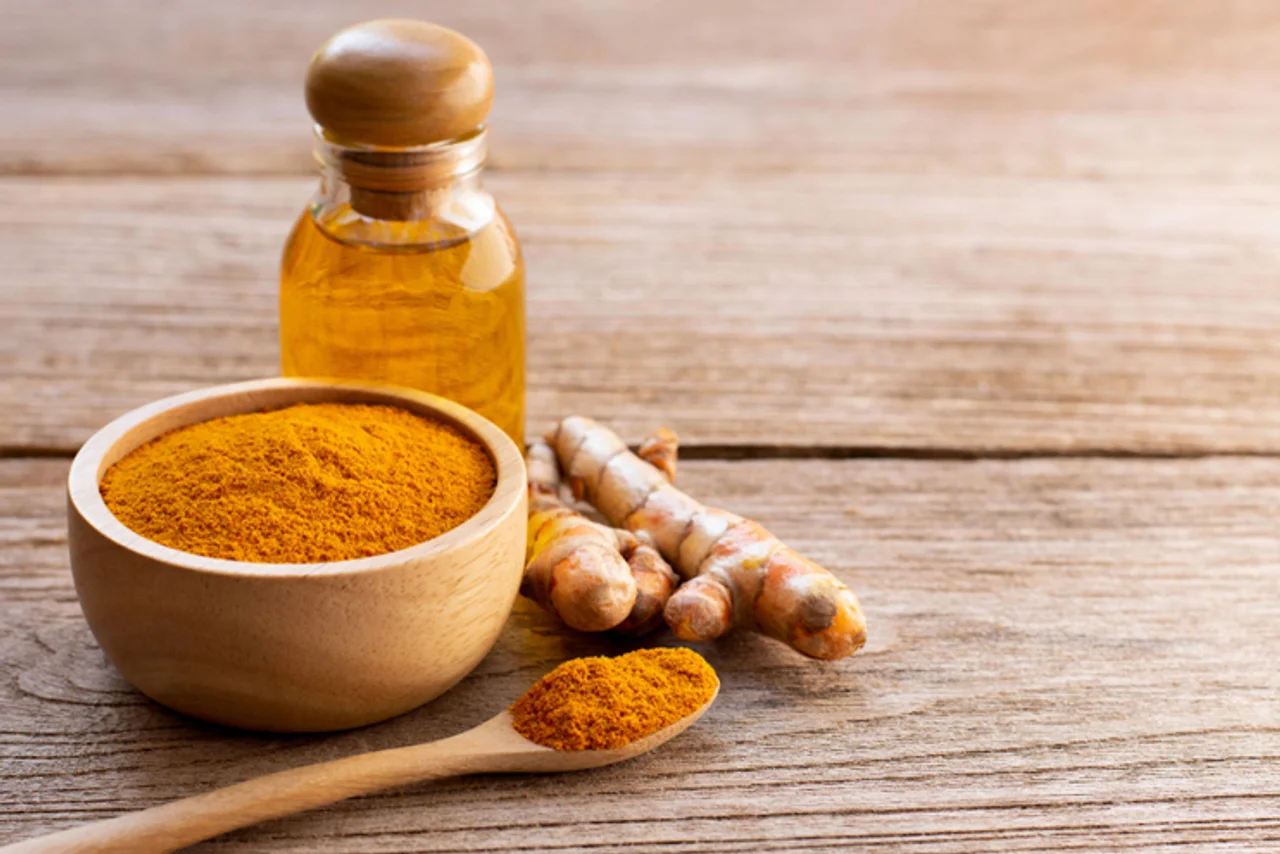
Turmeric’s active compound, curcumin, is well‑studied for its ability to modulate inflammatory pathways. It doesn’t block inflammation outright — instead, it shifts the balance toward resolution, helping cells finish their cleanup phase and return tissues to normal.¹
How it helps post‑surgery:
Supports healthy cytokine balance
Reduces oxidative stress
Enhances lymphatic function
2. Red Peony Root (Paeoniae Radix)
Used for centuries in East Asian medicine, red peony helps with blood circulation and fluid balance. It specifically targets areas where Qi and blood stagnation contribute to swelling and stiffness.
What it does:
Encourages circulation without overheating tissues
Helps reduce localized edema
Soothes discomfort from tension or tightness
3. Jujube (Ziziphus jujuba)
More than a tasty fruit, jujube nourishes the blood and harmonizes the body’s stress responses. After surgery, when stress hormones are elevated, jujube helps the body return to baseline more smoothly.
Benefits include:
Calming nervous system
Supporting digestive resilience (important for recovery)
Helping fluid distribution
4. Houttuynia cordata
This herb is excellent for lymphatic support — a key factor in reducing post‑operative swelling. It gently encourages the drainage of excess fluid without forcing the body into extreme reactions.
5. Ginger (Zingiber officinale)
Ginger combines anti‑inflammatory action with circulatory stimulation. It’s often used in postoperative formulas to keep swelling from settling into the deeper layers of tissue.
Mechanisms:
Improves peripheral circulation
Supports healthy immune responses
Herbal Combinations: The Whole is Greater Than the Parts
In herbal medicine, we often blend herbs so they support each other’s actions — a concept known as synergy. For example, turmeric might be combined with ginger for inflammation and circulation, and red peony for blood movement and fluid balance.
At Arine Korean Medicine Clinic, we tailor these blends to your surgical context (cosmetic vs general surgery), your constitution, and how you’ve responded so far. It’s not a generic pill — it’s a formula crafted for you.
When to Start Herbal Management
Timing matters. Immediately after surgery, your body is in the acute inflammatory phase. During this window, gentle support — not aggressive intervention — is key. We typically wait until swelling has peaked (usually 24–72 hours post‑procedure) before starting tailored herbal therapy, and then adjust as healing progresses.
This prevents:
Interference with early healing signals
Over‑suppression of necessary inflammation
Side effects from inappropriate herbal intensity
Listening to your body — not rushing it — is a cornerstone of effective recovery.
Herbs + Conventional Care: A Collaborative Strategy
You don’t have to choose between conventional and herbal approaches. In fact, the best outcomes usually come from integration. Here’s how we combine them effectively:
Use ice and elevation in the first 24–48 hours
Introduce tailored herbal formulas once swelling peaks
Add light movement and lymphatic drainage techniques with professional guidance
Adjust medications and herbs collaboratively with your surgeon
This partnership helps reduce swelling without sacrificing healing strength.
What to Expect When Swelling Improves
When herbal swelling management is working with your body:
Swelling recedes gradually rather than suddenly
Tissues feel softer and more supple
Discomfort decreases without heavy sedation
Range of motion returns faster
Scarring looks smoother as tissues settle
Healing is not a race — it’s a carefully orchestrated symphony, and herbs help your body play in tune.
Safety and Practical Considerations
Even natural remedies deserve respect. Herbs can interact with medications, and not all formulas are appropriate for every individual. That’s why professional guidance matters:
We review your medications and surgical plan
We adjust formulas based on lab values and symptoms
We monitor progress and make real‑time changes
For example, herbs that promote circulation may not be ideal immediately after vascular procedures without careful oversight. A tailored plan protects you while empowering your recovery.
Real Patient Experience: A Story from the Clinic
One of our patients came to us two days after laparoscopic gallbladder surgery. They had swelling that made walking uncomfortable, disrupting sleep and appetite. Conventional advice — ice, elevation, pain meds — provided only partial relief.
We introduced a gentle herbal swelling management plan focused on lymphatic support, circulation, and immune modulation. Within 48 hours:
The swelling softened significantly
Pain decreased without additional medications
Appetite and movement improved
More than just reducing symptoms, the herbal support helped the patient feel in control of their healing again.
Everyday Tips That Complement Herbal Swelling Support

Healing thrives in regimens that honor the body’s intelligence. Alongside herbal therapy:
Hydrate well — water supports lymphatic flow
Light movement like gentle walking or stretching enhances circulation
Warm compresses after 72 hours can encourage fluid dispersion
Proper sleep helps hormones reset and inflammatory signals resolve
These aren’t quick fixes — they’re part of a holistic healing rhythm.
Is Herbal Swelling Management Right for You?
If you’re recovering from surgery and experiencing:
Persistent swelling beyond what you expected
Stiffness or prolonged discomfort
Sluggish recovery compared to peers
Concern about medications’ side effects
…then customized herbal swelling management might be a powerful ally.
A Note from Arine Korean Medicine Clinic
Recovery doesn’t have to be passive. Your body wants to heal — but sometimes it needs the right cues at the right time. Herbal swelling management isn’t about suppressing symptoms; it’s about helping your body complete its healing cycle with strength and grace.
If you’ve been struggling with post‑surgical swelling or want a smoother, more supportive recovery path, consider scheduling a consultation with us. Together, we’ll craft a plan that respects your body’s rhythms and supports you through every step of healing.
More Articles
Continue reading clinical guides from Arine Korean Medicine Clinic.

Postpartum Swelling? How Korean Medicine Can Help You Heal Faster
Discover how Korean medicine reduces postpartum swelling and speeds up recovery naturally. Learn proven remedies for faster healing after childbirth.
Learn More

How Keep Sticks Help You Stick to Your Weight Loss Goals
Discover how Korean medicine reduces postpartum swelling, speeds healing, and restores balance naturally. Learn more about holistic recovery today!
Learn More

Is Acupuncture the Key to Finally Beating Persistent Pain?
Discover how acupuncture may help relieve chronic pain naturally. Explore its benefits, effectiveness, and if it's right for you. Learn more today!
Learn More