Personalized Korean Medicine & Weight Management in Gangnam, Seoul · International Patient Concierge

Medical Guide
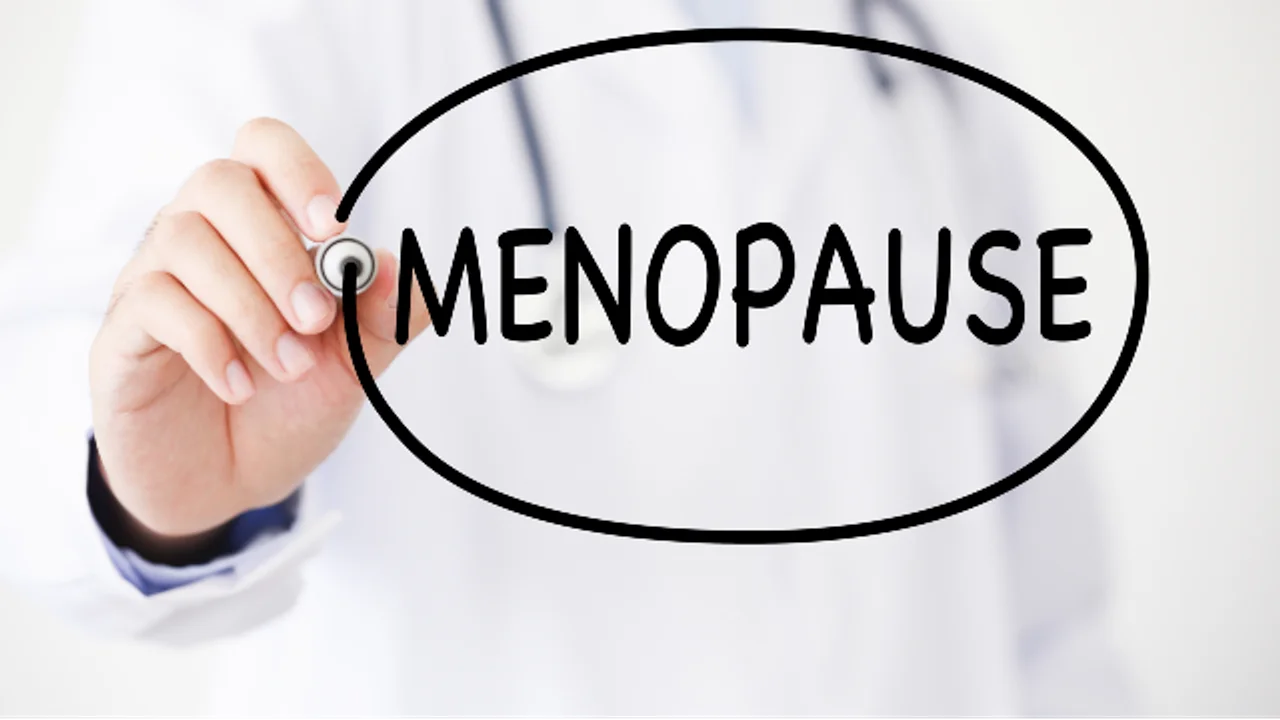
Menopause Symptoms and Korean Medicine: A Patient Guide
A patient guide to menopause symptoms and Korean medicine: how Arine's constitution-based climacteric care offers complementary, supportive care.
Schedule a ConsultationMenopause Symptoms and Traditional Korean Medicine: A Patient Guide
Medically reviewed by Dr. Chae Seung-seok, KMD, Chief Director, Arine Korean Medicine Clinic · Last updated July 2026
If you are researching menopause symptoms Korean medicine practitioners aim to support, this guide is written for you. It explains what happens during the menopause transition, how traditional Korean medicine frames those changes, and how climacteric care is offered at Arine Korean Medicine Clinic. One idea sits at the center of everything here: Korean medicine care for menopausal symptoms is complementary, supportive care. It is not a substitute for conventional medical care, and for many people the standard, well-studied option for bothersome symptoms is hormone therapy managed by a physician.
What Is Happening During Menopause
Menopause is a natural life stage, not an illness. It marks the end of menstrual cycles, and the years around it — often called perimenopause and, together, the "climacteric" — are a time of shifting hormone levels. As those levels change, many people notice symptoms that can range from mild to genuinely disruptive.
Common menopause symptoms include:
- Hot flashes and night sweats
- Disrupted or lighter sleep
- Mood changes, irritability, or low mood
- Vaginal dryness and changes in comfort
- Changes in energy, concentration, or memory
The experience is highly individual. Some people move through the transition with little disruption, while others find that symptoms affect their sleep, work, relationships, and overall well-being. There is no single "right" way to go through it, and there is no single right way to seek support.
How Korean Medicine Frames the Transition
Traditional Korean medicine does not treat menopause as a defect to be corrected. Instead, it approaches this stage as a period of change to be supported. Rather than aiming a single standard remedy at everyone, Korean medicine begins with the individual — their overall constitution, their pattern of symptoms, their sleep, digestion, energy, and lifestyle — and tailors support to that picture.
In general Korean medicine practice, climacteric care uses individualized herbal formulas aimed at supporting the body through transition symptoms such as hot flashes, night sweats, sleep disturbance, and mood changes, often paired with constitution-based dietary and lifestyle guidance. Arine lists climacteric care among its Women's Health services, alongside postpartum herbal medicine, postpartum depression support, and infertility support. You can see how it fits within the clinic's broader services at Arine Korean Medicine Clinic.
What "constitution-based" means
"Constitution-based" is a way of saying that Korean medicine looks at the whole person, not just an isolated symptom. Two people with the same complaint — say, night sweats — might receive different individualized guidance because their overall pattern, health history, and constitution differ. This is why a consultation matters: the plan is built around you, rather than pulled off a shelf.
The Most Important Point: Complementary, Not a Replacement
Before going further, one message needs to lead and stay front of mind. Korean medicine care for menopausal symptoms is complementary. It is not a substitute for standard menopause medical care.
For many people with bothersome menopausal symptoms, conventional hormone therapy (HRT) — prescribed and managed by a gynecologist or other physician — is the standard, well-studied biomedical option. Whether HRT is appropriate for you, and how to weigh its benefits and risks, is a decision for a qualified physician. A responsible Korean medicine clinic will encourage you to have that conversation, not replace it. Think of climacteric care as one possible layer of support that a patient may choose alongside conventional options — not as a competing "natural cure."
How Arine Approaches Climacteric Care
Arine confirms several specific things about its own climacteric care:
- Personalized treatment based on your individual constitution, health condition, and goals.
- Customized herbal medicine prepared with hGMP-certified herbal ingredients.
- Care provided by licensed Korean Medicine Doctors.
- Support for international patients, including English-language consultations and remote follow-up when appropriate.
Treatment duration and the number of visits are individualized following a one-on-one consultation, so there is no fixed schedule that applies to everyone. Alongside herbal medicine, care in this tradition may involve dietary guidance and, where appropriate, other Korean medicine therapies such as acupuncture. The clinic has not published a specific fixed formula, a set protocol, or outcome statistics for climacteric care, so this guide does not invent them — those details are best confirmed directly during a consultation.
What the Evidence Says — Honestly
Being a credible source means being straight about evidence. The National Center for Complementary and Integrative Health (NCCIH) describes the research on complementary approaches to menopausal symptoms as limited and mixed. Some people report benefit, but strong, consistent evidence that any specific herbal product reliably relieves menopausal symptoms is lacking, and individual responses vary.
NCCIH also emphasizes that "natural" does not mean "risk-free." Herbal products can have side effects and can interact with medications. This is one reason disclosure matters so much: telling your providers everything you take allows potential interactions to be considered before anything is prescribed. Realistic expectations are part of good care — climacteric support aims at comfort and function during a natural transition, not a guaranteed result or a cure.
What a Consultation Looks Like
At Arine, care begins with a one-on-one consultation. Patients typically start by submitting health information, medical history, and goals through the clinic's online enquiry process, then discuss their symptoms and history with the doctor. From there, an individualized plan is explained before treatment begins.
For international patients, the clinic offers English-language consultations and remote follow-up when appropriate, and supports communication through channels such as its online contact form, email, and messaging apps. If you would like to begin, you can reach the clinic through the Arine contact page.
Practical Ways to Support Yourself During the Transition
Whatever mix of care you choose, general self-care habits are widely recommended and can sit comfortably alongside both conventional and complementary approaches:
- Prioritize consistent, good-quality sleep where you can.
- Stay physically active in ways you enjoy and can sustain.
- Notice and, where possible, reduce triggers for hot flashes.
- Keep a simple symptom diary to share with your care team.
- Stay connected with people and support you trust.
None of these replace medical care, but they can help you feel more in control and give your providers useful information.
A Closer Look at Common Symptoms
It can help to understand each of the common menopause symptoms a little more, because knowing what you are experiencing makes it easier to describe it to your care team and to decide what kind of support you want.
- Hot flashes and night sweats. These sudden feelings of heat, sometimes with sweating and a racing heartbeat, are among the most recognized symptoms. Night sweats can also disrupt sleep, which then affects mood and energy the next day.
- Sleep changes. Trouble falling or staying asleep is common, whether or not it is driven by night sweats. Poor sleep tends to amplify everything else, so it is often worth addressing early.
- Mood changes. Irritability, anxiety, and low mood can appear or intensify during the transition. Persistent or severe mood symptoms deserve attention from a qualified professional, not self-management alone.
- Vaginal dryness and comfort changes. These physical changes are common and treatable, and they are worth raising with a physician rather than enduring in silence.
- Energy and concentration. Some people notice changes in focus, memory, or energy. These are frequently tied to sleep and stress, which is why a whole-person view can be useful.
None of these symptoms mean something is wrong with you. They are part of a normal transition, and support is available across both conventional and complementary approaches.
How Korean Medicine and Conventional Care Can Coexist
One of the most common misunderstandings is that you must choose a single "camp." In reality, many people combine practical lifestyle changes, conventional medical options such as hormone therapy, and complementary support in whatever mix works for them and their care team. Korean medicine climacteric care is designed to be one possible layer within that mix — not a competitor to conventional care.
If you do choose to combine approaches, the most important safety step is transparency. Tell every provider, on both sides, everything you take, including prescriptions, over-the-counter products, and supplements. This allows potential herb-drug interactions to be considered before anything is prescribed. Hormone therapy, when used, should remain physician-managed. Coordination, not competition, is the goal.
Credentials and What to Expect From the Clinic
For US patients, it is fair to ask who is providing this care. Arine's Chief Director, Dr. Chae Seung-seok, is a licensed Korean Medicine Doctor (KMD) in South Korea and a graduate of the College of Korean Medicine at Kyung Hee University, with more than a decade of clinical experience. A KMD is a nationally licensed practitioner of Korean medicine in Korea; this differs from a US-licensed physician, and the clinic does not claim US board certification. The clinic is also a registered medical institution for attracting foreign patients, and it offers English-language consultations and remote follow-up when appropriate, so international patients can ask questions and stay in contact throughout care. You can begin a conversation through the Arine contact page.
The Bottom Line
- Menopause is a natural life stage, and symptoms range from mild to genuinely disruptive and vary widely from person to person.
- Korean medicine frames the transition as a period to be supported, using individualized, constitution-based herbal medicine and lifestyle guidance.
- Arine's climacteric care is personalized, uses hGMP-certified herbal ingredients, and is provided by licensed Korean Medicine Doctors.
- This care is complementary — not a substitute for conventional medical care, including physician-managed hormone therapy.
- Evidence for complementary approaches is limited and mixed, and "natural" does not mean risk-free, so realistic expectations and full disclosure matter.
Frequently Asked Questions
More Articles
Continue reading clinical guides from Arine Korean Medicine Clinic.
Postpartum Swelling? How Korean Medicine Can Help You Heal Faster
Discover how Korean medicine reduces postpartum swelling and speeds up recovery naturally. Learn proven remedies for faster healing after childbirth.
Learn More

How Keep Sticks Help You Stick to Your Weight Loss Goals
Discover how Korean medicine reduces postpartum swelling, speeds healing, and restores balance naturally. Learn more about holistic recovery today!
Learn More
Is Acupuncture the Key to Finally Beating Persistent Pain?
Discover how acupuncture may help relieve chronic pain naturally. Explore its benefits, effectiveness, and if it's right for you. Learn more today!
Learn More