Personalized Korean Medicine & Weight Management in Gangnam, Seoul · International Patient Concierge
Medical Guide
Korean Medicine’s Approach to Treating Edema in Elderly Patients
Explore Korean medicine’s holistic approach to treating edema in elderly patients—reduce swelling, improve circulation, and enhance well-being. Learn more today!
Schedule a ConsultationWhy edema is a special concern in older adults
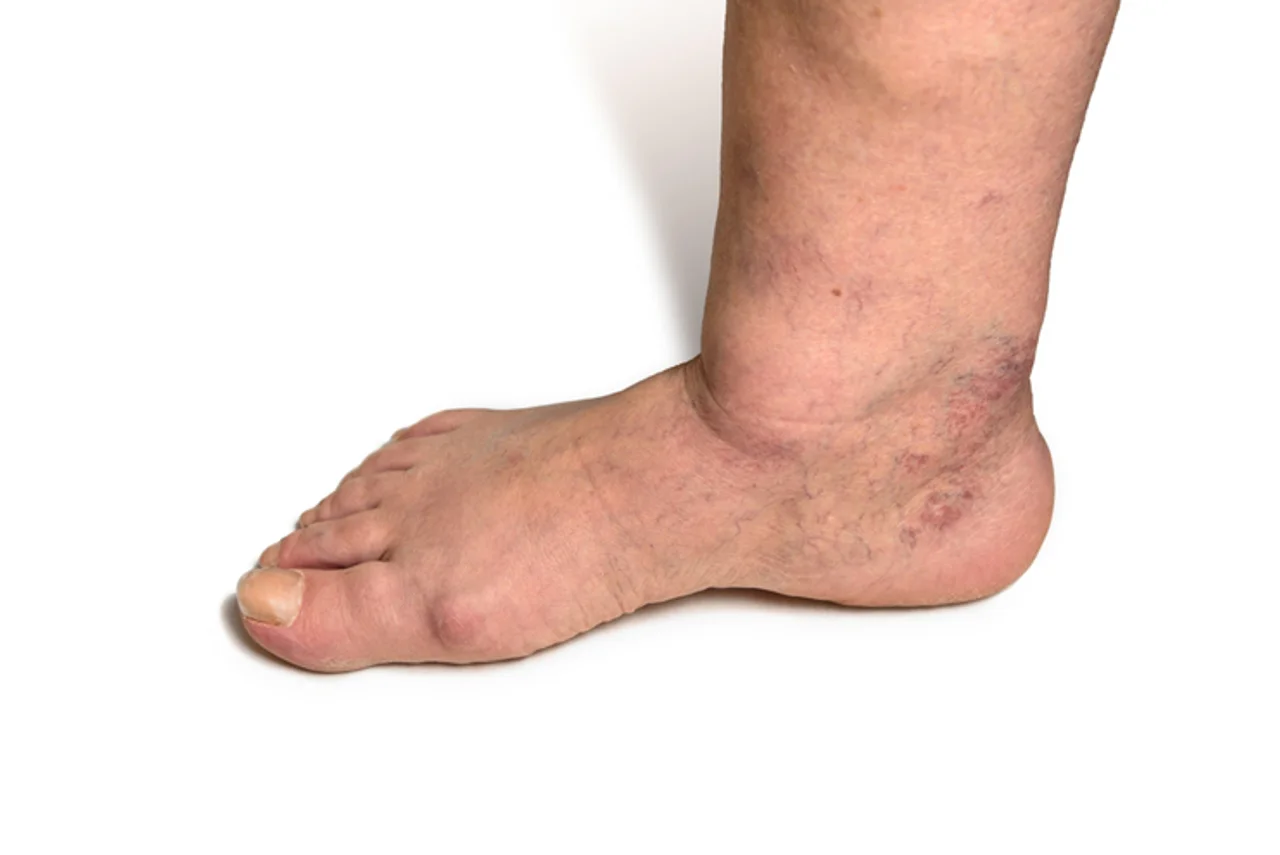
As people age, the body’s ability to maintain fluid balance declines. Circulation weakens, lymphatic flow slows, and organs like the heart, kidneys, and liver gradually lose efficiency. For many elderly patients, this leads to persistent or recurring swelling—typically in the legs and ankles, though sometimes in the hands or even throughout the body.
In Western medicine, edema in seniors is often linked to specific diagnoses such as heart failure or kidney disease. However, what people often overlook is that in many cases, the cause isn’t so clearly defined. Multiple subtle imbalances can add up to chronic discomfort. This is where Korean medicine becomes highly relevant.
Rather than isolating a single culprit, Korean medicine views edema as the result of a systemic imbalance. That might include weakened circulation, a deficiency in qi and blood, sluggish fluid metabolism, or stagnation in the meridians. Especially in older adults, who have complex constitutions and overlapping symptoms, this holistic view offers a meaningful alternative.
How Korean Medicine understands and diagnoses edema
In Korean medicine, edema isn’t treated as a standalone disease. It’s seen as a symptom of deeper imbalances, and treatment begins with "pattern identification" or “byeonjeung.” This diagnostic process examines not only the physical symptoms but also the patient’s energy levels, digestion, emotional state, sleep patterns, and overall constitution.
Common patterns contributing to edema in elderly patients include:
Qi and Blood Deficiency (氣血處虞): When the body lacks energy and vitality, circulation weakens, and fluid begins to accumulate.
Kidney Qi or Yang Deficiency (腋氣處虞 / 腋陽不足): The kidneys are seen as the root of fluid metabolism. Weak kidney energy leads to poor regulation and water retention.
Dampness Accumulation (水濕停渦): In this case, the body fails to transform or eliminate fluids properly, leading to a sensation of heaviness and swelling.
Qi and Blood Stagnation (氣滯血瘦): Poor circulation can cause fluids to accumulate locally, especially if mobility is reduced.
An experienced Korean medicine doctor uses pulse diagnosis, tongue examination, palpation, and detailed consultation to determine which of these patterns is at play. Two elderly patients with nearly identical symptoms might receive completely different treatments based on their internal constitution.
Therapies Korean Medicine uses to treat edema in older adults
Once a diagnosis is established, treatment is personalized. Korean medicine doesn’t use a one-size-fits-all solution. Instead, it brings together various therapies to gently restore balance.
Herbal Medicine (Decoctions and Prescriptions)
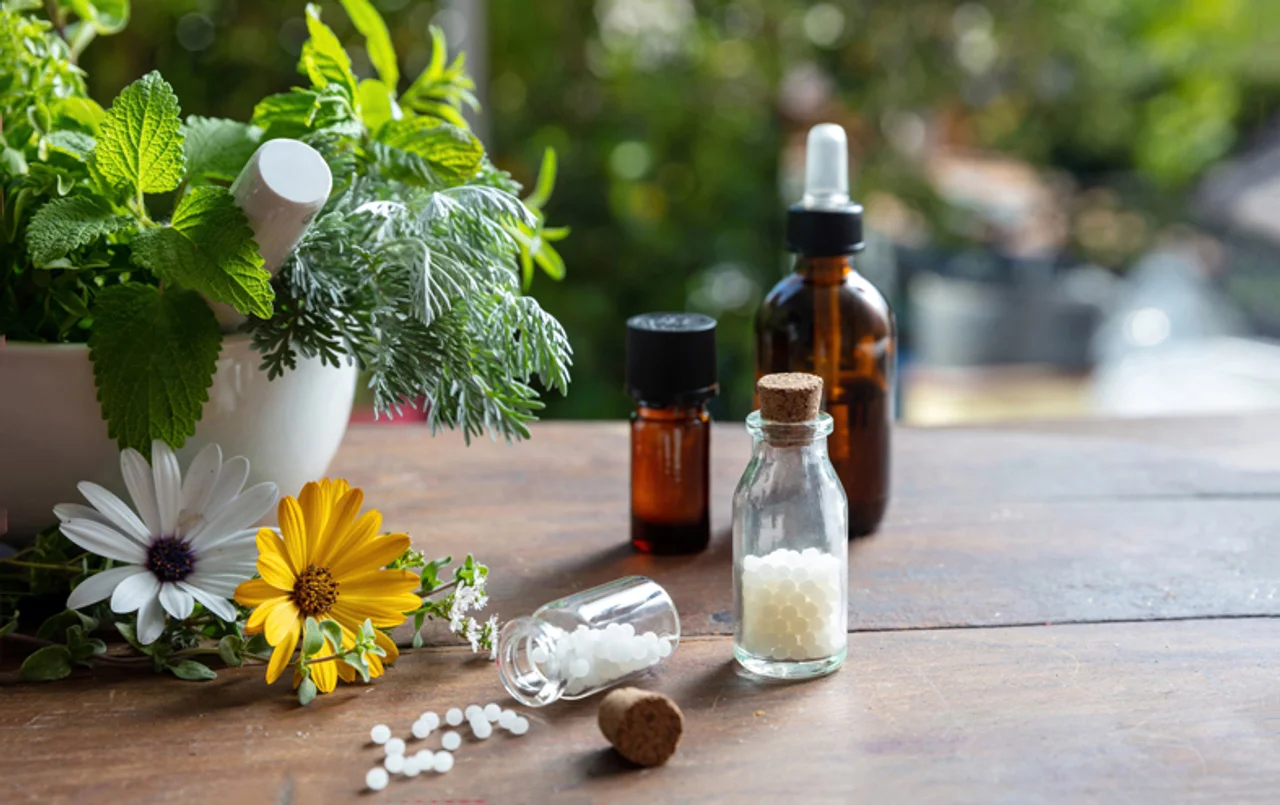
Herbal formulas are the backbone of Korean medical treatment for edema. Depending on the pattern, a prescription might include:
Herbs that strengthen qi and improve circulation
Diuretic herbs that gently remove dampness
Tonics that nourish kidney yang or spleen qi
In elderly patients, formulations are adjusted carefully to avoid overwhelming weak digestion or causing undue strain on internal organs. At Arine Korean Medicine Clinic, we often combine these herbal remedies with nutritional guidance and meal planning, treating food as part of the healing process.
Acupuncture and Moxibustion
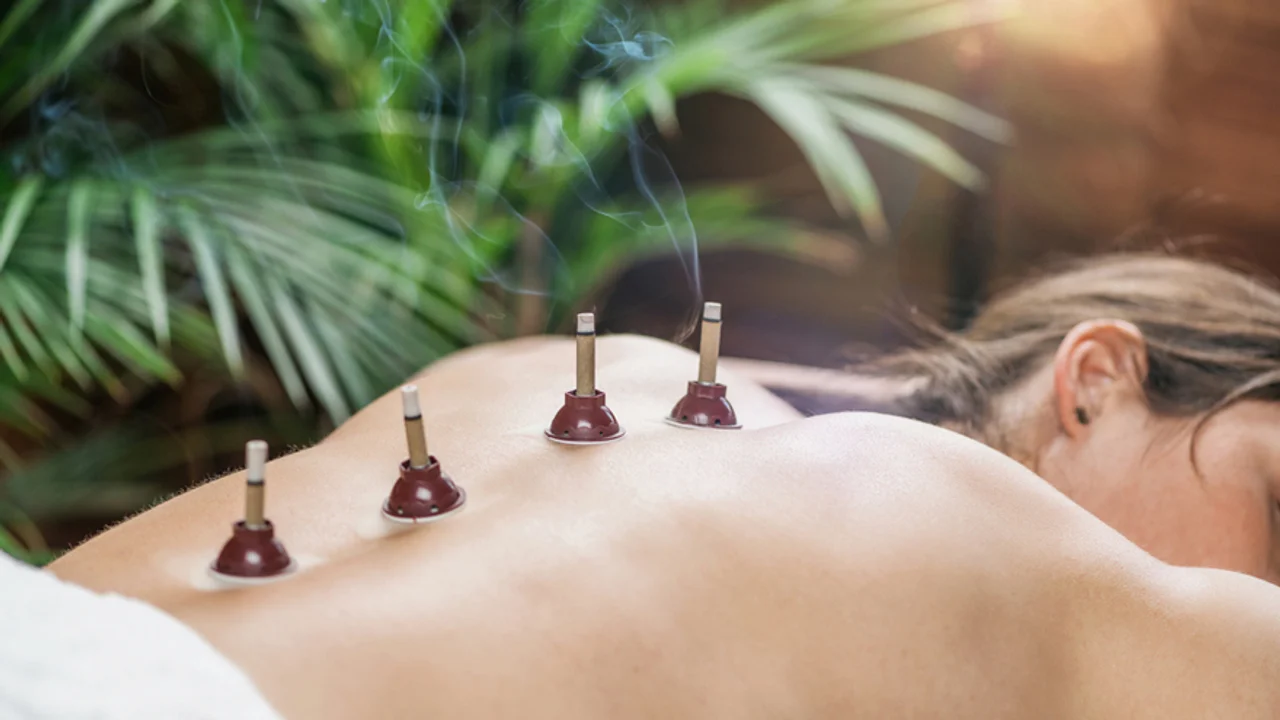
Acupuncture is used to stimulate circulation, reduce fluid stagnation, and strengthen internal organ function. For example, points that promote spleen and kidney function, or that open blocked meridians in the lower limbs, are frequently used.
Moxibustion (the warming of points with herbal heat therapy) can be especially helpful for elderly patients with cold-type edema or yang deficiency. It encourages movement in areas of stagnation and supports the body’s natural warmth and energy.
Manual Therapy, Cupping, and Physical Stimulation
For seniors who have trouble with movement, therapies like cupping or gentle manual stimulation can promote blood flow and lymphatic drainage. These techniques also help with muscular relaxation and relieve the heavy, tight feeling that often accompanies chronic swelling.
Integrated Approaches
At a clinic like Arine, therapies are often layered for better results. For instance, a patient might receive herbal medicine to treat the internal cause, acupuncture to improve flow, and cupping to support physical drainage. Over time, this comprehensive approach not only reduces swelling but also improves overall well-being, mobility, and sleep quality.
Why Korean Medicine fits elderly patients especially well
One of the core strengths of Korean medicine is its adaptability. Unlike standardized medications, KM treatments can be fine-tuned weekly as the patient’s condition evolves.
For elderly patients, this is crucial. Their conditions are rarely static. Energy may fluctuate. Appetite can change. Organ functions shift subtly over time. Korean medicine is built to accommodate these changes, emphasizing long-term harmony over quick fixes.
Also, KM avoids the side effects of harsh diuretics or invasive procedures. Herbal medicine and acupuncture are generally gentle on the system. They can be integrated with existing Western treatments without conflict, provided there’s good communication between practitioners.
At Arine, we regularly work with patients who are also under the care of cardiologists or nephrologists. Our goal is to complement, not replace, conventional care. And in many cases, patients find they can reduce reliance on medications once their internal balance improves.
A hypothetical case: Mrs. Kim, 72
To illustrate, imagine a patient we’ll call Mrs. Kim. She’s 72, with mild swelling in her ankles that worsens by evening. She tires easily, often feels cold, and sleeps poorly.
At Arine Korean Medicine Clinic, her evaluation might reveal a pattern of kidney yang deficiency combined with fluid stagnation. Her treatment plan could include:
A tailored herbal formula to warm the kidneys and eliminate dampness
Acupuncture twice a week focusing on lower body circulation
Moxibustion on specific points to boost yang energy
Dietary advice to improve digestion and reduce internal dampness
Over several weeks, Mrs. Kim might begin to notice less swelling, more energy, and better sleep. Her legs feel lighter, and she moves more easily throughout the day. Rather than just addressing symptoms, the treatment helps her regain overall vitality.
Final thoughts: What patients should know
If you or an older family member is dealing with chronic swelling, especially without a clear diagnosis, Korean medicine could offer a meaningful path forward. It’s not just about removing excess fluid. It’s about understanding why that fluid is building up in the first place—and helping the body correct it naturally.
At Arine Korean Medicine Clinic, we specialize in creating these kinds of personalized, gentle programs. Especially for seniors, we believe the best medicine doesn’t just treat disease; it supports life.
If you’d like to explore how herbal therapy, acupuncture, and holistic care can help with edema, feel free to contact us. We’re here to help you walk a little lighter—and live a little more comfortably.
More Articles
Continue reading clinical guides from Arine Korean Medicine Clinic.

Postpartum Swelling? How Korean Medicine Can Help You Heal Faster
Discover how Korean medicine reduces postpartum swelling and speeds up recovery naturally. Learn proven remedies for faster healing after childbirth.
Learn More

How Keep Sticks Help You Stick to Your Weight Loss Goals
Discover how Korean medicine reduces postpartum swelling, speeds healing, and restores balance naturally. Learn more about holistic recovery today!
Learn More
Is Acupuncture the Key to Finally Beating Persistent Pain?
Discover how acupuncture may help relieve chronic pain naturally. Explore its benefits, effectiveness, and if it's right for you. Learn more today!
Learn More