Personalized Korean Medicine & Weight Management in Gangnam, Seoul · International Patient Concierge
Medical Guide
Korean Medicine Postpartum Recovery : 30 Days at Arine
One Chicago mother's honest Korean medicine postpartum recovery experience at Arine Clinic in Seoul real results, costs, breastfeeding safety and what 30 days actually changed.
Schedule a ConsultationIntroduction
Eighteen months after my second C-section, I was still wearing maternity leggings not because I was pregnant, but because nothing else fit the way my body had changed. My Korean medicine postpartum recovery experience at Arine Clinic in Seoul began the way most mothers' stories do: out of exhaustion, frustration, and the quiet refusal to accept that this was now just my body.
Two kids, a demanding marketing career, and a body that Western medicine had classified as normal postpartum recovery which is their way of saying figure it out yourself. I had tried the postpartum girdles, the mom-body programs, the clean-eating protocols. None of it spoke to what my body was actually dealing with.
By the end of this article, you will understand why I chose a Korean medicine postpartum recovery experience over local US options, what a real 30-day program at Arine Korean Medicine Clinic looks and feels like week by week, whether Korean herbal medicine is safe if you are still breastfeeding, and what my results actually were including numbers, photos, and honest reflection.
This is my account of working with Dr. Seungseok Chae, a Korean Medicine Doctor with 10 or more years specializing in herbal diet therapy and personalized postpartum recovery programs, performing 200 or more cases annually at Arine Korean Medicine Clinic in Seoul's Apgujeong district.
Why I Chose a Korean Medicine Postpartum Recovery Experience over Everything Else I Had Tried
What 18 Months of Normal Postpartum Recovery Actually Felt Like
I want to be honest about what this period looked like for me. I was going to the gym three times a week. I was meal prepping on Sundays. I had cut sugar, added protein, and downloaded every wellness app my friends recommended. And yet my lower abdomen was persistently swollen, my energy collapsed every afternoon around 2 PM, and my metabolism felt like something had quietly switched off after my second delivery.
My OB told me this was expected. Two pregnancies close together, a second C-section, still partially breastfeeding of course my body was different now. That was the clinical response I received. Not a diagnosis. Not a treatment plan. Just an implied instruction to lower my expectations of my own body.
That gap between who I was professionally someone capable of managing a team, completing an MBA part-time, running a household and how I felt physically every single day was quietly exhausting. I did not talk about it much. But it was there.
Then I came across a thread in a Facebook mom group where another professional mother mentioned that she had done a sanhujori Korean postpartum care program at a clinic in Seoul. That was the first time I had heard the word sanhujori. It stopped me mid-scroll.
What Is Sanhujori Korean Postpartum Care and Why Had Nobody Told Me About It?
Sanhujori is the traditional Korean approach to postpartum care. It is not a spa retreat. It is not a weight loss program. It is a clinically grounded recovery protocol rooted in the belief that childbirth is a profound physiological event that requires dedicated medical support not willpower and time.
In Korean medicine, the Postpartum body is understood to be in a state of blood deficiency, weakened circulation, and metabolic vulnerability. These are not vague wellness concepts. They are diagnosable conditions that Korean medicine has been treating for centuries. The sanhujori framework addresses them systematically through herbal medicine, acupuncture, and specific therapeutic treatments designed for postpartum physiology specifically.
What resonated with me immediately was this framing: postpartum recovery is a medical event, not a cosmetic goal. The reason I had not improved through diet and exercise was not a failure of effort. It was a failure of approach. My body needed clinical recovery support, and I had been given none.
A short search led me to Arine Korean Medicine Clinic in Apgujeong, Seoul, and to Dr. Seungseok Chae's work with international patients. The English-language content was substantive and detailed. It read like clinical expertise, not marketing. That distinction mattered enormously to me.
If you want to understand how Korean medicine approaches weight management more broadly, the article on Korean medicine weight loss for Americans explains the root-cause philosophy in depth.
Why Chicago-Based Mothers Are Choosing Seoul over Local Options
I want to address something I wrestled with: why fly to Seoul when Chicago has integrative medicine clinics and naturopathic practitioners? The honest answer is that authentic Korean medicine at this level does not exist here. The herbs, the diagnostic methodology, the clinical depth built over a decade of postpartum-specific practice none of that is replicable at a US wellness clinic with a three-year acupuncture certification.
There is also a cost reality worth naming. A 10-day program in Seoul, including flights and accommodation, comes to roughly the same investment as three to four months of functional medicine consultations in Chicago. And Seoul gives you the real thing, delivered by a doctor who specializes in exactly your condition.
I eventually framed it for my husband not as a trip, but as a medical appointment I had been postponing for 18 months.
Preparing for My Seoul Trip from Chicago
The Logistics of Flying Solo from Chicago to Seoul
Once I had decided to go, the practical planning was more straightforward than I had anticipated. Direct flights from O'Hare to Incheon International Airport run on Korean Air and United Airlines, with a flight time of approximately 14 hours. Roundtrip prices ranged from $850 to $1,200 depending on the season when I was researching. I traveled in spring, which Dr. Chae's team confirmed is one of the more comfortable times to visit Seoul for treatment.
US citizens do not require a visa for South Korea for stays under 90 days. I confirmed this through the US Embassy website before booking.
For accommodation, I stayed in a serviced apartment in the Apgujeong area, about 12 minutes from Arine. Nightly rates in that neighborhood range from roughly $80 to $180 depending on your preference. The area is clean, walkable, and full of excellent food options. For a full guide on travel logistics, see this resource on flying to Seoul for Korean medicine treatment.
The Conversation I Had with My Husband Before Booking
My husband is practical and supportive. What he needed was a clear argument, not an emotional pitch. So I gave him one.
I told him that for 18 months I had been managing a body that Western medicine had dismissed, spending money on programs that did not work, and carrying the physical and emotional weight of it alone. This was a 10-day medical trip. He would handle childcare for our 4-year-old and 18-month-old, with his mother coming for the first five days to help. Dr. Chae would be reachable via WhatsApp for any questions during the trip and after my return. And the total investment was transparent.
Here is the honest budget breakdown I shared with him:
Item | Estimated Cost (USD) | Notes |
|---|---|---|
Round-trip flights (ORD to ICN) | $850 to $1,200 | Korean Air or United direct |
Accommodation (10 nights) | $900 to $1,600 | Apgujeong/Gangnam area |
Korean medicine program (10 days) | $1,200 to $2,500 | Arine program package |
Meals and transport | $300 to $500 | Daily expenses in Seoul |
Herbal continuation (to take home) | $150 to $300 | 4 to 8 week home program |
Total estimate | $3,400 to $6,100 | Varies by program selection |
For a detailed breakdown of program costs, the guide on Korean medicine program cost for Americans is worth reading before you consult.
He said yes.
My First Consultation with Dr. Seungseok Chae
What the Initial Consultation Looked Like
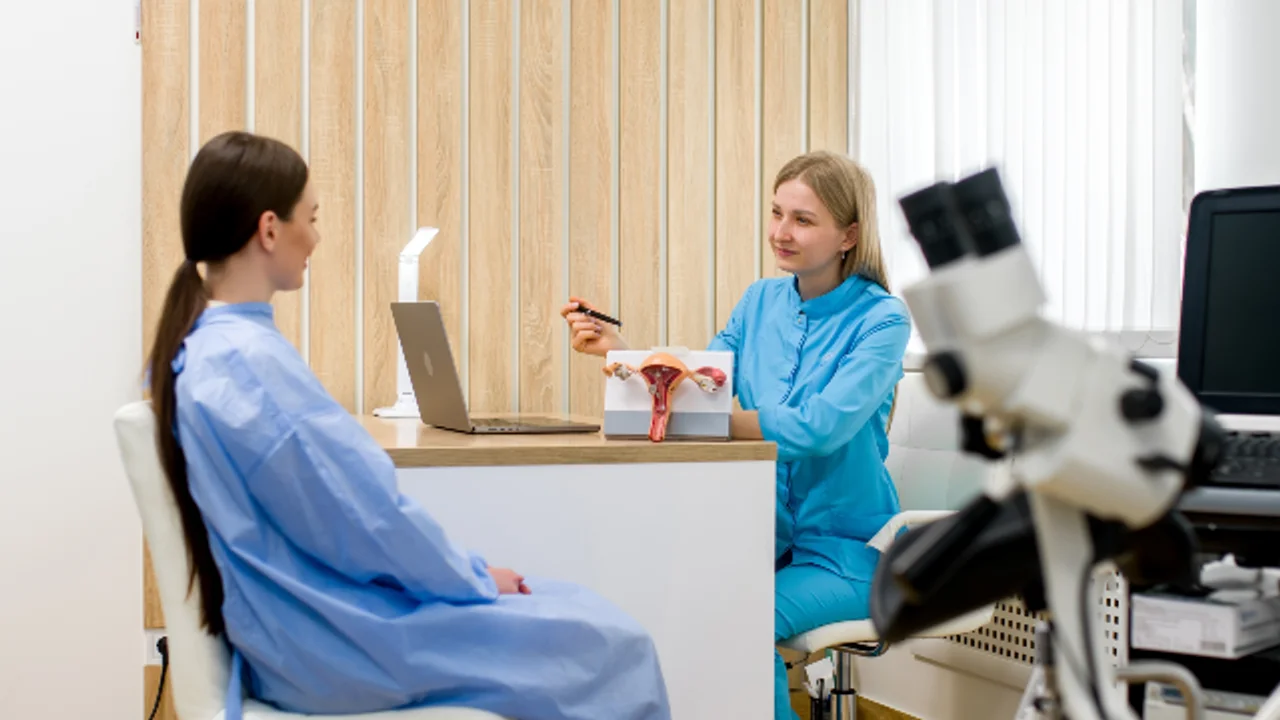
Before I booked my flights, I scheduled a video consultation with Dr. Chae via Zoom. It lasted approximately 50 minutes. That alone surprised me I had become accustomed to 15-minute appointments where I felt like a number in a schedule.
Dr. Chae asked about my energy at different points in the day. He asked about my temperature preferences did I run hot or cold, did I feel worse in humid weather. He asked about my digestion, my sleep quality, whether my hands and feet felt cold, how my body had responded to stress since having children. He asked about my C-section history, my current breastfeeding status, every medication and supplement I was taking.
Nobody had ever asked me these questions after having children. Not one of them.
More Articles
Continue reading clinical guides from Arine Korean Medicine Clinic.
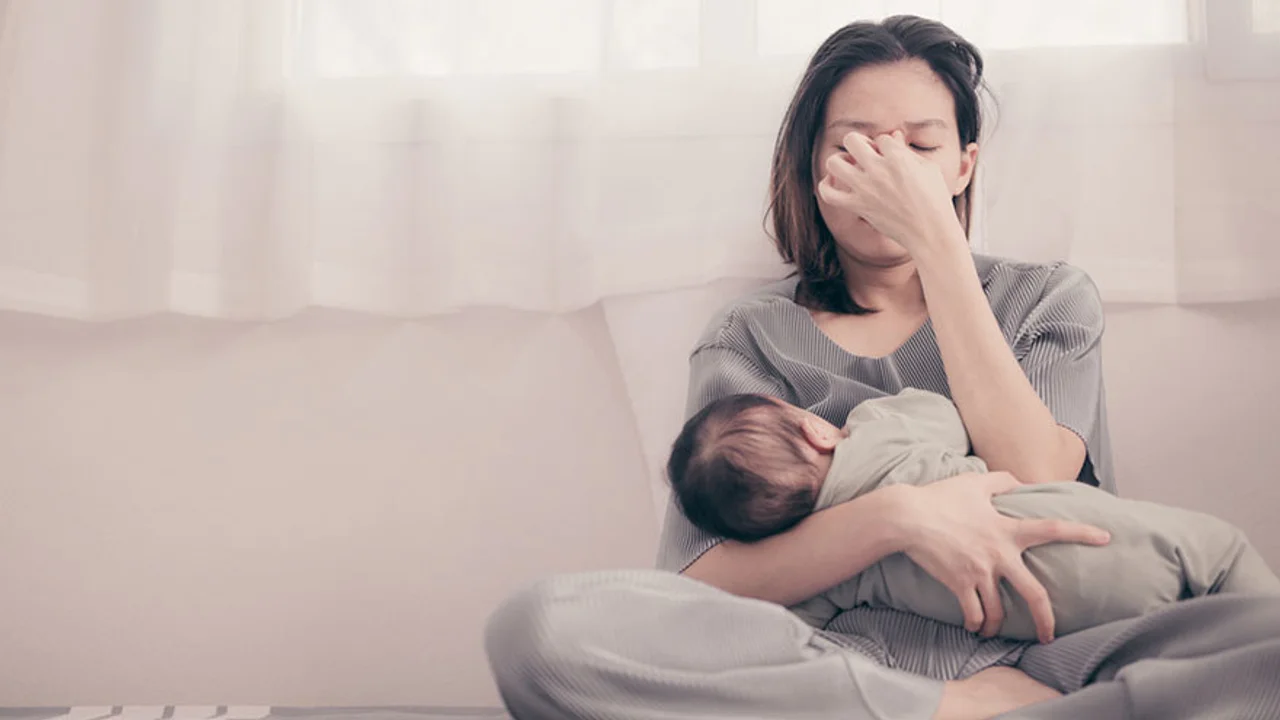
Postpartum Swelling? How Korean Medicine Can Help You Heal Faster
Discover how Korean medicine reduces postpartum swelling and speeds up recovery naturally. Learn proven remedies for faster healing after childbirth.
Learn More
How Keep Sticks Help You Stick to Your Weight Loss Goals
Discover how Korean medicine reduces postpartum swelling, speeds healing, and restores balance naturally. Learn more about holistic recovery today!
Learn More
Is Acupuncture the Key to Finally Beating Persistent Pain?
Discover how acupuncture may help relieve chronic pain naturally. Explore its benefits, effectiveness, and if it's right for you. Learn more today!
Learn More