Personalized Korean Medicine & Weight Management in Gangnam, Seoul · International Patient Concierge


Medical Guide
Korean Medicine Pain Therapy vs. Western Painkillers: What Works Best?
Discover how Korean medicine pain therapy compares to Western painkillers. Explore natural vs. pharmaceutical relief options. Learn what works best!
Schedule a ConsultationIntroduction

When it comes to managing pain, people often turn to Western painkillers for quick relief. But increasingly, there’s been a growing interest in Korean medicine pain therapies, which take a different approach, focusing on balance and long-term healing. At Arine Korean Medicine Clinic, where we blend traditional Korean medicine with modern techniques, we’ve seen firsthand how these therapies work in contrast to Western painkillers.
Both methods have their advantages, but the right choice depends on the type of pain you're experiencing, your overall health, and your goals for recovery. In this article, we’ll explore how Korean medicine pain therapies and Western painkillers differ, and how you can decide what works best for you.
The Modern Approach to Pain: Western Painkillers
In the world of Western medicine, painkillers are the go-to solution for fast and effective relief. Whether it’s a headache, a sprained ankle, or chronic pain, medications like ibuprofen, acetaminophen, or stronger opioids are commonly prescribed. These drugs work by blocking pain signals in the body, helping to reduce the sensation of pain temporarily.
Short-Term Relief vs. Long-Term Healing
Painkillers are excellent for short-term relief. They can help you get through the day, allowing you to function despite pain. However, they don’t address the root cause of the pain. In fact, long-term use of painkillers, especially opioids, can lead to dependency and even worsen pain due to tolerance buildup. Additionally, they often come with side effects like gastrointestinal issues, dizziness, or liver damage with prolonged use.
While these medications might work well in an acute situation, their role in chronic pain management is more limited. And that's where holistic treatments like Korean medicine come into play.
The Holistic Approach: Korean Medicine Pain Therapy
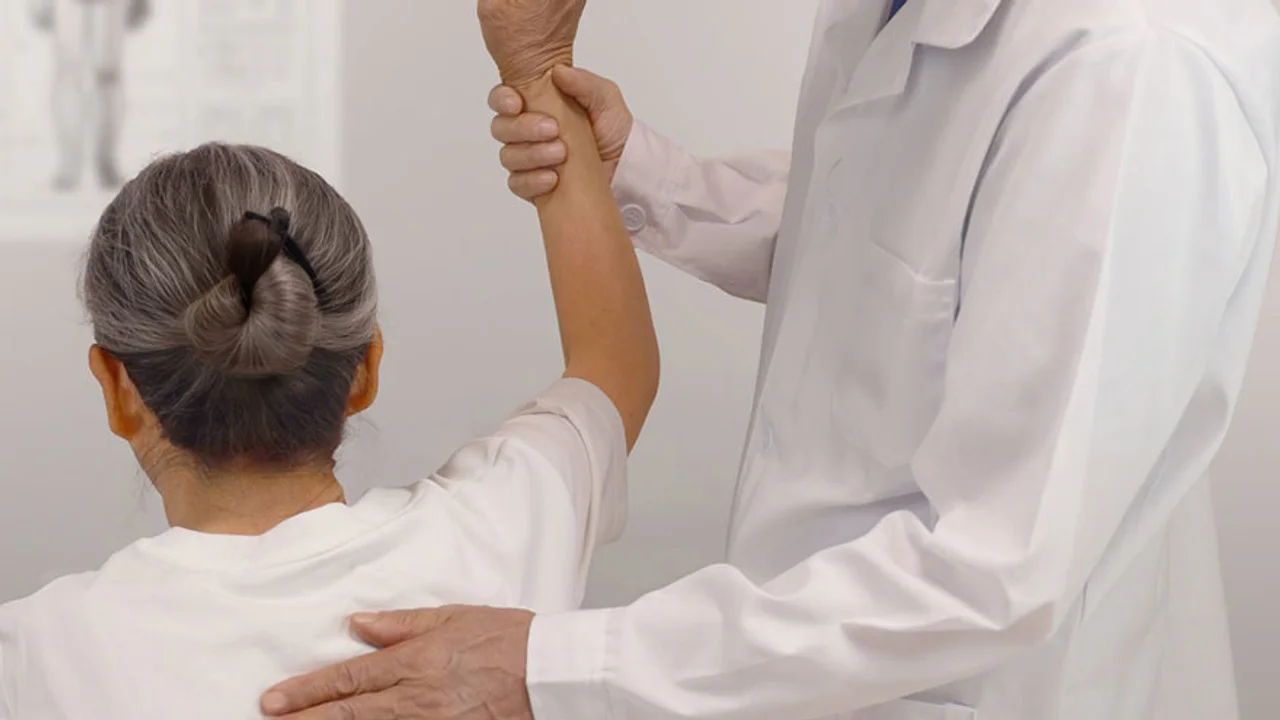
Korean medicine takes a more comprehensive view of pain. Rather than simply masking the pain, Korean medicine therapies aim to balance the body’s energy (called Qi in traditional Chinese medicine) and address the root cause of the discomfort.
At Arine Korean Medicine Clinic, we incorporate multiple techniques to treat pain effectively and naturally:
1. Acupuncture
Acupuncture involves inserting fine needles into specific points on the body. These points are believed to correspond with energy channels, helping to stimulate healing and restore balance. For pain management, acupuncture can release endorphins (the body’s natural painkillers) and improve blood circulation, allowing the body to heal itself more efficiently.
Research has shown that acupuncture can be effective for various types of pain, including chronic back pain, joint pain, and even migraines. Many of our patients at Arine Korean Medicine Clinic choose acupuncture not just for pain relief, but also because it promotes overall well-being and reduces stress, which can contribute to chronic pain.
2. Herbal Medicine
Another cornerstone of Korean medicine is herbal therapy. Herbs are used to treat pain by supporting the body’s natural healing processes, improving circulation, and reducing inflammation. Korean medicine practitioners carefully select specific herbs based on your individual symptoms and constitution.
For example, herbs like Dang Gui (Angelica root) are known for their ability to improve circulation and reduce inflammation, which is especially helpful in conditions like joint pain or muscle soreness. By working with the body’s own healing systems, herbal medicine provides a more sustainable solution than quick-fix painkillers.
3. Cupping and Moxibustion
These traditional therapies are commonly used in Korean medicine to alleviate pain and muscle tension. Cupping involves placing glass or bamboo cups on the skin to create a vacuum that helps increase blood flow to the area, promoting healing. Moxibustion, on the other hand, uses heat from burning mugwort to stimulate circulation and relax tight muscles.
Both treatments can provide significant pain relief for conditions like arthritis, back pain, and sports injuries, and they are often used in combination with acupuncture for enhanced effectiveness.
4. Chuna Therapy
Chuna therapy is a hands-on technique that involves spinal manipulation and adjustment to correct misalignments in the musculoskeletal system. This therapy is often used to treat conditions like sciatica, neck pain, and back pain, where joint or spinal misalignments contribute to discomfort. Chuna therapy is similar to chiropractic care but is based on principles of Korean medicine, focusing on restoring balance to the body’s energy flow.
Combining Both Approaches: The Best of Both Worlds
At Arine Korean Medicine Clinic, we often find that the best approach is not an either/or choice between Western painkillers and Korean medicine. In fact, we frequently combine the two, depending on the patient’s condition.
For example, if someone comes in with an acute injury, they might start with Western painkillers for immediate relief. As they begin to recover, we can incorporate Korean medicine therapies like acupuncture and herbal treatments to accelerate healing, reduce inflammation, and prevent the pain from returning.
By integrating both worlds, patients can experience the fast relief of Western medicine while also benefiting from the deep, long-lasting healing offered by Korean medicine.
Conclusion: Which Pain Therapy is Right for You?
When it comes to pain management, the best solution depends on your specific needs and health goals. Western painkillers provide fast relief for acute pain, but they don’t address the underlying causes or offer long-term solutions. On the other hand, Korean medicine pain therapies like acupuncture, herbal medicine, and cupping offer a holistic approach that targets the root causes of pain, providing more sustainable results over time.
At Arine Korean Medicine Clinic, we believe in personalized care. We take the time to understand your pain and tailor a treatment plan that combines the best of both worlds — Western and Korean medicine — to ensure that you not only feel better today but stay well tomorrow.
More Articles
Continue reading clinical guides from Arine Korean Medicine Clinic.

Postpartum Swelling? How Korean Medicine Can Help You Heal Faster
Discover how Korean medicine reduces postpartum swelling and speeds up recovery naturally. Learn proven remedies for faster healing after childbirth.
Learn More

How Keep Sticks Help You Stick to Your Weight Loss Goals
Discover how Korean medicine reduces postpartum swelling, speeds healing, and restores balance naturally. Learn more about holistic recovery today!
Learn More

Is Acupuncture the Key to Finally Beating Persistent Pain?
Discover how acupuncture may help relieve chronic pain naturally. Explore its benefits, effectiveness, and if it's right for you. Learn more today!
Learn More