Personalized Korean Medicine & Weight Management in Gangnam, Seoul · International Patient Concierge
Medical Guide
Is Thread Lifting Safe for Older Adults?
Curious about thread lifting for aging skin? Learn if this minimally invasive treatment is safe and effective for older adults. Restore firmness—find out now!
Schedule a ConsultationIntroduction
It’s a question that comes up often at Arine Korean Medicine Clinic in Gangnam — and one that deserves a thoughtful answer.
Many of our patients in their 50s, 60s, and even 70s ask:
“Is thread lifting safe for someone my age?”
To be honest, that question reflects a growing trend we see in Korea and beyond: older adults seeking subtle, non-surgical ways to refresh their appearance without compromising safety or natural beauty.
The short answer is yes, thread lifting can be safe and effective for older adults — when performed with care, precision, and a deep understanding of the skin’s physiology.
But the more accurate answer is: it depends on you.
At Arine, we don’t see aging as a flaw to be corrected, but as a natural process to be guided gently — combining modern lifting techniques with the principles of traditional Korean medicine (Hanbang) to help your skin heal, strengthen, and renew itself.
Understanding What Thread Lifting Really Does
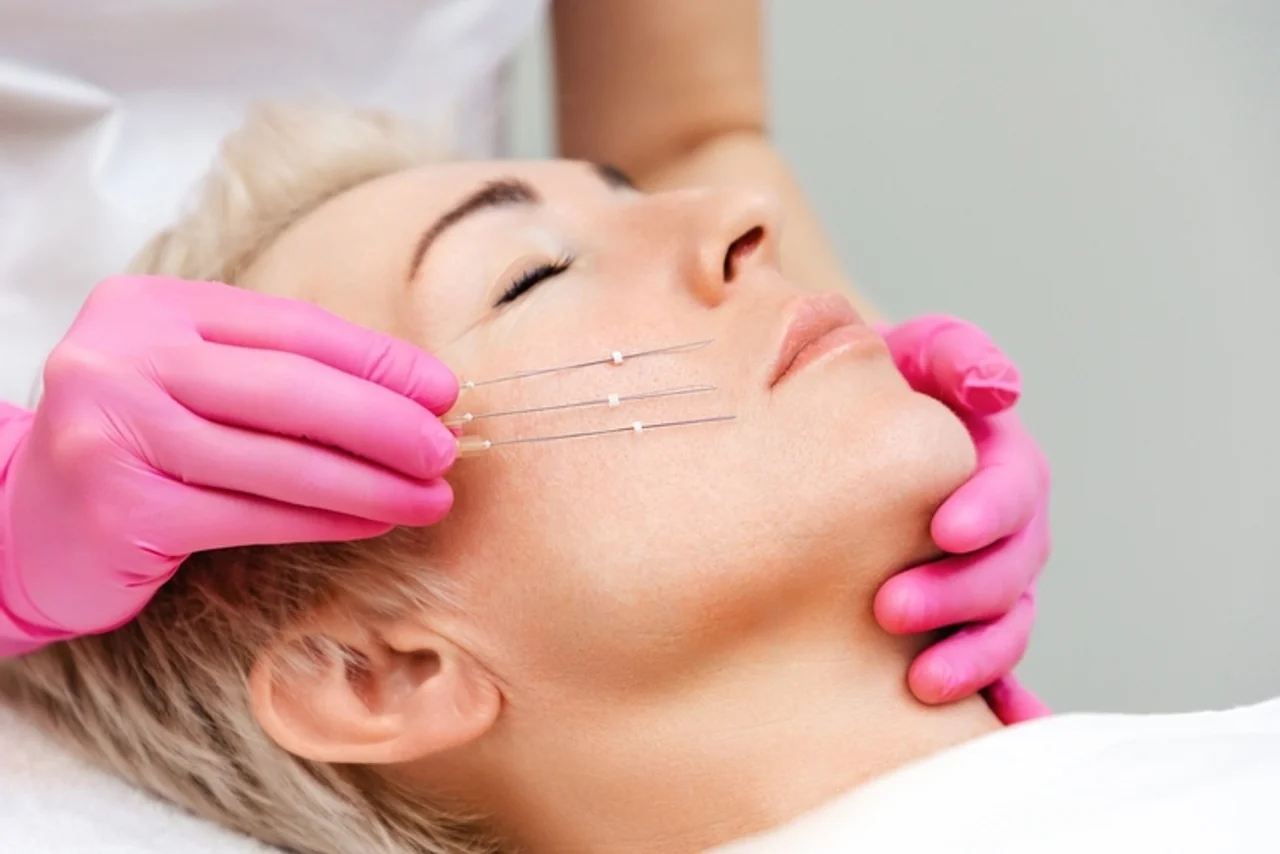
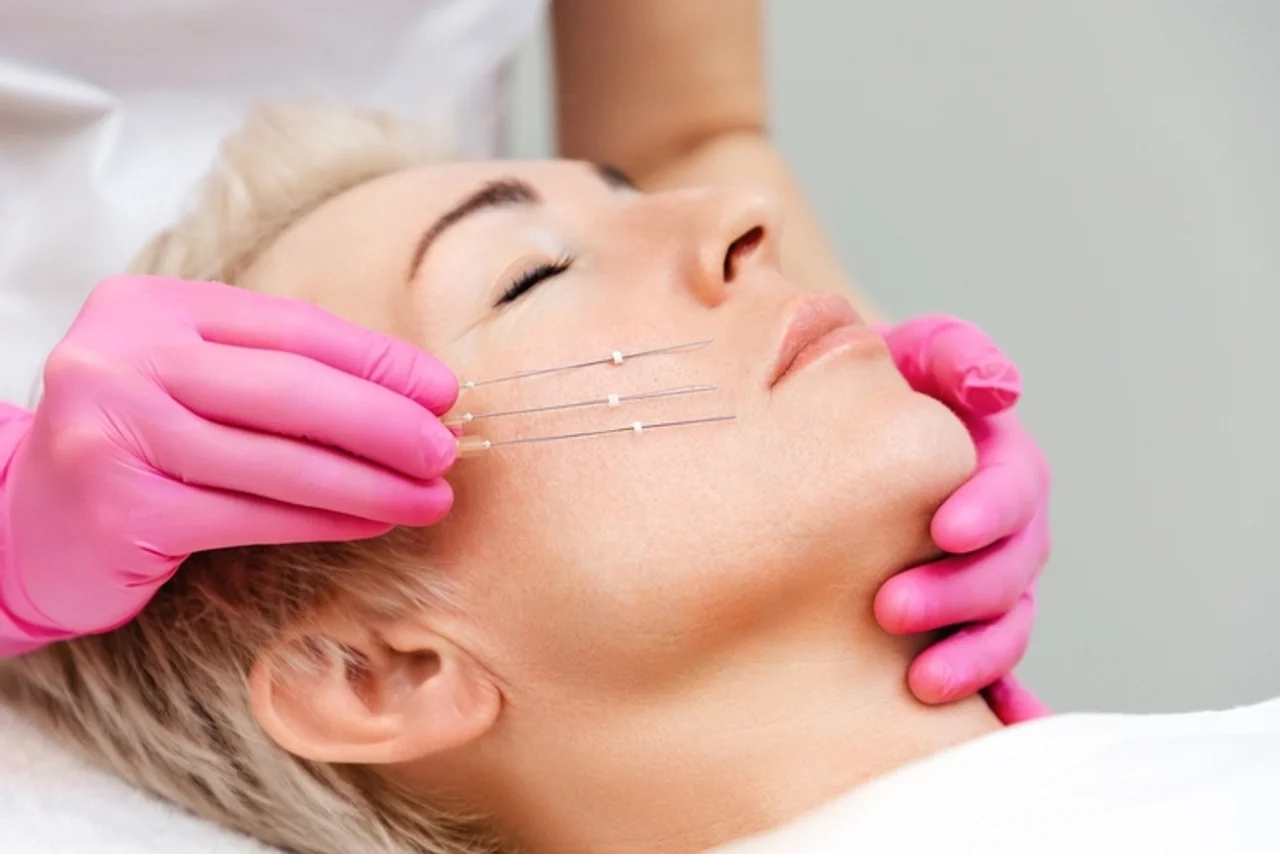
Thread lifting is a minimally invasive facial rejuvenation procedure that uses fine medical threads — typically made of PDO (polydioxanone), PLLA (poly-L-lactic acid), or PCL (polycaprolactone) — to lift sagging tissues and stimulate collagen regeneration.
Each thread is inserted under the skin through a tiny needle or cannula. Once in place, it acts as a scaffolding structure, physically lifting the skin while encouraging your body’s natural healing response. Over the following months, collagen and elastin fibers grow around the threads, creating a firmer, smoother, and more youthful look.
Unlike surgical facelifts, thread lifting doesn’t involve incisions or general anesthesia, which is one reason it has become so popular among older adults.
Most patients can return to normal activities within a few days, and the full rejuvenation effect continues to evolve over 3–6 months.
But it’s important to note that the goal is not to freeze time or create an artificial look. The intention — especially in Korean medicine — is to restore balance, support natural contours, and enhance vitality from within.
What Makes Thread Lifting Safe (and When It Isn’t)
The safety of thread lifting depends less on age and more on individual skin condition, general health, and medical technique. At Arine, we evaluate every patient holistically before recommending treatment.
Here are three major factors that determine safety and effectiveness:
1. Skin Thickness & Elasticity
Aging skin tends to lose both collagen and subcutaneous fat. If the skin is too thin or fragile, it may not hold the threads securely — leading to mild irregularities or early loss of effect.
During consultation, we assess the dermal thickness and elasticity through careful palpation and sometimes even ultrasound imaging.
For older adults, we often use a combination approach — stronger lifting threads around the jawline or cheeks, and finer “mesh-type” threads to reinforce areas that need more collagen support. This multi-layered method creates smoother, more stable outcomes while reducing the risk of bruising or tension lines.
2. Underlying Health Conditions
Any procedure that stimulates tissue healing requires the body’s regenerative system to function well. Patients with uncontrolled diabetes, severe hypertension, autoimmune conditions, or bleeding disorders need special attention.
These conditions can affect both collagen production and wound healing, which are essential for thread lifting success.
That’s why at Arine, we begin with a thorough health review — including sleep, stress, digestion, and hormonal balance — all of which are central to Korean medicine’s view of beauty and longevity.
3. Technique & Thread Type
Not all threads are created equal. PDO threads dissolve relatively quickly (6–8 months) but are ideal for subtle rejuvenation and collagen stimulation. PLLA and PCL threads last longer (12–24 months) and are better suited for deeper lifting in older patients.
Our physicians adjust thread types, lengths, and insertion depth depending on the patient’s facial structure, muscle tone, and skin resilience.
In essence, thread lifting for older adults is less about “pulling” and more about rebuilding a natural framework for the face.
The Korean Medicine View: Why Skin Age Isn’t Just About Wrinkles
In Korean medicine, the face is not seen as a separate aesthetic feature — it’s a mirror of your internal health.
Dullness, sagging, or dryness often reflect imbalances in blood circulation, digestive energy, or stress-related stagnation.
When those internal systems weaken, the skin loses its ability to hold moisture and regenerate collagen.
This is why two people of the same chronological age can have dramatically different skin vitality.
At Arine Korean Medicine Clinic, we integrate traditional therapies like:
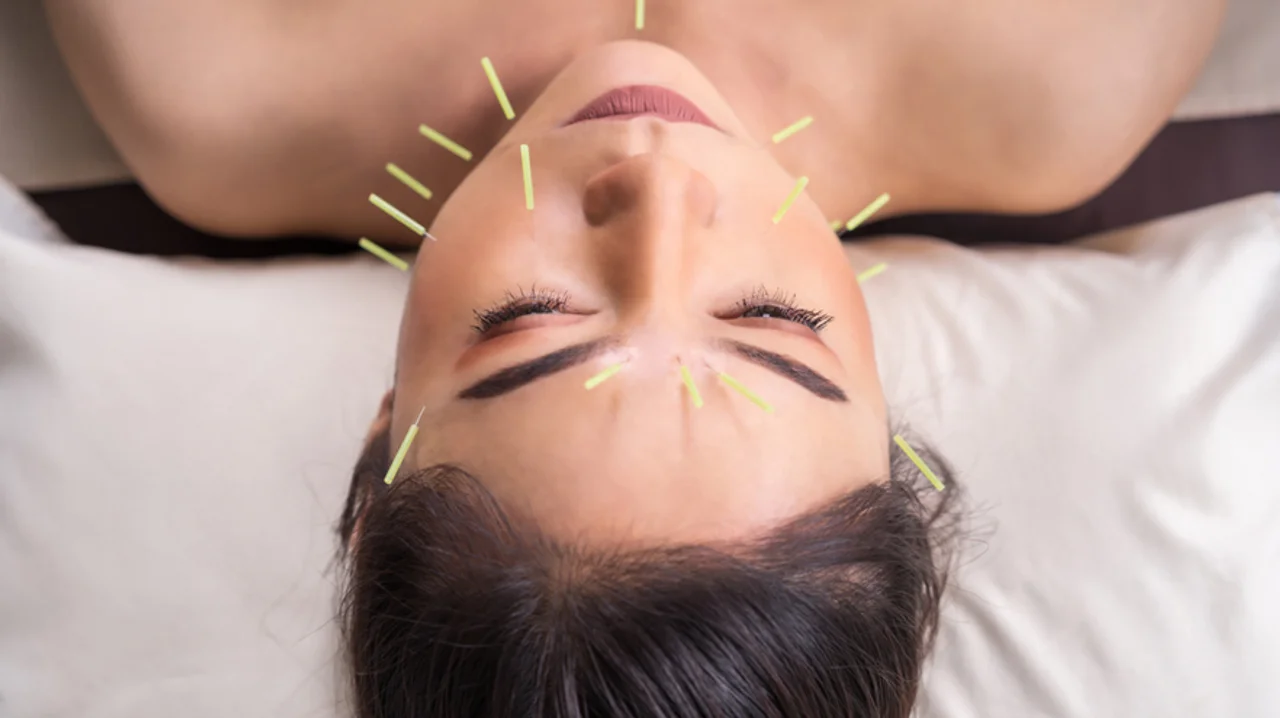
Facial acupuncture to stimulate microcirculation and muscle tone,
Herbal tonics that promote collagen production and hormonal balance,
And detox or lymphatic programs that reduce puffiness and inflammation.
These complementary methods prepare the body and skin to respond better to thread lifting — ensuring that the results are not only visible but sustainable and naturally supported.
One of Dr. Seungseok Chae’s guiding philosophies is:
“Beautiful skin is not created by force — it’s restored through harmony.”
By aligning the body’s internal energy (Qi) and the external lifting method, thread lifting becomes more than a cosmetic procedure — it becomes part of your overall health journey.
Common Misconceptions About Age and Thread Lifting
Let’s clear up a few myths we often hear from older patients:
“I’m too old for thread lifting.”
Not necessarily. We’ve treated patients in their late 60s and early 70s with excellent results. The success depends more on skin quality and underlying health than chronological age.
In fact, older adults with good collagen foundation or those who have maintained healthy habits often achieve more natural and lasting results.
“It’s risky or painful for older skin.”
Modern thread lifting techniques use ultra-fine cannulas that minimize trauma to the tissue. Local anesthesia ensures comfort, and most patients describe the sensation as mild pressure rather than pain.
Temporary swelling or bruising may occur, but these effects usually subside within a week. Proper aftercare — and gentle herbal anti-inflammatory formulas — can further reduce discomfort.
“The results won’t last.”
It’s true that the lifting effect of threads eventually diminishes as they dissolve, but the collagen remodeling they trigger continues long after.
Think of it as “training” your skin to rebuild its own structure.
Over time, repeated treatments at appropriate intervals can create progressive, long-term rejuvenation — a concept we call “biological aging reset” at Arine Clinic.
How to Prepare Safely as an Older Adult
Before undergoing thread lifting, preparation and aftercare are just as important as the procedure itself. Here’s what we recommend to our older patients:
Comprehensive Health Evaluation
Your doctor should review your medications, medical history, and healing capacity. Some supplements (like fish oil, ginseng, or vitamin E) can increase bleeding risk, so we usually advise stopping them a week before treatment.Pre-Treatment Skin Conditioning
Acupuncture, herbal therapy, or collagen-promoting skincare can improve circulation and elasticity, helping your skin respond better to the lift.Choose a Clinic Experienced in Mature Skin
The technique for older patients requires nuanced control. The practitioner must know how to balance lifting strength with natural expression — avoiding excessive tension or asymmetry.Post-Treatment Care
Avoid facial massages, dental work, or intense exercise for 1–2 weeks.
Keep your face elevated during sleep and apply cool compresses if needed.
At Arine, we often prescribe custom herbal formulas to reduce swelling and enhance collagen repair.Combine for Holistic Results
Many older adults benefit from combining thread lifting with non-invasive contouring, microneedle therapy, or herbal diet programs that address inflammation and circulation — because aging gracefully isn’t just about the skin; it’s about balance throughout the body.
Clinical Perspective: When Thread Lifting Works Best
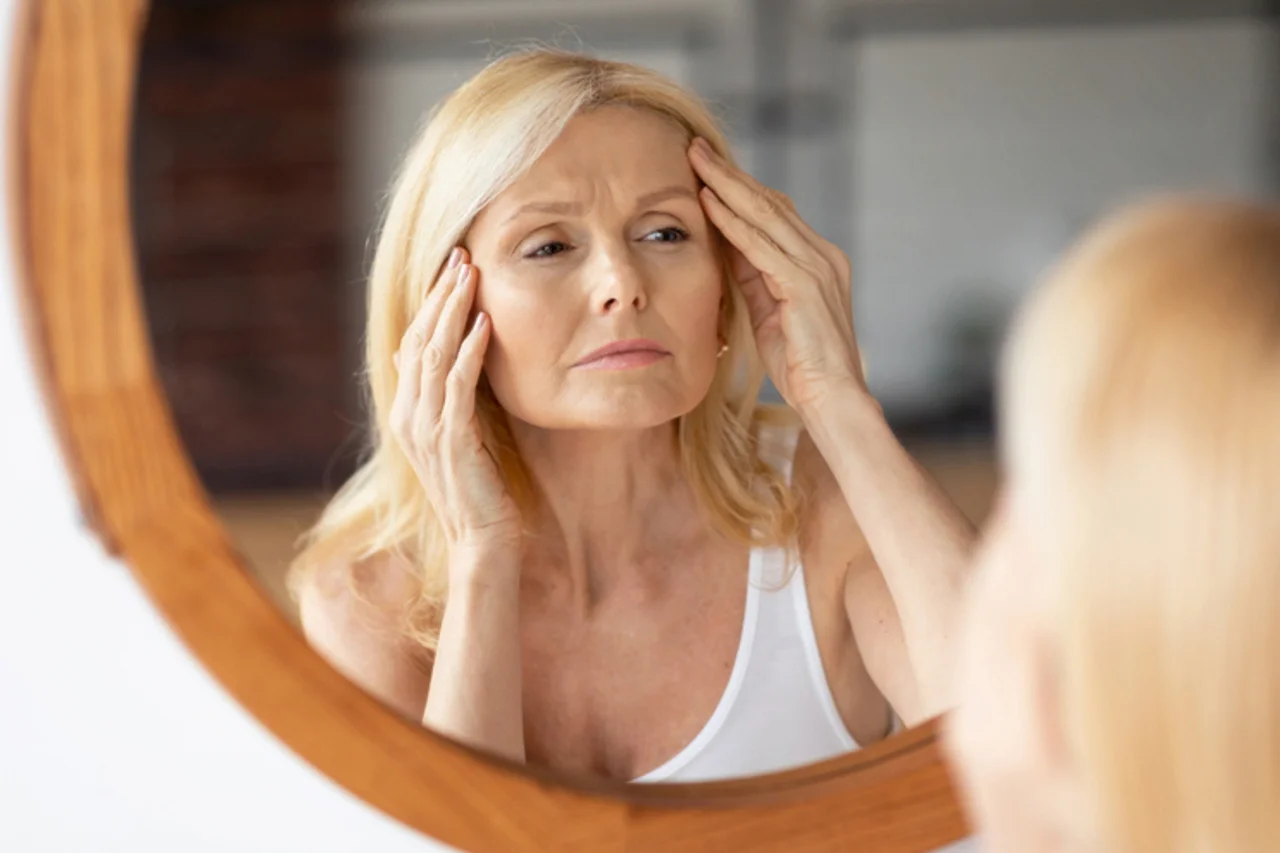
From a medical standpoint, the ideal candidates among older adults are those who:
Have mild to moderate skin laxity,
Maintain a stable weight and healthy lifestyle,
And have no major contraindications such as uncontrolled diabetes or chronic infections.
Patients with very severe sagging or excessive skin folds might benefit more from a combined approach — for example, thread lifting for mid-face support and acupuncture-based skin tightening to enhance surface elasticity.
Interestingly, Korean studies and clinical reports show that combining PDO thread lifting with collagen acupuncture can increase skin elasticity scores by up to 30–40% over six months, compared to thread lifting alone. This synergy is exactly what we emphasize in our clinic’s treatment design.
Emotional Well-Being and Confidence After 50
Beyond the physical results, thread lifting often carries a psychological benefit that we can’t ignore.
Many of our older patients share how the procedure helps them feel “refreshed” and “recognizable” again — not dramatically changed, but restored to how they looked five or ten years ago.
That emotional uplift is powerful. In Korean culture, looking youthful is not about vanity; it’s often about maintaining energy (Gi) and confidence in both personal and professional relationships.
And when thread lifting is performed with respect for natural aging — rather than trying to erase it — it becomes a deeply positive, empowering experience.
The Bottom Line
So, is thread lifting safe for older adults?
Yes — when it’s done thoughtfully, holistically, and by skilled hands.
More Articles
Continue reading clinical guides from Arine Korean Medicine Clinic.
Postpartum Swelling? How Korean Medicine Can Help You Heal Faster
Discover how Korean medicine reduces postpartum swelling and speeds up recovery naturally. Learn proven remedies for faster healing after childbirth.
Learn More

How Keep Sticks Help You Stick to Your Weight Loss Goals
Discover how Korean medicine reduces postpartum swelling, speeds healing, and restores balance naturally. Learn more about holistic recovery today!
Learn More
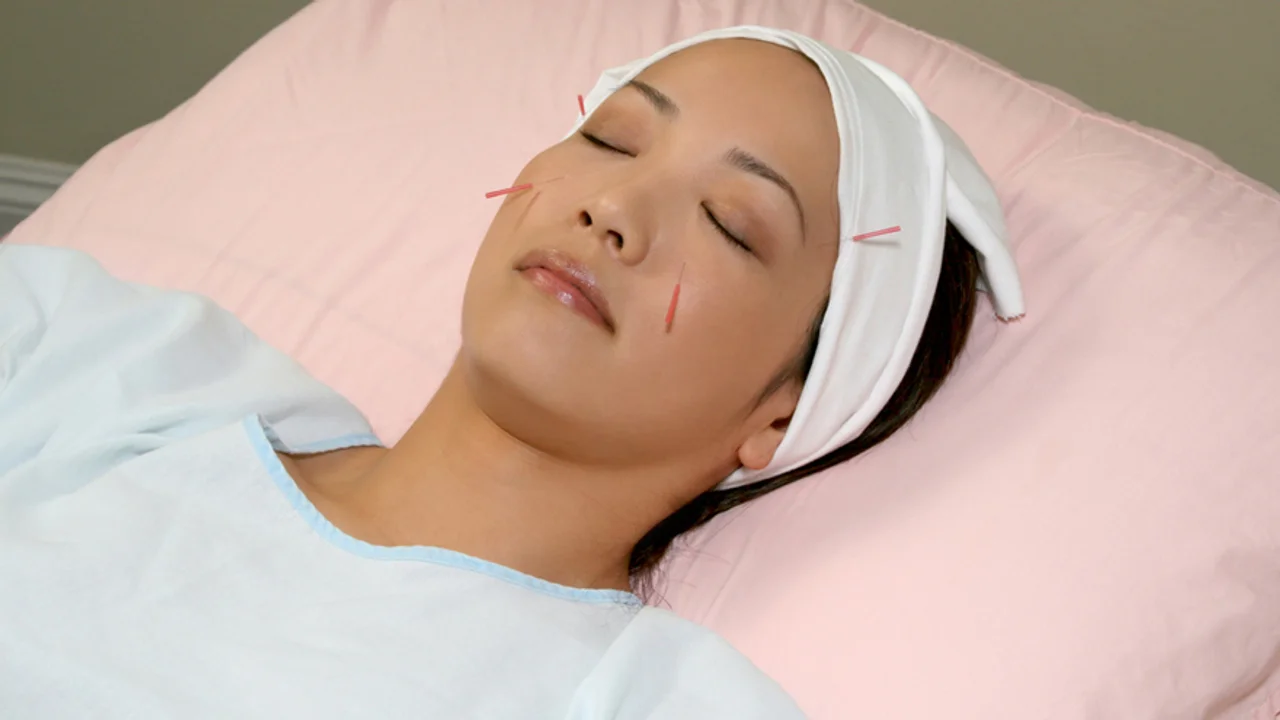
Is Acupuncture the Key to Finally Beating Persistent Pain?
Discover how acupuncture may help relieve chronic pain naturally. Explore its benefits, effectiveness, and if it's right for you. Learn more today!
Learn More