Personalized Korean Medicine & Weight Management in Gangnam, Seoul · International Patient Concierge


Medical Guide
Is Summer the Best Time to Start Postpartum Recovery with Herbal Medicine?
Wondering if summer is ideal for postpartum recovery? Discover how herbal medicine supports healing, energy, and balance during the season. Learn more now!
Schedule a ConsultationIn Korea, postpartum care isn't just a recommendation — it's a cultural cornerstone. Known as sanhujori (산후조리), this tradition emphasizes deep healing after childbirth, and for good reason. The months following delivery set the foundation for a mother’s long-term physical and emotional well-being. But is there such a thing as the "perfect" time to start postpartum recovery? And could summer hold a unique advantage?
At Arine Korean Medicine Clinic in Gangnam, we see many new mothers ask this very question. So let’s look at the role of timing — especially in the summer — through the lens of herbal medicine and traditional Korean wisdom.
Why Timing Matters in Postpartum Care

Postpartum recovery isn’t just about bouncing back — it’s about rebuilding. In Korean medicine, childbirth is seen as a moment when vital substances like qi (energy), hyeol (blood), and jing (essence) are depleted. If not properly restored, this deficiency can lead to chronic fatigue, hormonal imbalance, joint pain, or even emotional instability months — or years — later.
Herbal medicine is one of the most effective ways to address these imbalances. But just as farmers plant in spring for a summer harvest, starting care during the right season can enhance outcomes.
Summer’s Unique Advantages for Postpartum Recovery
To be honest, summer might be the most supportive season for early postpartum care. Here's why:
Warmer temperatures aid circulation: Warmth promotes better blood flow, which helps herbal formulas circulate more effectively. In contrast, colder seasons often require more warming herbs and can slow recovery.
Lower risk of cold exposure: One core principle in sanhujori is avoiding cold — in food, in surroundings, and even in emotions. Summer naturally reduces this risk, making it easier to maintain internal warmth.
Peak season for healing herbs: Many of the botanicals used in postpartum care, such as danggui (Angelica sinensis), saenggang (ginger), and gugija (goji berries), are harvested at their most potent around late spring and early summer. Fresher herbs often mean more effective results.
Mood and vitamin D support: Sunlight exposure helps regulate sleep cycles and mood — two things often disrupted after childbirth. This can naturally support a smoother emotional recovery.
Readiness Over the Calendar
Still, it’s important to say this: no season can replace personal readiness.
We’ve treated mothers who were physically depleted or emotionally overwhelmed in those first few weeks — and no matter how warm the weather was, their bodies simply needed more time. That’s why at Arine, our treatments are always tailored. We assess pulse, digestion, sleep quality, bleeding patterns, and more before prescribing even a single herb.
The real question isn’t just when — but how prepared is your body to heal?
What Herbal Medicine Does During Postpartum
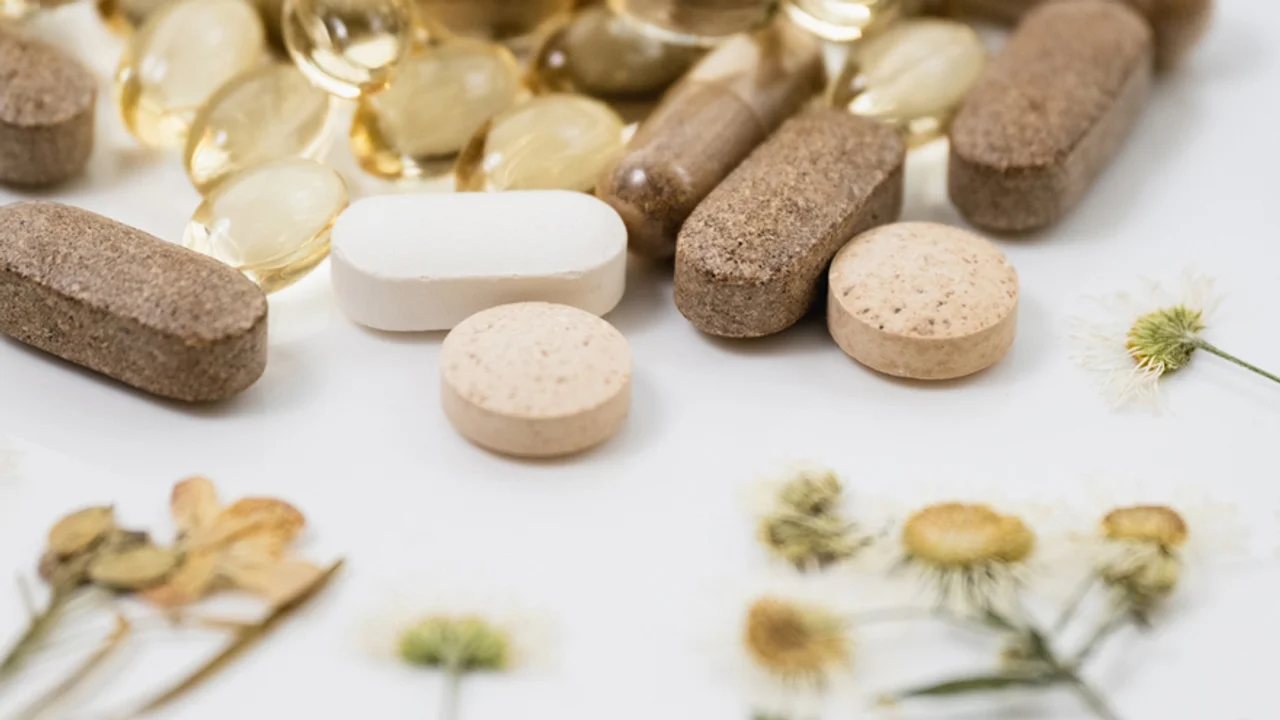
Herbal formulas used in postpartum care aren’t generic tonics. They’re carefully calibrated to:
Rebuild blood and replenish energy: Especially vital for women with long labors or excessive bleeding.
Support uterine recovery: Helping the uterus contract and cleanse properly.
Regulate hormones: Many herbs act on the endocrine system to ease the hormonal rollercoaster.
Promote digestion and nutrient absorption: Postpartum digestive sluggishness is common. Certain herbs reduce bloating and enhance nutrient uptake.
Reduce swelling and water retention: Especially helpful during humid Korean summers, when edema can be worse.
Our clinic often combines herbal prescriptions with gentle acupuncture or moxibustion (heat therapy) to further support recovery — treatments that feel particularly soothing in warm weather.
How We Approach Seasonal Postpartum Strategies at Arine
Think of the postpartum body like a garden. Cold, depleted soil needs the right conditions to support regrowth. Summer, with its natural warmth and longer days, offers fertile ground — but only if the seeds (your internal strength) are ready.
Dr. Seungseok Chae, our clinic’s director, blends this seasonal awareness with modern diagnostics, offering custom treatments that reflect both the external season and internal condition.
For example, a summer-born baby doesn’t automatically mean summer recovery is best. A mother who labored indoors with air conditioning may still be carrying internal coldness. That’s why we never rely on the calendar alone.
Real Patient Results from Summer Recovery

We’ve seen it firsthand: mothers who began recovery protocols in summer often report quicker recovery of energy, less postpartum bleeding, and more emotional stability. Many say their digestion feels smoother, their sleep more restful — benefits that ripple out to their babies and families.
One patient, a 34-year-old first-time mother, came to us in July feeling drained and emotionally fragile. Within four weeks of tailored herbal care and biweekly acupuncture, she reported stronger stamina, better sleep, and a renewed sense of calm.
Cultural Wisdom: Why Korean Mothers Trust Summer
Traditionally, Korean mothers observed at least 21 days of strict rest post-delivery — often longer. Summer naturally supports this with warmth, fresh foods, and less need for heating. It’s no coincidence that herbal baths, warm broths, and foot soaks are more comforting when the weather is on your side.
In Gangnam, where modern moms are balancing tradition with busy lifestyles, we see a rising demand for postpartum programs that feel both holistic and practical. Many mothers come in looking for natural ways to prevent issues like postpartum obesity, back pain, or irregular menstruation — areas where herbal medicine shines.
What If It’s Not Summer? Don’t Worry.
If you're reading this in autumn or winter, don’t panic — effective postpartum care doesn’t expire.
Many mothers start herbal therapy weeks or even months after birth. While summer offers some natural advantages, the true success of postpartum recovery lies in consistent, personalized treatment.
In fact, starting care in fall or winter often requires slightly different herbal profiles — richer, warmer formulas — which we adjust accordingly.
When Should You Start?
Here’s our honest take:
If you’re within 1–2 months postpartum and it’s summer — yes, it’s an excellent time to start recovery with herbal medicine.
If you feel emotionally grounded and physically ready, even better.
But if your body is still reeling from childbirth, it’s okay to wait a bit. What matters is that you get the right care when your body is ready — not just because the calendar says so.
At Arine Korean Medicine Clinic, we’re here to help you understand your own rhythms, not force you into one-size-fits-all programs. If you’ve been wondering when to begin your healing — summer might offer a beautiful opening. But the real green light comes from within.
If you’ve been struggling with postpartum recovery or want to explore natural, holistic ways to heal, consider scheduling a consultation at Arine Korean Medicine Clinic.
Here, your story guides your care — and every season holds the potential for renewal.
More Articles
Continue reading clinical guides from Arine Korean Medicine Clinic.

Postpartum Swelling? How Korean Medicine Can Help You Heal Faster
Discover how Korean medicine reduces postpartum swelling and speeds up recovery naturally. Learn proven remedies for faster healing after childbirth.
Learn More

How Keep Sticks Help You Stick to Your Weight Loss Goals
Discover how Korean medicine reduces postpartum swelling, speeds healing, and restores balance naturally. Learn more about holistic recovery today!
Learn More

Is Acupuncture the Key to Finally Beating Persistent Pain?
Discover how acupuncture may help relieve chronic pain naturally. Explore its benefits, effectiveness, and if it's right for you. Learn more today!
Learn More