Personalized Korean Medicine & Weight Management in Gangnam, Seoul · International Patient Concierge


Medical Guide
Is Acupuncture Painful? What to Expect at Your First Session
Wondering if acupuncture hurts? Discover what to expect at your first session, from sensations to benefits. Ease your nerves and learn more before you try!
Schedule a ConsultationIntroduction
When people first hear the word acupuncture, they often imagine a row of sharp needles piercing the skin — and instinctively recoil. The truth, however, is far gentler. At Arine Korean Medicine Clinic, we see this reaction almost daily, especially among first-time patients who walk in with curiosity and a hint of nervousness. But within minutes of starting their first session, their faces soften, their breathing slows, and most end up saying the same thing:
“That wasn’t painful at all — it was actually relaxing.”
So, is acupuncture painful? Not really. But to understand why, we need to look beyond the needles and into what’s truly happening in your body.
Understanding Acupuncture: A Gentle Dialogue With the Body

Acupuncture is one of the most recognized therapies in Korean and traditional East Asian medicine, developed over thousands of years to help the body restore its own natural rhythm. Rather than “injecting” or “cutting,” acupuncture works more like a conversation — a gentle signal sent through precise points on the body, encouraging balance in the flow of Qi (vital energy), blood, and fluids.
From a biomedical perspective, acupuncture stimulates the nervous system, promoting the release of endorphins, improving circulation, and reducing inflammation. This is why it’s used not only for pain management but also for issues like stress, fatigue, digestion, hormonal imbalance, and even weight regulation.
At Arine, we combine these ancient principles with modern anatomical understanding, ensuring that every needle is placed with both precision and intention — tailored to the individual’s body type, constitution, and health goals.
What Does Acupuncture Feel Like?
Let’s get to the heart of the question: what do the needles actually feel like?
Most patients are surprised to learn that acupuncture needles are extremely fine — about the width of a human hair. They’re nothing like the hypodermic needles used in hospitals for injections or blood draws. Because they’re so thin, they slide gently into the skin with minimal sensation.
Here’s what you might feel instead:
A soft tingling or dull ache: This is a positive sign — it means the needle has reached the correct depth and is stimulating your body’s healing response.
A sense of warmth or heaviness: Especially common when treating muscle tension or circulation issues.
A wave of calm or sleepiness: Many people drift into a light nap during the session — a state we call “acu-bliss.”
If a needle ever feels sharp or uncomfortable, your doctor will adjust it immediately. Communication is key; acupuncture is not meant to hurt.
The First Session: Step-by-Step at Arine Korean Medicine Clinic
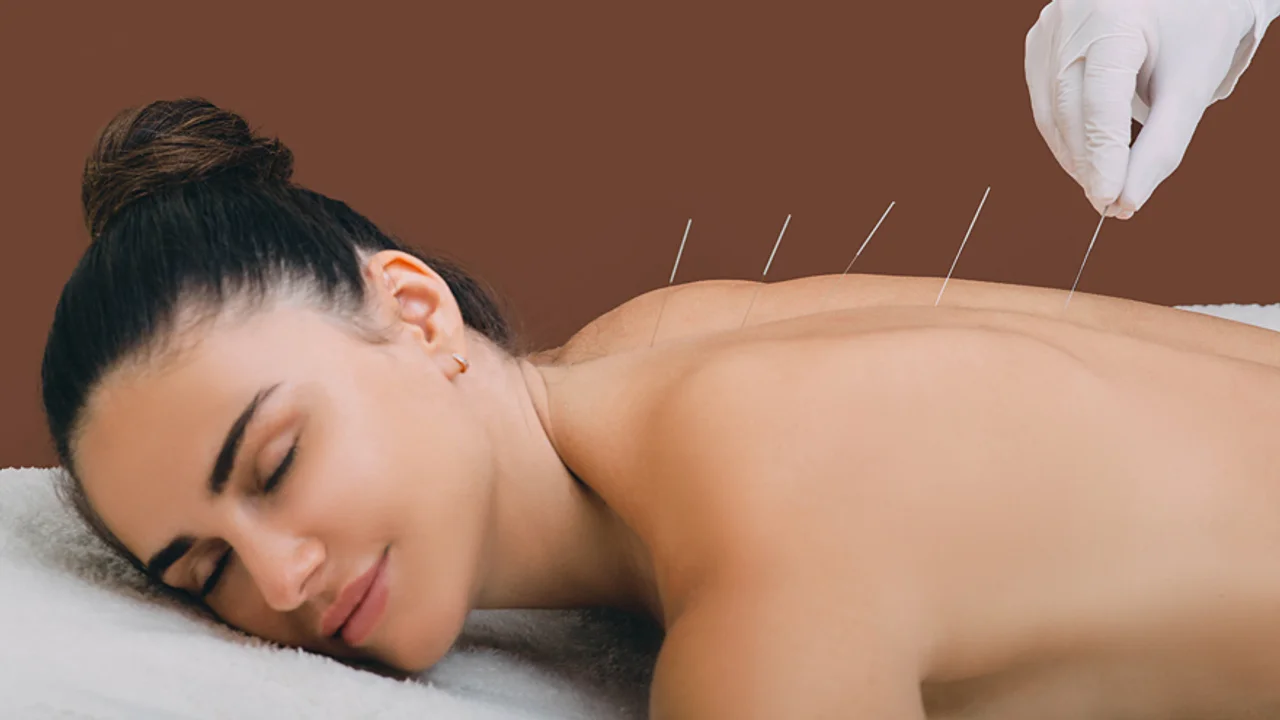
If it’s your first time receiving acupuncture, knowing what to expect can help ease your mind. Here’s how we approach it at Arine Korean Medicine Clinic in Gangnam.
1. A Detailed Consultation
Every session begins with an in-depth conversation. Dr. Seungseok Chae — our lead physician and specialist in Korean medicine — listens to your concerns, medical history, lifestyle, and daily patterns. This is not a quick check-in; it’s a holistic review of how your body and mind interact.
For instance, a patient seeking relief for back pain might also share symptoms like poor sleep or digestive discomfort. These clues help us understand the root cause rather than just the surface symptom.
2. Personalized Diagnosis
Using pulse, tongue, and abdominal diagnosis — traditional methods used in Korean medicine — Dr. Chae identifies the pattern of imbalance. Whether it’s “Qi stagnation,” “cold-dampness,” or “yin deficiency,” the diagnosis helps determine the treatment points and accompanying therapies, such as cupping or moxibustion.
3. The Acupuncture Treatment
You’ll be asked to lie comfortably on a treatment bed. The environment is calm, softly lit, and warm — many patients describe it as spa-like.
The doctor disinfects each area before inserting sterile, single-use needles at selected acupoints. Most patients feel only a faint pinch or nothing at all. Within minutes, the body begins to relax as blood flow improves and tension eases.
Sessions typically last 20–30 minutes, depending on your condition.
4. Post-Treatment Care
After the needles are removed, you may feel light, refreshed, or even pleasantly drowsy. Some patients report better sleep or improved mood later that day.
We recommend avoiding strenuous activity or caffeine for a few hours to allow your body to absorb the effects fully.
Does Acupuncture Ever Hurt?
While most people experience minimal or no pain, a few sensations are completely normal — and even therapeutic:
Mild soreness or heaviness at the needle site for a few hours afterward.
Small bruises (rare, and typically harmless).
Temporary fatigue as your body adjusts to the treatment.
Think of acupuncture like exercise for your nervous system — sometimes a little soreness means it’s working. However, pain is never the goal. Skilled practitioners, like those at Arine, know how to read your body’s feedback and adjust in real time.
Why People Fear Acupuncture — And Why They Usually Change Their Mind
It’s human nature to associate needles with pain, but acupuncture defies that expectation. What people often overlook is that acupuncture doesn’t puncture muscles or inject substances — it simply invites the body to rebalance itself.
In our clinic, we often meet patients who spent months avoiding acupuncture out of fear. But after one session, they wonder why they waited so long. Especially for chronic pain, hormonal imbalance, and postnatal recovery, acupuncture provides relief that’s both gentle and profound.
For postpartum women, for example, acupuncture helps regulate hormones, improve circulation, and ease tension accumulated during pregnancy and delivery — without medication. For others struggling with stress, sleep, or weight management, it helps restore internal balance, which naturally improves metabolism and energy.
The Arine Approach: Where Tradition Meets Modern Comfort

What makes Arine Korean Medicine Clinic unique is our philosophy: healing should never feel harsh. Every acupuncture session is designed to be both therapeutic and restorative — a quiet pause in your busy life, where the body remembers how to heal itself.
We often combine acupuncture with herbal diet therapy, moxibustion, or lipolytic needle therapy depending on the individual’s health goals — whether that’s pain relief, postpartum recovery, or aesthetic body contouring.
Our patients describe the experience not as “medical,” but as “transformative.”
Key Takeaway: Acupuncture Should Never Be Painful
If you’ve been putting off acupuncture because you’re afraid it will hurt, know this — in the hands of an experienced Korean medicine doctor, it’s a deeply calming, almost meditative experience. The goal is not to endure pain, but to release it.
At Arine Korean Medicine Clinic, we see acupuncture as a dialogue between the body and mind — a moment of connection that sparks healing from within.
If you’ve been struggling with chronic tension, postpartum recovery, or looking for a more natural path to wellness, consider scheduling a consultation with us. Your first session might surprise you — not with pain, but with peace.
More Articles
Continue reading clinical guides from Arine Korean Medicine Clinic.

Postpartum Swelling? How Korean Medicine Can Help You Heal Faster
Discover how Korean medicine reduces postpartum swelling and speeds up recovery naturally. Learn proven remedies for faster healing after childbirth.
Learn More

How Keep Sticks Help You Stick to Your Weight Loss Goals
Discover how Korean medicine reduces postpartum swelling, speeds healing, and restores balance naturally. Learn more about holistic recovery today!
Learn More
Is Acupuncture the Key to Finally Beating Persistent Pain?
Discover how acupuncture may help relieve chronic pain naturally. Explore its benefits, effectiveness, and if it's right for you. Learn more today!
Learn More