Personalized Korean Medicine & Weight Management in Gangnam, Seoul · International Patient Concierge
Medical Guide
How to Use Korean Herbal Medicine for Chronic Leg Swelling
Learn how Korean herbal medicine can help reduce chronic leg swelling naturally. Discover top remedies, benefits, and how to get started. Book a consult today!
Schedule a ConsultationIf you’re dealing with persistent swelling in your legs — what we commonly call oedema, especially when it becomes chronic — it’s completely understandable to feel frustrated, worried or unsure. I’m writing this from the perspective of a Korean medicine clinic (Arine Korean Medicine Clinic), where we see how leg swelling ties into circulation, fluid balance, inflammation, and the deeper underlying patterns of imbalance. Below I’ll explain what chronic leg swelling is (in Korean medicine terms and Western terms), why it happens (or persists), and how herbal Korean-medicine therapy can support it — along with what to watch out for.
What exactly is chronic leg swelling?
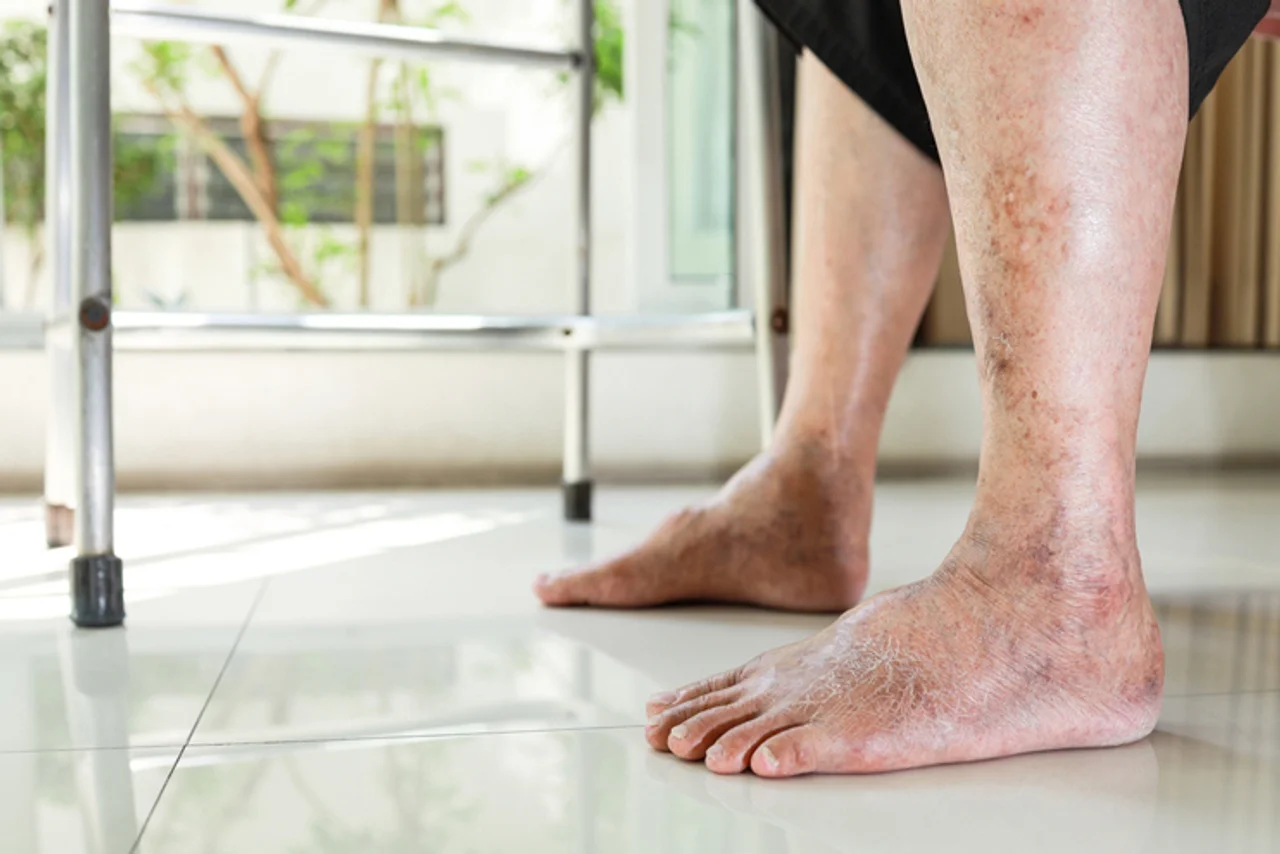
Imagine your legs as two containers. Normally, fluid flows in and out, and the “volume balance” is maintained. But when fluid starts leaking out of the vessels, or when return flow is impeded, or when you have excess retention, the “containers” bulge — that’s oedema. This swelling is not just a cosmetic or comfort issue. Over time, chronic oedema can interfere with mobility, tissue oxygenation, and even immune defense in the affected area.
Western-medicine view
In Western terms, leg swelling (oedema of the lower limbs) can come from many causes:
Fluid retention due to heart failure, kidney issues, liver disease, or low protein levels
Venous insufficiency or varicose veins
Lymphoedema (damage to lymphatic return)
Local inflammation or infection
Certain medications or lifestyle factors (e.g., prolonged sitting or standing)
If left unchecked, chronic swelling can lead to tissue damage, fibrosis, and skin changes such as hyperpigmentation or thickening. In severe cases, it can result in venous ulcers or cellulitis, especially in elderly or immunocompromised individuals.
Korean medicine (KM) perspective
In Korean medicine, chronic leg swelling reflects fluid stagnation, impaired circulation of Qi and Blood, and dysfunction in organs responsible for fluid metabolism (especially the Spleen, Kidney, and sometimes Liver systems). In simple terms:
If the body’s “processor” (like the Spleen system) isn’t converting and moving fluids well, water accumulates.
If the “channels” or vessels are blocked, return flow is disrupted.
If there’s inflammation or tissue damage, more fluid leaks into the tissues.
The concept of "dampness" is crucial in Korean medicine. Dampness refers to internal fluid that becomes pathological when it stagnates. In the lower limbs, this dampness settles easily due to gravity, particularly when the Spleen (responsible for transformation and transportation of fluids) is weakened. Cold or heat imbalances can further complicate the picture.
Why the "chronic" part matters
When swelling persists, it signals that deeper, long-standing imbalances are present. Over time, tissues adapt and chronic changes occur, making it harder to resolve. Each recurrence sets the stage for further damage. Chronic oedema doesn’t just affect the legs; it can also reflect an overall state of constitutional depletion or organ stress that deserves a holistic, multi-layered treatment approach.
Why Korean-herbal medicine can help
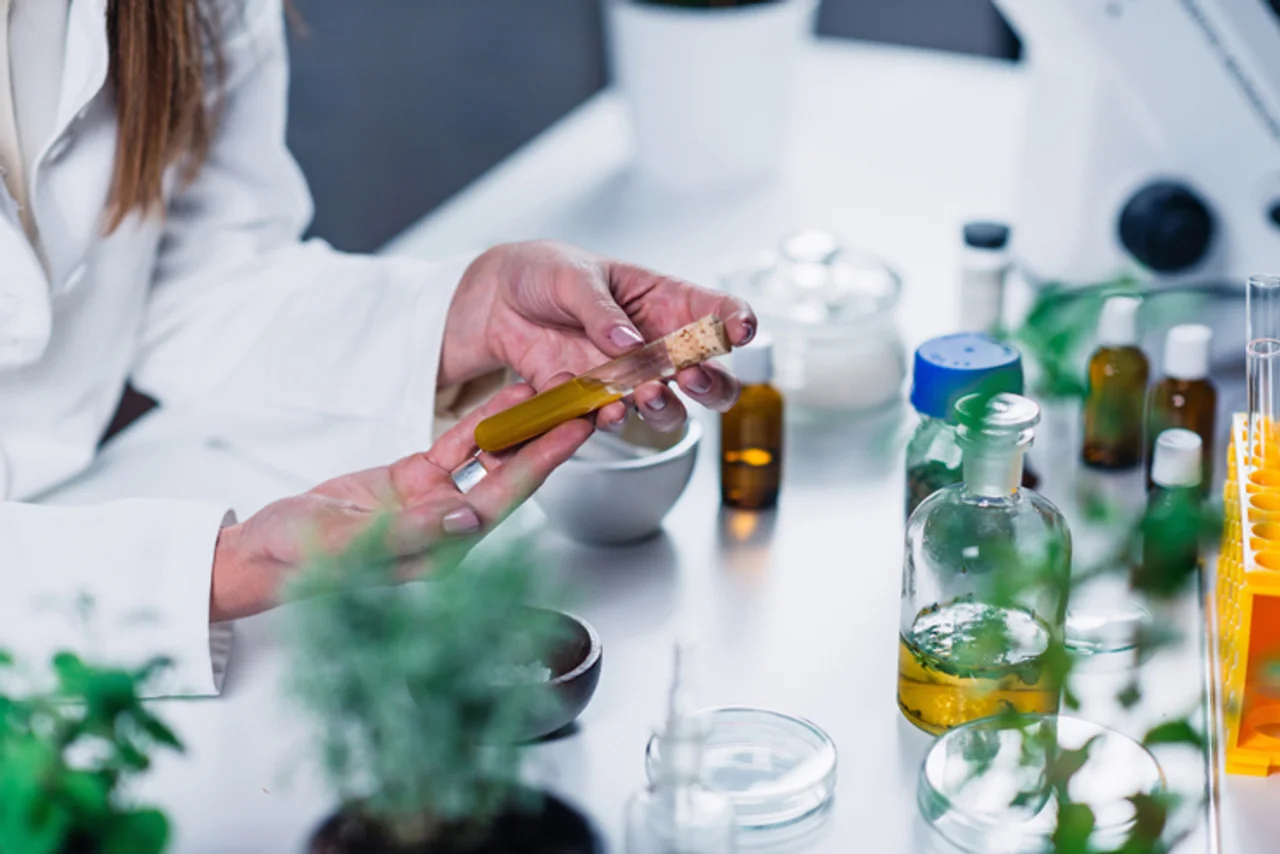
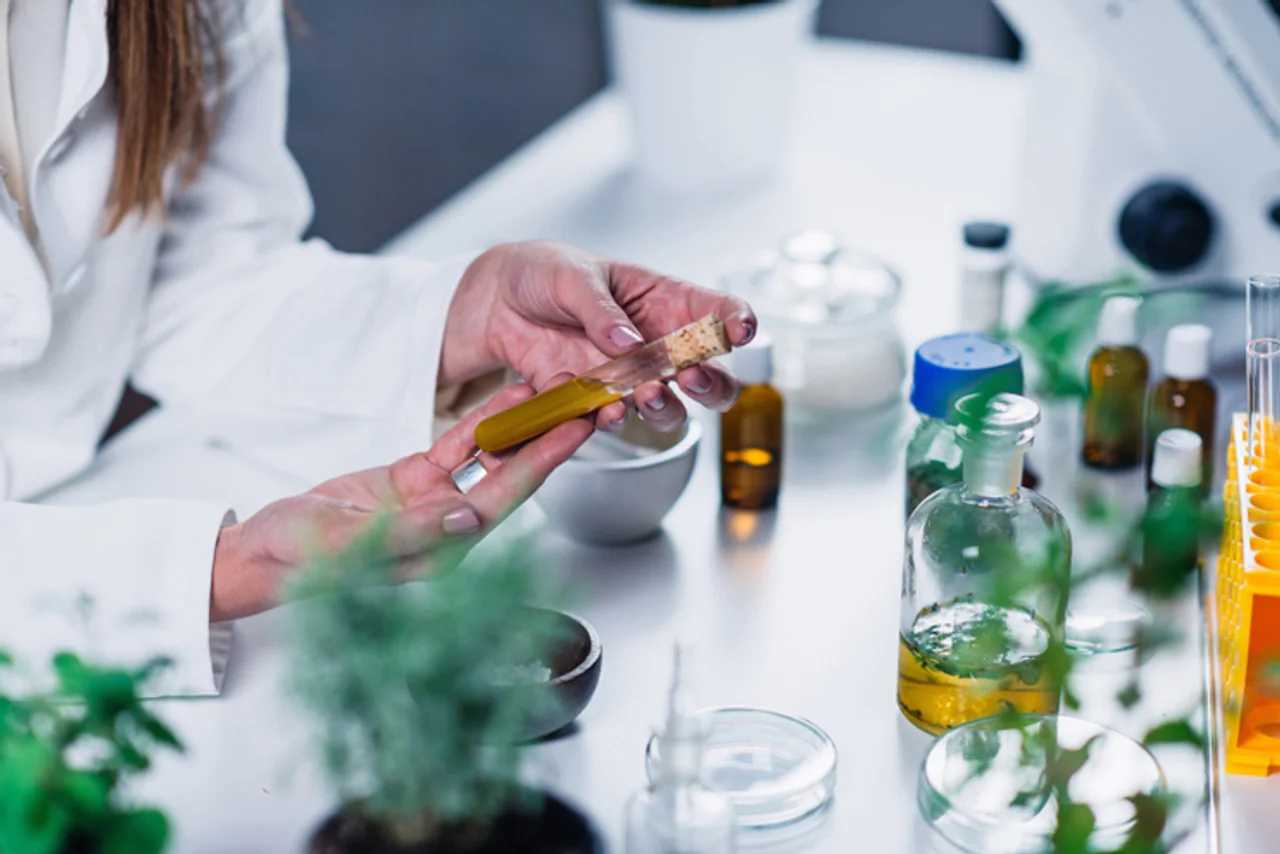
At our clinic, we focus on the root: poor fluid metabolism, circulation issues, inflammation, and organ imbalances. Herbal medicine allows us to address multiple layers of the problem. Importantly, it does so without the side effects that sometimes come with diuretics or anti-inflammatory medications, especially in sensitive populations.
Evidence and clinical insights
Though research is still growing, clinical cases show how herbal medicine has helped patients with leg swelling resistant to conventional therapies. Herbal formulas have reduced leg circumference, improved comfort, and supported better fluid metabolism. Practitioners often report that Korean herbal medicine succeeds where standard treatments stall.
Patients often report that the swelling becomes lighter, the sensation of heaviness improves, and their legs feel less fatigued at the end of the day. In cases where swelling is linked to post-surgical recovery or hormonal imbalances, herbs can be tailored to target those root patterns without disrupting the body's natural rhythms.
How herbal medicine addresses the mechanisms
Improving fluid metabolism: Herbs strengthen the Spleen-Qi to move fluid out of tissues. This includes ingredients that promote urination gently while restoring balance.
Invigorating Qi and Blood circulation: Prevents stagnation and fluid buildup. When blood and Qi flow freely, excess moisture is less likely to accumulate.
Clearing heat and stasis: Reduces local inflammation and swelling, especially in cases where the legs feel warm or appear red.
Supporting vital organs: Herbs that support the Kidney or Liver systems help with underlying causes such as hormonal imbalance, aging, or fatigue.
Enhancing microcirculation: Improves capillary function, lymphatic drainage, and overall tissue health. This is key for long-term improvement.
Why it works when other methods don’t
Standard care often emphasizes diuretics and symptom management. Korean herbal therapy focuses on underlying imbalances, and can succeed where diuretics alone fail. Additionally, patients who are sensitive to medications or already managing complex conditions (such as hypertension, diabetes, or autoimmune disorders) often benefit from the gentle, personalized approach of Korean medicine.
Our approach at Arine Clinic
Here’s how we approach chronic leg swelling holistically:
Step A: Assessment
Full medical history, symptom pattern, and lifestyle analysis
Physical assessment: swelling pattern, skin condition, temperature, circulation
Korean medicine diagnostics: pulse, tongue, digestion, urination, overall constitution
We ask about timing (e.g., worse in morning or evening?), quality (pitting vs non-pitting?), and associated symptoms such as fatigue, bloating, cold sensitivity, or digestive issues. These clues guide our diagnosis.
Step B: Herbal prescription
Based on your pattern, we may use:
Spleen-strengthening herbs: Atractylodes, Poria, Licorice — to support digestion and fluid transformation
Circulation-promoting herbs: Angelica, Salvia, Ligusticum — to invigorate Blood and Qi
Heat-clearing and stasis-resolving herbs: Gardenia, Red Peony, Forsythia — for inflamed, warm swelling
Kidney/Liver tonics: Rehmannia, Cornus, Alisma — for long-standing cases with fatigue or coldness
These formulas are tailored each week depending on symptom progression, tongue and pulse changes, and overall constitution. In many cases, we combine them with acupuncture and cupping therapy to enhance local circulation and support lymphatic drainage.
Step C: Lifestyle and adjunctive care
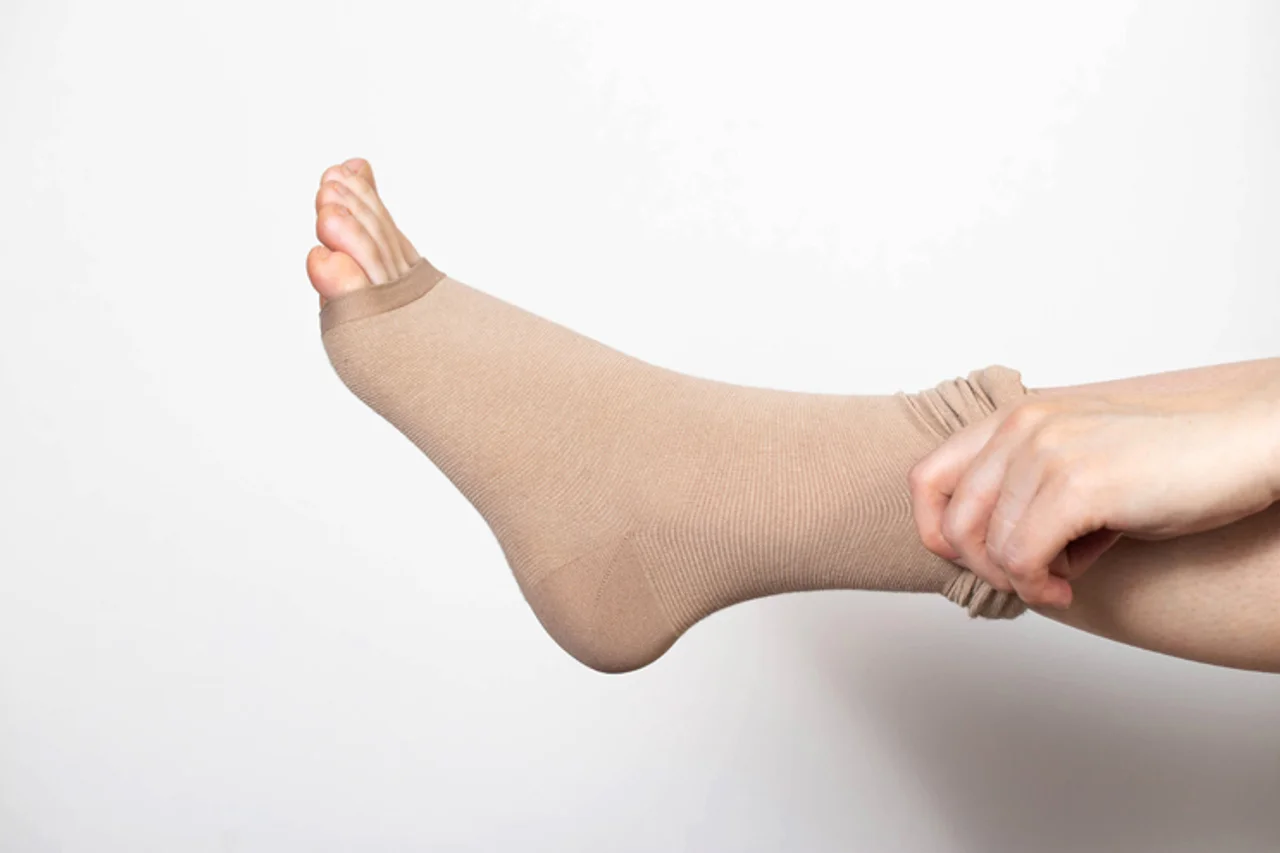
Leg elevation: 20–30 minutes, 2–3 times daily
Compression support: Graduated stockings or wraps if venous return is poor
Exercise: Walking, swimming, leg lifts — activities that activate the calf-muscle pump
Dietary guidance: Focus on warm, cooked foods; reduce cold or raw intake; cut down on processed and salty items
Massage and hydrotherapy: Gentle leg massage and alternating warm/cool foot baths can assist circulation
Sleep and stress management: Quality rest supports organ systems; stress often disrupts fluid metabolism indirectly
When patients adopt these strategies consistently alongside herbal therapy, we see more sustainable, long-term improvements.
Step D: Monitoring and adjustment
We track:
Leg circumference and weight changes
Subjective symptoms (e.g., heaviness, tingling, fatigue)
Skin and tissue quality
Associated issues like urination, digestion, and energy levels
For most patients, noticeable improvements occur within 3–4 weeks. However, for chronic or older cases, therapy may extend over 8–12 weeks. Regular re-evaluation ensures the formula evolves with the patient's condition.
When to be cautious
Always watch for signs that swelling may indicate a more serious issue:
One-sided swelling with pain or redness (possible DVT)
Swelling plus shortness of breath or chest pain (heart failure or embolism)
Significant changes in urination or kidney function
Signs of liver disease or rapid worsening
These symptoms require urgent medical attention. Herbal care can support recovery or maintenance but must be coordinated with primary medical care when such red flags appear. Safety is always our first priority.
Herbal safety precautions
We avoid diuretic-heavy formulas in patients with kidney impairment unless carefully monitored
Herb-drug interactions are considered, especially for those on blood thinners or antihypertensive drugs
We provide full transparency to ensure patients and their physicians can communicate openly
Your next step
If basic measures haven’t worked and swelling is interfering with daily life, consider:
Booking a consultation at a trusted Korean medicine clinic
Receiving a full KM + medical pattern analysis
Starting herbal therapy with ongoing lifestyle support
Monitoring progress consistently over several weeks
At Arine Korean Medicine Clinic in Gangnam, we specialize in treating chronic swelling with natural, personalized therapies that combine time-tested tradition with modern insight. Whether your swelling is linked to circulatory issues, organ imbalance, or post-surgical recovery, we’re here to guide you toward long-term relief and internal balance.
Don’t wait for swelling to become a chronic burden. If you’re noticing persistent puffiness, discomfort, or heaviness in your legs, schedule a consultation. A custom herbal plan might just be the shift your body needs.
More Articles
Continue reading clinical guides from Arine Korean Medicine Clinic.

Postpartum Swelling? How Korean Medicine Can Help You Heal Faster
Discover how Korean medicine reduces postpartum swelling and speeds up recovery naturally. Learn proven remedies for faster healing after childbirth.
Learn More
How Keep Sticks Help You Stick to Your Weight Loss Goals
Discover how Korean medicine reduces postpartum swelling, speeds healing, and restores balance naturally. Learn more about holistic recovery today!
Learn More
Is Acupuncture the Key to Finally Beating Persistent Pain?
Discover how acupuncture may help relieve chronic pain naturally. Explore its benefits, effectiveness, and if it's right for you. Learn more today!
Learn More