Personalized Korean Medicine & Weight Management in Gangnam, Seoul · International Patient Concierge
Medical Guide
How to Manage Swelling After Childbirth With Herbal Therapy
Discover safe herbal therapies to manage swelling after childbirth, support recovery, and restore comfort naturally. Learn effective remedies and tips today!
Schedule a ConsultationIntroduction
The weeks following childbirth can feel like an emotional blur — joy mixed with exhaustion, and often, unexpected changes in your body. One of the most common (and frustrating) symptoms women experience after delivery is swelling, especially in the legs, ankles, and sometimes even the face.
Patients often ask us at Arine Korean Medicine Clinic in Gangnam: “Is this normal? How long will it last? And is there something natural I can do to recover faster?” The answer is yes — postpartum swelling is normal, but it doesn’t have to take over your recovery. Through herbal therapy, paired with rest and gentle care, many mothers find quicker relief and a smoother transition into postpartum wellness.
Why Does Swelling Happen After Childbirth?
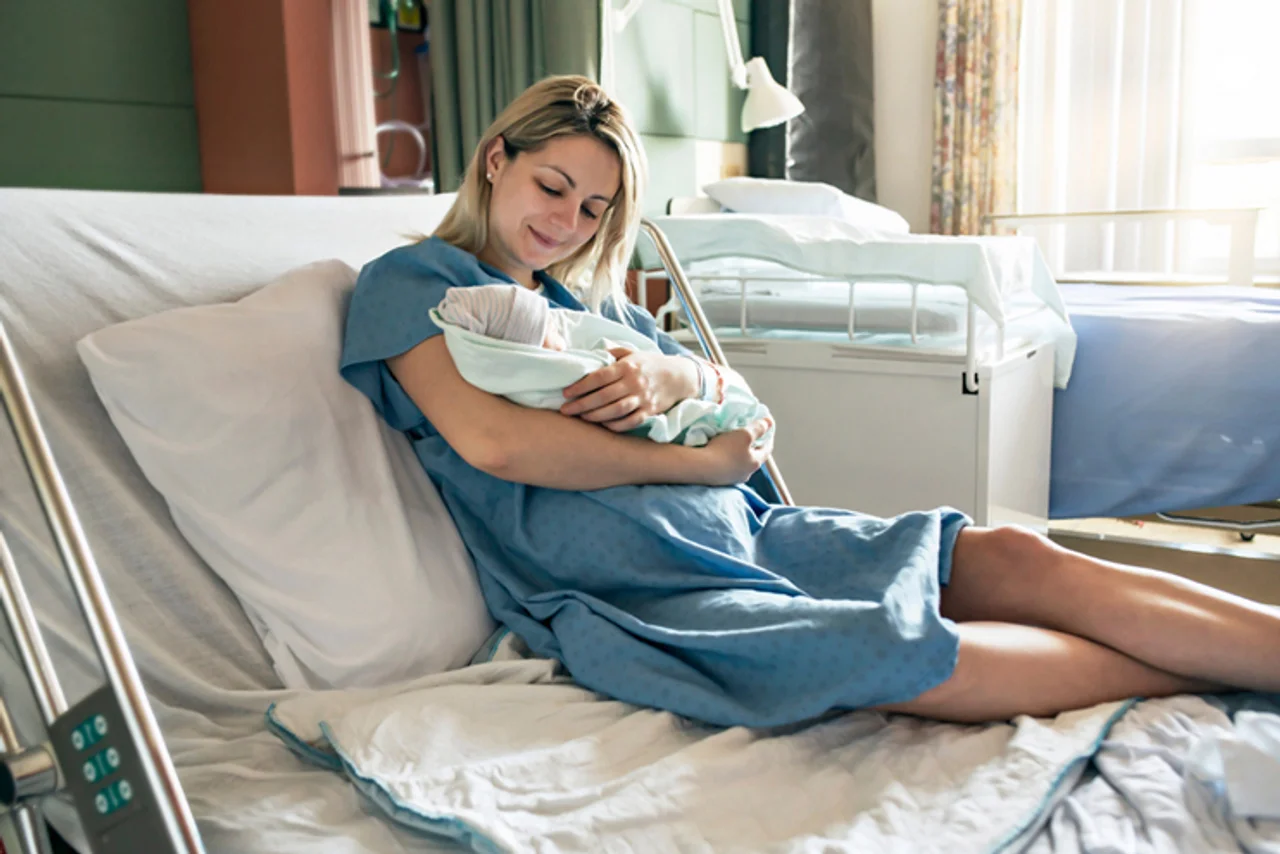
Swelling, or postpartum edema, is your body’s way of recalibrating. During pregnancy, your blood volume increases by nearly 50% to support your baby. After delivery, your body begins shedding that excess fluid — partly through urination, partly through sweating, and partly through the slow reabsorption of tissue fluid.
But here’s the catch:
Epidurals, IV fluids, and even C-sections can leave extra fluid lingering in your body.
Hormonal shifts, especially the sudden drop in progesterone, encourage your body to hold onto water.
For some mothers, limited mobility after childbirth makes it harder for circulation and lymphatic drainage to keep up.
The result? Puffy ankles, heavy legs, and sometimes swelling in the hands and face. It usually improves within 1–2 weeks, but for many women, the discomfort lingers longer than expected.
The Role of Herbal Therapy in Postpartum Swelling
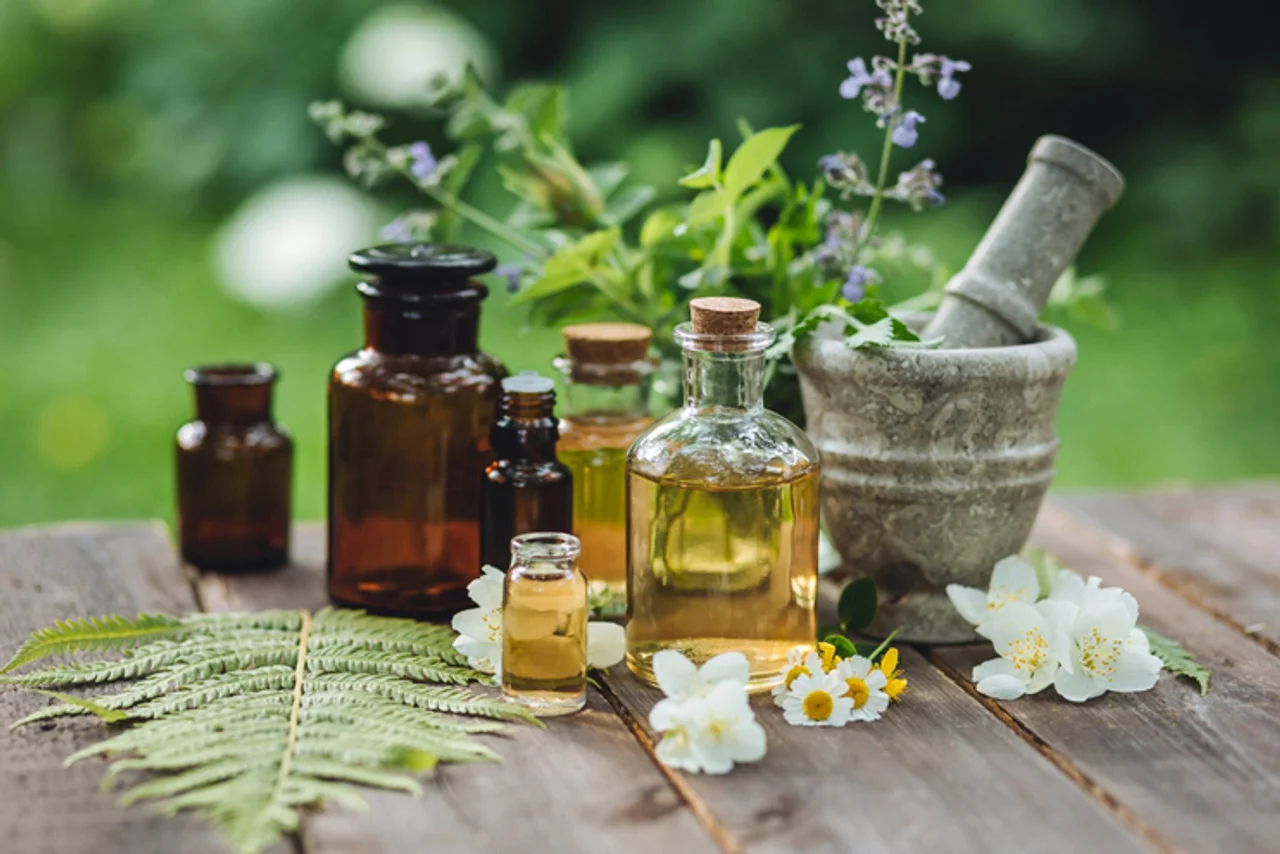
In Korean medicine, postpartum recovery is seen as a critical window for long-term health. Traditionally, swelling is understood not just as “water retention,” but as a sign of imbalance between circulation, organ function, and qi (vital energy). Herbal therapy is designed to address this imbalance from within.
Rather than offering a one-size-fits-all diuretic, a Korean Medicine Doctor carefully prescribes herbs to:
Support circulation so fluid doesn’t stagnate.
Warm the body if cold-type stagnation is slowing recovery.
Strengthen digestion (often weakened after childbirth), since a sluggish digestive system can worsen edema.
Calm inflammation and help tissues heal after delivery.
This individualized approach is one reason so many new mothers in Korea — and increasingly, abroad — turn to herbal medicine for postpartum care.
Common Herbal Formulations Used in Postpartum Edema
At Arine Clinic, prescriptions are never generic; they’re tailored to each patient’s body type, delivery method, and overall condition. Still, there are some classic herbal categories we often consider:
Herbs that promote fluid metabolism: such as Ze Xie (Alisma) or Fu Ling (Poria), which gently encourage the body to release excess water without draining strength.
Blood circulation enhancers: herbs like Dang Gui (Angelica Sinensis) and Chuan Xiong (Ligusticum) support circulation and help tissues recover.
Digestive support herbs: Bai Zhu (Atractylodes) strengthens the spleen-stomach system, improving nutrient absorption and reducing dampness.
Anti-inflammatory, tissue-healing herbs: sometimes included for mothers with swelling related to C-section recovery.
It’s important to note: the exact formula depends on whether the swelling is soft and pitting, firm and uncomfortable, warm to the touch, or associated with fatigue.
Beyond Herbs: Gentle Lifestyle Practices That Support Recovery
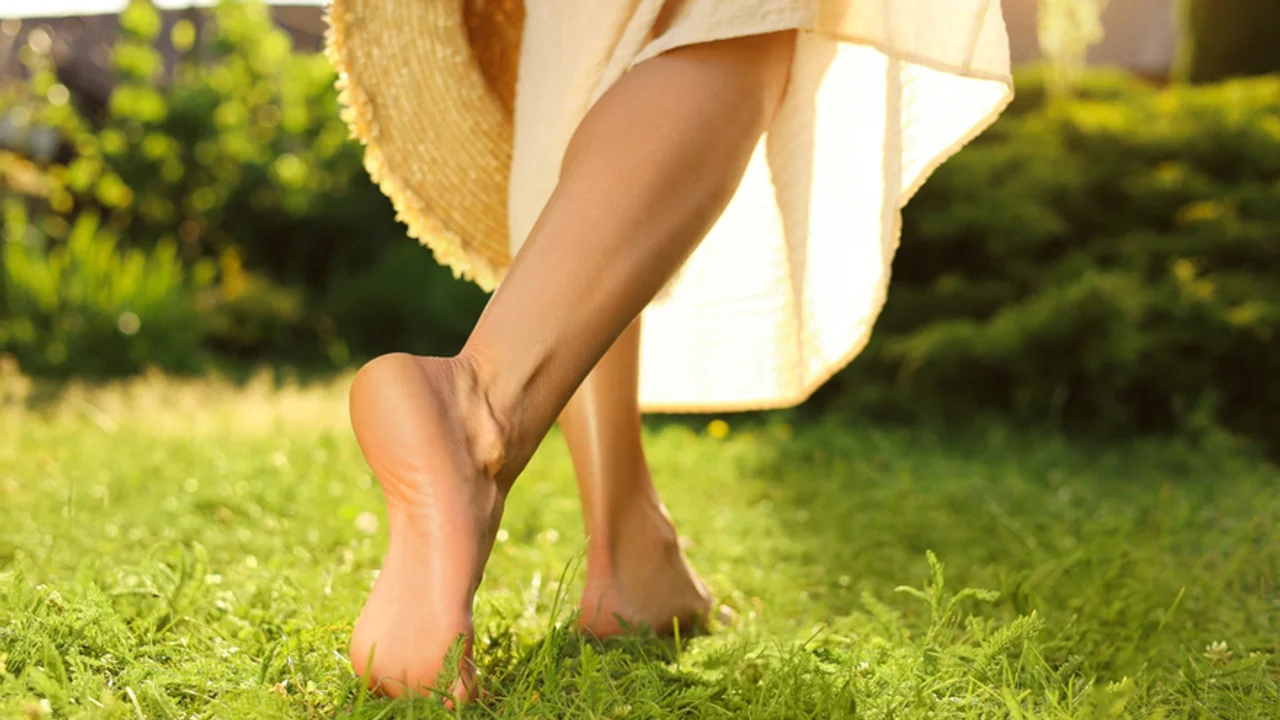
Herbal therapy works best when paired with mindful postpartum care. We often remind patients that recovery is not just about the right medicine, but also about creating conditions for healing:
Warm compresses or foot baths: Especially in Korean postpartum tradition, warmth is seen as key. Warmth supports circulation and soothes heaviness in the legs.
Light movement: Gentle walking or stretching (as tolerated) encourages lymphatic flow.
Proper rest: New mothers often underestimate how much rest their body truly needs. Sleep is one of the most powerful “circulatory tonics.”
Balanced diet: Soups and stews with warming herbs (like ginger or jujube) are traditional for a reason — they restore energy without burdening digestion.
These practices complement herbal prescriptions, ensuring the body has both the internal and external resources to recover smoothly.
What People Often Overlook
To be honest, many women accept swelling as something they just have to endure after childbirth. But prolonged or severe edema can affect not only comfort but also recovery — making it harder to walk, increasing fatigue, or even signaling deeper imbalances.
At Arine Korean Medicine Clinic, we’ve seen how early intervention with herbal therapy helps mothers avoid long-term circulation issues, persistent fatigue, or lingering pain. Postpartum care is not simply about “getting back to normal” but about laying a foundation for long-term vitality.
When to Seek Medical Attention
While swelling is common, there are times when you should not wait for herbs or home remedies. Seek urgent care if swelling is:
Sudden and severe, especially in the face or hands.
Accompanied by chest pain, shortness of breath, or headaches.
Only in one leg, with pain or redness (possible blood clot).
Herbal therapy is a supportive tool — but safety always comes first.
Finding the Right Care in Gangnam
Postpartum recovery is one of the most delicate phases of a woman’s life. Swelling may seem minor compared to the challenges of caring for a newborn, but easing it can dramatically improve comfort and energy.
If you’re in Seoul and looking for a holistic, personalized approach, Arine Korean Medicine Clinic in Gangnam offers specialized postpartum programs that combine herbal diet therapy, acupuncture, and gentle body treatments. Under the guidance of Dr. Seungseok Chae, each plan is designed with the mother’s body type, birth experience, and long-term health in mind.
A Final Word
Swelling after childbirth is your body’s way of healing — but it doesn’t mean you have to simply wait it out. With the right combination of herbal therapy, warmth, gentle movement, and rest, your body can find balance more quickly and comfortably.
If you’ve been struggling with postpartum swelling or want to support your recovery in a natural way, consider scheduling a consultation at Arine Korean Medicine Clinic. Sometimes, a little extra support in these first weeks can make all the difference in how you feel — not just now, but for years to come.
More Articles
Continue reading clinical guides from Arine Korean Medicine Clinic.
Postpartum Swelling? How Korean Medicine Can Help You Heal Faster
Discover how Korean medicine reduces postpartum swelling and speeds up recovery naturally. Learn proven remedies for faster healing after childbirth.
Learn More
How Keep Sticks Help You Stick to Your Weight Loss Goals
Discover how Korean medicine reduces postpartum swelling, speeds healing, and restores balance naturally. Learn more about holistic recovery today!
Learn More
Is Acupuncture the Key to Finally Beating Persistent Pain?
Discover how acupuncture may help relieve chronic pain naturally. Explore its benefits, effectiveness, and if it's right for you. Learn more today!
Learn More