Personalized Korean Medicine & Weight Management in Gangnam, Seoul · International Patient Concierge


Medical Guide
How to Manage Back and Neck Pain with Korean Medicine
Manage back and neck pain naturally with Korean medicine techniques like acupuncture and herbal therapy. Discover holistic relief options—learn more today!
Schedule a ConsultationIntroduction
It usually starts quietly. A stiff neck after long hours at the computer. A dull ache in the lower back after carrying groceries or sitting too long in traffic. For many people living and working in Seoul, back and neck pain has become part of daily life. In fact, surveys show that more than 70% of adults in Korea will experience neck or back pain at some point in their lives.
But just because it’s common doesn’t mean it should be ignored. At Arine Korean Medicine Clinic in Gangnam, we meet patients every day who are searching for more than just temporary relief. They want lasting, natural solutions that don’t depend on painkillers or repeated injections. Korean medicine provides answers that conventional approaches sometimes overlook—focusing not only on relieving pain but also on restoring the body’s balance so it can heal itself.
Why Back and Neck Pain Persists

What people often don’t realize is that pain is rarely just about “tired muscles.” In Korean medicine, pain is considered a signal of imbalance or obstruction in the body. This imbalance can be triggered by many modern lifestyle factors:
Sedentary routines: Long hours at desks or using smartphones lead to “tech neck,” forward head posture, and weakened core muscles.
Stress: Emotional tension often accumulates physically in the shoulders and spine, creating tightness that never fully relaxes.
Poor circulation: In Korean medicine, stagnation of blood (uhyeol) or qi (gi) can amplify inflammation and slow the body’s natural healing.
Postpartum strain: After childbirth, weakened ligaments and muscles often result in persistent back pain if not properly cared for.
Patients often say: “I stretch, I take painkillers, but the pain keeps coming back.” That’s because while medication can dull the sensation of pain, it doesn’t resolve the underlying disharmony. Korean medicine looks beyond the surface, seeking to restore proper circulation, strengthen weak areas, and correct postural or structural imbalances so the pain does not simply return.
Korean Medicine Approaches to Pain
Acupuncture for Circulation and Relief
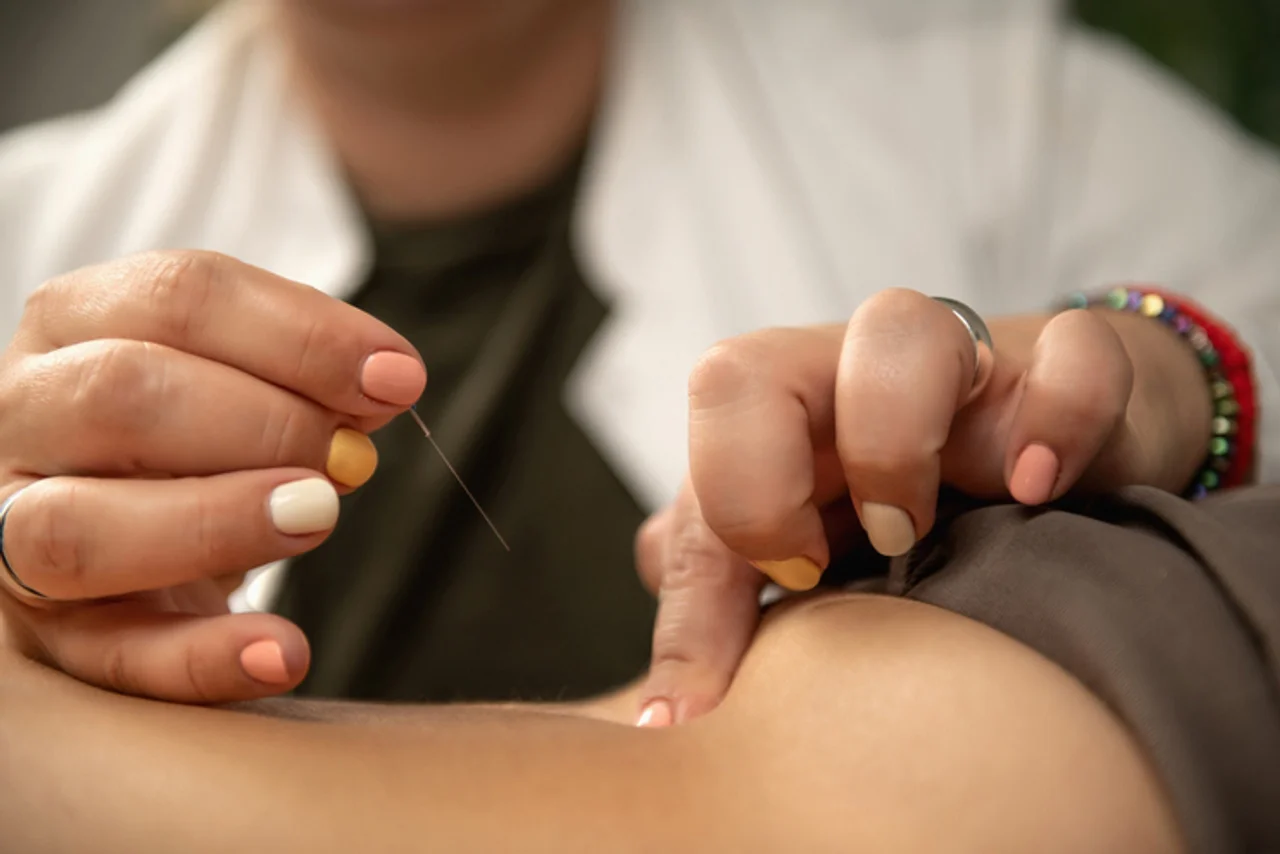
Acupuncture remains one of the most effective treatments for both acute and chronic spinal pain. By inserting fine, sterile needles at carefully chosen points, we stimulate meridians that regulate muscle tension, blood flow, and nervous system activity.
Scientific studies have confirmed that acupuncture promotes the release of endorphins, reduces inflammatory markers, and even alters pain perception in the brain. From our clinical perspective, the benefit is twofold: patients often feel immediate relief—sometimes within minutes of treatment—while also gaining longer-term improvement in posture and mobility over a series of sessions.
For example, one office worker who visited Arine complained of severe neck tightness that worsened during late-night work. After just three acupuncture sessions combined with posture correction guidance, she reported not only less pain but also better concentration, as her body no longer carried constant tension.
Herbal Medicine for Inflammation and Strength
If acupuncture is like clearing a traffic jam, herbal medicine is like repairing the roads so the flow doesn’t back up again. In Korean medicine, customized herbal formulas are prescribed to reduce inflammation, strengthen the musculoskeletal system, and restore resilience.
Commonly used herbs include Du Huo (Angelica pubescens) for lower back pain, Corydalis for pain relief, and Eucommia bark for strengthening tendons and ligaments. Unlike single-dose pharmaceuticals, these formulas are carefully balanced to support overall health while addressing pain.
We often see patients who have relied heavily on anti-inflammatory medication but still struggle with recurring pain. Once they begin herbal treatment, they notice not just reduced pain, but also improved energy, digestion, and sleep—because the formulas work systemically, not just locally.
Chuna Manual Therapy: Korean Osteopathy
Chuna therapy is sometimes described as Korea’s answer to chiropractic adjustment, but it has its own philosophy and techniques rooted in Korean medicine. Using gentle mobilization, stretching, and adjustment methods, we help realign the spine and joints.
Many back and neck issues stem from subtle misalignments—pelvic imbalance, uneven shoulders, or a forward-tilting neck. Chuna therapy addresses these directly, relieving pressure on nerves and muscles. Patients often describe the sensation as both relaxing and revitalizing, like the body is being “reset” into its natural position.
At Arine, Chuna therapy is frequently combined with acupuncture and herbal medicine for a comprehensive approach. For example, a postpartum mother with lower back weakness may receive Chuna to stabilize her pelvis, acupuncture to reduce pain, and herbal medicine to replenish her energy and blood supply.
Moxibustion and Cupping for Stagnation
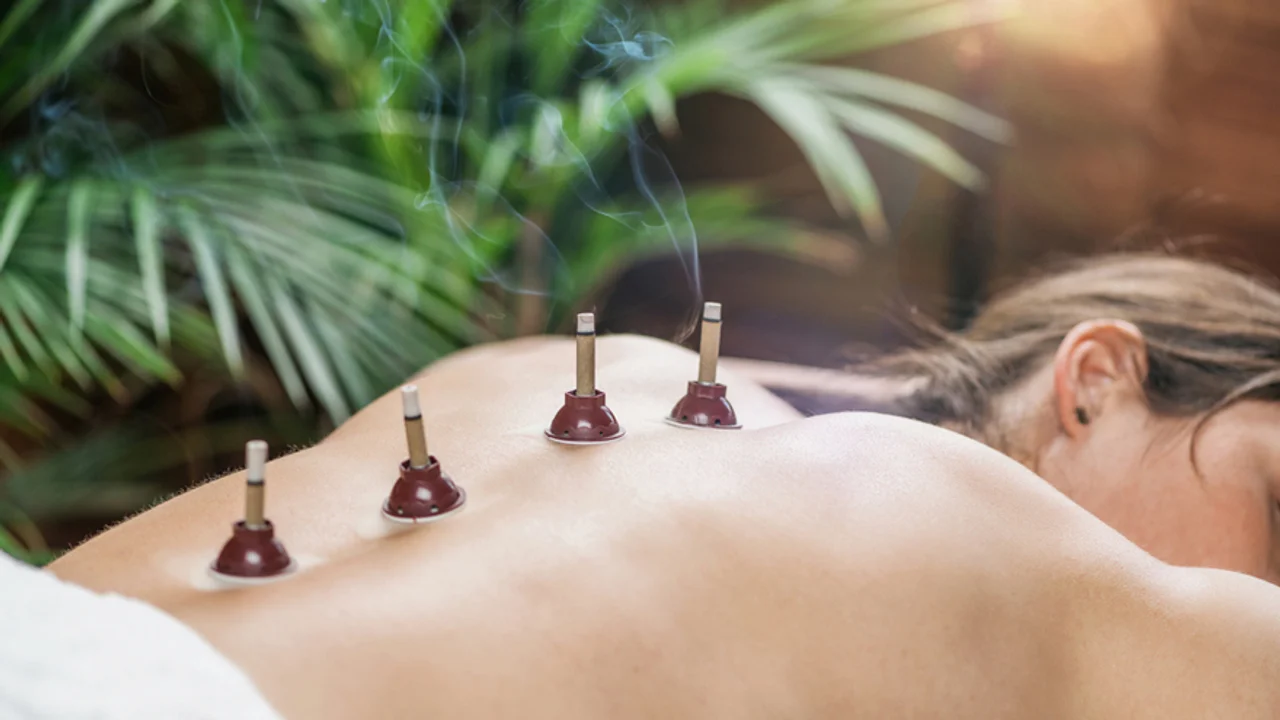
In cases where coldness or stagnation contributes to pain, moxibustion and cupping are powerful adjunct therapies.
Moxibustion involves warming acupuncture points with burning mugwort, which improves circulation, dispels cold, and provides deep relaxation.
Cupping therapy creates suction that draws stagnant blood and fluids to the surface, promoting detoxification and relieving muscle tightness.
Many patients with chronic stiff necks or “frozen shoulders” report significant relief after adding cupping therapy to their treatment plan. The temporary marks left behind—often misunderstood as bruises—are actually signs of stagnation being released.
What Sets Korean Medicine Apart
To be honest, one of the biggest misconceptions about Korean medicine is that it’s “slow” or “gentle.” While it’s true that we use natural methods, patients are often surprised at how quickly they feel change. Relief comes not from masking pain signals but from addressing why the pain began in the first place.
Another defining feature is personalization. At Arine, no two treatment plans look the same. A young professional with tech-neck needs a very different approach than a retiree with arthritis, or a new mother adjusting to the physical demands of childcare. We carefully assess lifestyle, constitution, and daily habits before deciding on the right combination of therapies.
This individualized care is at the heart of Korean medicine’s effectiveness: by treating the patient as a whole person—not just a spine or a symptom—we help them achieve not only pain relief but also a better quality of life.
Everyday Habits That Support Healing
Treatment doesn’t end when you leave the clinic. Everyday habits often determine how lasting the results will be. Here are some simple yet powerful practices we recommend to our patients:
Posture awareness: Small adjustments, like the “chin tuck” exercise, can counteract the effects of phone or laptop use. Practicing this regularly prevents worsening forward head posture.
Breathing practices: Deep abdominal breathing helps circulate qi, relaxes the diaphragm, and reduces tension stored in the shoulders.
Warmth over cold: While many people instinctively apply ice to sore areas, Korean medicine often recommends warmth instead. Heat improves circulation, relaxes stiffness, and supports healing.
Movement breaks: Standing and stretching for even 3–5 minutes every hour can dramatically reduce strain on the spine.
These habits may sound simple, but combined with clinical treatment, they provide the foundation for long-term recovery.
When to Seek Professional Help
If you’re wondering whether your pain is “serious,” you’re not alone. Here are some red flags that mean it’s time to seek professional help:
Pain that lasts more than two weeks without improvement
Nighttime pain that interrupts sleep
Pain radiating into the arms, legs, or buttocks
Weakness, tingling, or numbness accompanying the pain
Recurring stiffness that doesn’t respond to rest or stretching
Ignoring pain often leads to compensation patterns. For example, when lower back muscles are weak, the shoulders or hips may take on extra strain—leading to new areas of discomfort. Early intervention prevents this cycle from worsening.
Healing with Balance
At Arine Korean Medicine Clinic, we believe back and neck pain aren’t just inconveniences—they are signals from the body asking for care. By combining acupuncture, herbal medicine, Chuna therapy, moxibustion, and lifestyle guidance, we address both the symptom and the source.
The goal isn’t just temporary relief—it’s restoring balance so you can move freely, work comfortably, and enjoy life without constant stiffness or worry.
If you’ve been struggling with chronic back or neck pain, consider visiting us in Gangnam for a personalized consultation. Korean medicine offers more than short-term fixes; it offers a pathway back to balance, resilience, and vitality.
More Articles
Continue reading clinical guides from Arine Korean Medicine Clinic.

Postpartum Swelling? How Korean Medicine Can Help You Heal Faster
Discover how Korean medicine reduces postpartum swelling and speeds up recovery naturally. Learn proven remedies for faster healing after childbirth.
Learn More

How Keep Sticks Help You Stick to Your Weight Loss Goals
Discover how Korean medicine reduces postpartum swelling, speeds healing, and restores balance naturally. Learn more about holistic recovery today!
Learn More
Is Acupuncture the Key to Finally Beating Persistent Pain?
Discover how acupuncture may help relieve chronic pain naturally. Explore its benefits, effectiveness, and if it's right for you. Learn more today!
Learn More