Personalized Korean Medicine & Weight Management in Gangnam, Seoul · International Patient Concierge

Medical Guide
How to Control Chronic Swelling with Herbal Remedies and Acupuncture
Learn how to control chronic swelling naturally with herbal remedies and acupuncture. Discover safe, effective strategies to reduce inflammation and feel better!
Schedule a ConsultationWhat is "chronic swelling" — and why it matters
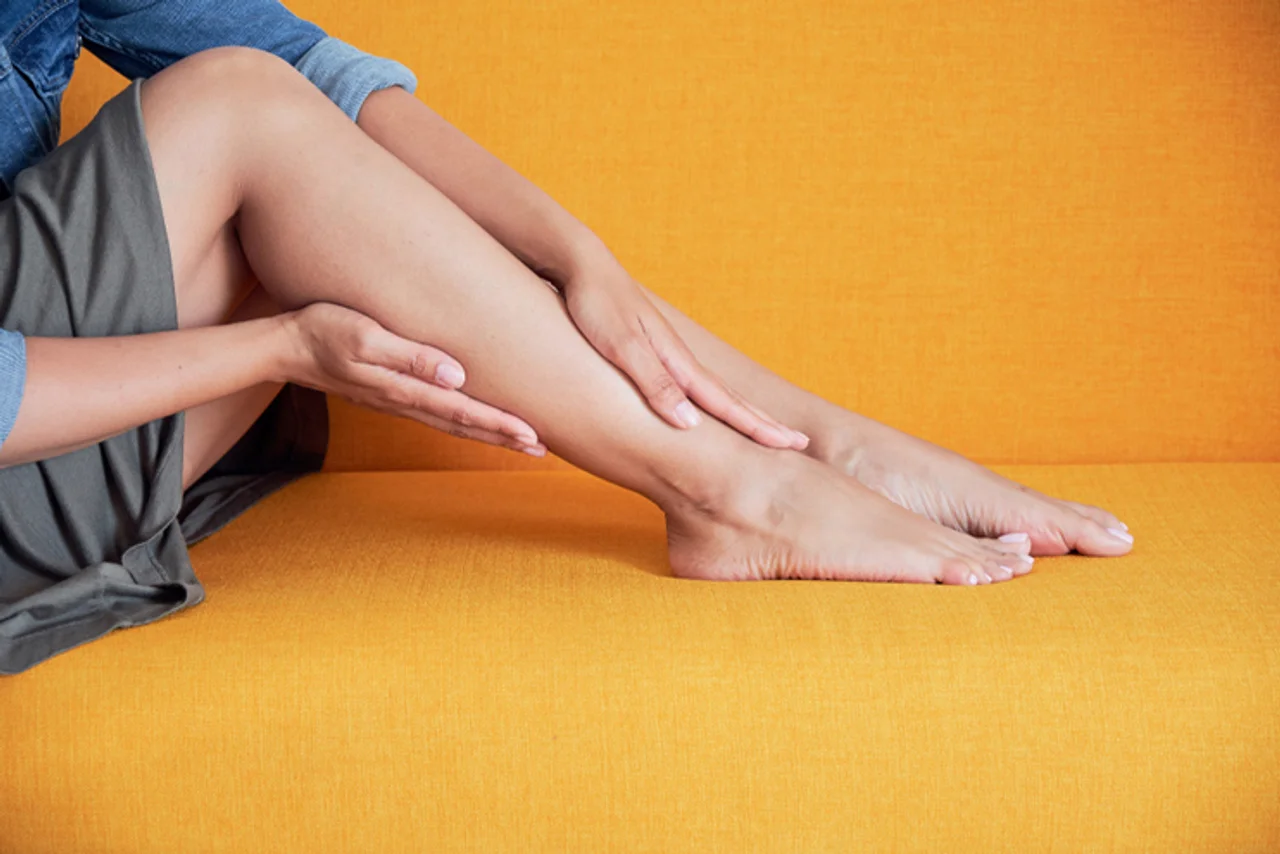
At Arine Korean Medicine Clinic, we often hear patients say things like: "My ankle's been puffy for weeks," or "I wake up every morning with swollen fingers, and no matter what I do it doesn't go away." Persistent puffiness is more than cosmetic; it’s your body sounding an alarm.
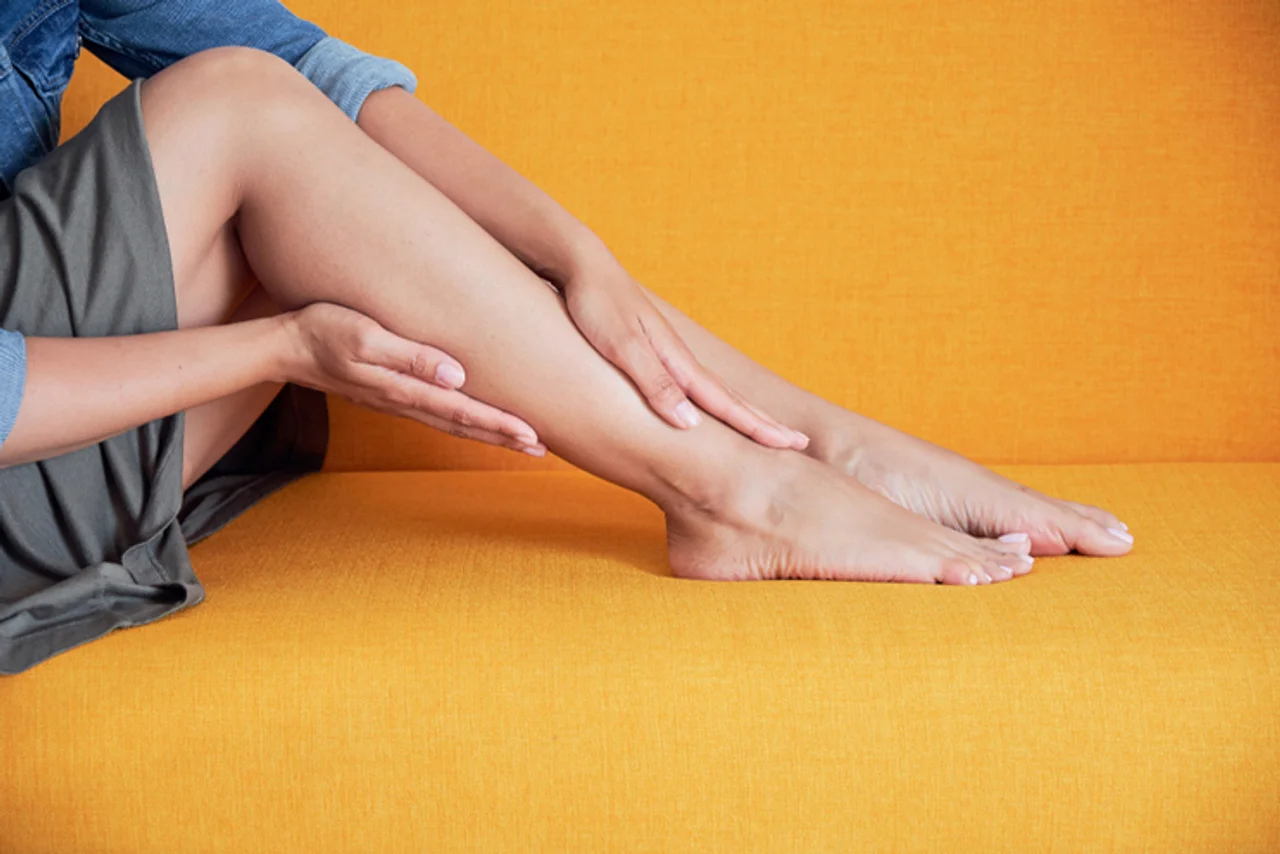
In both modern medicine and Korean medicine, chronic swelling refers to fluid buildup and low-grade inflammation that lingers, sometimes for months or even years. It may show up as:
Lingering edema in limbs after injury or surgery
Puffy joints from underlying inflammation
Generalized bloating around the abdomen or face
Swelling that fluctuates, but never fully disappears
Heaviness or tightness in the limbs, especially at the end of the day
Swelling is your body’s way of saying: “Something isn’t right.” It often signals stagnation in circulation, lymphatic blockage, or internal imbalances in organ systems. At Arine, we don’t just look at swelling as a nuisance — we treat it as a window into your overall health.
Over time, untreated chronic swelling may contribute to pain, fatigue, restricted mobility, and even metabolic issues. Many patients report brain fog, weight fluctuations, and difficulty with exercise, all of which are indirectly connected to poor fluid metabolism and circulation. That’s why we don’t just aim to relieve symptoms — we aim to restore harmony and address the deeper roots.
Why herbal medicine & acupuncture work for chronic swelling
The modern medical explanation
Modern research supports what traditional medicine has said for centuries: herbal remedies and acupuncture have real, measurable effects. They:
Reduce inflammation at the cellular level
Improve microcirculation and oxygen delivery to tissues
Stimulate lymphatic drainage and fluid reabsorption
Support detoxification through kidney and liver pathways
Acupuncture, in particular, is known to regulate immune responses and reduce inflammatory markers in the body. When fine needles stimulate specific meridian points, it not only relaxes muscular tension but also enhances vascular permeability and activates the body’s natural anti-inflammatory mechanisms.
Herbal medicine often acts at a deeper, systemic level, supporting the organs responsible for fluid balance — most notably the spleen, kidney, and liver systems in Korean medicine. Herbs may promote gentle diuresis, warm cold areas of the body that retain water, or clear heat toxins that cause inflammatory swelling.
Traditional Korean medicine approach
In Korean medicine, chronic swelling typically reflects one or more of the following patterns:
Dampness accumulation: sluggish metabolism of fluids, often with a feeling of heaviness
Qi stagnation: blocked energy flow, sometimes after trauma or chronic stress
Blood stasis: poor circulation that leads to fixed, lingering swelling
Organ deficiency (especially spleen or kidney): impaired fluid transformation and transport
Herbal prescriptions are carefully formulated to address these specific imbalances. Some herbs help "transform damp," others invigorate blood flow, and some strengthen organ function. For instance, herbs like poria (복령), coix seed (율무), and atractylodes (백출) are frequently used to promote urination and remove dampness without harming vital energy.
Acupuncture points are chosen to promote drainage, stimulate movement, and calm internal inflammation. When used together, herbs and acupuncture provide a synergistic effect — rebalancing the internal system while relieving visible symptoms. This dual approach allows patients to experience both symptom relief and long-term systemic healing.
How Arine Clinic treats chronic swelling
1. Full-body assessment
We start with a comprehensive diagnostic process. Unlike a quick check-up, our consultations take time and care. We ask:
Where is the swelling? Is it symmetrical or one-sided?
When does it worsen? With salt intake, weather, or during certain times of day?
Are there related symptoms? Fatigue, cold limbs, bloating, brain fog?
Is there a history of injury, surgery, childbirth, or chronic illness?
What do the tongue and pulse reveal in TKM diagnostics?
We also review any prior bloodwork or imaging you’ve had to rule out cardiovascular, renal, or thyroid conditions. This allows us to pinpoint the root cause — for example, "spleen qi deficiency with damp retention," or "blood stasis in lower limbs." No two cases are the same, and at Arine we pride ourselves on treating the individual, not just the symptom.
2. Herbal diet therapy + customized formulas
Once we identify the pattern, we prescribe a combination of:
Dietary changes: We guide patients on foods that support natural drainage and reduce internal dampness. Millet, barley, mung beans, and cooked vegetables are often beneficial.
Herbal formulas: Custom prescriptions may include herbs that tonify the spleen, promote urination, warm yang, or invigorate circulation. Adjustments are made every 1–2 weeks.
Lifestyle coaching: Advice may include leg elevation, postural adjustments, compression garments, daily walking routines, or breathing techniques to aid lymphatic flow.
Importantly, we avoid the one-size-fits-all approach. For example, swelling in a postpartum woman requires a very different strategy than swelling in a sedentary office worker or someone with long COVID. At Arine, every formula is tailored to you.
3. Acupuncture & drainage techniques
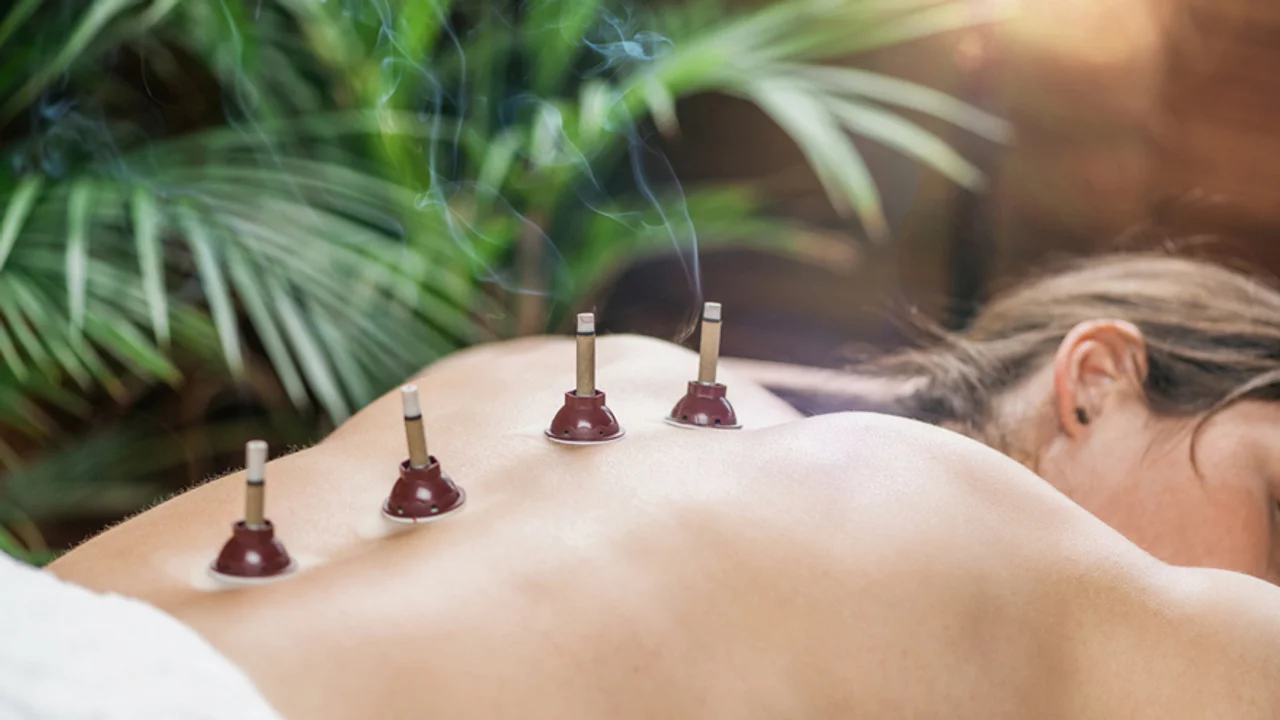
We use acupuncture to:
Stimulate circulation and move stagnant fluids
Activate key points related to the lymphatic and vascular systems
Support spleen and kidney function for long-term balance
We may incorporate:
Cupping to relieve local stagnation
Moxibustion to warm and stimulate weak organs
Electro-acupuncture for more severe stagnation
Manual lymphatic acupuncture for post-surgical or cosmetic swelling
Needle placement is precise, with combinations of local and distal points to encourage full-body movement of fluids. Sessions often start at twice a week for 4–6 weeks, then taper to weekly or biweekly. Each treatment is reviewed and adjusted based on ongoing changes in the patient's symptoms and constitution.
4. Ongoing monitoring
We believe in measurable, visible results. That’s why we track:
Circumference measurements (e.g., ankle or thigh)
Morning vs. evening swelling levels
Symptom logs for heaviness, fatigue, and range of motion
Emotional and digestive responses (as these often correlate)
Herbal formulas are adjusted as the internal terrain shifts. For instance, once dampness decreases, we might introduce more circulation-promoting or tonifying herbs to prevent recurrence. Progress is steady and monitored, not rushed.
5. Prevention & long-term care
Once the swelling improves, we move into maintenance mode. This may include:
Monthly acupuncture to support circulation
Seasonal herbal adjustments to match your body’s changing needs
Continued dietary and postural recommendations
This phase is critical. Many patients relapse because they stop treatment as soon as the swelling subsides. We work closely with you to build resilience and prevent reaccumulation of dampness or stagnation. Long-term care means adapting to your body’s rhythms, lifestyle, and stress levels.
A real-world example from our clinic
A woman in her 40s came in with persistent right ankle swelling after a mild sprain eight months earlier. She also reported digestive bloating, fatigue, and difficulty concentrating. No major issue was found by conventional medicine, but the swelling remained.
Our diagnosis: spleen qi deficiency + damp accumulation + localized blood stasis from the injury. This was confirmed by her pale, swollen tongue with teeth marks and a slippery pulse.
Treatment plan:
Herbs: a custom blend including poria, atractylodes, coix seed, angelica root, and citrus peel to strengthen spleen function, drain damp, and promote blood movement
Diet: warm millet porridge, adzuki beans, cooked greens, no dairy or raw foods
Acupuncture: points on the lower leg (SP9, ST36, GB34), abdomen (CV12), and back (BL20) to tonify spleen and move damp
Lifestyle: 30-minute walks after dinner, leg elevation twice daily, breathwork to stimulate the diaphragm
Results:
After 4 weeks: 10% reduction in swelling, improved digestion, better energy
After 8 weeks: 25% reduction, swelling mostly gone by morning, improved mental clarity
We transitioned her to monthly maintenance visits, and the swelling has not returned.
Important safety reminders
Get checked for serious issues first: Always rule out heart, kidney, liver, thyroid, or vascular problems before assuming the cause is benign.
Disclose all medications: Some herbs can interact with blood pressure meds, diuretics, or anticoagulants. Transparency ensures safe care.
Choose a trained practitioner: Acupuncture and herbs are powerful tools that should only be used by certified, experienced professionals.
Consistency matters: Chronic swelling develops over time and requires ongoing care. Short-term treatments won’t create lasting change.
Lifestyle isn’t optional: Diet, sleep, posture, and movement all impact fluid retention. Treatments work best when paired with healthy habits.
Getting started — what to ask your practitioner
If you think herbal and acupuncture care may help you, here’s what to ask:
What’s the root cause of my swelling?
What herbs and diet changes suit my condition?
How often should I get acupuncture, and for how long?
How will we track progress and adjust treatment?
How do we prevent the swelling from coming back?
These questions can help you make informed decisions and stay engaged in your own healing journey.
Why Arine Clinic is different
More Articles
Continue reading clinical guides from Arine Korean Medicine Clinic.

Postpartum Swelling? How Korean Medicine Can Help You Heal Faster
Discover how Korean medicine reduces postpartum swelling and speeds up recovery naturally. Learn proven remedies for faster healing after childbirth.
Learn More
How Keep Sticks Help You Stick to Your Weight Loss Goals
Discover how Korean medicine reduces postpartum swelling, speeds healing, and restores balance naturally. Learn more about holistic recovery today!
Learn More
Is Acupuncture the Key to Finally Beating Persistent Pain?
Discover how acupuncture may help relieve chronic pain naturally. Explore its benefits, effectiveness, and if it's right for you. Learn more today!
Learn More