Personalized Korean Medicine & Weight Management in Gangnam, Seoul · International Patient Concierge

Medical Guide
How to Combine Korean Pain Therapy with Other Treatments
Learn how to combine Korean pain therapy with other treatments for faster, holistic healing. Maximize relief and results—discover the best approach now!
Schedule a ConsultationPain — whether it’s chronic back discomfort, post‑injury stiffness, or the tightness that comes with long hours at a desk — isn’t just about nerves firing. It’s about muscles that have “given up,” circulation that has slowed, and a nervous system that has adapted to protect you long after the original insult has healed.
In Korean medicine, pain is never isolated. It is connected to posture, blood/qi circulation, lifestyle rhythms, emotional stress, and constitutional balance. That’s why Korean pain therapy — which includes acupuncture, herbal therapy, cupping, moxibustion, and manual techniques — rarely stands alone in real clinical practice. The most meaningful relief happens when we integrate it with other therapeutic approaches.
Here’s how patients can think about combining Korean pain therapy with complementary treatments — in a way that’s safe, evidence‑based, and tailored to individual needs.
Why Integration Matters: Pain Is Multidimensional
Let’s be honest: Pain isn’t just physical. It’s emotional, behavioral, and often reinforced by habits developed over months or years.
Think of pain like a tangled knot. Pulling on one strand solves part of it, but the knot remains until surrounding threads are addressed too.
Korean pain therapy excels at:
Releasing muscular tension
Improving local circulation
Balancing nervous system responses
Reducing inflammatory patterns
But if someone has:
Biomechanical misalignment,
Weak deep stabilizing muscles,
Sleep disruption,
Nutritional imbalances that promote inflammation,
Then a single modality will fall short. That’s where integration comes in.
The Core of Korean Pain Therapy
Before we talk about combinations, here’s what traditional Korean pain therapy brings to the table:
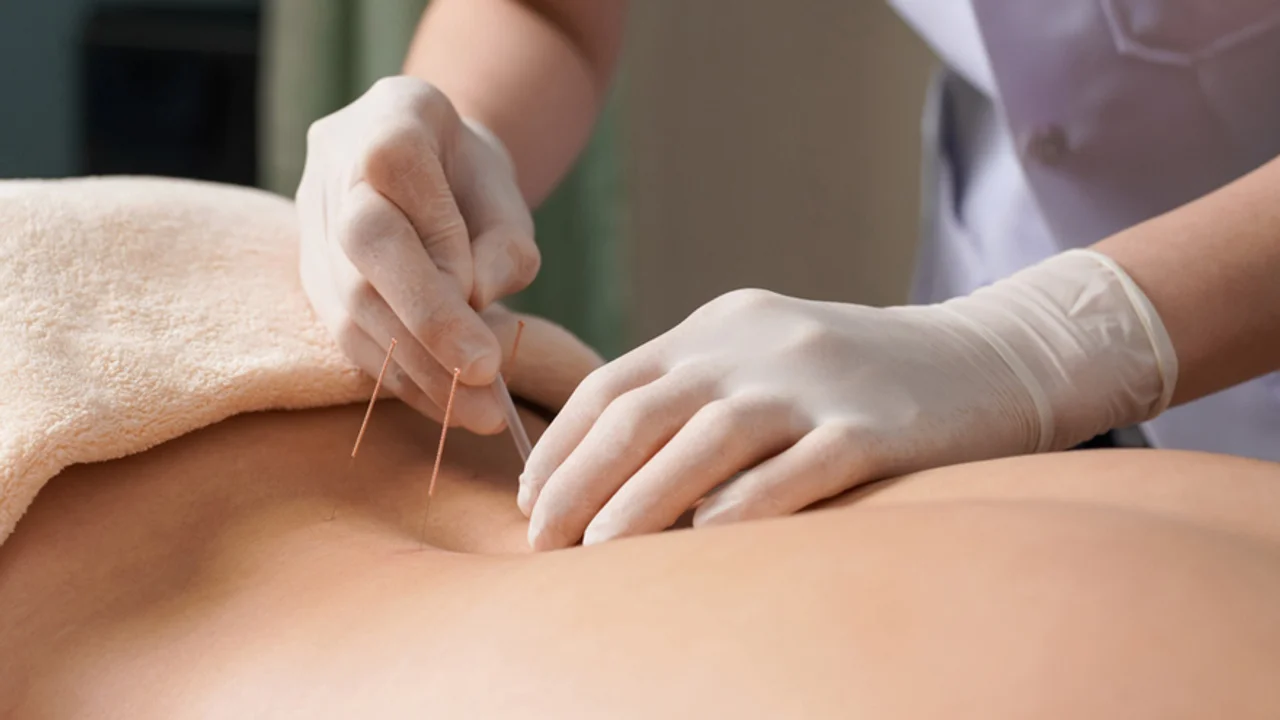
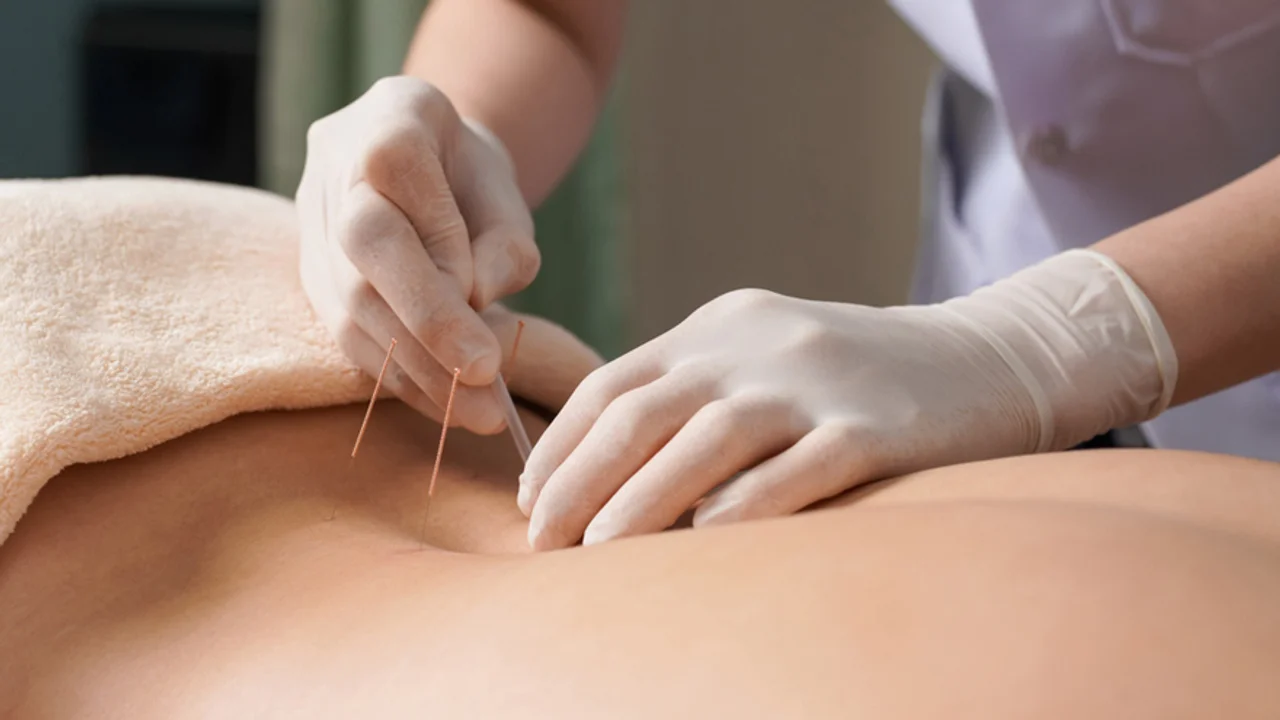
1. Acupuncture and Electro‑Acupuncture
Fine, sterile needles stimulate nerves, generate endogenous opioids, and modulate pain pathways. This is not mystical — many studies show measurable changes in pain signaling after acupuncture.
2. Herbal Medicine
Medicinal herbs improve blood circulation, calm inflammatory signaling, and harmonize organ systems that contribute to chronic pain states.
3. Cupping and Gua Sha (Scraping)
These techniques loosen fascia, break up stagnation, and promote fresh blood flow to hardened areas.
4. Moxibustion
Gentle heat stimulates circulation and modulates immune responses — especially helpful in cold‑induced pain and joint stiffness.
5. Manual Therapy & Tuina‑Style Techniques
Therapeutic touch, mobilization, and soft tissue release help retrain movement patterns.
Each of these can be powerful alone — but they reach their true potential when other therapeutic pillars are integrated.
Pairing Korean Pain Therapy with Physical Therapy
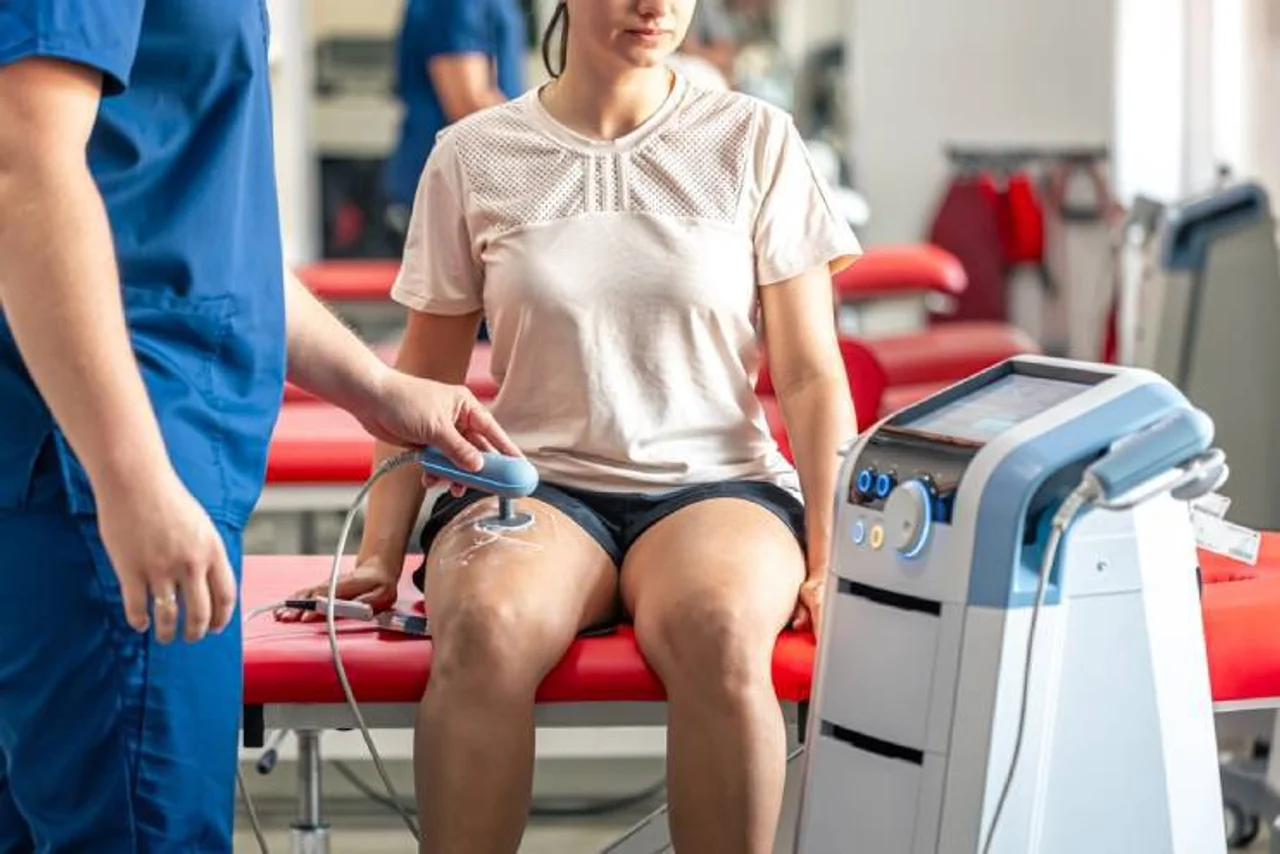
Why this combo is natural
Korean therapy releases tension and dampens pain signals; physical therapy builds strength, stability, and functional movement patterns.
How they complement each other
Before exercise: Acupuncture can reduce pain sensitivity and muscle guarding so that exercises are more effective and tolerable.
During rehab: Physical therapists can correct biomechanics (e.g., pelvic tilt, spinal alignment, gait patterns) that perpetuate pain.
After workouts: Cupping or moxibustion speeds recovery by enhancing circulation and reducing delayed onset muscle soreness.
Real clinical insight:
We often start a session with acupuncture to soften hypertonic (over‑tight) muscles, then guide patients into corrective movements. This “preparation” improves muscle activation and accelerates progress.
Integrating Korean Pain Therapy with Chiropractic Care
Chiropractic strength: high‑velocity adjustments and joint mobilization to restore alignment.
Korean pain therapy adds:
Soothing the surrounding musculature
Enhancing nervous system balance
Reducing rebound pain after adjustments
Best sequencing
Session 1: Soft tissue work (acupuncture/cupping) to calm spasms.
Session 2: Chiropractic adjustment to restore alignment.
Session 3: Follow‑up with moxibustion/herbs to sustain the effect.
Patients with combined approaches often report less post‑adjustment soreness and greater functional improvement.
When to Add Western Medical Care
There’s nothing contradictory about combining Korean medicine with standard medical care — in fact, we encourage it when it’s appropriate.
Examples where integration is vital:
Acute fractures
New neurological deficits (e.g., numbness, weakness)
Autoimmune flare‑ups with systemic symptoms
Severe infections or red‑flag symptoms
How to coordinate care safely
Share imaging (X‑ray, MRI) and lab results with both practitioners.
Align on pain goals and medication use.
Use Korean herbal formulas that don’t interact with prescribed drugs (clinician oversight is essential).
Real patient cases show that when Korean therapy works in concert with orthopedic or neurological care, patients often report:
Reduced reliance on pain medications
Faster return to daily activity
Better long‑term management of chronic conditions
Adding Therapeutic Exercise and Pilates

Pain imprints patterns into movement. Over time, the brain stops using stabilizing muscles and relies on superficial ones — a recipe for recurring pain.
Therapeutic exercise — especially core stabilization, postural training, and controlled mobility — re‑educates the neuromuscular system.
When we pair these exercises with Korean pain therapy:
Acupuncture prepares muscles to respond better.
Cupping improves fascial glide so movement feels freer.
Herbal medicine reduces underlying inflammation so progress is steady, not painful.
Starting tip:
Begin with low‑impact movements (e.g., gentle Pilates, controlled breathing) before advancing to resistance work. Many patients find that pain flares less and confidence grows faster with this blended approach.
Dietary and Nutritional Synergy
Pain and diet are deeply linked — especially through inflammation.
In Korean medicine we think in terms of heat, cold, stagnation, and deficiency. Chronic pain often reflects:
“Heat” (inflammatory diets high in sugar, spicy foods)
“Cold” (poor circulation and low energy states)
“Dampness” (metabolic sluggishness)
By combining pain therapy with nutritional interventions:
Anti‑inflammatory eating reduces baseline pain
Herbal diet therapy complements physical treatment
Micronutrients (e.g., omega‑3s, magnesium) support muscle relaxation and nerve health
Simple pattern shift we recommend:
Replacing ultra‑processed snacks with cooked whole foods, bone broths, and sesame/ginger teas supports both recovery and metabolic balance.
Mind‑Body Practices: Meditation, Breathwork, and Sleep
Pain isn’t just in the tissues — it’s also in the nervous system. Stress, poor sleep, and emotional patterns amplify pain.
Mind‑body integration helps by:
Modulating pain perception
Reducing stress‑mediated muscle tension
Improving recovery capacity
We often guide patients to integrate:
Controlled breathing exercises
Mindful movement (Qigong, Tai Chi)
Progressive relaxation before sleep
When combined with Korean pain therapy:
Pain episodes shorten
Sleep quality improves
Patients report feeling in control, not victimized by pain
When Not to Combine — and Why It Matters
Not all combinations are automatically better. Integration must be strategic.
Red flags that warrant caution:
Unsupervised herbal use with complex prescriptions
Aggressive physical therapy when acute inflammation is still active
High‑intensity workouts immediately after cupping on tender tissues
Integration should be guided by clinical judgment — not trial and error.
A Patient Story: Integration in Action
Ms. K came to us with chronic neck and shoulder pain from years of desk work. She had tried medications, a gym routine, and even massage — with only temporary relief.
Our integrated plan:
Acupuncture twice a week to reduce pain signaling and muscle tension.
Herbal formula tailored to improve circulation and calm nervous tension.
Therapeutic movement sessions focusing on posture and scapular stability.
Mind‑body breathing exercises to break the stress–tension cycle.
Result after 8 weeks
Pain dropped by over 70%, range of motion improved, and she stopped using pain relievers. More importantly, she understood the why behind her pain and how to manage it proactively.
How to Build Your Personalized Integration Plan
Start with a comprehensive assessment — we look at posture, movement patterns, sleep, nutrition, stress, and pain triggers.
Identify underlying contributors — not just the symptom.
Plan sequencing — therapy order matters (e.g., calm → mobilize → strengthen).
Coordinate care among clinicians — shared goals and open communication.
Set progressive goals — sustainable improvements over quick fixes.
Adjust as you go — integration is dynamic, not static.
Final Thoughts: Integration Is Not Compromise — It’s Synergy
Pain is complex. Real relief rarely comes from one modality, one appointment, or one mindset.
When Korean pain therapy is combined thoughtfully with physical (or chiropractic) rehabilitation, nutritional support, exercise coaching, and mind‑body practices, what emerges isn’t just less pain — it’s greater resilience.
At Arine Korean Medicine Clinic, we see patients every day who felt stuck for years — until their care stopped being siloed and started being connected.
If you’re navigating pain that hasn’t responded fully to one approach, it’s not your fault — it’s just incomplete.
Consider a consultation with a clinician who truly integrates.
Pain deserves a strategy. Not a band‑aid.
More Articles
Continue reading clinical guides from Arine Korean Medicine Clinic.

Postpartum Swelling? How Korean Medicine Can Help You Heal Faster
Discover how Korean medicine reduces postpartum swelling and speeds up recovery naturally. Learn proven remedies for faster healing after childbirth.
Learn More

How Keep Sticks Help You Stick to Your Weight Loss Goals
Discover how Korean medicine reduces postpartum swelling, speeds healing, and restores balance naturally. Learn more about holistic recovery today!
Learn More
Is Acupuncture the Key to Finally Beating Persistent Pain?
Discover how acupuncture may help relieve chronic pain naturally. Explore its benefits, effectiveness, and if it's right for you. Learn more today!
Learn More