Personalized Korean Medicine & Weight Management in Gangnam, Seoul · International Patient Concierge


Medical Guide
How to Boost Your Immune System in the Fall with Korean Herbal Remedies
Boost your immune system this fall with Korean herbal remedies. Discover natural ways to stay healthy, fight off colds, and feel your best. Learn more today!
Schedule a Consultation
Autumn is the perfect time to tune into your body’s rhythms and support your immunity — especially here in Seoul, with the crisp air, shifting seasons and the high traffic of daily life. At Arine Korean Medicine Clinic in Gangnam-gu, we often say: the immune system is like a seesaw — it needs balance, not brute force. And traditional Korean herbal medicine provides tools to gently support that balance.
Here’s how you can boost your immune system this fall through herbal approaches grounded in Korean medicine—what to do, why it matters, and how to make it practical. (And yes, to be honest: there’s no “magic pill” — but a well-guided strategy can make a big difference.)
What happens to the immune system in autumn?
As the leaves turn, here are some of the common shifts we see:
The air becomes cooler and drier → mucous membranes (in nose, throat, lungs) become more vulnerable.
People spend more time indoors, with closer contact and recycled air → more potential exposure to respiratory pathogens.
Lifestyle routines often change (less daylight, different exercise patterns, more comfort foods) → can affect immunity.
In Korean medicine terms, autumn corresponds to a change in the “metal” element, which relates to lungs and large intestine — so supporting lung defense and elimination becomes especially important.
So if you’re wondering why infections tend to pick up in autumn (or you feel more fatigued, or catch more colds) — you’re not alone. It’s normal, but it’s also a signal: your immune system is being challenged.
Why use herbal remedies (along with lifestyle) for immune support?
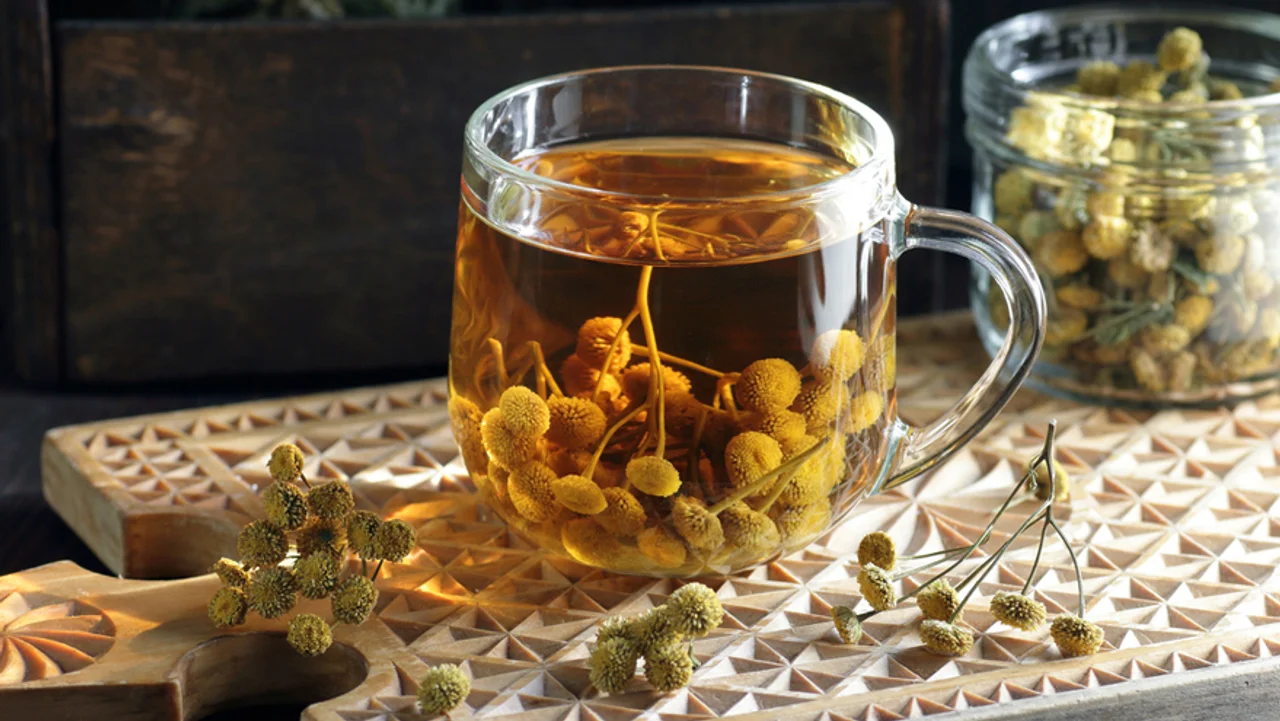
At Arine Clinic we emphasize: herbs aren’t a substitute for sleep, nutrition, stress-management and exercise — but they can support your body’s innate defense and recovery mechanisms.
1. Korean herbal formulas modulate immune cells
Korean red ginseng has been shown to increase T-cells, B-cells and white blood cells. Other traditional formulas have also demonstrated impact on immune markers like CD4+ levels and the CD4/CD8 ratio.
2. Herbs interact positively with nutrition and gut/respiratory health
Fermented vegetables, herbal teas, and functional Korean foods are known to support gut-lung immunity — a key axis in autumn when respiratory illnesses rise.
3. They are rooted in tradition and integrated with modern study
While herbal medicine is ancient, contemporary research now supports its use. At Arine Clinic we combine traditional wisdom with patient-specific assessment (constitution, lifestyle, season) to personalize care.
How to support your immune system this fall: a practical guide
Here’s how you can integrate herbal wisdom into your daily life. Use it as a roadmap rather than rigid rules — your body, your rhythm.
Strengthen your “outer defence” (lungs + airway)
Warm herbal teas & decoctions
Try a traditional tea such as Ssanghwacha (made from herbs like angelica root, rehmannia, jujube) — known for relieving fatigue and preventing colds. Make it a ritual: hot tea in the morning, maybe with a drizzle of honey and a few pine nuts.
Herbs for respiratory support
If you’re prone to catching colds or have phlegm build-up, herbal formulas that clear “wind-cold” or “damp-heat” (in Korean medicine terms) can help. For example, Tonggyu-tang is often used for nasal congestion and inflammation.
Boost your internal resilience (immune modulation)
Korean red ginseng (KRG)
If you are generally healthy but want an immune hedge for the season, consider KRG. It raises key immune cells and enhances overall resilience. At our clinic, we tailor dosage and ensure it’s suitable for your condition.
Herbal dietary support
Incorporate immune-enhancing herbs and foods like astragalus, ginger, Korean Angelica root. Combine them with a nutrient-rich diet: moderate protein, plenty of vegetables, and fermented foods like kimchi or doenjang.
Lifestyle-based herbal synergy
Sleep & rest matter

Herbs can support, but if you stay up late, your immune system is playing catch-up. Prioritize early bedtime, warm feet, and minimal screen time after dinner.
Movement & circulation
Light aerobic exercise helps lymphatic flow and immune function. Over-training can suppress immunity. Herbs can support post-exercise recovery.
Stress management
Chronic stress weakens immunity. Some herbal formulas help calm the nervous system while modulating immunity. At the clinic we often combine acupuncture, herbal support and relaxation techniques.
Avoid excessive cooling
Frequent air-conditioning, sudden temperature changes, and cold foods challenge your body’s yang energy. Warm soups, warm teas, and gentle movement are better suited for fall.
Customising your approach at Arine Korean Medicine Clinic
Every person is unique: age, constitution, previous illnesses, current lifestyle—all matter when choosing herbs. At Arine Clinic, led by Dr. Seungseok Chae, we use a four-step process:
Initial assessment – Pulse, tongue, constitution type, and seasonal patterns are evaluated.
Tailored herbal plan – For example: warming formulas for chills and fatigue, lighter immune formulas for dry constitutions.
Lifestyle coaching – Simple herbal teas or soups, sleep guidance, stress management.
Follow-up & adjustment – After 4–6 weeks we reassess and adapt your care.
The transition seasons (spring and autumn) are just as important in Korean medicine as the extremes of summer and winter. Being proactive now sets you up for a stronger winter.
Cautions & practical considerations
Herbal medicine supports, but does not guarantee immunity from viruses.
Chronic illness or immunosuppression requires professional supervision.
Quality matters: use certified herbs and consult trained professionals.
Lifestyle habits matter most: herbs amplify what your daily habits initiate.
Avoid reliance on “one big potion” — consistency wins over intensity.
A sample “autumn immune-support” day at home
Morning: Warm water + ginger + red ginseng tea.
Breakfast: Warm grain porridge with steamed vegetables and protein.
Daytime: Good posture, short walks, indoor humidity control.
Lunch: Vegetable soup or stew + fermented side dish.
Afternoon: Herbal tea (e.g., Ssanghwacha).
Evening: Light exercise, warm bath, early dinner.
Night: Clinic-prescribed herbal formula, warm foot-bath, no screens before bed.
Why this seasonal strategy matters for you
If you often say things like:
“Every autumn I catch a cold or feel wiped out.”
“Once the mornings are cool I lose energy.”
“I try supplements but still feel fragile.”
Then this herb-informed, lifestyle-anchored approach is especially relevant. Many patients come to us after the season has passed and they feel the strain — but the stronger move is to prepare ahead.
If you’re ready to explore a personalized plan — especially around herbal diet therapy, gentle immune-boost formulas or seasonal care for weight-loss or postpartum recovery — consider scheduling a consultation at Arine Korean Medicine Clinic. We’d be happy to walk you through what your body truly needs this autumn.
More Articles
Continue reading clinical guides from Arine Korean Medicine Clinic.

Postpartum Swelling? How Korean Medicine Can Help You Heal Faster
Discover how Korean medicine reduces postpartum swelling and speeds up recovery naturally. Learn proven remedies for faster healing after childbirth.
Learn More

How Keep Sticks Help You Stick to Your Weight Loss Goals
Discover how Korean medicine reduces postpartum swelling, speeds healing, and restores balance naturally. Learn more about holistic recovery today!
Learn More

Is Acupuncture the Key to Finally Beating Persistent Pain?
Discover how acupuncture may help relieve chronic pain naturally. Explore its benefits, effectiveness, and if it's right for you. Learn more today!
Learn More