Personalized Korean Medicine & Weight Management in Gangnam, Seoul · International Patient Concierge
Medical Guide
How Safe Is the Arine Diet? Answering Your Most Common Questions
How safe is the Arine Diet? Get expert answers to your top questions and find out if it’s right for you. Uncover the facts and make informed choices today!
Schedule a ConsultationIf you’ve ever wondered whether the Arine Diet is truly safe — not just effective — you’re not alone. Every month, people walk into Arine Korean Medicine Clinic in Gangnam with the same blend of excitement and hesitation: “I want results, but is this safe for my body?” It’s a fair question — and one that deserves more than a quick yes or no.
To be honest, diet trends can feel overwhelming. Everywhere you turn there’s another promise of quick transformation. But what people often overlook is this: true safety isn’t about absence of risk alone — it’s about respecting your body’s rhythms, metabolic health, and long‑term wellbeing. And that’s exactly what we aim for in how we design and guide the Arine Diet.
Below, we’ll explore what the Arine Diet is, how it works, what safety means in practice, and how we address the most common concerns our patients bring to us — with clear, medically grounded answers you can trust.
What Is the Arine Diet?
Before we talk about safety, it helps to understand what the Arine Diet actually is.
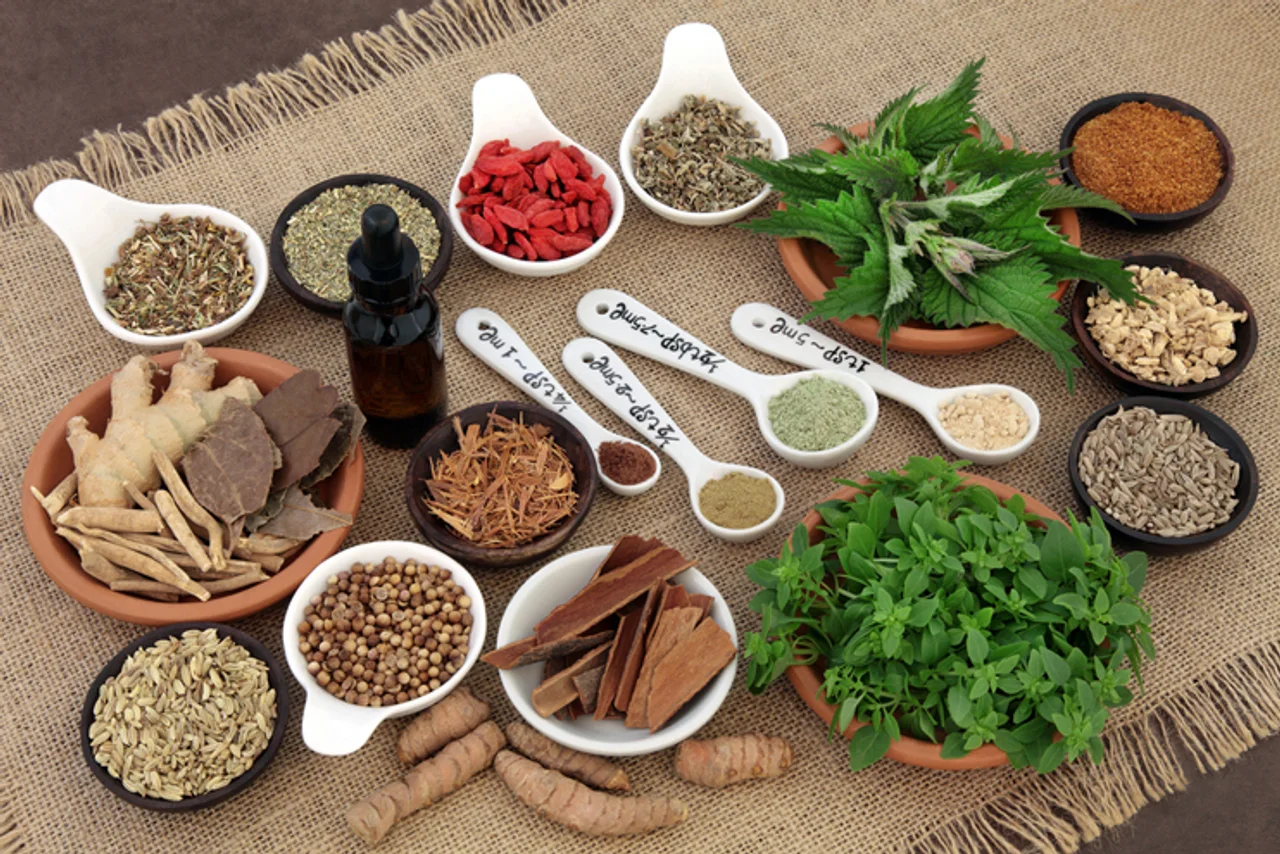
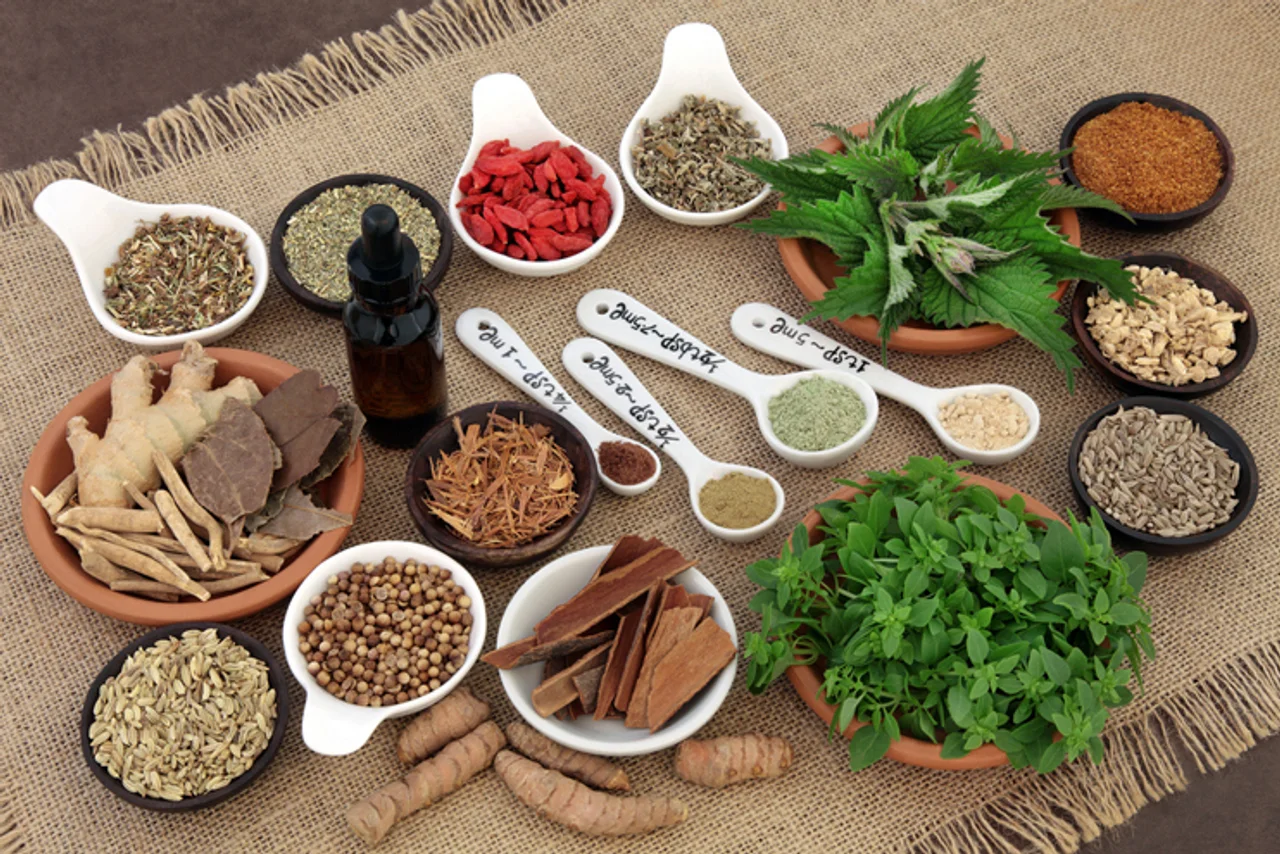
At its heart, the Arine Diet is not a “quick‑fix fad.” It’s a personalized, herbal diet therapy protocol rooted in traditional Korean medicine (Hanbang), integrated with modern metabolic insights. Rather than enforcing a one‑size‑fits‑all calorie cut, we work with your body’s constitution, current health markers, lifestyle patterns, and goals.
This means:
Food choices and timing are tailored to your metabolism.
Herbal formulas are selected based on your own digestive strength and systemic needs.
Ongoing monitoring ensures adjustments are made as your body changes.
In practice, the Arine Diet is both structured and flexible — guided by evidence and tuned to your physiology.
Safety Isn’t Binary — It’s Contextual
When people ask “How safe is the Arine Diet?” what they’re really asking is:
Will it harm my organs?
Will I lose muscle?
Can I do this long‑term?
Is it safe with my medical history?
These aren’t trivial. And there's no single answer that applies to everyone. So let’s unpack safety from several angles:
1. Nutritional Adequacy — Are You Getting What You Need?
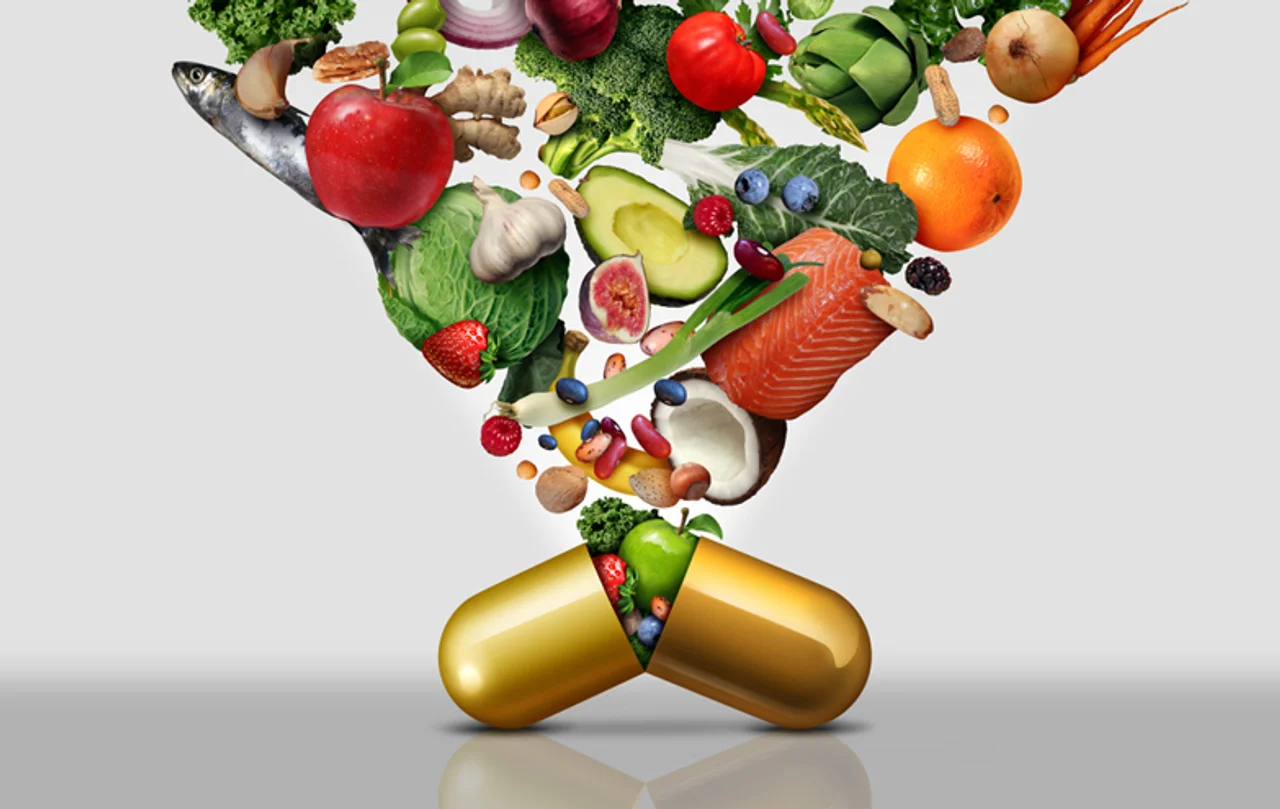
A big misconception about “dieting” is that less food equals safer or healthier. That’s simply not true.
What matters is whether your body is getting the nutrients it needs while still creating a metabolic environment that encourages healthy weight regulation.
With the Arine Diet:
We plan meals to ensure balanced macronutrients (proteins, fats, carbohydrates) and essential micronutrients (vitamins, minerals).
We adjust for individual needs — for example, someone with iron‑deficiency anemia won’t be put on the same plan as someone with robust iron stores.
Herbal components are chosen to support digestion and nutrient assimilation, not to suppress appetite indiscriminately.
The result? You’re not starving — you are nourishing your body while optimizing metabolic function.
2. Herbal Diet Therapy — Safe When Personalized and Monitored
Here’s where many people hesitate: herbs.
Herbal medicine has centuries of use in East Asia, but safety comes down to three pillars:
Personalized Selection
Herbs aren’t random. Each formula is chosen based on:
Your digestive pattern (strong, weak, variable)
Tongue and pulse diagnosis
Energy patterns (e.g., “cold” vs “heat” tendencies in Korean medicine)
Current lab markers or symptoms
The last thing we do is hand out a standard herbal mix and hope for the best.
Quality and Sourcing
At Arine Korean Medicine Clinic, we only use herbs with known purity and traceability. That matters because contamination or unknown sourcing is where herbal side effects often originate.
Monitoring and Adjustment
Even traditional herbs can have strong effects if not monitored. We check in frequently to adjust dosages or ingredients — especially in the first 2–4 weeks as your body recalibrates.
Bottom line: when herbs are personalized, sourced responsibly, and monitored closely, they add metabolic support without undue risk.
3. Metabolic Response — What to Expect
A safe diet shouldn’t shock your system — but some adaptation is normal.
When people change how they eat and metabolize energy:
Hunger patterns change
Water balance shifts
Energy levels fluctuate
Bowel habits might adjust
This doesn’t mean danger — it means your body is finding a new set point.
What we watch for carefully are signs that adaptation has gone too far:
Extreme fatigue
Lightheadedness
Muscle loss
Abnormal labs
We set parameters to catch these early, so the process stays safe and supportive.
4. Muscle Preservation — A Priority, Not an Afterthought

One fear many people have is, “Will I lose muscle along with fat?”
This is legitimate. Many diet programs degrade muscle, which slows metabolism and weakens overall health.
In the Arine Diet:
Protein intake is calibrated to maintain lean tissue
Herbal components support metabolic efficiency, not catabolism
Physical activity recommendations are personalized
We monitor body composition — not just weight — to ensure fat loss predominates over muscle loss
This is where personalization isn’t a luxury — it’s protective.
5. Psychological Safety — How You Feel Matters
Safety isn’t just about labs and organs — it’s about your experience.
We often hear:
“I’m stressed about eating less.”
“I’m afraid of rebound weight gain.”
“I feel guilty if I don’t stick perfectly to the plan.”
These aren’t physical side effects — they are emotional side effects that can undermine health.
So we build in:
Realistic expectations
Supportive check‑ins
Adjustments for lifestyle and stress
Education about hunger vs habit
A safe diet respects your emotional landscape as much as your physiology.
6. Medical Conditions — Customized for You
If you have:
Thyroid imbalance
Diabetes or insulin resistance
Hormonal conditions
Digestive disorders
Cardiovascular concerns
The Arine Diet isn’t a one‑size‑fits‑all fix. It’s a clinic‑guided protocol. Safety in these contexts hinges on:
Reviewing your medical history
Adjusting plans to complement your medications
Regular monitoring of labs
Close communication with your other healthcare providers if needed
This is why self‑prescribing any diet — even one that sounds “natural” — can be risky. The Arine Diet is designed to be safe only when it’s implemented by trained clinicians who know how to adapt it.
Common Questions Patients Ask
Here are the most frequent safety questions we hear — with clear answers:
“Will the Arine Diet harm my kidneys or liver?”
No — because the diet emphasizes nutrient balance, hydration, and herbs that support metabolic pathways rather than burden organs. Standard safety labs are measured before and during the program.
“Is it okay if my weight doesn’t drop every day?”
Yes. Daily fluctuations aren’t a sign of harm. Fat loss is a process — safe, steady progress is more meaningful than rapid drops.
“Can I exercise while on the diet?”
Absolutely — but type and intensity are tailored. Over‑exercising while under‑fueling is one pathway to risk, so we balance activity with energy intake.
“What if I have food allergies?”
We customize everything. Allergies and sensitivities are respected in meal design and herbal selections.
Real Patients, Real Safety Stories
One patient in her late 40s came in with concerns about high cholesterol and stubborn belly weight. She had tried multiple diets before, only to rebound each time. With a tailored Arine Diet:
She lost fat steadily
Her cholesterol improved
She reported better sleep and digestion
Her energy increased
Her labs stayed within healthy ranges the whole time.
Another patient with a history of digestive sensitivity feared food changes. By adjusting meal structure and herbal support, she lost weight without bloating, discomfort, or fatigue.
These aren’t isolated stories — they reflect the pattern the Arine Diet is designed to reinforce: safe, sustainable progress grounded in you.
When Is the Arine Diet Not Safe?
We practice medical honesty:
The Arine Diet should not be self‑started without professional guidance if:
You have complex medical conditions
You’re on multiple medications
You’re pregnant or breastfeeding
You have an active eating disorder history
You lack clinical monitoring
This isn’t fear‑mongering — it’s safety.
Any diet that shifts metabolism needs supervision. That’s something conventional diets often ignore, and it’s exactly why many people fail or experience harm.
The Bottom Line: Safety Through Individualization
So how safe is the Arine Diet?
It’s as safe as the medical oversight behind it.
A diet isn’t safe because it promises results — it’s safe because:
It respects your body’s needs
It’s customized to you
It’s monitored and adapted
It supports, not stresses, your system
It builds long‑term habits, not short‑term reactions
That’s why at Arine Korean Medicine Clinic, safety isn’t a checkbox. It’s our guiding principle.
What to Do Next
If you’re curious about whether the Arine Diet is safe for you, here’s what we recommend:
Schedule a consultation — We review your health history and goals.
Get baseline labs — So we can design a plan that protects your health.
Start with a personalized protocol — Not a template.
Stay in communication — We adjust as your body responds.
If you’ve been struggling with traditional diets, or you want a natural, medically grounded approach that respects your body and your wellbeing, consider a professional evaluation at Arine Korean Medicine Clinic. Safety is not a slogan — it’s a commitment.
More Articles
Continue reading clinical guides from Arine Korean Medicine Clinic.

Postpartum Swelling? How Korean Medicine Can Help You Heal Faster
Discover how Korean medicine reduces postpartum swelling and speeds up recovery naturally. Learn proven remedies for faster healing after childbirth.
Learn More

How Keep Sticks Help You Stick to Your Weight Loss Goals
Discover how Korean medicine reduces postpartum swelling, speeds healing, and restores balance naturally. Learn more about holistic recovery today!
Learn More

Is Acupuncture the Key to Finally Beating Persistent Pain?
Discover how acupuncture may help relieve chronic pain naturally. Explore its benefits, effectiveness, and if it's right for you. Learn more today!
Learn More