Personalized Korean Medicine & Weight Management in Gangnam, Seoul · International Patient Concierge

Medical Guide
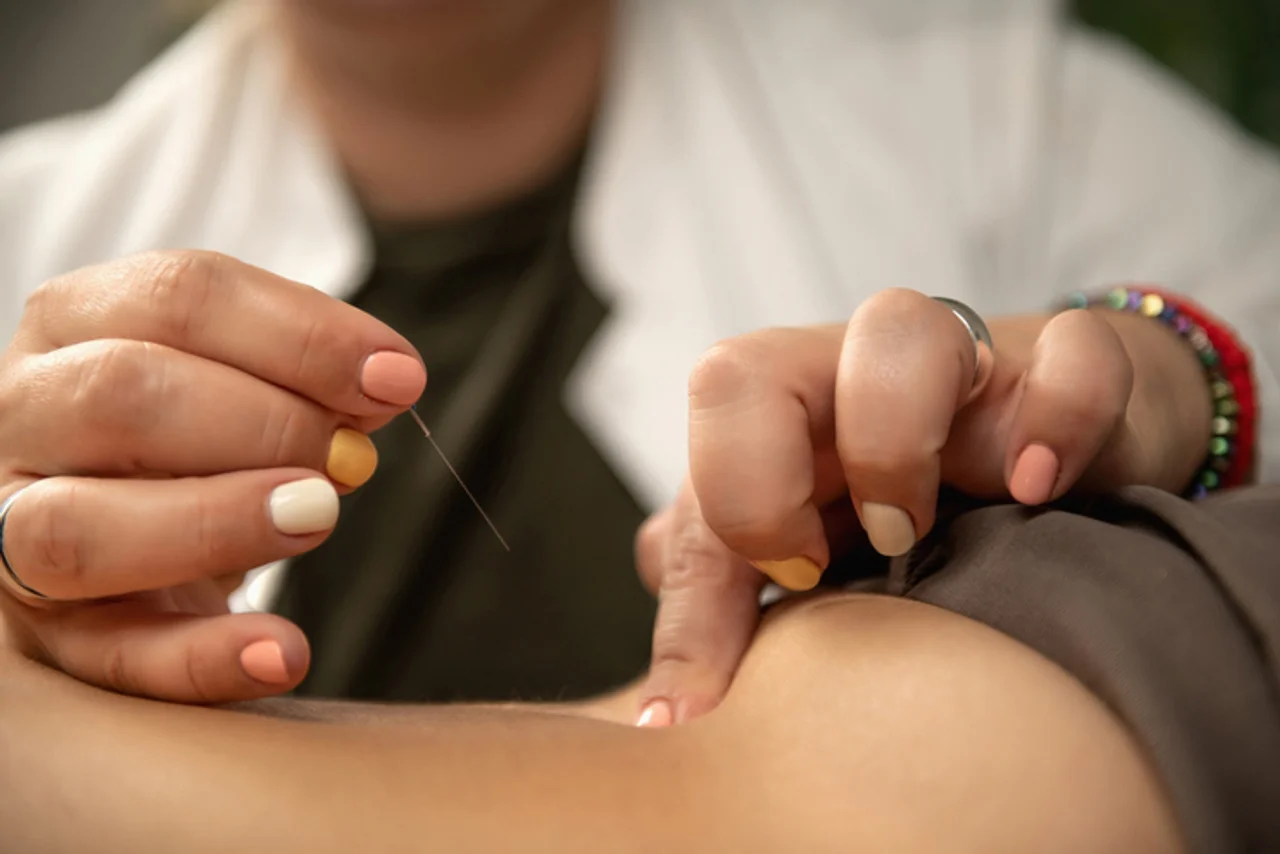
How Many Sessions of Acupuncture Does It Take to Treat Chronic Pain?
Wondering how many acupuncture sessions you need for chronic pain? Discover what to expect, treatment timelines, and lasting relief. Start healing today!
Schedule a Consultation
Let’s be honest — chronic pain is rarely straightforward. If you’re living with persistent pain, you’ve probably tried multiple treatments, heard conflicting advice, and wondered whether acupuncture could finally give you some relief. And the question most patients ask first is simple: How many sessions will it take to feel better?
There’s no one-size-fits-all answer — but after years of clinical experience and observing how real bodies respond, we can give you a clear, realistic idea of what to expect.
What Clinical Experience Shows — The Typical Range
Most people don’t feel complete relief after just one or two acupuncture sessions. Chronic pain, by nature, is deeply rooted — often entangled with inflammation, nerve sensitivity, muscle tension, posture, and even emotions like stress or fatigue.
In many well-run clinics, the average starting course for chronic pain treatment is between 6 and 15 sessions, usually spaced once or twice per week. That’s not just tradition — it’s what actual patient response patterns reveal.
Some individuals feel changes within the first few sessions — a softening of the pain, more flexibility, better sleep. For others, it takes a few weeks for the body to “catch up” and begin rewiring its pain signals.
Acupuncture works by stimulating the body's natural healing processes, enhancing blood circulation, regulating the nervous system, and releasing endorphins. These mechanisms take time to establish a cumulative effect, particularly for pain that has lingered for months or even years. The body needs consistency to reinforce new patterns of function and relief.
Why Some People Need More Sessions — And Others Less
Acupuncture isn’t just about putting needles in the right spots — it’s about helping the entire system return to balance. That’s why the number of sessions can vary depending on:
Type of pain — Muscle tension, joint degeneration, nerve-related pain, menstrual pain, or migraines all respond differently.
Duration of symptoms — Pain that’s been present for a few months may resolve quicker than pain that’s lasted for years.
Age and overall health — A healthier, well-rested body may respond more quickly to acupuncture than one already depleted by stress or illness.
Frequency of treatment — In some cases, doing 2 sessions per week early on yields faster results than once-weekly visits.
Other support — If acupuncture is combined with herbal medicine, diet therapy, or posture correction, results often come faster.
For example, a younger patient with mild neck pain caused by poor posture may feel a noticeable difference after just a few sessions. On the other hand, someone dealing with post-surgical back pain, compounded by stress and inflammation, may require a longer and more comprehensive plan.
In traditional Korean medicine, we also consider constitutional types and energy balance. Two people with the same diagnosis may need different acupuncture points and frequencies based on their internal imbalances, digestion, and even emotional patterns. This is what makes personalized care so essential.
How We Approach It at Our Clinic
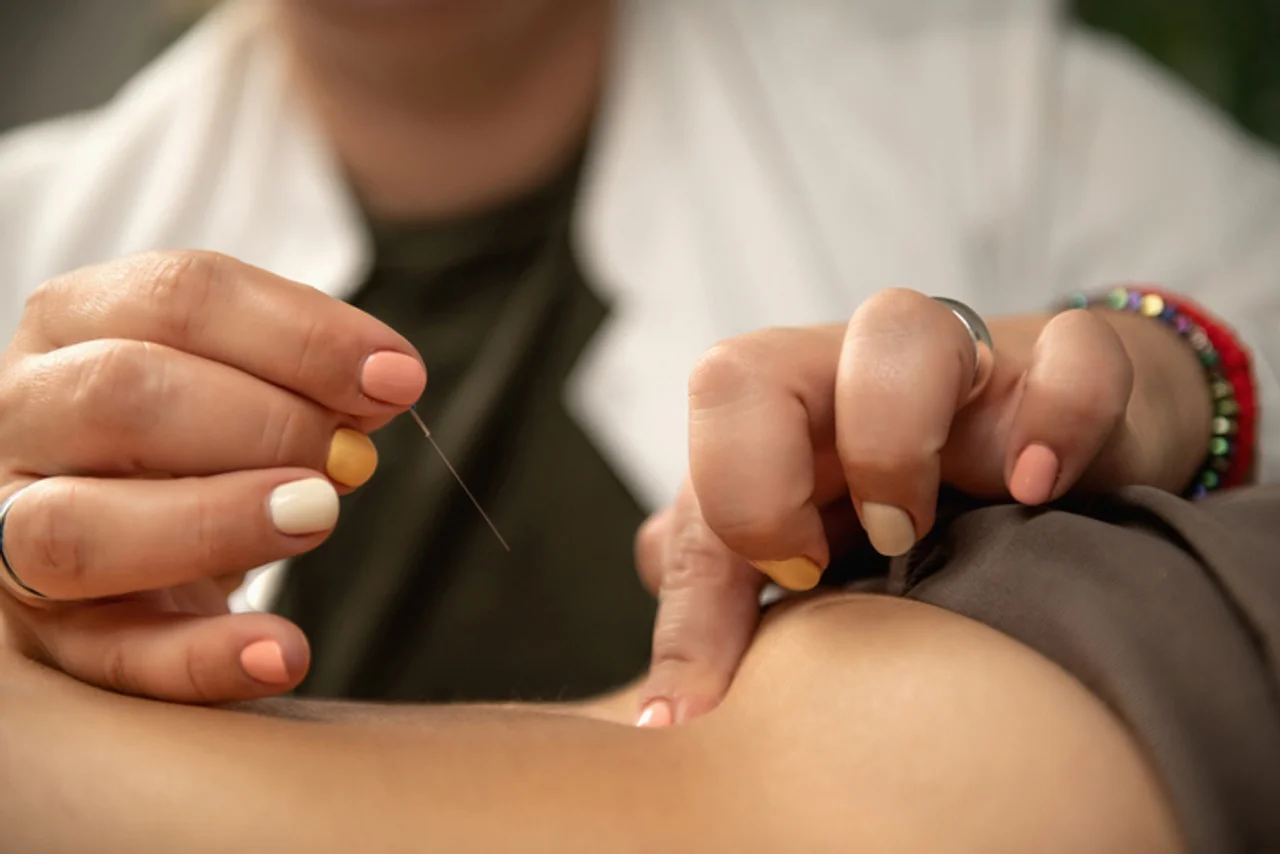
At Arine Korean Medicine Clinic in Gangnam, we’ve treated hundreds of patients suffering from long-term pain — back pain, joint issues, postpartum discomfort, tension headaches, and more.
Here’s how we typically approach chronic pain with acupuncture:
1. Initial Phase (Weeks 1–4):
We recommend 1–2 sessions per week, depending on the intensity and duration of your symptoms. This phase is all about “opening the gates” — reducing inflammation, improving circulation, and allowing the nervous system to recalibrate.
During this period, we closely monitor changes in pain quality, sleep, appetite, and emotional well-being. For many, the first improvement is a deeper sense of relaxation or better sleep — both indicators that the nervous system is beginning to shift out of "fight or flight" mode.
2. Progress Evaluation (Weeks 4–6):
By the fourth to sixth session, most patients begin to notice shifts — not always dramatic, but clearer movement, easier mornings, or a change in how pain behaves. We use this stage to re-evaluate and refine your treatment plan.
In some cases, we might adjust the acupuncture technique (e.g., using electroacupuncture), integrate cupping therapy, or begin introducing herbal medicine to support internal healing. Our goal is to build momentum, not just reduce symptoms.
3. Consolidation Phase (Weeks 6–12):
As pain levels drop, we often taper to once a week or once every 10 days. This is where deeper healing takes place — helping the improvements “stick,” reducing flare-ups, and building resilience.
This phase is critical for retraining the body’s pain response. The nervous system learns that it no longer needs to send alarm signals all day long. With each session, the body moves closer to stability and ease.
4. Maintenance & Prevention (Long-Term):
For conditions like arthritis, chronic back pain, or stress-related tension, monthly or seasonal tune-ups can prevent relapses. Some patients come in during high-stress periods or after physical exertion to keep their progress on track.
Long-term maintenance is not a sign of failure — it’s a strategy for sustainability. Just as we might visit a dentist for regular cleanings, ongoing acupuncture helps maintain the internal terrain that keeps pain at bay.
Realistic Expectations — What Relief Actually Looks Like

One truth we share with all patients: acupuncture for chronic pain is not a quick fix. Instead, it’s a process of steady improvement — often subtle at first, then surprisingly powerful.
Some people find that pain intensity decreases within 3–4 sessions. Others report better sleep, digestion, or mood before the pain itself starts to change. That’s a good sign — it means the body’s overall regulation system is responding.
Lasting change, especially for pain that’s been around for years, often takes 8 to 12 sessions or more. And in many cases, acupuncture doesn’t “erase” the pain — it transforms it: less frequent, less intense, more manageable, and less disruptive to daily life.
Patients often say, “It’s not gone, but it doesn’t control me anymore.” That shift is profound. It means you can work, sleep, and move again without being held hostage by your symptoms.
What Most People Overlook
One thing many new patients don’t realize is that acupuncture’s effects are cumulative. Missing weeks between sessions or stopping after two visits often blunts the long-term benefit. Just like physical therapy or a proper diet, consistency matters.
Also, acupuncture works best when supported by lifestyle care. At Arine, we often combine acupuncture with herbal diet therapy, breathing exercises, and posture correction strategies — because pain doesn’t exist in a vacuum.
For example, we may recommend herbal formulas to reduce inflammation or improve circulation, especially when pain is tied to cold-damp patterns or stagnation. We may also advise on anti-inflammatory foods, restorative movement routines, or even ergonomic changes to reduce strain during work.
In Korean medicine, we see chronic pain not just as a symptom, but as a signal. It tells us something deeper is off balance. And unless we address those root causes, the pain will likely return.
Final Thoughts — And a Gentle Invitation
If you’re dealing with chronic pain — whether from an old injury, long hours at a desk, or the physical toll of childbirth — acupuncture could offer not just symptom relief, but a path back to balance.
From our experience, a full initial course of 8–12 sessions gives your body the best chance to respond. From there, we adapt — either extending treatment, spacing it out, or adding complementary therapies.
We don’t just chase symptoms. We look at how your whole system is functioning — digestion, sleep, energy, mood, and more. Because when your body is truly balanced, pain has less reason to stay.
If you’ve been managing pain for a while and haven’t found the relief you deserve, consider visiting a clinic that treats not just the symptoms, but the whole person.
At Arine Korean Medicine Clinic, we’re here to guide you — with care, with clarity, and with methods rooted in both tradition and science.
Would you like help creating a personalized treatment plan? Just let us know — we’re always happy to listen.
More Articles
Continue reading clinical guides from Arine Korean Medicine Clinic.

Postpartum Swelling? How Korean Medicine Can Help You Heal Faster
Discover how Korean medicine reduces postpartum swelling and speeds up recovery naturally. Learn proven remedies for faster healing after childbirth.
Learn More

How Keep Sticks Help You Stick to Your Weight Loss Goals
Discover how Korean medicine reduces postpartum swelling, speeds healing, and restores balance naturally. Learn more about holistic recovery today!
Learn More

Is Acupuncture the Key to Finally Beating Persistent Pain?
Discover how acupuncture may help relieve chronic pain naturally. Explore its benefits, effectiveness, and if it's right for you. Learn more today!
Learn More