Personalized Korean Medicine & Weight Management in Gangnam, Seoul · International Patient Concierge

Medical Guide
How Long Should You Use Korean Herbal Remedies for Swelling?
How long should you use Korean herbal remedies for swelling? Learn the ideal duration, benefits, and what to expect from these natural healing solutions.
Schedule a Consultation
When patients ask how long they should take Korean herbal remedies for swelling, the most honest answer is: it depends. At Arine Korean Medicine Clinic in Gangnam, led by Dr. Seungseok Chae, we customize herbal treatment plans based on the individual's condition, constitution, and the root cause of the swelling. Korean medicine doesn’t approach swelling as a standalone issue—it views it as a signal from the body pointing to underlying imbalances.
Understanding Swelling in Korean Medicine
Swelling isn't a one-size-fits-all condition. Some patients experience acute swelling—after surgery, injury, or childbirth. Others deal with sub-acute or chronic fluid retention due to deeper issues like metabolic imbalances or weak organ function. In Korean medicine, swelling can stem from blood or qi stagnation, "wind-damp" accumulation, or organ deficiencies (typically the Spleen or Kidney).
Swelling, or "bujong" (부종) in Korean, is often seen as the result of an internal dysfunction in the transportation and transformation of fluids. The Spleen is considered responsible for fluid metabolism, while the Kidney and Lung play supporting roles. When any of these organs are weak or disrupted, fluids accumulate in the tissues.
Herbal remedies aren't just aimed at reducing visible puffiness. Our treatments target:
Circulatory stagnation
Fluid metabolism
Tissue healing
Immune modulation
Prevention of recurrence
That’s why the duration can’t be simplified into a universal timeline. Instead, we treat based on your body’s response and overall balance. It’s a layered, responsive approach—not a quick fix.
What to Expect: General Timeframes
We’ve treated hundreds of patients at Arine, and while each case is unique, some patterns have emerged:
1. Acute Swelling (e.g., Post-surgical or Post-injury)
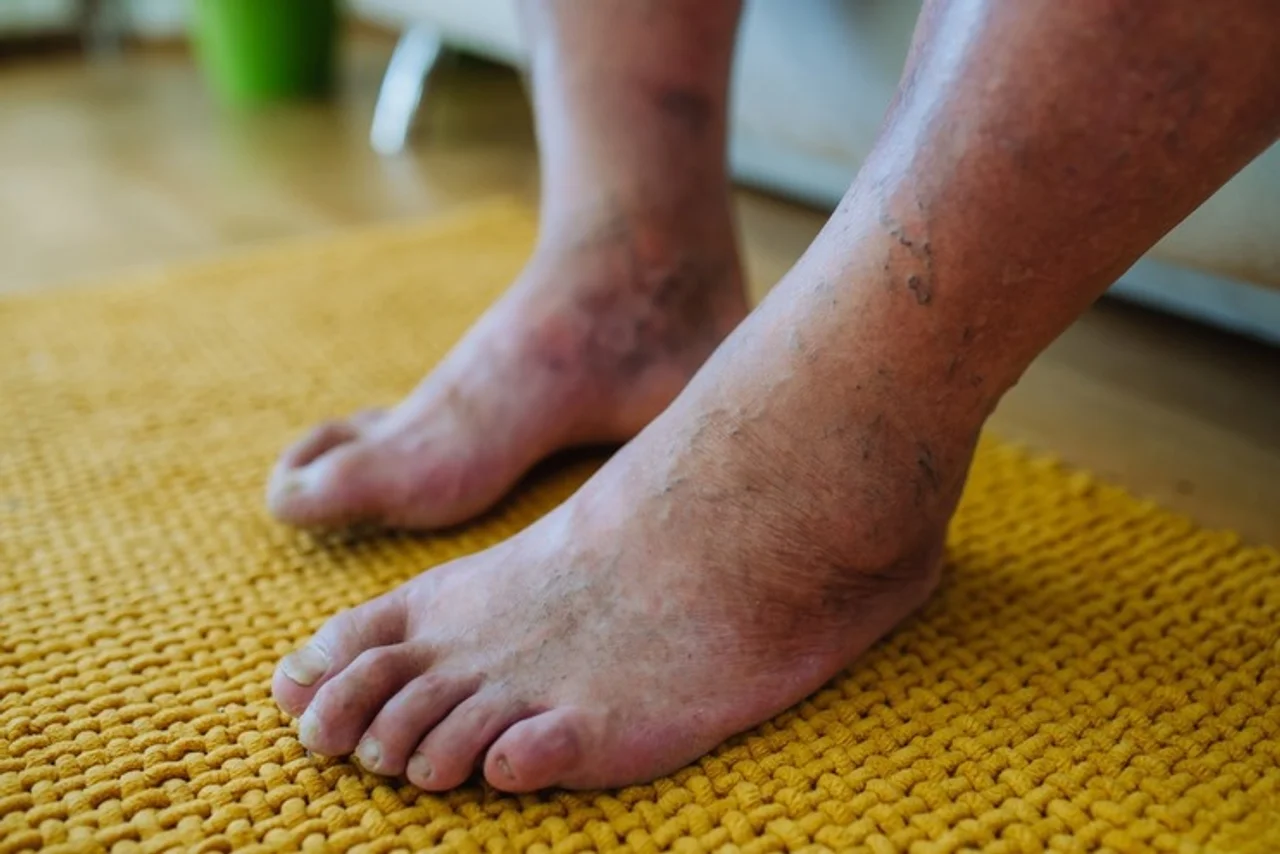
In cases of recent trauma or surgery, we typically see notable improvement within 2–4 weeks. Herbal medicine is often paired with acupuncture or lymphatic drainage to accelerate the process. Herbal prescriptions often focus on reducing inflammation, enhancing microcirculation, and preventing fluid from congealing into fibrosis.
By the 4- to 6-week mark, we reassess. If swelling is resolved and function is restored, we taper off the herbs. If stagnation or discomfort persists, we adjust the formula—either by strengthening its anti-inflammatory effect or by incorporating herbs that nourish the tissue and prevent relapse.
2. Postpartum Swelling or Body-Contouring Fluid Retention
These cases often require 6–12 weeks of consistent herbal support. Swelling here is more complex—often hormonal, lymphatic, and metabolic. We address not only the fluid but also the underlying shifts in the body post-pregnancy or post-procedure.
For postpartum patients, especially those who experienced long labors, C-sections, or epidurals, herbal therapy supports recovery by enhancing uterine contraction, aiding liver detoxification, and helping the body discharge retained fluids. The same goes for body-contouring patients—swelling after fat dissolving injections or procedures like liposuction can linger due to poor lymphatic flow. Herbs improve this circulation naturally without putting the body under stress.
Patients usually report not only decreased swelling but also increased energy, better digestion, and improved mood during this recovery period.
3. Chronic Swelling (e.g., Metabolic or Organ Weakness)
If the swelling has persisted for months or years, or is linked to systemic issues, treatment may last 3–6 months or longer. Chronic swelling is rarely just about fluid—it’s often tied to deep-rooted imbalances like digestive weakness, poor circulation, or chronic inflammation.
In these cases, we use a phased approach:
Phase 1: Drainage and detox (remove stagnation)
Phase 2: Tonification (strengthen organ systems, particularly Spleen and Kidney)
Phase 3: Maintenance (prevent recurrence with mild herbal support and lifestyle care)
We often see these patients every 2–3 weeks to adjust the prescription based on pulse, tongue diagnosis, and response. Healing takes time, but the improvements tend to be deep and lasting.
Why the Wide Range?
Because we’re not only treating the symptom—we’re targeting the underlying imbalance. Some bodies respond quickly; others take time to heal. Age, lifestyle, constitution, and other medical conditions all play a role.
Also, deeper issues like lymphatic stagnation or fibrotic tissue changes don’t reverse overnight. Think of herbal therapy as sculpting—not shaving off the surface, but reshaping and stabilizing the foundation.
Culturally, this aligns with Korean medicine’s ethos: to harmonize the body rather than force it into a fixed outcome. That’s why you’ll hear us talk about building resilience, not just shrinking symptoms.
When to Stop or Taper
We look at several indicators:
Symmetry between limbs
Reduction in heaviness or tension
Improvement in movement and comfort
Tongue and pulse signs (from a Korean medicine perspective)
Stability in the swelling without daily fluctuation
Once these signs improve, we begin tapering. But if signs point to lingering imbalance, we continue treatment or shift to a lighter maintenance dose.
We also pay attention to the patient’s emotional and physical energy. When someone reports increased vitality, better sleep, and emotional calm, we know the treatment is supporting deeper systems.
What People Often Overlook
Many people expect results in a week or two. But if the underlying systems aren’t supported, swelling often returns. Here are a few truths we share with our patients:
1. Herbal remedies work best when combined with other therapies. Acupuncture, gentle physical therapy, and dietary adjustments make the herbs more effective. We also sometimes use heat therapy, cupping, or moxibustion to support circulation.
2. Lifestyle matters. High salt intake, alcohol, late nights, and inactivity can all counteract progress. We guide patients to adopt small but impactful shifts—such as reducing cold/raw foods, drinking warm water, and using movement to stimulate fluid flow.
3. Treatment works best in phases. We usually start with an intensive phase (daily herbs, frequent visits), move into stabilization, and then into maintenance. This mimics nature’s own healing rhythm—intense repair followed by restoration.
Simple Guidelines
Recent swelling (injury, surgery): Plan for 2–4 weeks, with reassessment.
Postpartum or cosmetic-related swelling: Expect 6–12 weeks.
Chronic swelling: Anticipate 3–6 months, depending on severity and cause.
If there’s no improvement after a reasonable period (e.g., 30% or less reduction in 4–6 weeks), we reevaluate. Sometimes the formula needs to change; sometimes we need to explore other contributing factors.
We don’t just measure visible change—we look at systemic signs. If your digestion, energy, or sleep hasn’t improved alongside swelling, something deeper may still be unresolved.
When to See Your Doctor Immediately
Some types of swelling aren’t suitable for herbal treatment alone. If swelling is rapidly increasing, red, hot, or painful—it may be an infection or thrombosis. If you have heart, liver, or kidney conditions, you need integrative care.
Also, if you experience digestive upset, rashes, or unusual lab values during herbal treatment, it’s important to consult your doctor or your Korean medicine practitioner.
Korean medicine works best when personalized and coordinated with your overall medical picture. That’s why we often collaborate with conventional medical professionals when necessary.
What We Do at Arine
Our approach is methodical:
Identify the cause of swelling through Korean and modern diagnostic tools
Tailor the herbal remedy based on syndrome differentiation
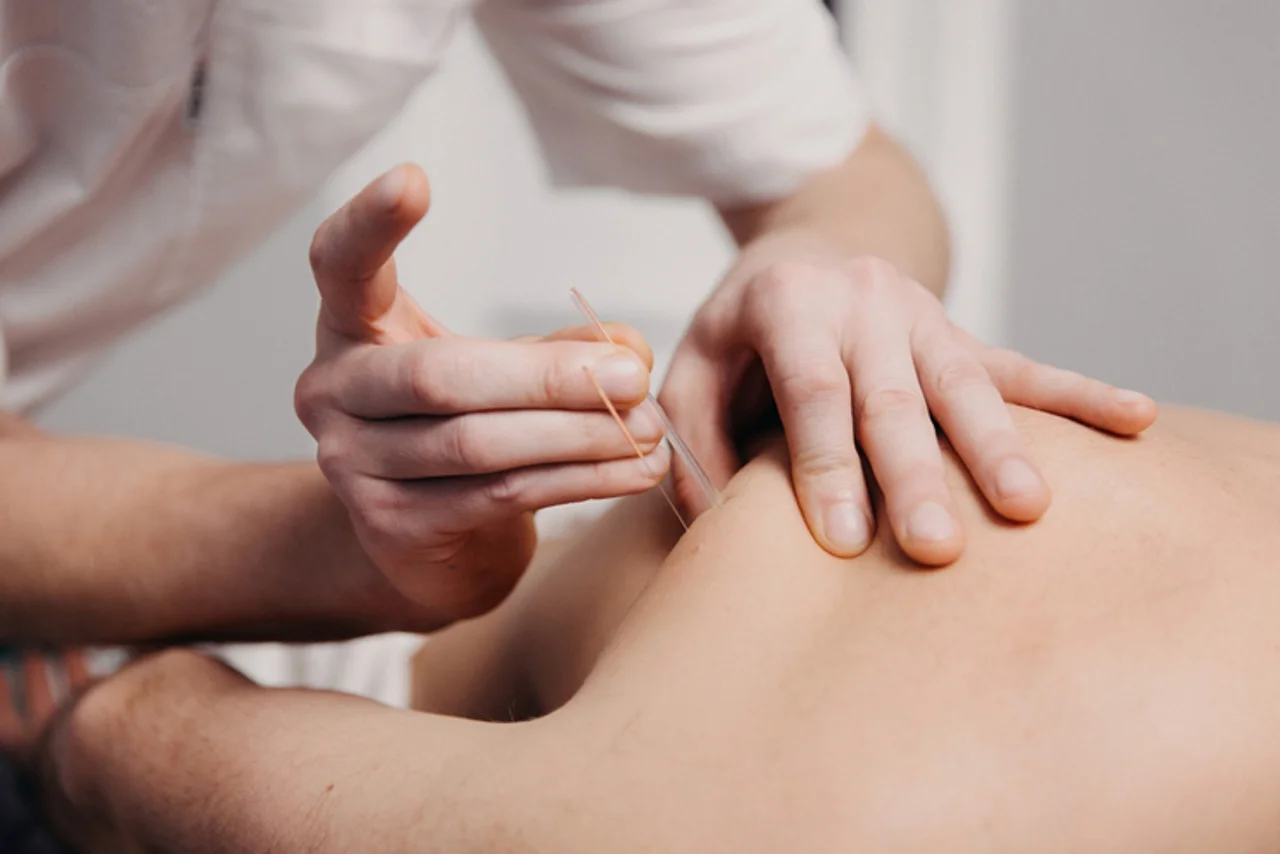
Integrate acupuncture or physical care for synergistic effect
Monitor every 2–3 weeks for measurable changes
Adjust or taper based on progress and symptoms
Provide lifestyle support and prevent recurrence with education and home care
We also maintain detailed patient records—including photos, measurements, and symptom logs—to track subtle improvements and prevent backsliding.
Final Thought
So, how long should you take Korean herbal remedies for swelling? The truthful answer is—it depends on you. But in most cases, expect to commit to several weeks or even a few months. The key is not just reducing swelling, but restoring balance so that it doesn’t return.
If you’re dealing with stubborn swelling—after childbirth, surgery, or chronic conditions—consider visiting a clinic like Arine in Gangnam. We specialize in holistic, natural approaches that address both symptom and cause, using time-tested herbal medicine and modern diagnostic insight.
You don’t need to manage swelling alone. Korean medicine offers a safe, sustainable, and deeply individualized path to healing—and we’re here to help guide it.
More Articles
Continue reading clinical guides from Arine Korean Medicine Clinic.

Postpartum Swelling? How Korean Medicine Can Help You Heal Faster
Discover how Korean medicine reduces postpartum swelling and speeds up recovery naturally. Learn proven remedies for faster healing after childbirth.
Learn More

How Keep Sticks Help You Stick to Your Weight Loss Goals
Discover how Korean medicine reduces postpartum swelling, speeds healing, and restores balance naturally. Learn more about holistic recovery today!
Learn More
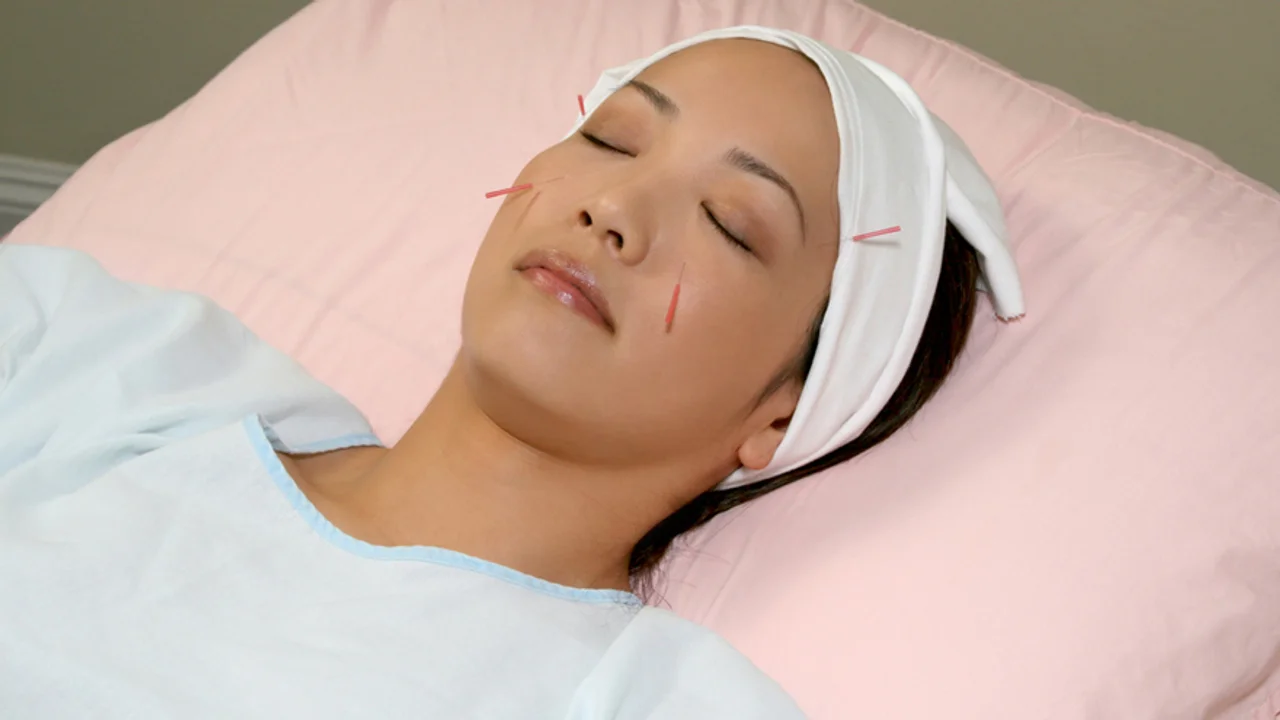
Is Acupuncture the Key to Finally Beating Persistent Pain?
Discover how acupuncture may help relieve chronic pain naturally. Explore its benefits, effectiveness, and if it's right for you. Learn more today!
Learn More