Personalized Korean Medicine & Weight Management in Gangnam, Seoul · International Patient Concierge
Medical Guide
Home Remedies vs. Professional Swelling Treatments
Home remedies vs. professional swelling treatments—discover which option is best for lasting relief, faster healing, and safe results. Learn more today!
Schedule a ConsultationWhat is swelling (and why does it happen)
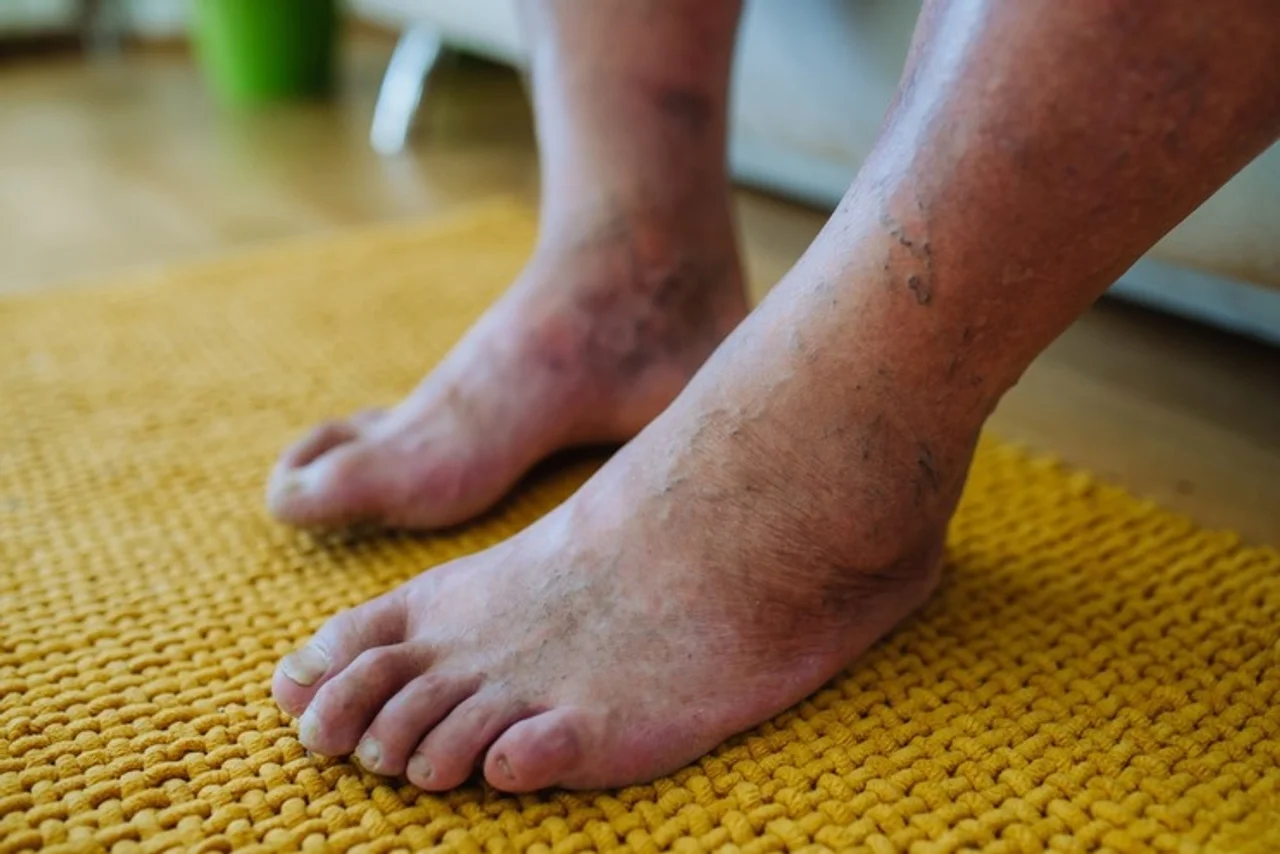
When you notice puffiness, fluid buildup, or tissue enlargement in areas like your legs, arms, or joints, that’s swelling. It may seem simple on the surface, but it tells us a lot about what’s going on inside the body.
Swelling can be your body's response to injury, inflammation, or even just a salty meal. It happens when fluid leaks from blood vessels or lymph nodes into surrounding tissue. Sometimes this is harmless and goes away with rest. Other times, it points to something more serious like heart failure, kidney disease, liver dysfunction, or deep vein issues.
There are generally two categories of swelling: localized and systemic. Localized swelling is often due to trauma, infection, or a strain affecting a specific body part. Systemic swelling usually affects the whole body or both sides and often points to broader health conditions involving internal organs or hormonal imbalance.
At Arine Korean Medicine Clinic, we always start by asking:
How long has the swelling been present?
Is it affecting one area or both sides equally?
Is there pain, heat, redness, or fever?
Are there other contributing factors (surgery, medication, postpartum changes)?
These questions help us determine whether the swelling is due to poor circulation, lymphatic blockage, hormonal shifts, injury, or systemic conditions. The key to managing swelling effectively is understanding its root cause. In our clinical experience, the underlying mechanism is often multifactorial.
If swelling is mild and symmetrical—say, after a long day on your feet—home care is often enough. But if it’s painful, persistent, or comes with other symptoms, it’s time to seek professional help.
Home remedies: What you can do at home
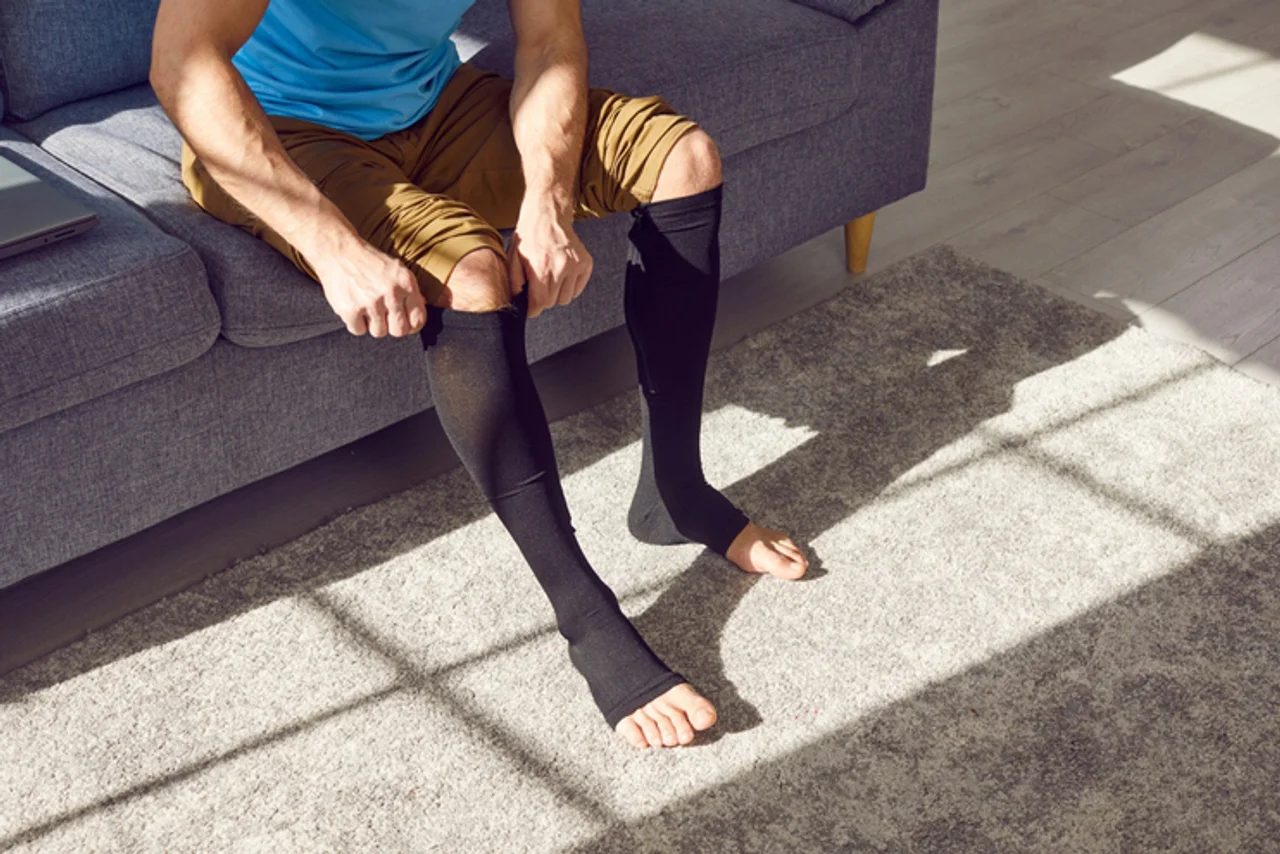
Home remedies are a great first line of defense. They help ease symptoms and support circulation. But they’re not magic. Here’s what can genuinely help:
What works:
Elevation: Raising the swollen area above heart level helps gravity pull fluid back into circulation. This is particularly effective for leg and ankle swelling caused by prolonged standing or travel.
Compression garments: Compression socks or sleeves provide constant pressure that helps veins and lymphatic vessels push fluid back toward the heart. This is especially useful for those with sedentary jobs or varicose veins.
Movement: Simple walking or stretching encourages muscles to pump fluid away from swollen areas. For example, activating the calf muscle acts as a secondary heart for the lower body.
Hydration and diet: Drinking enough water keeps the lymphatic system flowing properly, while a diet low in salt and rich in anti-inflammatory foods can reduce fluid retention.
Cold therapy: If the swelling is due to injury, applying a cold pack in the early stages can reduce inflammation. Be sure to limit ice application to 15–20 minutes at a time.
Additional home practices may include:
Epsom salt baths: Some patients find temporary relief with magnesium-based soaks.
Gentle self-massage: Light stroking toward the heart can support lymph flow, especially for mild cases.
Breathwork: Diaphragmatic breathing stimulates lymph movement and can support relaxation and drainage.
What home care cannot do:
It can’t reverse conditions like heart disease, venous insufficiency, or lymphatic blockage.
It won’t fix infections or skin damage linked to swelling.
It may temporarily relieve symptoms but often doesn’t resolve the underlying cause.
In fact, excessive reliance on home remedies may delay necessary medical attention. We've had patients come in after weeks of trying elevation and cold packs without improvement—only to discover an underlying vein disorder or post-inflammatory fibrosis.
Clinic insight: what many people overlook
To be honest, people often misunderstand the role of home remedies. At Arine, we explain it like this: home care is not the whole solution—it’s a support system. Think of it as tuning a musical instrument. You can adjust the strings, but if the body (the instrument) is warped, the sound will still be off. Likewise, elevation and compression help, but if circulation or posture is off, you’ll keep swelling.
Home care shines when used early and appropriately in tandem with professional guidance. It’s about laying a foundation, not building the entire house.
Professional treatments: When and how they differ
If swelling is persistent or signals something more serious, professional treatment becomes essential.
Why professional care is needed:
To diagnose the root cause. Blood tests, ultrasounds, and physical exams help determine if swelling is due to clots, heart issues, or lymphatic problems.
To treat underlying conditions. For example, systemic swelling may need diuretics or vascular support.
To offer specialized therapies like manual lymph drainage or professional compression wraps.
To monitor for complications. Redness, heat, sudden pain, or skin changes can mean infection or more serious issues.
Ignoring these warning signs could lead to complications like cellulitis, skin breakdown, or chronic lymphedema.
Examples of clinical care:
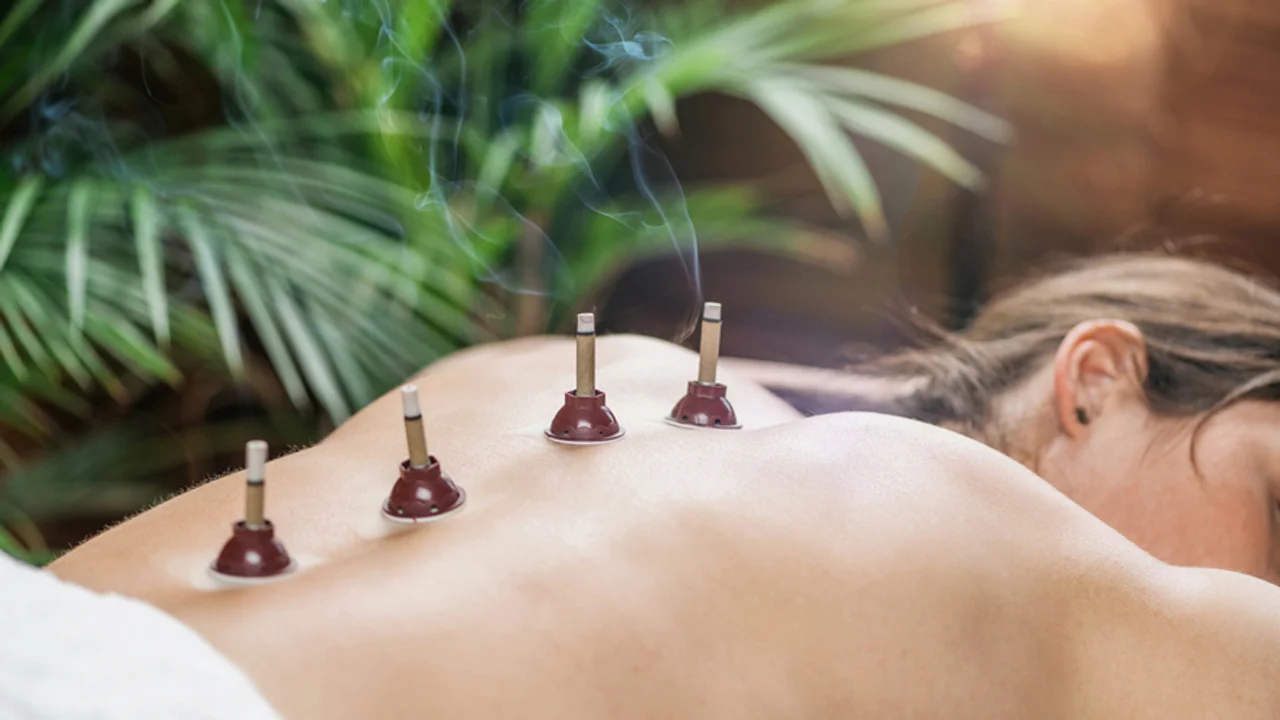
Tailored compression therapy: Custom-fitted garments and multilayer bandaging systems designed by trained clinicians for better efficacy.
Manual lymphatic drainage: A therapeutic form of massage that encourages the natural drainage of lymph, essential in managing post-surgical or cancer-related swelling.
Korean herbal medicine: Specific formulas can help reduce inflammation and promote diuresis. Herbs like Bojungikgi-tang or Ojeok-san are commonly used depending on the patient’s constitution.
Acupuncture and moxibustion: Stimulating key meridian points enhances microcirculation and helps rebalance internal energy, which is often disturbed in chronic swelling.
Postural correction and movement therapy: Targeted exercises to strengthen muscle pumps and restore balance to circulation patterns.
Clinic insight: what patients often don’t know
Many assume that rest and elevation will solve everything. But especially in postpartum cases or after body contouring treatments, swelling can be persistent. That’s because it’s not just fluid—it’s about hormones, tissue trauma, diet, and posture all interacting.
At Arine, we find that combining treatments leads to better outcomes. Acupuncture improves circulation, herbal therapy supports fluid metabolism, and gentle drainage helps restore balance. Treating the whole body—not just the visible swelling—is the key to lasting recovery.
We also integrate modern diagnostics with traditional wisdom. For example, if a patient presents with swelling and fatigue, we don’t just check their blood pressure—we assess their tongue, pulse, digestion, and emotional state. These clues help tailor a more precise and effective treatment.
How to decide: Home care or professional help?
Here’s a simple guide to help you decide:
Home care is enough if:
The swelling is mild and came on recently.
You know the cause (e.g., standing too long, salty meal, minor injury).
There are no red flag symptoms (no pain, redness, fever, or one-sided swelling).
You see improvement after 1–2 days of elevation, compression, and movement.
You are not immunocompromised or recovering from surgery.
In this case, continue observing. If the swelling improves, continue your home care for a few more days. If it stalls or worsens, escalate care.
You should see a professional if:
Swelling lasts more than a few days or worsens.
It is isolated to one side, painful, red, or hot.
You have underlying conditions like heart, kidney, or liver issues.
You are recovering from surgery, postpartum, or undergoing body contouring.
You’re experiencing associated symptoms like shortness of breath, fatigue, or fever.
Early intervention can prevent complications and lead to a faster, more comfortable recovery.
How we approach swelling at Arine Korean Medicine Clinic
At Arine, we look at swelling holistically. We don’t just treat the surface—we investigate what’s underneath.
Assessment: We consider your overall health, lifestyle, recent treatments, and patterns in swelling. We also evaluate your traditional Korean medicine constitution to identify imbalances.
Tailored plan: For simple cases, we may recommend home care plus herbal support. For complex cases, we integrate acupuncture, herbal medicine, lymphatic drainage, and compression therapy. Each treatment plan is uniquely designed based on your condition and life context.
Ongoing monitoring: If there's no improvement after a week or two, we may perform additional diagnostics or refer you to a specialist. Safety and long-term success are our priorities.
Long-term prevention: Especially for postpartum or weight loss clients, we focus on restoring lymphatic flow, muscle tone, and posture to prevent recurrence. We may also guide patients through supportive exercises and breathing routines to strengthen internal health.
Final thoughts
Swelling is common, but it isn’t always simple. It can signal something harmless, or something serious. Home care helps in many cases, but professional treatment ensures you’re not missing something deeper.
If you’re dealing with swelling that doesn’t go away—whether after childbirth, cosmetic treatment, or injury—we’re here to help. At Arine Korean Medicine Clinic, we combine traditional Korean wisdom with modern techniques to get to the root of the problem and help your body heal fully.
We believe every patient deserves a care plan that feels right for their body, respects their history, and guides them toward lasting health. Whether you're managing postpartum fluid retention, swelling after aesthetic treatment, or chronic limb edema, you deserve more than a temporary fix.
Reach out if you’re unsure what your swelling means. Better safe, supported, and well-informed.
More Articles
Continue reading clinical guides from Arine Korean Medicine Clinic.
Postpartum Swelling? How Korean Medicine Can Help You Heal Faster
Discover how Korean medicine reduces postpartum swelling and speeds up recovery naturally. Learn proven remedies for faster healing after childbirth.
Learn More
How Keep Sticks Help You Stick to Your Weight Loss Goals
Discover how Korean medicine reduces postpartum swelling, speeds healing, and restores balance naturally. Learn more about holistic recovery today!
Learn More
Is Acupuncture the Key to Finally Beating Persistent Pain?
Discover how acupuncture may help relieve chronic pain naturally. Explore its benefits, effectiveness, and if it's right for you. Learn more today!
Learn More