Personalized Korean Medicine & Weight Management in Gangnam, Seoul · International Patient Concierge

Medical Guide
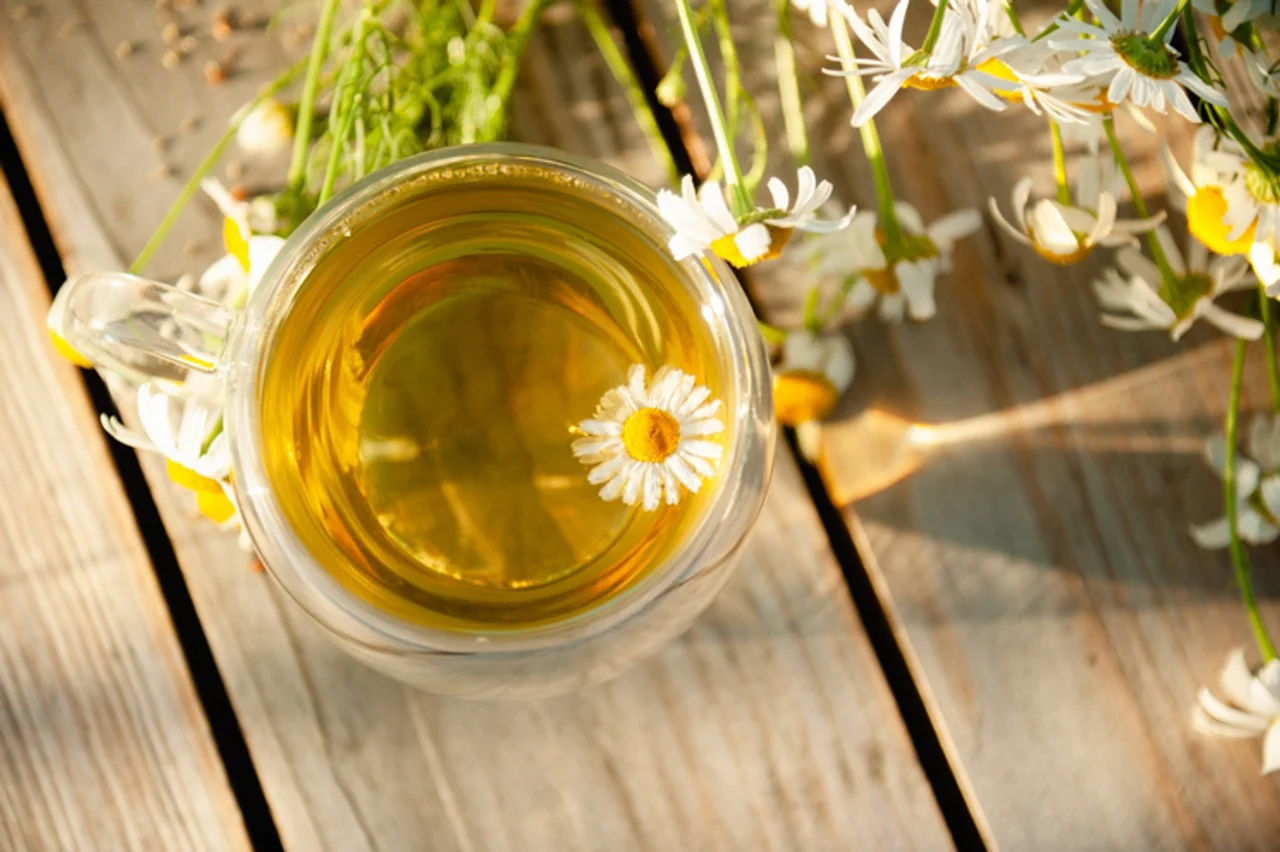
Herbal Teas for Better Sleep and Less Stress
Discover the best herbal teas for better sleep and less stress. Explore natural blends that calm the mind and body—sip your way to relaxation today!
Schedule a ConsultationImagine ending your day not with a swig of caffeine or scrolling through your phone, but with a warm cup of herbal tea that feels like an exhale. For many people today — especially those juggling long workdays, tight deadlines, or young children — stress and sleeplessness have become almost normal. But they shouldn’t be.
At Arine Korean Medicine Clinic in Gangnam, we see the toll that chronic stress and poor sleep take on the body: foggy thinking, persistent tension, digestive troubles, weakened immunity, and an increasingly depleted sense of well-being. What people often overlook is that stress and sleep are deeply embodied experiences. They are not just psychological — they are physiological rhythms that respond to the nervous system, the gut, and the subtle energy flows in the body.
Herbal teas aren’t magic potions. But when used thoughtfully — especially within a holistic approach to health — they can be one of the gentlest, most restorative tools you have for calming the nervous system and supporting better sleep.
This isn’t theoretical. It’s clinical. It’s rooted in centuries of East Asian herbal tradition, and we bring it forward in a form that works with modern lifestyles.
Why Sleep and Stress Are Connected

Stress and sleep are two sides of the same coin. When you’re stressed, your body floods with cortisol and adrenaline — the very hormones designed to keep you alert and focused in emergencies. But when they’re on all night, they can keep you from falling asleep or from entering restorative sleep cycles.
Poor sleep, in turn, sensitizes the stress response. The next day, your nervous system reacts more strongly to the same stimuli that would’ve felt manageable before. It becomes a loop that’s hard to break:
Stress → sleeplessness → more stress → exhaustion.
What many people don’t realize is that this loop isn’t just “in your head.” It’s in your endocrine system, your digestion, your immune system, and your central nervous system. That’s why holistic approaches like Korean medicine look at sleep and stress as systemic — influenced by lifestyle, diet, emotional state, and the subtle balance of internal energy (called Qi).
Herbal teas come into play not as a cure-all, but as a soothing influence on this system — especially when combined with other calming practices.
How Herbal Teas Help:
The Physiology Behind the Calm
Herbal teas influence the body in several specific ways:
🌿 1. Nervous System Soothing
Certain phytonutrients — like flavonoids and terpenes — interact with receptors in the brain that help down-regulate the stress response. Think of them as gentle messengers telling the body: It’s okay to relax.
🌿 2. Improving Gut-Brain Communication
About 90% of serotonin — a precursor to melatonin (your sleep hormone) — is produced in the gut. Herbs that support digestion and relieve tension in the digestive tract indirectly support better neurotransmitter balance.
🌿 3. Regulating Circadian Rhythms
Some herbs influence melatonin secretion or its receptors, helping the body recognize when it’s time to wind down.
🌿 4. Reducing Physical Tension
Stress often manifests as muscle tightness — especially in the neck, shoulders, and jaw. Some herbs support muscle relaxation and blood circulation, adding to that sense of physical ease before sleep.
The Best Herbal Teas for Sleep and Stress
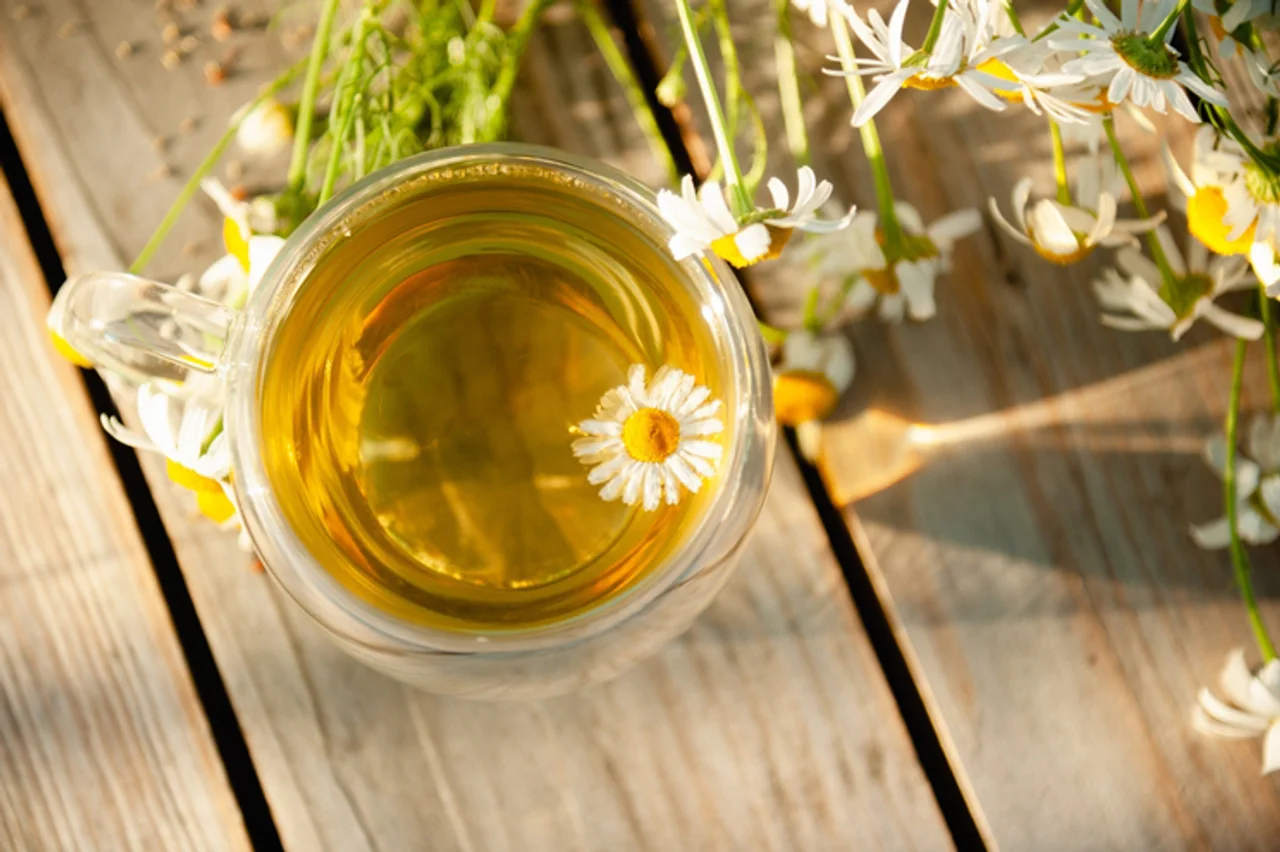
Below are teas that have stood the test of time in traditional medicine — alongside insights from our clinical practice. Always consult with a qualified practitioner before starting any herbal regimen, especially if you’re on medication or pregnant.
🌼 1. Chamomile — The Classic Calmer
Chamomile is perhaps the most well-known sleep-supporting tea worldwide.
Why it works:
It contains apigenin, a flavonoid that binds to GABA receptors in the brain — the same receptors targeted by many anti-anxiety medications. This promotes a feeling of calm and can help ease you into sleep.
Clinical insight:
Chamomile is especially helpful for people whose sleeplessness is tied to ruminating thoughts — that late-night mental replay of the day’s stresses.
How to use:
Steep 1–2 teaspoons of dried flowers in hot water for 5–10 minutes. Have it about 30–60 minutes before bedtime.
🌿 2. Lavender — Aromatic Ease for Mind and Body
Lavender is more than a scent; it’s a nervous-system balancer.
Why it works:
Its volatile oils have a calming effect on the limbic system, the part of the brain involved in emotion and arousal.
Clinical insight:
In our practice, lavender tea is exceptionally helpful for people with tension headaches, jaw clenching, or restless sleep. It helps the mind descend into rest, rather than just shutting down.
How to use:
Use dried buds; steep 1–2 teaspoons in hot water for 7–10 minutes. You can combine lavender with chamomile for a synergistic effect.
🍵 3. Lemon Balm — The Mind-Calming Herb
A member of the mint family, lemon balm has uplifting yet soothing properties.
Why it works:
It supports GABA activity and may mildly increase melatonin levels. It’s both calming and slightly mood-brightening.
Clinical insight:
We often recommend lemon balm for those who feel anxious yet restless — a tension that makes it hard to both fall asleep and stay asleep.
How to use:
Steep 1–2 teaspoons of lemon balm leaves for 5–7 minutes. Lemon balm pairs beautifully with mint or chamomile.
🌙 4. Passionflower — For Deeper Sleep
Less known than chamomile, but highly effective.
Why it works:
Passionflower increases GABA in the brain, helping decrease brain overactivity — a common cause of trouble falling asleep.
Clinical insight:
We find passionflower especially beneficial for people whose sleep is disrupted by nagging thoughts or hyperarousal — those who toss and turn because their brain just won’t shut off.
How to use:
Steep 1–2 teaspoons of dried herb for 10 minutes. It can be combined with chamomile for a gentler flavor.
🌾 5. Jujube (Da Zao) — Traditional Korean/Chinese Support
Jujube dates aren’t just sweet snacks — they are sleep-supportive herbs.
Why it works:
Jujube contains saponins and flavonoids that have calming and digestive-soothing effects. In traditional East Asian medicine, it’s used to nourish the heart and calm the spirit.
Clinical insight:
We often use jujube tea with patients who have poor sleep linked to digestive tension or emotional fatigue. It’s grounding rather than sedating.
How to use:
Simmer dried jujube slices in water for 10–15 minutes. You can add ginger or cinnamon if you like the flavor.
Daily Rituals That Amplify Herbal Tea Benefits
Herbal teas don’t work in isolation. Their effects are strongest when you prepare your body and mind for rest.
Here are mindful practices that pair beautifully with your tea:
🌿 Wind-Down Hour Before Bed
Turn off screens, dim the lights, and create a calm space. The physical act of making tea becomes a ritual — a signal to your nervous system that it’s time to relax.
🌿 Breathing Practices
While your tea steeps, do gentle breathing: inhale for 4 counts, hold for 2, exhale for 6. It shifts your body from fight-or-flight into rest-and-digest mode.
🌿 Light Stretching

Simple neck and shoulder stretches release stored tension that herbs alone can’t touch.
🌿 Journaling
Sometimes it’s the things left unsaid that keep you awake. Write down your thoughts before bed to clear your mind.
Safety First: When Herbal Tea Isn’t Just a Cup of Warm Water
Herbal teas are natural, but natural doesn’t always mean safe for everyone.
Check for Interactions
Herbs like passionflower or lemon balm can interact with medications for anxiety, sleep, or blood pressure. Always consult with a clinician if you’re taking prescription medications.
Pregnancy & Breastfeeding
Some herbs aren’t recommended during pregnancy. Chamomile and lemon balm are generally mild, but passionflower and others should be discussed with your provider.
Allergies
If you’re sensitive to plants in the daisy or mint family, be cautious with chamomile or lemon balm.
At Arine Korean Medicine Clinic, we always tailor herbal recommendations to each person’s constitution, current health conditions, and lifestyle.
The Deeper Meaning: Rest as a Health Foundation
Here’s a truth we share with every patient:
Sleep isn’t an optional luxury — it’s foundational medicine.
No diet, no exercise, no supplement can replace the restorative power of good sleep and a calm nervous system. Stress isn’t just a mental story — it’s a lived bodily pattern that shows up in your digestion, your hormones, your immune system, and your emotional resilience.
Herbal teas offer a bridge — a gentle, physiological invitation to settle your nervous system and reclaim your nights. But the real healing comes from addressing the whole picture: your daily rhythm, emotional life, diet, and movement.
If your stress feels chronic, if your sleep is restless night after night, it’s not just “part of life.” It’s a signal that your body is asking for care.
A Warm Invitation
If you’ve been struggling with stress that won’t ease, or nights that feel too long and mornings too heavy, consider this an invitation to support your body more deeply.
At Arine Korean Medicine Clinic in Gangnam, we blend traditional herbal wisdom with clinical insight. We personalize herbal tea plans, acupuncture, lifestyle guidance, and dietary therapy — not as quick fixes, but as tools for deep, lasting balance.
Good sleep isn’t distant or elusive — it begins with intentional rhythms, calm nervous systems, and the right supports for your body’s unique patterns.
Pour a cup. Sit with it. Let your body remember how to exhale.
More Articles
Continue reading clinical guides from Arine Korean Medicine Clinic.

Postpartum Swelling? How Korean Medicine Can Help You Heal Faster
Discover how Korean medicine reduces postpartum swelling and speeds up recovery naturally. Learn proven remedies for faster healing after childbirth.
Learn More

How Keep Sticks Help You Stick to Your Weight Loss Goals
Discover how Korean medicine reduces postpartum swelling, speeds healing, and restores balance naturally. Learn more about holistic recovery today!
Learn More
Is Acupuncture the Key to Finally Beating Persistent Pain?
Discover how acupuncture may help relieve chronic pain naturally. Explore its benefits, effectiveness, and if it's right for you. Learn more today!
Learn More