Personalized Korean Medicine & Weight Management in Gangnam, Seoul · International Patient Concierge

Medical Guide
Herbal Remedies for Swelling in the Feet: What Works Best?
Looking for relief from swollen feet? Discover the best herbal remedies to reduce inflammation naturally and improve comfort. Find what works best for you!
Schedule a ConsultationIf your feet feel heavy, puffy, or painful by the end of the day, you’re not alone. Swelling of the feet — medically called peripheral edema — is one of the most common complaints I hear in clinic. It shows up in people who stand or sit a lot, those who have recently flown or taken long car rides, pregnant patients, people with metabolic or cardiovascular issues, and anyone recovering from injury or inflammation.
Most people want relief that feels natural and gentle. But there’s a difference between “natural” and “effective.” Let’s walk through what the evidence shows, what traditional herbal systems value, and how this fits into thoughtful care for swelling — with clear rules for when to seek medical help.
Why Do Feet Swell? A Quick Clinical Overview
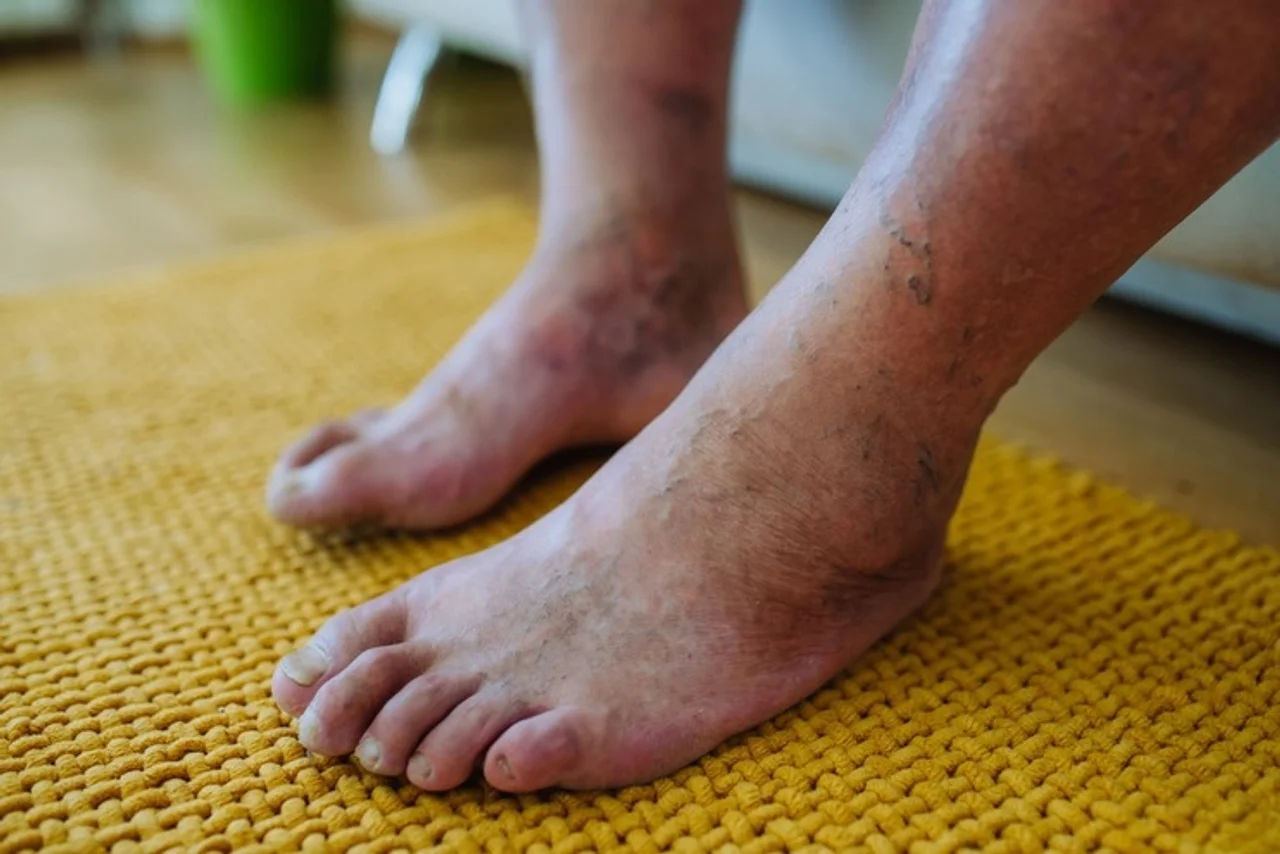
Understanding swelling helps you make sense of which remedies can (and can’t) help.
Swelling happens when:
Fluid accumulates in tissues because either the lymphatic system isn’t draining it properly,
Blood vessels leak more fluid than usual, or
Pressure inside veins increases, forcing fluid into surrounding tissues.
Common causes include:
Prolonged standing or inactivity
Heat exposure
Pregnancy
Salt retention
Inflammation from injury
Medications (e.g., calcium channel blockers, steroids)
Venous insufficiency, heart/kidney/liver disease
Lymphedema
Most herbal remedies work by modulating inflammation, blood flow, or fluid balance — not by magically “removing water.” If swelling persists, worsens, or comes with pain, redness, warmth, shortness of breath, or sudden weight gain, you should see a clinician.
The Herbal Tools That Clinicians (and Evidence) Often Trust
In traditional systems — whether Korean, Chinese, Ayurvedic, or Western herbalism — there’s a shared understanding that swelling is connected to inflammation and poor fluid dynamics. Modern research supports this for several herbs.
Below are the safest, most promising herbs for foot swelling, explained with why they might work and how to use them responsibly.
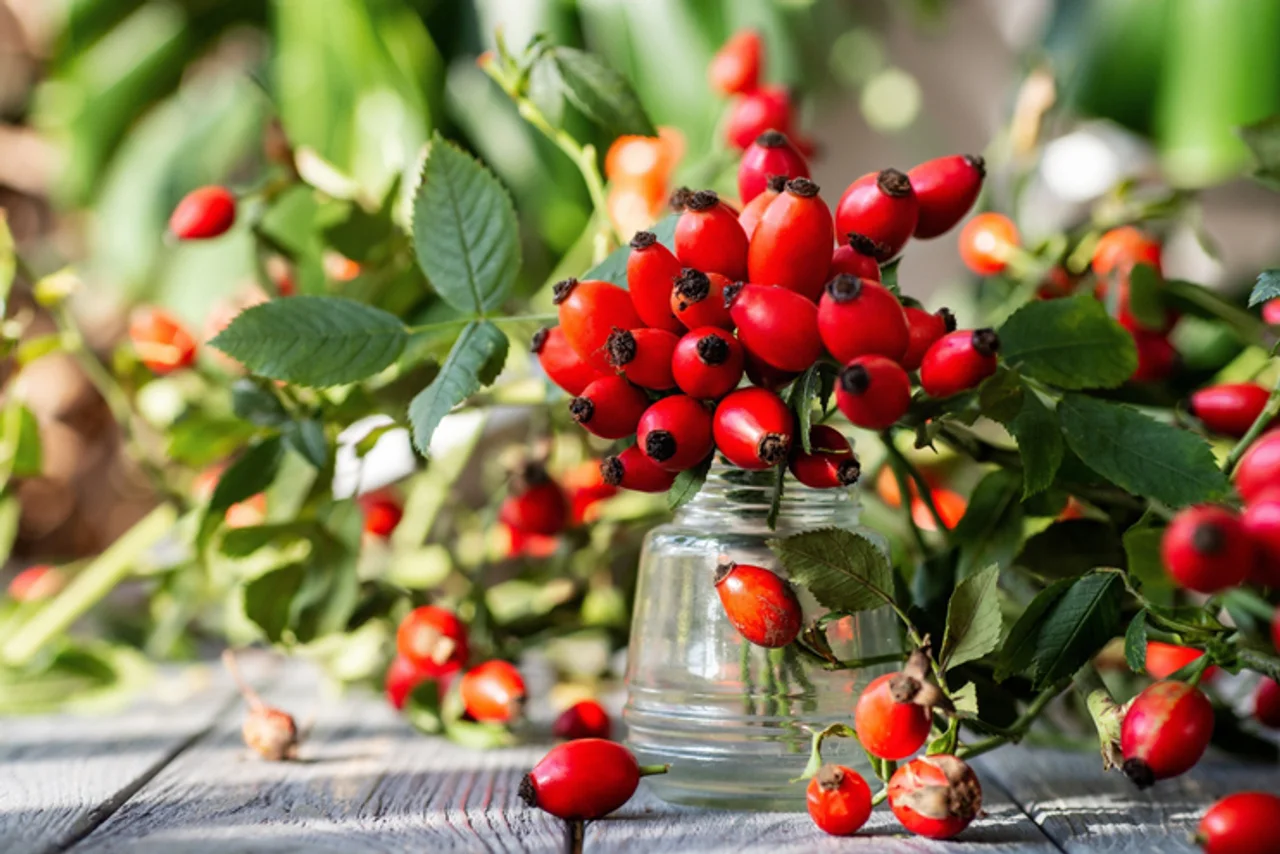
🌿 1. Hawthorn (Crataegus spp.) — Supports Circulation
How it helps:
Hawthorn is renowned in traditional European and Chinese herbology for improving circulation and strengthening small blood vessels. Better micro‑circulation means less fluid leakage into tissues.
What evidence suggests:
Some clinical trials show hawthorn extracts improve symptoms of chronic venous insufficiency, a major cause of leg and foot swelling. It can reduce heaviness, aching, and puffiness over weeks of use.
Typical use:
Standardized extract taken orally (often 160–900 mg daily, divided doses).
Topical compresses aren’t as well studied, but relaxing warm herbal baths may offer symptomatic comfort.
Precautions:
Hawthorn can interact with heart medications, especially beta‑blockers and digoxin. If you’re on cardiovascular drugs, consult a clinician before use.
🌱 2. Horse Chestnut Seed (Aesculus hippocastanum) — Venous Support
Mechanism:
Contains escin, a compound shown to improve venous tone, decrease capillary permeability, and reduce fluid leakage.
Clinical evidence:
Multiple studies report that oral horse chestnut extract significantly improves leg swelling and pain associated with chronic venous insufficiency. It’s one of the most studied herbs for edema of vascular origin.
How to use:
Standardized extract (usually 100–300 mg daily), often for several weeks.
Important safety note:
Raw seeds, bark, and leaves are toxic and should never be used. Only use standardized, properly processed supplements. People with bleeding disorders or on anticoagulants should avoid without medical supervision.
🌼 3. Ginger (Zingiber officinale) — Anti‑Inflammatory and Circulatory Aid
Why it matters:
Ginger’s anti‑inflammatory actions are well documented. It can help dampen the inflammatory cascade that contributes to swelling. It also mildly improves circulation.
How to use:
Fresh ginger tea (steep slices in hot water)
Add grated ginger to meals
Supplements standardized for gingerols
Caution:
If you take blood thinners (e.g., warfarin), high doses may increase bleeding risk. Stick to culinary amounts or consult your clinician before high‑dose use.
🌾 4. Dandelion (Taraxacum officinale) — Traditional Diuretic Herb
Traditional role:
Used in European herbal medicine as a mild diuretic to support kidney function and promote gentle fluid elimination.
Evidence:
Limited clinical research, but several small studies suggest increased urinary output with dandelion extracts, which may help mild, non‑pathological fluid retention.
How to use:
Dandelion leaf tea or standardized tinctures.
Because it increases urination, you might notice more frequent bathroom trips — a clue it’s working.
Precautions:
May interact with diuretic medications and affect potassium levels. If you have kidney disease or are on diuretics, check with your clinician first.
🍵 5. Green Tea (Camellia sinensis) — Antioxidant and Vascular Support
Role in swelling:
Rich in flavonoids like epigallocatechin gallate (EGCG), green tea supports vascular health and reduces inflammation. It’s gentler than many herbs but can contribute to overall circulatory balance.
How to add it:
2–3 cups daily or standardized EGCG supplements.
Precautions:
In sensitive individuals, caffeine can cause jitteriness or interfere with sleep. Decaffeinated versions are an option.
🌿 6. Turmeric (Curcuma longa) — Potent Anti‑Inflammatory
Why it’s used:
Curcumin, turmeric’s main component, is one of the most studied natural anti‑inflammatories. It may help swelling that stems from injury or chronic inflammatory conditions.
Use tips:
Turmeric powder or capsules with black pepper (piperine) to increase absorption. Typical clinical doses are higher than culinary amounts.
Note:
Curcumin can interact with antiplatelet medications and may cause digestive upset at high doses.
Herbal Approaches That Don’t Work for Foot Swelling
It’s worth dismissing some popular but ineffective or unsafe ideas:
❌ “Just drink water to flush swelling out” — Drinking adequate water is healthy, but excessive water doesn’t magically eliminate edema caused by vascular or lymphatic dysfunction.
❌ Herbs that cause rapid diuresis (e.g., juniper berry) — These can stress kidneys and electrolytes; not recommended without strict medical oversight.
❌ Random high‑dose supplements — Higher does not mean better—and can increase risk of side effects.
Practical, Safe Ways to Use These Herbs
Here’s how to integrate herbal strategies — thoughtfully and safely:
🌿 1. Start With the Gentlest Options
Ginger tea daily
Green tea or food‑based turmeric
These help inflammation without strong diuretic effects or major interactions.
🍵 2. Add Circulatory Botanicals If Needed
Hawthorn or horse chestnut extract (standardized) for chronic venous causes
Dandelion leaf for mild fluid balance support
Always consult if you are on medications.
🧖♀️ 3. Combine With Non‑Herbal Support

Herbs are most effective when they complement lifestyle measures:
Elevate feet periodically throughout the day
Compression stockings for venous insufficiency
Movement/ankle pumps
Reduced salt intake
Moderate exercise to improve circulation
These actions do more for swelling than herbs alone.
When Swelling Needs a Clinician, Not Just Herbs
Herbal and lifestyle measures can help mild, non‑pathological swelling, especially the kind that comes at the end of a long day or after standing.
However, you should seek medical evaluation if:
Swelling comes on suddenly
It’s only on one side
You have significant pain, warmth, or redness
You notice shortness of breath or chest pain
You have known heart, kidney, or liver disease
You’re on medications that affect fluid balance
Persistent or severe swelling can be a sign of deep vein thrombosis (DVT), heart failure, kidney dysfunction, or liver disease — conditions that require prompt diagnosis and treatment.
Herbal Plan Example (Sample Regimen — Adapted by a Clinician)
This is an illustrative example — not a prescription.
Morning
Ginger tea
If appropriate: hawthorn extract with breakfast
Afternoon
Walk and perform ankle exercises
Green tea
Evening
Turmeric‑enhanced dinner
Compress feet 15–20 min
Gentle warm foot soak (water + a pinch of dried herbs like chamomile)
This modest, integrative plan supports circulation and inflammation without overloading the system.
What People Often Miss: Herbs Are Part of a System
Herbs can help because they:
Improve vascular tone
Support anti‑inflammatory pathways
Gently balance fluid dynamics
But they don’t treat the cause of swelling alone. Without addressing venous function, circulation, muscular activity, diet, posture, and underlying medical conditions, swelling will return.
How Arine Korean Medicine Clinic Looks at Swelling
At our clinic, we never treat swelling as an isolated symptom. We assess:
Pattern of swelling (when it occurs, how it behaves)
Underlying systems (cardiovascular, lymphatic, metabolic)
Dietary and lifestyle factors
Medications and medical history
Then we combine:
✨ Personalized herbal prescriptions
✨ Acupuncture or manual therapies that support lymphatic flow
✨ Dietary planning to reduce salt and support kidney function
✨ Customized movement and posture guidance
This integrative method addresses swelling where it starts, not just where it shows up.
Final Thoughts: Herbal Remedies That Work — Wisely
More Articles
Continue reading clinical guides from Arine Korean Medicine Clinic.

Postpartum Swelling? How Korean Medicine Can Help You Heal Faster
Discover how Korean medicine reduces postpartum swelling and speeds up recovery naturally. Learn proven remedies for faster healing after childbirth.
Learn More

How Keep Sticks Help You Stick to Your Weight Loss Goals
Discover how Korean medicine reduces postpartum swelling, speeds healing, and restores balance naturally. Learn more about holistic recovery today!
Learn More

Is Acupuncture the Key to Finally Beating Persistent Pain?
Discover how acupuncture may help relieve chronic pain naturally. Explore its benefits, effectiveness, and if it's right for you. Learn more today!
Learn More