Personalized Korean Medicine & Weight Management in Gangnam, Seoul · International Patient Concierge

Medical Guide
Gongjindan Tonic Korea: Traditional Vitality Explained
Gongjindan tonic Korea has valued for centuries: learn its traditional ingredients, honest wellness framing, and Arine's doctor-led consultation process.
Schedule a ConsultationGongjindan: The Traditional Korean Vitality Tonic Explained
Medically reviewed by Dr. Chae Seung-seok, KMD, Chief Director, Arine Korean Medicine Clinic · Last updated July 2026
If you have been reading about the Gongjindan tonic Korea has valued for generations, you probably have a simple question: what is it, and what is it actually used for? Gongjindan (pronounced gong-jin-dan) is a well-known, historically documented tonic pill from the Korean medicine tradition. This guide explains where it comes from, how it is traditionally described, and — just as importantly — what an honest, doctor-led clinic like Arine Korean Medicine Clinic will and will not promise you before dispensing it.
Throughout this article, you will notice careful wording. Gongjindan is a traditional wellness preparation, not a drug approved to treat a disease. Keeping that distinction clear is the responsible way to talk about it.
What Is Gongjindan?
Gongjindan is a traditional Korean herbal tonic — a compact, concentrated pill that has been prepared in Korean medicine for a very long time. It is often described as a "vitality" or "energy" tonic and has a reputation as a premium, historically prestigious preparation.
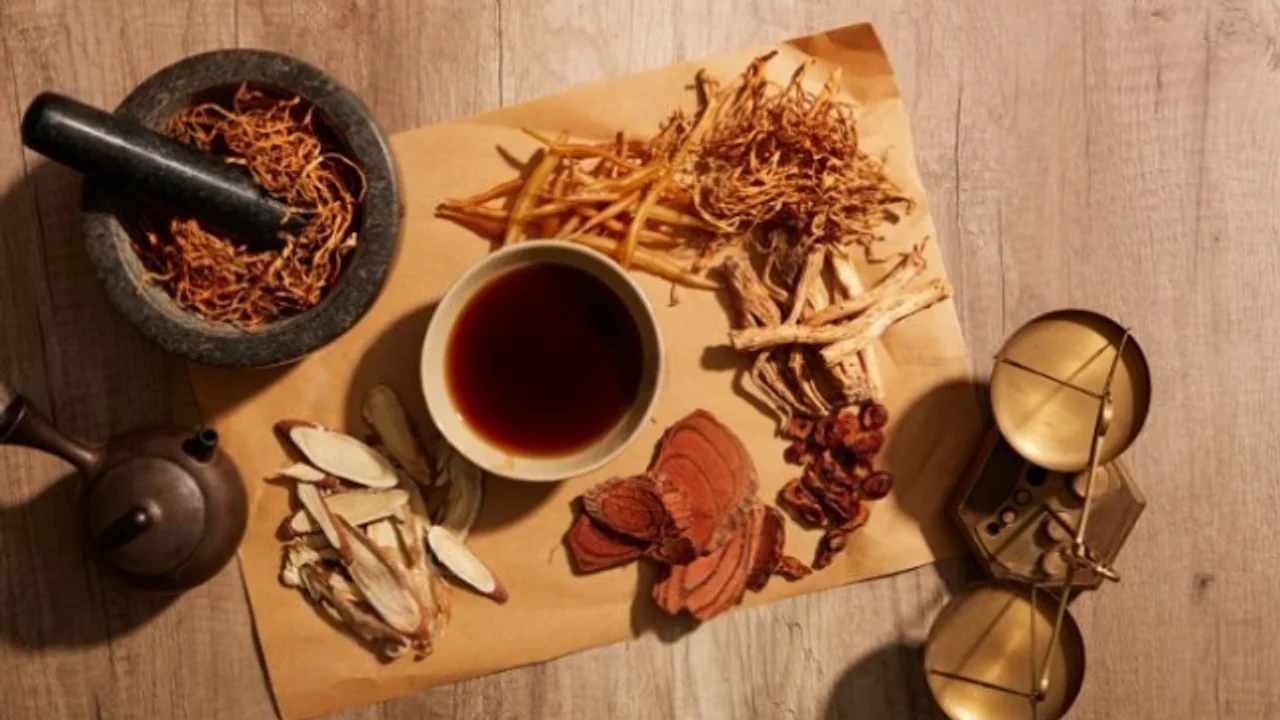
In classical use, Gongjindan is compounded from a small number of high-grade ingredients rather than a long list of herbs. Historically documented formulations describe:
- Musk (traditionally from musk deer, though modern formulations sometimes substitute or omit musk in line with current regulations)
- Deer antler
- Ginseng
- Other tonic herbs
It is important to read that ingredient list correctly. This is widely published traditional formulation information — it describes the classical recipe as it appears across Korean medicine literature, not a specific proprietary recipe. The exact sourcing and dosage form used for any individual patient are determined by the prescribing doctor during consultation.
What Is Gongjindan Traditionally Used For?
Within the Korean medicine tradition, Gongjindan is associated with supporting overall energy, mental clarity, and general vitality. People have historically taken it as a seasonal or occasional wellness measure — a considered purchase during a tiring stretch of life, rather than an everyday medicine.
This is where honest framing matters most. Traditional use is not the same thing as proven medical benefit. The value patients place on Gongjindan comes from long-standing tradition and personal experience, not from claims that it treats, cures, or prevents any specific illness. At Arine, Gongjindan sits within the clinic's General Tonic category alongside Gyeongokgo, deer antler tonic, and seasonal winter and summer tonics — all of which are offered as traditional wellness support, never as disease treatments.
So if you read that Gongjindan "cures fatigue" or "boosts immunity," treat that as a red flag. Responsible practitioners describe it in terms of traditional vitality support and let you make an informed decision.
Why a Doctor-Led Consultation Comes First
One of the clearest differences between buying a generic "Korean supplement" online and receiving Gongjindan through a Korean medicine clinic is the assessment that comes first. Arine Korean Medicine Clinic is led by Dr. Chae Seung-seok, a licensed Korean Medicine Doctor (KMD) and the clinic's Chief Director, who graduated from the College of Korean Medicine at Kyung Hee University and has more than ten years of clinical experience.
In Korean medicine, a tonic is not considered universally suitable. Practitioners work from the idea that each person has a distinct constitution and pattern, and that a concentrated preparation should be matched to the individual rather than taken by default. That is why a consultation — not a shopping cart — is the starting point at a clinic. You can learn more about the clinic's approach and background at Arine Korean Medicine Clinic.
What to Expect: The Gongjindan Consultation at Arine
The clinic follows a consistent, documented process before any tonic is prescribed. For Gongjindan, that process includes:
- A one-on-one consultation with Dr. Chae Seung-seok to discuss your symptoms, overall health, and wellness goals, and to consider whether Gongjindan is appropriate for you.
- An initial online enquiry form, where you submit your medical history, current health concerns, symptoms, and treatment goals before your appointment.
- A comprehensive assessment of your medical history, lifestyle, sleep patterns, stress levels, diet, current medications, and overall health, based on Korean medicine principles.
- A personalized Korean medicine evaluation, including constitutional assessment and pattern identification, to understand the underlying causes of concerns such as fatigue or low vitality.
- An individualized decision on whether Gongjindan is suitable, and whether it should be prescribed on its own or as part of a broader plan that may include herbal medicine, acupuncture, or lifestyle recommendations.
- A detailed explanation of your plan, including the recommended dosage and duration, expected benefits, precautions, follow-up recommendations, and overall treatment costs — all discussed before treatment begins.
Because Gongjindan is an oral, take-home preparation rather than an in-clinic procedure, there is no anesthesia, no recovery period, and no minimum length of stay built into the treatment itself. If you would like to begin remotely, the clinic offers free online consultations by Zoom or WhatsApp video, conducted in English for international patients.
Is Gongjindan Safe? An Honest Look
"Natural" does not automatically mean "risk-free." This is a principle emphasized by the U.S. National Center for Complementary and Integrative Health (NCCIH), and it applies squarely to concentrated herbal tonics.
A few points worth understanding:
- Herbs can interact with medications. Some botanical ingredients can change how prescription or over-the-counter medicines work. This is exactly why the clinic reviews your current medications during the consultation, and why NCCIH advises telling your health care providers about every supplement you take.
- Dosing and guidance matter. As a concentrated preparation, appropriate dosing under a practitioner's direction is part of using Gongjindan responsibly.
- Ginseng, one of the classical ingredients, has its own cautions. NCCIH notes that Asian ginseng is generally used short-term and can cause side effects such as trouble sleeping, and may interact with certain medications.
The clinic's general safety practice for tonic prescribing includes patient screening and a review of your health history before anything is dispensed. Sharing a complete, accurate picture of your health is the single most useful thing you can do to keep the process safe.
Who Should Be Cautious With Gongjindan?
Gongjindan is generally considered for adults seeking traditional vitality and energy support who do not have a specific reason to avoid it. That said, some people should speak with the prescribing doctor before taking any concentrated tonic:
- People who are pregnant or breastfeeding
- People with certain chronic health conditions
- Anyone taking prescription medications, who should confirm there are no interactions
The most important habit is disclosure: tell the doctor about all current medications and health conditions before starting. A clinic's job is to weigh these factors with you, and to decline or adjust a prescription when a tonic is not the right fit.
Quality Standards and Credentials
Part of what distinguishes receiving Gongjindan through a licensed clinic is the standards behind the preparation. Arine is a registered Korean medicine clinic in Seoul. Its herbal preparations are described as using ingredients certified by Korea's Ministry of Food and Drug Safety (MFDS), and the clinic references HGMP (Hanbang Good Manufacturing Practice) certification for the quality control of its herbal materials.
The clinic is also a Registered Medical Institution for Attracting Foreign Patients, certified by Korea's Ministry of Health and Welfare — a formal registration that reflects the clinic's role in serving international patients.
On the practitioner side, Dr. Chae Seung-seok is a licensed Korean Medicine Doctor (KMD) and the clinic's Chief Director. It is worth being precise here: "KMD" refers to Korea's national licensure for Korean medicine practitioners; the clinic does not claim a U.S.-style board certification, and neither should this article. What is confirmed is a genuine, verifiable national license, a Kyung Hee University education, and more than ten years of clinical experience.
Arine operates two branches in Seoul, in Gangnam and Jongno. The Gangnam branch sits roughly 300 meters from Exit 4 of Apgujeong Station on Seoul Subway Line 3, which makes it straightforward to reach for visitors.
Planning as an International Patient
Because Gongjindan is a take-home preparation, the logistics are simpler than for many treatments. A few points that international patients often ask about:
- You can begin online. The clinic offers free consultations by Zoom or WhatsApp video, conducted in English, so you do not need to travel to start the conversation.
- Language support is available. The clinic provides English and Japanese support for international patients, in addition to Korean.
- No minimum stay is built into the tonic itself. If you do choose to visit in person, an initial consultation can often be handled in a single visit.
- Ongoing contact is part of the process. The clinic coordinates appointments and follow-up through channels such as WhatsApp and email.
- Plan travel realistically if visiting. For reference, the flight from Seoul (Incheon) to major U.S. gateway cities is roughly 11 to 15 hours nonstop.
Whatever the format, the tonic is only dispensed after the doctor has reviewed your health and confirmed suitability.
How to Arrange a Consultation
If you would like to explore whether Gongjindan is appropriate for you, the next step is a consultation rather than a purchase. You can start with the clinic's online consultation and contact page, which is also where international patients arrange English-language Zoom or WhatsApp video calls. The consultation is where the doctor reviews your health, explains realistic expectations, and confirms suitability, dosage, and duration before anything is prescribed.
The Bottom Line
More Articles
Continue reading clinical guides from Arine Korean Medicine Clinic.

Postpartum Swelling? How Korean Medicine Can Help You Heal Faster
Discover how Korean medicine reduces postpartum swelling and speeds up recovery naturally. Learn proven remedies for faster healing after childbirth.
Learn More

How Keep Sticks Help You Stick to Your Weight Loss Goals
Discover how Korean medicine reduces postpartum swelling, speeds healing, and restores balance naturally. Learn more about holistic recovery today!
Learn More
Is Acupuncture the Key to Finally Beating Persistent Pain?
Discover how acupuncture may help relieve chronic pain naturally. Explore its benefits, effectiveness, and if it's right for you. Learn more today!
Learn More