Personalized Korean Medicine & Weight Management in Gangnam, Seoul · International Patient Concierge
Medical Guide
Foods That Make Swelling Worse: What to Avoid for Better Results
Avoid common foods that worsen swelling, like sugar, refined carbs, and salty snacks. Discover what to cut for better results and reduced inflammation!
Schedule a ConsultationIntroduction
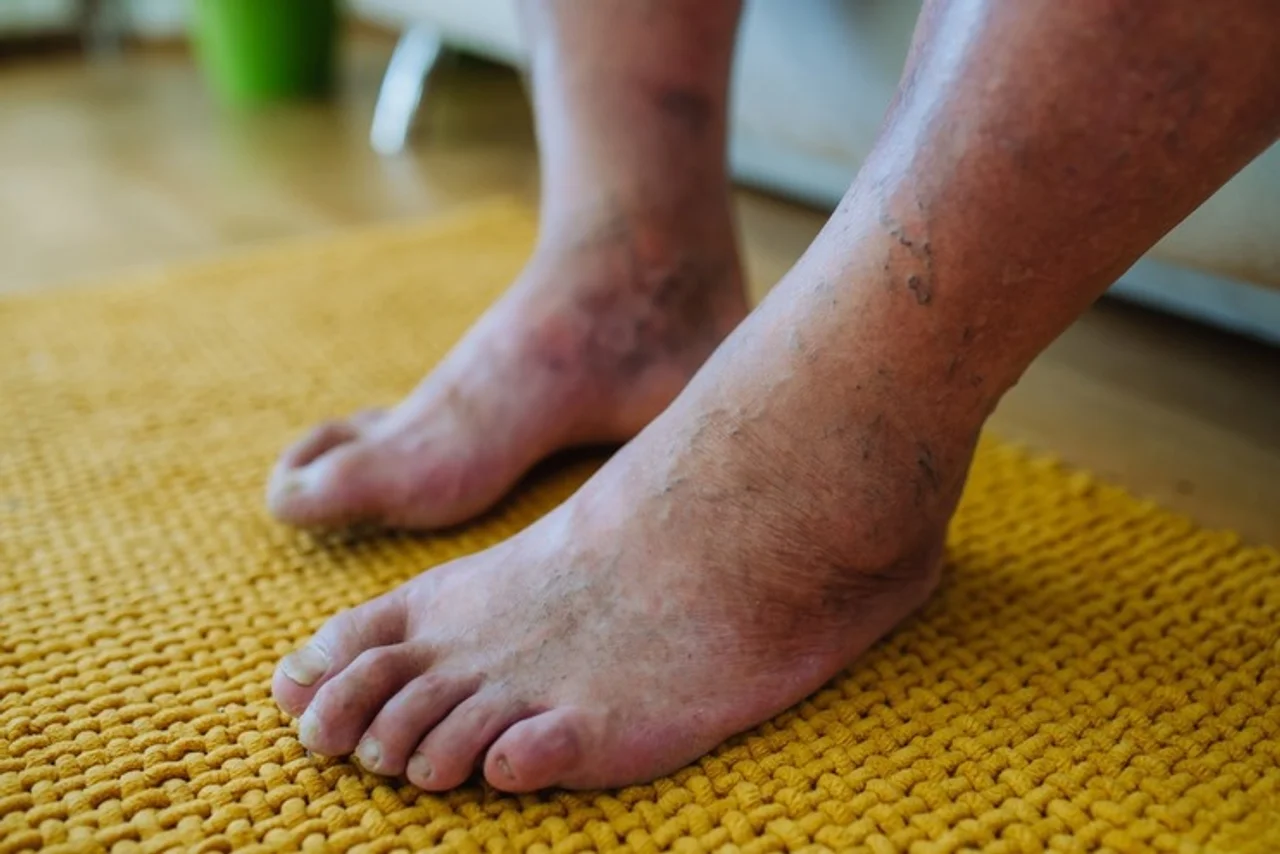
Swelling is something most of us experience at some point in life. It may appear after a long day on your feet, during postpartum recovery, or as part of a chronic condition like arthritis. Sometimes, it’s temporary and harmless. Other times, it can be a frustrating barrier to healing and comfort.
At Arine Korean Medicine Clinic in Gangnam, we see patients every day who are surprised by how stubborn swelling can be. They often say: “I thought it would go down in a few days, but it hasn’t.” The truth is, swelling is deeply connected to what you eat. Just as the right foods can support recovery, the wrong foods can quietly fuel inflammation and delay healing.
This article explores which foods make swelling worse, why they matter, and how you can take simple steps to support your body’s natural recovery process.
Why Some Foods Worsen Swelling
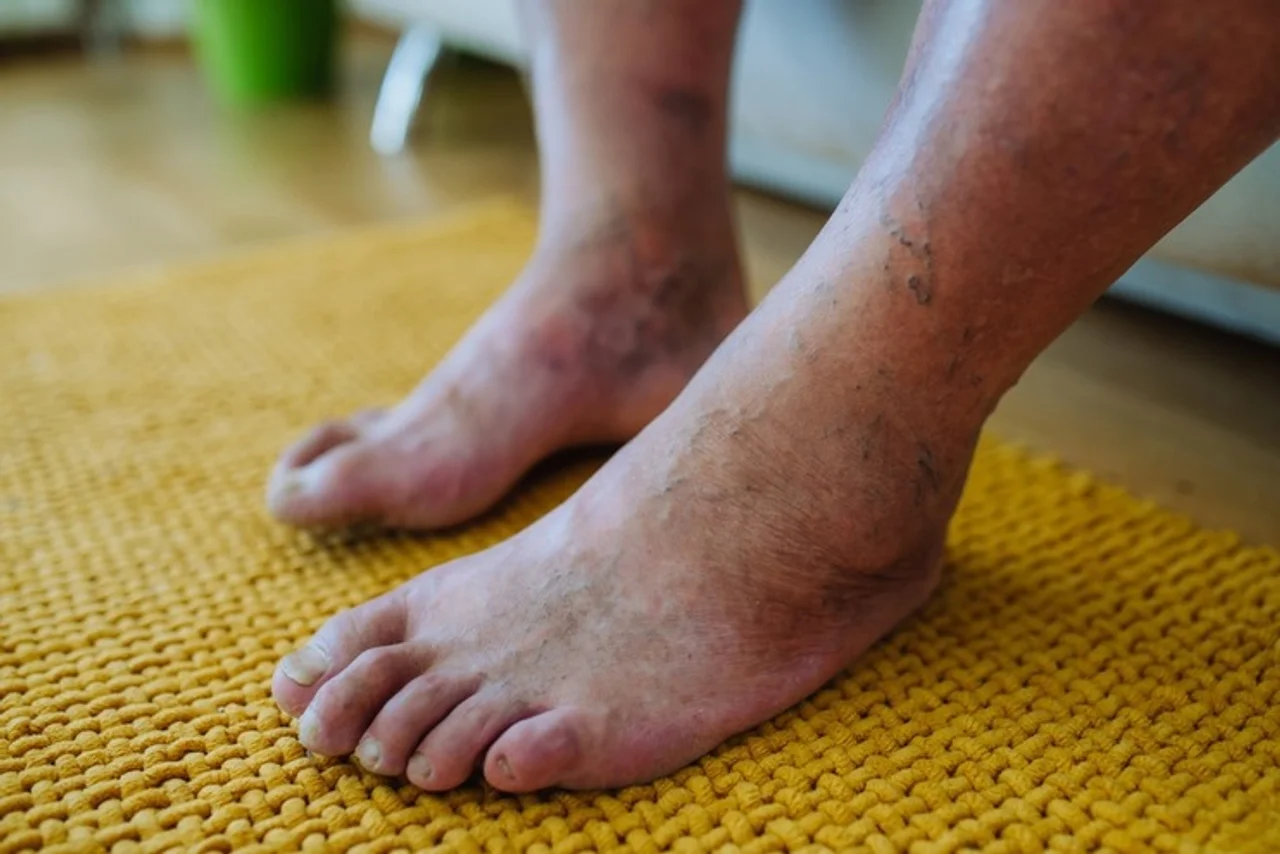
To understand how diet affects swelling, we need to look at what swelling actually represents. Swelling, or edema, is essentially fluid buildup in the body’s tissues. In Korean medicine, we often describe this as an accumulation of “dampness” (습) — excess fluids that the body cannot process or eliminate efficiently.
From a biomedical perspective, swelling often happens because:
Inflammation: The immune system releases chemicals that increase blood flow and fluid to the affected area.
Poor circulation: Blood and lymphatic flow are sluggish, leading to fluid pooling.
Kidney or hormonal imbalances: The body holds onto sodium and water.
Now, here’s where food enters the picture. Certain foods can:
Trigger inflammatory pathways (like sugary or processed foods).
Increase sodium retention, worsening puffiness.
Interfere with the body’s ability to drain fluids.
Think of swelling like a sponge already soaked with water. Eating the wrong foods is like pouring more water onto that sponge — it only becomes heavier, slower to dry, and more uncomfortable.
Common Foods That Can Aggravate Swelling
1. Processed and Fried Foods
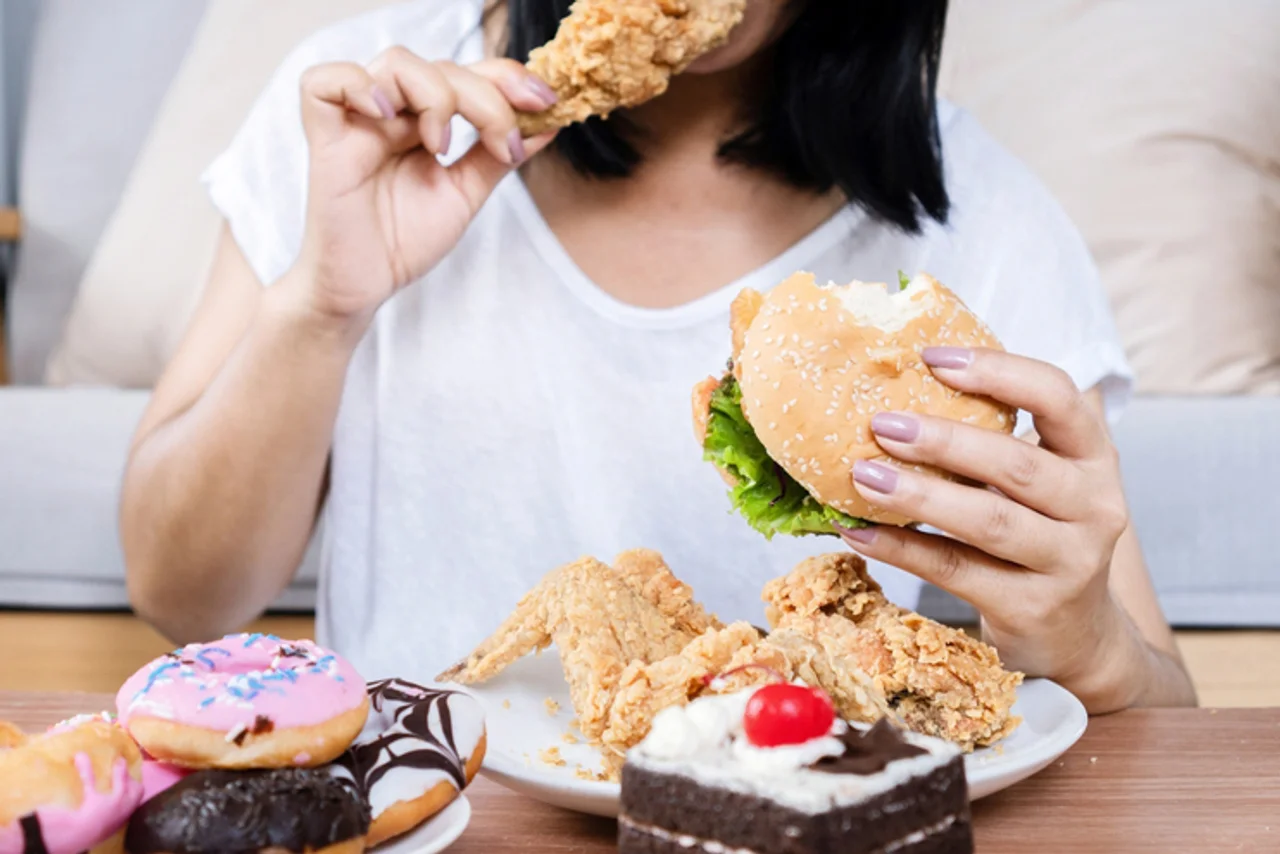
Foods like fried chicken, French fries, packaged snacks, and margarine are high in trans fats and refined oils. These fats alter the balance of healthy fatty acids in the body, leading to a chronic, low-grade inflammatory response.
Clinically, patients who consume these foods frequently often present with:
Lingering swelling around the knees and ankles.
Delayed post-surgical healing.
General fatigue, because the body spends energy fighting off the inflammatory burden of these foods.
In Korean medicine, greasy and oily foods also contribute to “internal dampness,” which exacerbates puffiness in the face and limbs.
Better alternatives: Steam or grill your food instead of frying. Choose oils rich in omega-3 fatty acids, such as perilla oil or flaxseed oil, which help reduce inflammation.
2. Excessive Salt and Sodium-Rich Foods
Salt is a double-edged sword. The body needs some sodium for nerve and muscle function, but too much salt traps water in tissues. That’s why people often wake up with puffy eyes or swollen fingers after a salty dinner.
High-sodium culprits include:
Instant noodles
Processed meats (ham, sausages, bacon)
Canned soups
Soy sauce and seasoning mixes
At Arine Clinic, postpartum mothers frequently report persistent swelling in the legs and abdomen. When we review their diet, salty broths, kimchi, or convenience foods often appear in their daily meals. Once they reduce sodium intake, the change is dramatic — swelling subsides, urination improves, and energy levels rise.
Better alternatives: Use herbs, garlic, ginger, and vinegar for seasoning. Drink enough water, since dehydration paradoxically worsens fluid retention.
3. Refined Carbohydrates and Sugary Foods
White bread, pastries, sweetened beverages, and desserts quickly raise blood sugar. High blood sugar triggers the release of insulin, which not only stores fat but also activates inflammatory pathways.
In practical terms, patients who eat sugary foods daily may notice:
Abdominal bloating and swelling after meals.
Increased joint stiffness.
Slow recovery from injuries or procedures.
From a Korean medicine view, excess sugar creates “heat and dampness,” leading to sluggish digestion and water stagnation. This is why sweets often leave people feeling both bloated and fatigued.
Better alternatives: Choose complex carbohydrates like brown rice, barley, and sweet potatoes. In Korean traditional diets, these grains were used not just for energy but for their balancing effect on digestion.
4. Red and Processed Meats
Not all meats are problematic, but processed meats such as bacon, ham, sausages, and deli slices are loaded with preservatives, nitrates, and saturated fats. These compounds intensify inflammation and put stress on the circulatory system.
Patients recovering from liposuction, cosmetic surgery, or postpartum childbirth often notice slower resolution of swelling when these foods are part of their diet.
Better alternatives: Lean proteins like chicken breast, tofu, beans, or fish support tissue repair without aggravating swelling. In Korean medicine, white fish soups are often recommended for their lightness and ability to strengthen digestion.
5. Alcohol
Alcohol plays a unique role in swelling because it affects blood vessels. It causes vasodilation (widening of vessels), which can worsen fluid leakage into tissues. It also dehydrates the body, paradoxically leading to fluid retention later.
In postpartum women, even small amounts of alcohol can:
Delay uterine recovery.
Increase swelling in the legs and abdomen.
Interfere with milk supply and energy restoration.
For patients recovering from cosmetic treatments, alcohol often worsens bruising and prolongs visible puffiness.
Better alternatives: Herbal teas such as barley tea or corn silk tea, both commonly used in Korean tradition, gently promote urination and reduce swelling without stressing the body.
What Happens When You Avoid These Foods

The good news is that swelling responds quickly when dietary triggers are removed. Within a week, patients often report:
Visible improvements: Rings fit more easily, shoes feel less tight, and facial puffiness diminishes.
Better comfort: Less heaviness in the legs, especially in the evenings.
Enhanced recovery: Surgical sites or postpartum swelling resolve more quickly.
One postpartum patient at our clinic shared, “When I cut down on instant noodles and salty snacks, my legs felt lighter almost immediately. The swelling that used to bother me all day went away within two weeks.”
When combined with Korean medicine treatments — such as herbal prescriptions that target fluid metabolism, acupuncture to stimulate circulation, and gentle body therapies — the effects are even stronger.
Korean Medicine Perspective on Swelling and Diet
In Western medicine, swelling is often seen as a local issue. But in Korean medicine, swelling is linked to deeper systemic imbalances. We commonly identify three root patterns:
Dampness and fluid retention: The body cannot eliminate excess water efficiently, leading to puffiness.
Qi (energy) deficiency: Poor circulation and weak digestion cause water stagnation.
Heat and inflammation: Excess sugar, alcohol, or fried foods generate internal heat, worsening swelling.
That’s why Korean medicine treatments are personalized. At Arine Clinic, for example:
A patient with postpartum swelling may receive herbal teas that strengthen digestion and circulation while gently reducing water retention.
A patient with facial swelling after cosmetic procedures may benefit from lipolytic needle therapy and a low-sodium diet.
A patient with chronic joint pain and swelling may receive acupuncture combined with herbal anti-inflammatory formulas.
By addressing both the symptom (visible swelling) and the root cause (internal imbalance), patients not only recover faster but also experience long-term improvements in health.
Practical Next Steps
If swelling has been bothering you — whether it’s postpartum recovery, after surgery, or just in daily life — the first step is simple: check your diet. Ask yourself:
Am I eating too much salty or processed food?
Do I often rely on sugary snacks or drinks?
How frequently do I drink alcohol or eat fried foods?
Even small changes, like swapping instant noodles for a light fish soup or replacing soda with barley tea, can make a noticeable difference.
But for many people, diet alone isn’t enough. If swelling lingers or keeps returning, it often signals an internal imbalance that needs more personalized care. That’s where Korean medicine can be especially effective.
✨ At Arine Korean Medicine Clinic in Gangnam, we specialize in helping patients recover from swelling with holistic, tailored care. Whether through herbal diet therapy, acupuncture, or postpartum support, our treatments are designed to reduce swelling naturally and restore balance to the body.
If you’ve been struggling with stubborn swelling and want lasting results, consider scheduling a consultation with us. Together, we can help your body heal faster, recover more comfortably, and achieve long-term wellness.
More Articles
Continue reading clinical guides from Arine Korean Medicine Clinic.

Postpartum Swelling? How Korean Medicine Can Help You Heal Faster
Discover how Korean medicine reduces postpartum swelling and speeds up recovery naturally. Learn proven remedies for faster healing after childbirth.
Learn More
How Keep Sticks Help You Stick to Your Weight Loss Goals
Discover how Korean medicine reduces postpartum swelling, speeds healing, and restores balance naturally. Learn more about holistic recovery today!
Learn More

Is Acupuncture the Key to Finally Beating Persistent Pain?
Discover how acupuncture may help relieve chronic pain naturally. Explore its benefits, effectiveness, and if it's right for you. Learn more today!
Learn More