Personalized Korean Medicine & Weight Management in Gangnam, Seoul · International Patient Concierge
Medical Guide
Edema After Surgery? How Korean Medicine Helps with Fast Recovery
Experiencing edema after surgery? Discover how Korean medicine aids fast recovery, reduces swelling, and restores balance naturally. Explore your options today!
Schedule a ConsultationIntroduction
If you’ve ever gone through surgery — whether cosmetic, orthopedic, or even minor — you probably remember the swelling that followed. That heavy, puffy feeling that lingers around the incision site or sometimes spreads to surrounding tissues isn’t just uncomfortable; it can delay healing and leave patients feeling frustrated.
At Arine Korean Medicine Clinic in Gangnam, we often meet patients who say, “The pain isn’t as bad as the swelling.” To be honest, that’s not surprising. Post-surgical edema (fluid retention and swelling) is one of the body’s most common responses to trauma. What many people don’t realize is that managing this swelling properly isn’t just about comfort — it’s about ensuring faster, safer recovery and achieving the best possible surgical results.
This is where Korean medicine offers something unique: a holistic, natural approach that doesn’t just reduce swelling but also supports the body’s innate healing process. By combining herbal therapy, acupuncture, and circulation-based treatments, we help patients move through recovery with less discomfort and greater confidence.
Why Does Edema Happen After Surgery?
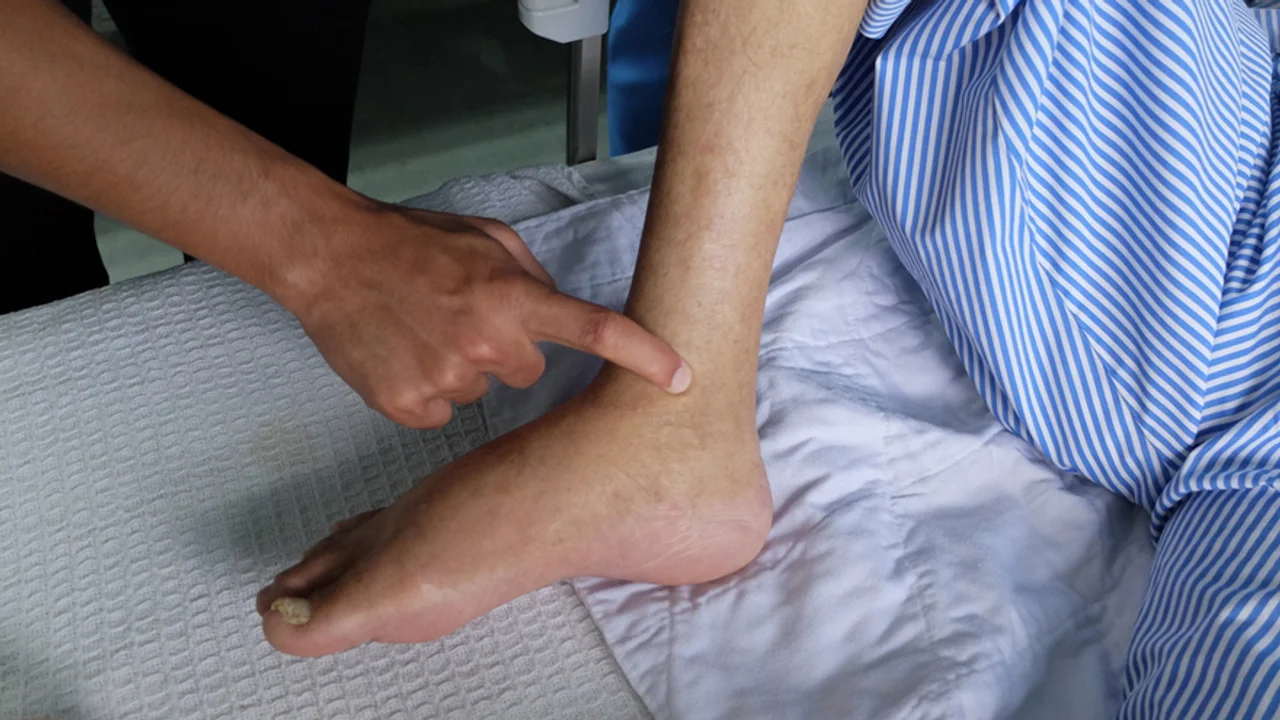
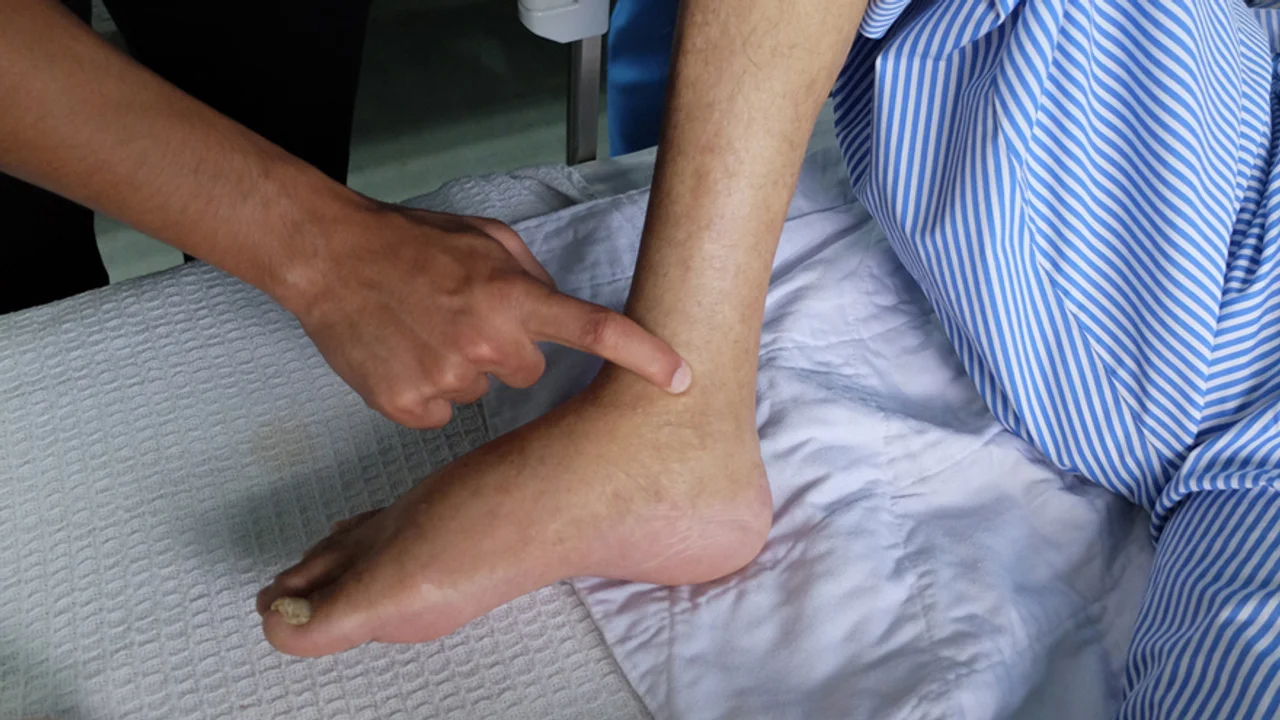
Think of surgery as a form of controlled injury. Even when performed with the most advanced techniques, surgery disrupts tissue layers, blood vessels, and sometimes lymphatic channels. The body responds instantly: blood rushes to the site to deliver immune cells, platelets, and nutrients to protect and repair. Along with this process, fluid leaks into the surrounding tissues. That is what we see and feel as swelling.
Normally, the lymphatic system — the body’s drainage network — clears away excess fluid. But after surgery, this process slows down. Reasons include:
Inflammation: Tissue irritation triggers increased permeability of blood vessels, allowing more fluid to escape.
Limited mobility: Patients often rest after surgery, which reduces muscle-driven lymphatic pumping.
Scar tissue formation: Adhesions or surgical manipulation can compress local drainage channels.
Medication side effects: Certain anesthetics or post-operative medications may contribute to fluid retention.
As a result, swelling can linger far longer than patients expect. For cosmetic surgery, this may interfere with visible results; for orthopedic or abdominal surgery, it may limit mobility and prolong pain.
Edema isn’t just cosmetic. Left unaddressed, it can:
Delay wound healing by reducing oxygen and nutrient supply to tissues
Increase stiffness, heaviness, or restricted movement
Contribute to pain due to fluid pressure
Prolong the overall recovery timeline, keeping patients from returning to daily life
This is why proactive, targeted management of edema is a key part of recovery.
How Korean Medicine Approaches Post-Surgical Edema
In Western hospitals, the typical advice includes elevation, cold compresses, compression garments, and sometimes medications. These methods are important and effective, but Korean medicine takes recovery further by addressing the body’s circulation, balance, and self-healing abilities.
At Arine Korean Medicine Clinic, we apply treatments that are both traditional and evidence-informed, such as:
1. Herbal Medicine for Fluid Balance
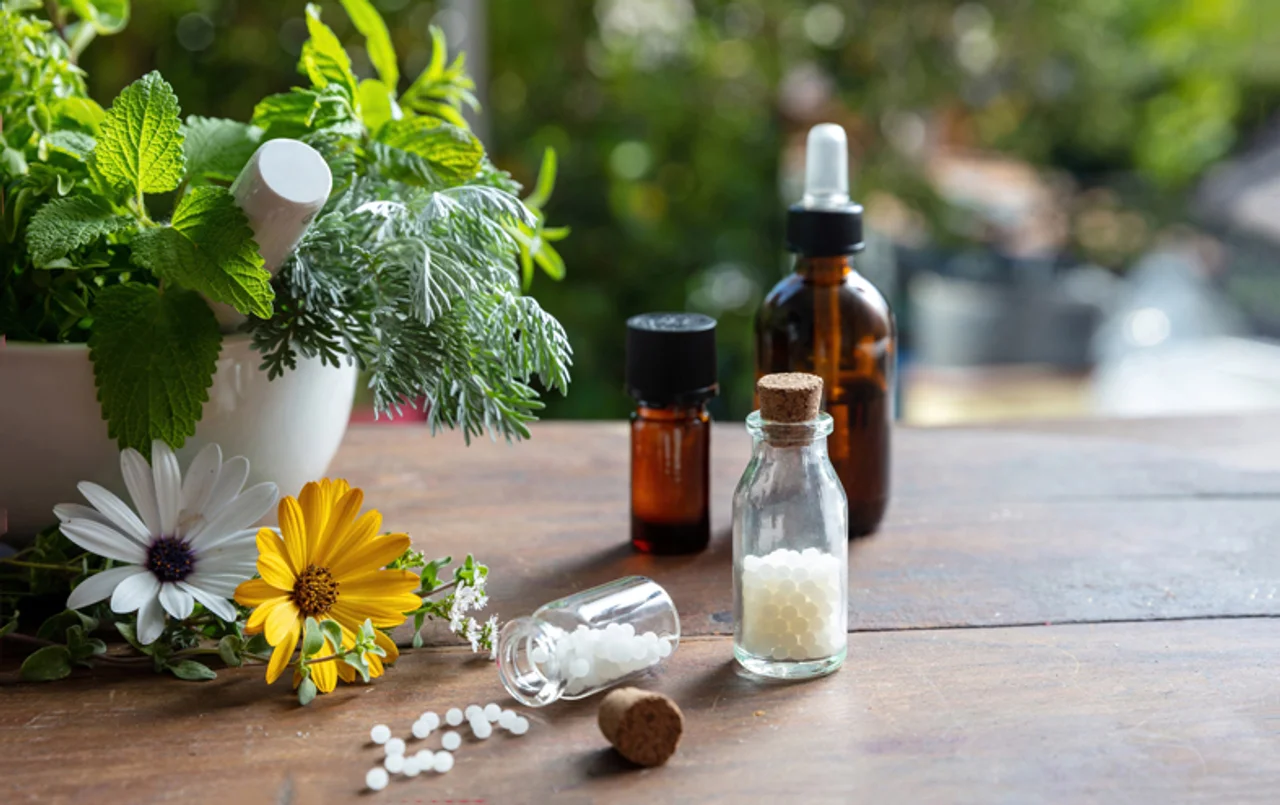
Korean herbal medicine offers centuries of formulas designed to regulate water metabolism. Herbs like Alisma (泽泻, 택사) or Poria (茯苓, 복령) help the body manage excess fluids, while Astragalus (黄芪, 황기) and Angelica (当归, 당귀) improve circulation and tissue repair.
Unlike pharmaceutical diuretics, which rapidly expel water and can sometimes deplete electrolytes, herbal medicine works more gently — encouraging the body to reset its natural rhythm of circulation and drainage. In addition to reducing swelling, these formulas often support energy, digestion, and immune resilience, which are all crucial after surgery.
2. Acupuncture and Microneedle Therapy
Acupuncture stimulates circulation by activating microvascular networks around swollen areas. Local needling encourages lymphatic drainage, while systemic points (such as those along the spleen, kidney, and liver meridians) restore balance to fluid metabolism.
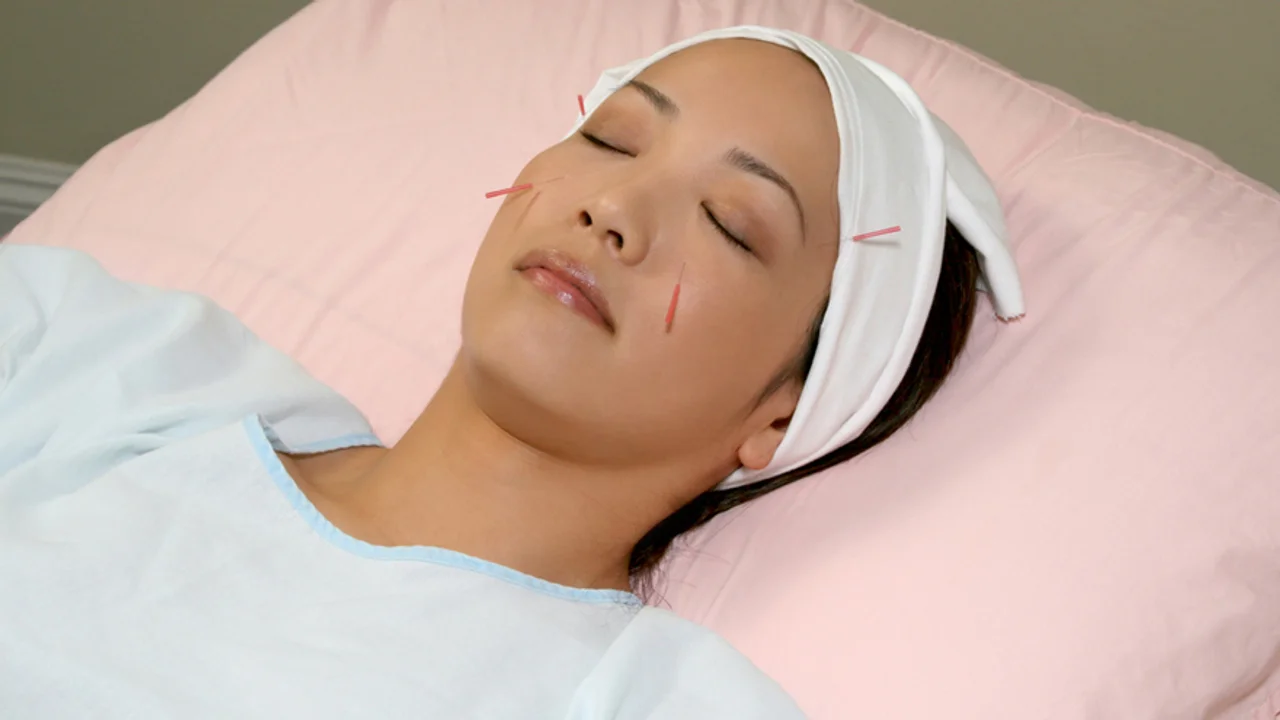
Microneedle or shallow-needle techniques can also help break up fluid stagnation in delicate areas like the face. Many patients report visible changes in puffiness after just a few treatments, which provides both physical relief and emotional reassurance.
3\. Cupping and Moxibustion for Circulation
Cupping creates negative pressure that draws stagnant fluids and toxins toward the skin’s surface, helping clear blockages and support lymphatic flow. Moxibustion, using the warmth of mugwort, improves local microcirculation, eases inflammation, and prevents cold-induced stagnation (a common issue for patients who experience swelling that worsens at night or in cool environments).
4. Specialized Therapies for Cosmetic Surgeries
In Gangnam — a hub for cosmetic procedures — many patients seek support after double eyelid surgery, rhinoplasty, or liposuction. Korean medicine offers localized, non-invasive therapies that encourage quicker reduction of swelling without interfering with surgical stitches, implants, or healing incisions. This gentle approach helps patients see their final surgical results sooner and with fewer complications.
What People Often Overlook: The Emotional Side of Recovery

Swelling isn’t just a physical issue — it carries a strong emotional impact. Patients recovering from cosmetic surgery may feel anxious when results are hidden by puffiness. Those healing from orthopedic or abdominal surgeries may worry when swelling lingers longer than expected. Some even question whether their surgery was successful.
At Arine Korean Medicine Clinic, we’ve learned that reassurance is just as important as treatment. By explaining the natural stages of post-surgical healing, we help patients understand that edema is not a setback but part of the body’s repair process. This reduces anxiety, improves compliance with treatment, and allows patients to trust their body’s recovery journey.
Real Recovery Stories
Post-liposuction swelling
A young woman visited us three weeks after abdominal liposuction. Despite following her surgeon’s instructions, she felt her abdomen looked more swollen than before surgery. We prescribed a tailored herbal formula to improve fluid drainage, combined with local acupuncture around the abdominal region. Within 10 days, her swelling decreased dramatically, her skin felt softer, and she regained mobility without the same tight discomfort.
Orthopedic surgery rehab
A middle-aged man recovering from knee surgery came to us with persistent stiffness and swelling that made walking difficult. Standard physiotherapy had helped somewhat, but progress felt slow. We added integrative sessions with acupuncture to restore circulation around the knee joint and moxibustion to reduce inflammation. Over the next month, his knee circumference decreased measurably, and he reported being able to walk longer distances without pain.
These stories highlight a common truth: when edema is managed actively and holistically, recovery feels smoother, faster, and more sustainable.
Choosing the Right Care After Surgery
If you’re recovering from surgery, managing edema should be part of your recovery plan from the beginning. Western medicine provides structural care — wound closure, pain management, physiotherapy. Korean medicine complements this by enhancing circulation, reducing stagnation, and strengthening overall resilience.
At Arine Korean Medicine Clinic, we don’t treat swelling as an isolated symptom. We consider your overall constitution:
Digestive health, because nutrient absorption affects tissue repair.
Circulatory balance, because efficient blood and lymph flow speeds healing.
Stress and sleep patterns, because recovery is slower when the nervous system is overworked.
This holistic approach ensures that treatment isn’t just about reducing fluid but about guiding the body back into balance — a state where healing becomes natural and sustainable.
A Gentle Invitation
If you’ve recently had surgery and are struggling with swelling or discomfort, know that you’re not alone — and that safe, natural options exist. Korean medicine has centuries of experience in helping the body recover from trauma, and today, we integrate that wisdom with modern knowledge.
Whether it’s cosmetic recovery, postpartum healing, or pain management after an operation, our team at Arine Korean Medicine Clinic is here to guide you. Sometimes the smallest shifts — a herbal formula tailored for your body type, or a few carefully placed needles — can make the biggest difference in how your body feels.
👉 If your recovery feels slower than expected, consider booking a consultation at Arine Korean Medicine Clinic in Gangnam. Together, we’ll help your body release swelling, restore balance, and return to feeling like yourself again.
More Articles
Continue reading clinical guides from Arine Korean Medicine Clinic.

Postpartum Swelling? How Korean Medicine Can Help You Heal Faster
Discover how Korean medicine reduces postpartum swelling and speeds up recovery naturally. Learn proven remedies for faster healing after childbirth.
Learn More

How Keep Sticks Help You Stick to Your Weight Loss Goals
Discover how Korean medicine reduces postpartum swelling, speeds healing, and restores balance naturally. Learn more about holistic recovery today!
Learn More
Is Acupuncture the Key to Finally Beating Persistent Pain?
Discover how acupuncture may help relieve chronic pain naturally. Explore its benefits, effectiveness, and if it's right for you. Learn more today!
Learn More