Personalized Korean Medicine & Weight Management in Gangnam, Seoul · International Patient Concierge
Medical Guide
Dr Chae Seung-seok: Korean Medicine Doctor at Arine
Dr Chae Seung-seok Arine: meet the licensed Korean Medicine Doctor and Chief Director, his Kyung Hee education, 10+ years of experience, and focus areas.
Schedule a ConsultationMeet Dr. Chae Seung-seok: Licensed Korean Medicine Doctor and Chief Director of Arine
Medically reviewed by Dr. Chae Seung-seok, KMD, Chief Director, Arine Korean Medicine Clinic · Last updated July 2026
If you are researching who would actually be caring for you at a Korean medicine clinic in Seoul, this profile of Dr Chae Seung-seok Arine gives you the verified facts in one place. Dr. Chae is a licensed Korean Medicine Doctor and the Chief Director of Arine Korean Medicine Clinic in the Gangnam district of Seoul. This article walks through his education, licensure, more than a decade of clinical experience, prior clinical roles, professional memberships, and the specific areas of care he focuses on. It also states clearly what is not publicly documented, so you can make an informed, unpressured decision about whether his practice fits your needs.
Choosing a practitioner in another country deserves care. The goal here is to be transparent, grounded only in what the clinic actually publishes, and honest about the boundaries of a Korean medicine credential compared with a US physician license.
Who is Dr. Chae Seung-seok?
Dr. Chae Seung-seok is a licensed Korean Medicine Doctor (KMD), also known in Korea as a Hanui-sa, and he serves as the Chief Director and Representative Doctor of Arine Korean Medicine Clinic. In other words, he is both a treating clinician and the person who leads the practice.
Korean medicine, sometimes called hanbang, is Korea's own long-standing system of traditional medicine. It uses approaches such as herbal medicine, acupuncture, and related therapies within a framework built around a person's overall constitution and balance rather than a single symptom. A KMD is a nationally licensed practitioner of that system.
It helps to be precise about what this means from the very start. A KMD is a distinct Korean national license. It is not the same as a United States physician (MD) license, and it does not map onto US board certification. That distinction is not a criticism of the credential; it simply reflects that Korea and the United States run separate systems for training and licensing health practitioners. You can learn more about the clinic and its services on the Arine Korean Medicine Clinic website.
What are his education and licensure?
Dr. Chae graduated from the College of Korean Medicine at Kyung Hee University. Kyung Hee University is one of Korea's well-established institutions for Korean medicine education, and its College of Korean Medicine is a recognized part of that training pathway.
His medical license status is straightforward to state: he is a licensed Korean Medicine Doctor in the Republic of Korea. National Korean medicine licensure is confirmed. What is equally important to state plainly is what is not published. The clinic does not publish that Dr. Chae holds any specific board certification or specialist board status. Where a US clinic might list a "board-certified" specialty, no equivalent claim is documented here, so this article does not imply one.
This honesty matters. In the United States, credentials such as licensure and board certification are handled through separate systems, and the National Center for Complementary and Integrative Health (NCCIH) notes that requirements for practitioners vary considerably and are set at the state level. Korea has its own national framework. Presenting Dr. Chae's KMD license accurately, without dressing it up in US terminology, is part of treating you as an informed reader.
How much clinical experience does he have?
Dr. Chae has more than 10 years of clinical experience in Korean traditional medicine, according to clinic publications. The exact number of years is not specified on the official team page, so this article does not invent a precise figure.
That decade-plus of experience is concentrated in a consistent set of areas: herbal diet therapy, metabolic weight management, acupuncture-based approaches to fat reduction, pharmacopuncture, swelling management, and postpartum recovery. These are not scattered interests; they form a coherent focus on weight and body-related care alongside women's health, which lines up with the clinic's own service structure.
What does he focus on clinically?
Dr. Chae's clinical focus areas, as documented by the clinic, include the following:
- Personalized herbal weight-loss medicine. Individualized herbal formulas prescribed as part of a supervised diet plan.
- Customized diet herbal medicine. The clinic's flagship diet product line, prepared to each patient's condition.
- Weight-loss acupuncture. Acupuncture used to support the clinic's diet-focused programs.
- Pharmacopuncture. A technique that involves injecting herbal extracts at acupuncture points.
- Thread-embedding body contouring. A procedure using fine, typically absorbable threads placed under the skin.
- Swelling and edema management. Care aimed at reducing facial and body swelling.
- Postpartum recovery. Personalized herbal support after childbirth.
- Pain management. Korean medicine approaches to musculoskeletal discomfort.
- Women's health. Services spanning the menopause transition, postpartum care, and related concerns.
Across these areas, the clinic describes a personalized approach that combines diagnosis based on Korean medicine principles with lifestyle guidance. Rather than a one-size-fits-all product, the intention is to tailor treatment to the individual and adjust it over time through follow-up.
It is worth setting expectations honestly here. NCCIH points out that while some approaches used in traditional East Asian medicine, such as acupuncture, have been studied for certain pain conditions, the evidence for many herbal products is mixed, and "natural" does not automatically mean risk-free. Korean medicine care at Arine is best understood as traditional and complementary care, not as a replacement for conventional medical diagnosis and treatment.
The personal story behind his approach
One detail sets Dr. Chae apart from a generic clinic profile: his weight-management work grew directly out of his own experience. The clinic states that he developed its doctor-led weight-loss program based on both his clinical experience and his personal weight-loss journey. There is an official YouTube video in which he shares that personal story, and the clinic cites his own result of losing about 11 kilograms over roughly two months.
In his own words, as published by the clinic: "I have made Arine sticks and have lost my weight by my own. I can recommend them with confidence. I want to share this beautiful effect with everyone in the world who is under stress from obesity."
This origin story is a genuine, verifiable part of who he is as a practitioner. At the same time, one person's personal result is not a promise of what any other person will experience. Individual results vary, and the clinic itself frames its diet herbal medicine as a supportive tool used alongside diet and lifestyle change, not a standalone guaranteed outcome. Keeping both of those truths side by side is the honest way to tell this story.
His career path before Arine
Dr. Chae's experience is not limited to a single private clinic. His documented previous clinical positions include:
- Former Medical Director, Kyunghee Sonamu Korean Medicine Clinic
- Former Medical Director, Amiyul Korean Medicine Clinic
- Former Head of the Korean Medicine Department, Incheon Hospital Ship
- Former Head of the Korean Medicine Department, Hwado Public Health Center, Namyangju
- Current Representative Doctor, Arine Korean Medicine Clinic
Two of these roles are worth noticing for what they say about the breadth of his practice. The Incheon Hospital Ship and the Hwado Public Health Center in Namyangju are public-health settings, where care is typically delivered to a general community population rather than a self-selected private clientele. Leading Korean medicine departments in those settings suggests experience with a wide range of patients and conditions, not only the diet-focused services the clinic is best known for today.
The two prior medical-director roles, at Kyunghee Sonamu Korean Medicine Clinic and Amiyul Korean Medicine Clinic, indicate experience in clinical leadership before founding and directing Arine. Because the clinic does not publish exact dates for each role, this article presents them as a documented sequence rather than assigning specific years.
Professional memberships
Dr. Chae's documented professional memberships are:
- Korean Medicine Association. The main professional body for Korean medicine doctors in Korea.
- Society of Korean Obesity Medicine. A society focused on obesity and weight management within Korean medicine, which aligns closely with his primary focus on diet and metabolic care.
- Korean Pharmacopuncture Society. A society dedicated to pharmacopuncture, the technique of injecting herbal extracts at acupuncture points, which is one of his listed treatments.
- Korean Society of Korean Medicine Dermatology. A society focused on skin-related Korean medicine, relevant to the clinic's skin and body-related aesthetic services.
Professional memberships are not the same thing as board certification, and this article does not present them that way. What they do signal is engagement with the professional communities tied to the specific services he offers. Each membership maps onto a real part of his practice: obesity medicine to his diet work, pharmacopuncture to a technique he uses, and dermatology to the clinic's skin-focused treatments.
How he works with international patients
Arine is set up to work with patients outside Korea. The clinic's official website is available in Korean, English, and Japanese, and it provides English-language support for international patients. Video consultations for overseas patients are conducted in English, using tools such as Zoom and WhatsApp, and ongoing coordination is handled through the online enquiry form, email, and messaging channels before, during, and after care.
In-person consultations at the clinic are conducted primarily in Korean, with English support available for international patients. Being clear about this distinction, that remote consultations run in English while in-person visits are primarily Korean with support, helps you plan realistically.
For patients considering the clinic's flagship diet herbal medicine specifically, the clinic's English materials indicate a phone-in prescription option that does not require an in-person visit. Other treatments, such as injections, device-based procedures, and thread treatments, do require an in-person appointment. If you want to begin a conversation, the practical starting point is the Arine contact page.
Where he practices
More Articles
Continue reading clinical guides from Arine Korean Medicine Clinic.

Postpartum Swelling? How Korean Medicine Can Help You Heal Faster
Discover how Korean medicine reduces postpartum swelling and speeds up recovery naturally. Learn proven remedies for faster healing after childbirth.
Learn More

How Keep Sticks Help You Stick to Your Weight Loss Goals
Discover how Korean medicine reduces postpartum swelling, speeds healing, and restores balance naturally. Learn more about holistic recovery today!
Learn More
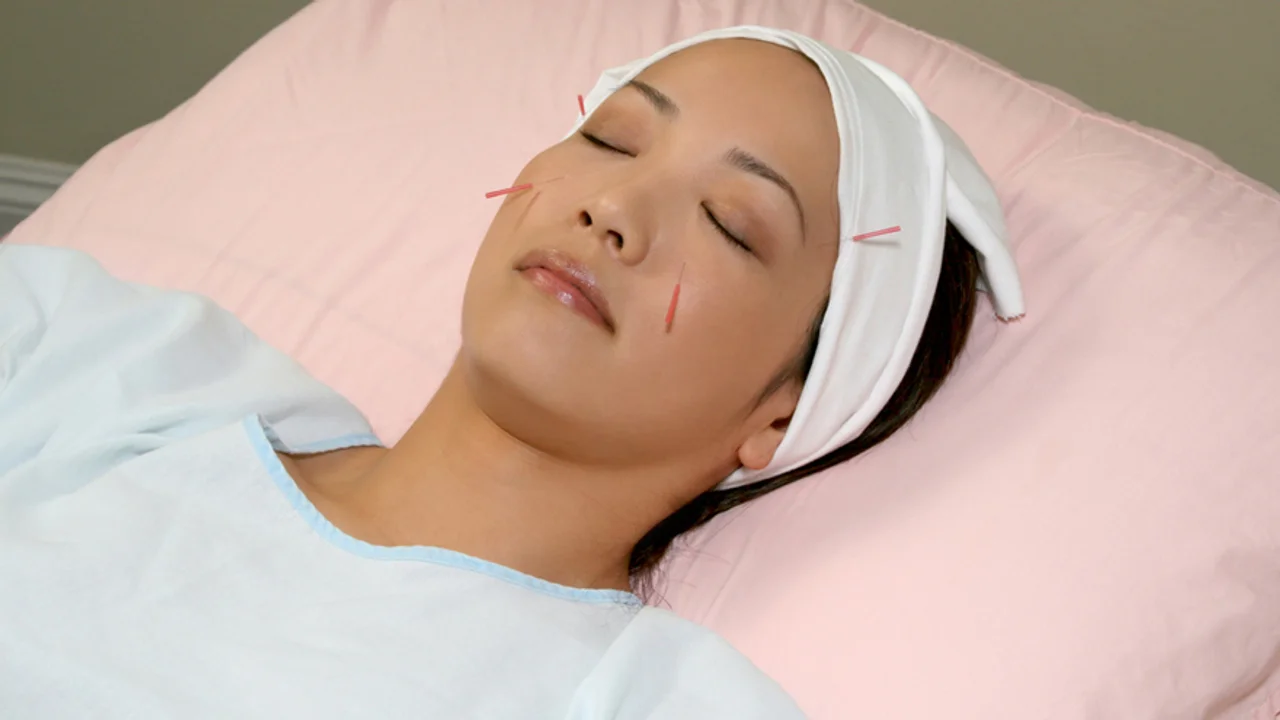
Is Acupuncture the Key to Finally Beating Persistent Pain?
Discover how acupuncture may help relieve chronic pain naturally. Explore its benefits, effectiveness, and if it's right for you. Learn more today!
Learn More