Personalized Korean Medicine & Weight Management in Gangnam, Seoul · International Patient Concierge


Medical Guide
Does Acupuncture Help with Long-Term Back Pain? Here’s What You Need to Know
Curious if acupuncture helps long-term back pain? Learn what the research says, how it works, and if it’s the right relief option for you. Find out today!
Schedule a ConsultationIf you're reading this, chances are you're living with more than just the occasional sore back. Long-term back pain—often called chronic low back pain—can slowly chip away at your energy, sleep, movement, and even your mood. At Arine Korean Medicine Clinic, we see this every week: people who’ve tried painkillers, physical therapy, even injections—yet still find themselves stuck in a frustrating cycle.
Naturally, the question comes up:
“Can acupuncture really help with long-standing back pain?”
The short answer? Yes, in many cases. But let’s unpack what that means—honestly, from a clinical point of view.
First, What Counts as “Long-Term” Back Pain?

When we talk about long-term or chronic back pain, we’re usually referring to pain that has lasted for three months or more. This is different from an acute episode like lifting something wrong last weekend.
Chronic back pain often doesn’t have a clear, treatable cause—imaging might show mild disc degeneration or muscle tension, but nothing urgent. Yet the pain persists, and so do its effects: trouble sleeping, reduced activity, mental stress, or a fear of movement.
It can also become a self-reinforcing loop: the longer you live with it, the more your brain becomes sensitive to pain signals. This process is called central sensitization and is part of what makes chronic pain such a complex condition to treat.
What the Evidence Says (And What It Doesn’t)
Let’s be real about what clinical studies have found so far—and where they fall short.
✅ What We Know:
Acupuncture often reduces pain intensity and improves function in people with chronic low back pain—more so than doing nothing or sticking to basic care like painkillers alone.
In many cases, patients report feeling better after 6–8 sessions, with improved mobility and less reliance on medications.
Acupuncture is considered safe when performed by trained professionals, with very few side effects.
Some studies show that the benefits can last several months after treatment ends, especially when combined with lifestyle changes.
Acupuncture is now recognized as a valid treatment for chronic back pain by major health organizations in several countries, including South Korea, which supports its inclusion in integrated pain management strategies.
⚠️ But There Are Limits:
When researchers compare “real” acupuncture to “sham” acupuncture (placebo-style needling), the differences can be small. This suggests some of the benefit may come from the body’s natural response to the treatment setting.
Not every patient sees dramatic results. The improvement is often modest—and depends on consistency, the skill of the practitioner, and how well the treatment is integrated into a broader care plan.
Long-term studies beyond one year are limited. We still need more data on how well acupuncture holds up over time.
The variety of acupuncture techniques (manual, electroacupuncture, dry needling, etc.) and differing treatment protocols can make outcomes inconsistent.
How We Approach It at Arine Korean Medicine Clinic
This is where the difference between a one-size-fits-all clinic and personalized care really shows.
At our clinic in Gangnam, we view acupuncture not as a miracle cure, but as a key part of a long-term recovery strategy. Here's how we integrate it:
We begin with a full intake: understanding your back pain history, posture, stress levels, sleep quality, digestion, and traditional Korean medicine (TKM) constitution.
We tailor an acupuncture plan—typically starting with one or two sessions per week over a period of 4 to 8 weeks.
We don’t stop at needles. We often combine acupuncture with herbal treatments to reduce inflammation and support musculoskeletal health, as well as posture correction guidance, gentle exercises, and body-contouring techniques if muscle imbalance or fat compression is contributing to pain.
If results are promising, we offer maintenance treatments—just like tuning an instrument. Chronic pain often needs continued attention, even after the worst symptoms have improved.
We also focus on functional improvement: helping you sit, walk, bend, and sleep better—not just reduce pain scores. Because in the end, it’s not just about feeling less pain; it’s about regaining your life.
How Acupuncture Actually Works (In Simple Terms)

You might be wondering—how does sticking tiny needles in your body relieve deep-seated back pain?
From a Korean medicine point of view, back pain often involves stagnation of qi and blood, muscle tension, and disrupted circulation. You can imagine it like a garden hose with a kink in it—no matter how much water is available, it can’t flow properly.
Here’s how acupuncture helps:
It stimulates nerve pathways and the release of natural painkillers like endorphins and serotonin.
It improves local blood flow, reduces inflammation, and helps release tight muscles.
It helps regulate the body as a whole—improving sleep, digestion, and stress levels, all of which affect how pain is processed.
It serves as a feedback tool—by observing how your body responds to acupuncture, we learn where deeper imbalances may lie.
Electroacupuncture, which involves applying a mild current to the needles, is sometimes used for more stubborn pain cases. This method can enhance the analgesic effects and promote deeper muscle relaxation.
Who Is It Best For?
Acupuncture tends to work well for people who:
Have chronic, non-specific low back pain (meaning there's no urgent surgical need or major disc injury).
Want to reduce or avoid long-term medication use.
Are open to lifestyle-based healing—like posture changes, movement therapy, or herbal medicine.
Understand that this is a process, not a quick fix.
Experience flare-ups tied to stress, fatigue, weather changes, or poor sleep—since these are all factors acupuncture can help regulate.
It might not be enough on its own for:
People with severe structural damage, like large disc herniations pressing on nerves (though it can still help with symptom relief).
Those expecting complete relief in one or two sessions.
Patients who don’t have time or ability to commit to the process.
Individuals with certain health conditions such as clotting disorders or uncontrolled diabetes, unless carefully evaluated by a practitioner.
The key is personalization. One patient might respond best to acupuncture plus herbal medicine; another might need a combination of needling, cupping, and guided physical therapy. We design a plan that makes sense for your body and your life.
So, Is It Worth Trying?

If you’ve been dealing with long-term back pain, you know how deeply it can affect your life. The stiffness. The sleep disturbances. The fear of bending the wrong way. Acupuncture isn’t magic—but it can be a turning point.
What people often overlook is this: acupuncture works best not as a last resort, but as part of an integrated, thoughtful plan. At Arine Korean Medicine Clinic, we don’t just treat symptoms—we help you rebuild the foundation of your health so your back pain becomes manageable, and over time, much less of a burden.
We’ve worked with patients who had nearly given up on the idea of real relief. Some were struggling to sit through a meeting, others couldn’t sleep through the night. Many had been told to "just live with it." After 6 to 12 weeks of targeted Korean medicine-based care, they began moving with more ease, feeling more in control, and returning to daily activities with confidence.
If you’re ready to move from surviving to thriving—even if the change is gradual—we’d be happy to help.
Consider scheduling a consultation with our team, led by Dr. Seungseok Chae in Gangnam. Whether it’s your first time trying Korean medicine or you’re looking for a more comprehensive strategy, we’re here to walk that path with you—honestly, gently, and with care.
More Articles
Continue reading clinical guides from Arine Korean Medicine Clinic.

Postpartum Swelling? How Korean Medicine Can Help You Heal Faster
Discover how Korean medicine reduces postpartum swelling and speeds up recovery naturally. Learn proven remedies for faster healing after childbirth.
Learn More

How Keep Sticks Help You Stick to Your Weight Loss Goals
Discover how Korean medicine reduces postpartum swelling, speeds healing, and restores balance naturally. Learn more about holistic recovery today!
Learn More
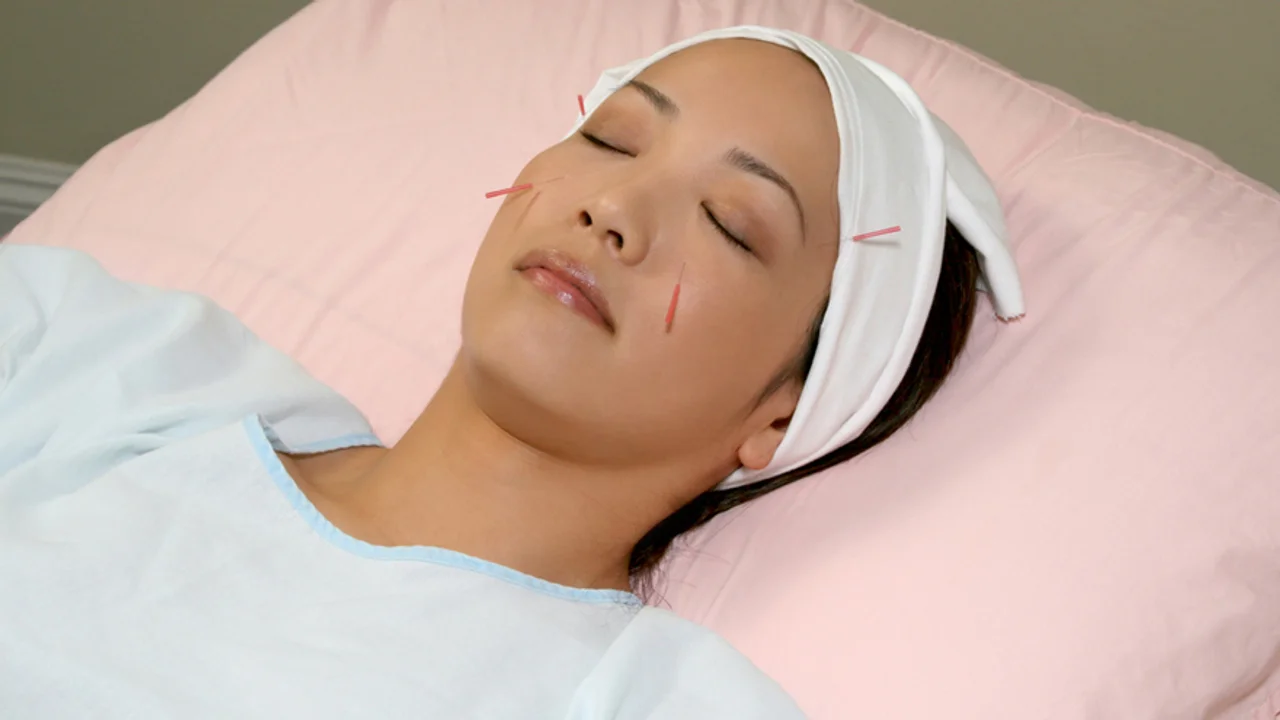
Is Acupuncture the Key to Finally Beating Persistent Pain?
Discover how acupuncture may help relieve chronic pain naturally. Explore its benefits, effectiveness, and if it's right for you. Learn more today!
Learn More