Personalized Korean Medicine & Weight Management in Gangnam, Seoul · International Patient Concierge

Medical Guide
Can Acupuncture Relieve Chronic Joint Pain? Here’s What You Need to Know
Explore how acupuncture may relieve chronic joint pain, reduce inflammation, and improve mobility. Learn the benefits, risks, and what to expect today!
Schedule a ConsultationIntroduction
When joint pain lingers for months or even years, it doesn’t just hurt the body — it wears down the spirit. Simple things like climbing stairs, opening jars, or getting through a workday can feel exhausting. Many patients who come to Arine Korean Medicine Clinic in Gangnam share the same story: they’ve tried medications, physical therapy, maybe even injections, yet the stiffness and swelling keep returning.
That’s often when the question comes up: Can acupuncture really help with chronic joint pain?
The short answer is yes — but how and why it works deserves a closer look.
Why Joint Pain Becomes Chronic

Joint pain is not always a single condition. It can arise from osteoarthritis, rheumatoid arthritis, sports injuries, or lingering inflammation after trauma. In Korea, we also see a growing number of younger patients with joint pain linked to sedentary office work, long commutes, and digital device use — habits that quietly strain the joints over time.
What people often overlook is that chronic pain is not only mechanical damage, but also a nervous system problem:
Physically, cartilage may wear down, muscles may weaken, or inflammation may irritate soft tissues.
Neurologically, the brain can become “trained” to expect pain signals, keeping discomfort alive even when the initial injury has stabilized.
This is why joint pain can feel out of proportion to test results. Some patients show only mild degeneration on X-ray, yet report severe pain. Others with advanced arthritis describe surprisingly tolerable discomfort. The difference often lies in how the nervous system interprets and amplifies pain signals.
Medications like NSAIDs or corticosteroid injections may help temporarily, but they rarely address this deeper neurological and systemic imbalance. That’s where acupuncture offers a unique perspective.
How Acupuncture Approaches Pain Differently
Acupuncture has been practiced in Korea and across Asia for centuries, and today it is one of the most widely used complementary therapies worldwide. Unlike treatments that focus only on symptom suppression, acupuncture works by regulating the body’s self-healing mechanisms.
When ultra-fine needles stimulate specific points, several beneficial changes occur:
Endorphin release – The body produces natural opioids, reducing pain and creating a sense of well-being.
Improved circulation – Blood and lymphatic flow increase around joints, bringing warmth, oxygen, and nutrients to stiff tissues.
Reduced inflammation – Studies suggest acupuncture downregulates pro-inflammatory cytokines, calming excessive immune activity.
Nervous system balance – Acupuncture influences the autonomic nervous system, helping retrain the brain’s perception of pain.
At Arine, we often combine acupuncture with herbal medicine, cupping therapy, or moxibustion to amplify results. For patients with severe degeneration, we may recommend pharmacopuncture — an advanced technique where herbal extracts are injected into acupuncture points. This blends the precision of modern therapy with the holistic depth of Korean medicine.
Patients often describe the difference this way: “Medication feels like turning pain off temporarily, while acupuncture feels like teaching my body to stop overreacting.”
What the Science Says
Skepticism about acupuncture is natural — after all, how can something so simple be effective when stronger treatments often fall short? But science increasingly supports its role in managing chronic pain:
A landmark meta-analysis published in Pain (2018) analyzed over 20,000 patients and found acupuncture provided greater relief for osteoarthritis, back pain, and chronic musculoskeletal pain compared to sham treatments and standard care.
The World Health Organization (WHO) lists acupuncture as an evidence-based treatment for knee pain and osteoarthritis.
Korean clinical studies have reported that combining acupuncture with herbal formulas can further improve joint mobility and reduce stiffness compared to acupuncture alone.
Neuroimaging research shows that acupuncture alters brain activity in regions linked to pain perception, supporting the theory of nervous system “resetting.”
While acupuncture may not reverse advanced cartilage loss, studies confirm that it can significantly reduce pain, improve mobility, and delay the need for surgical interventions.
What a Session Feels Like
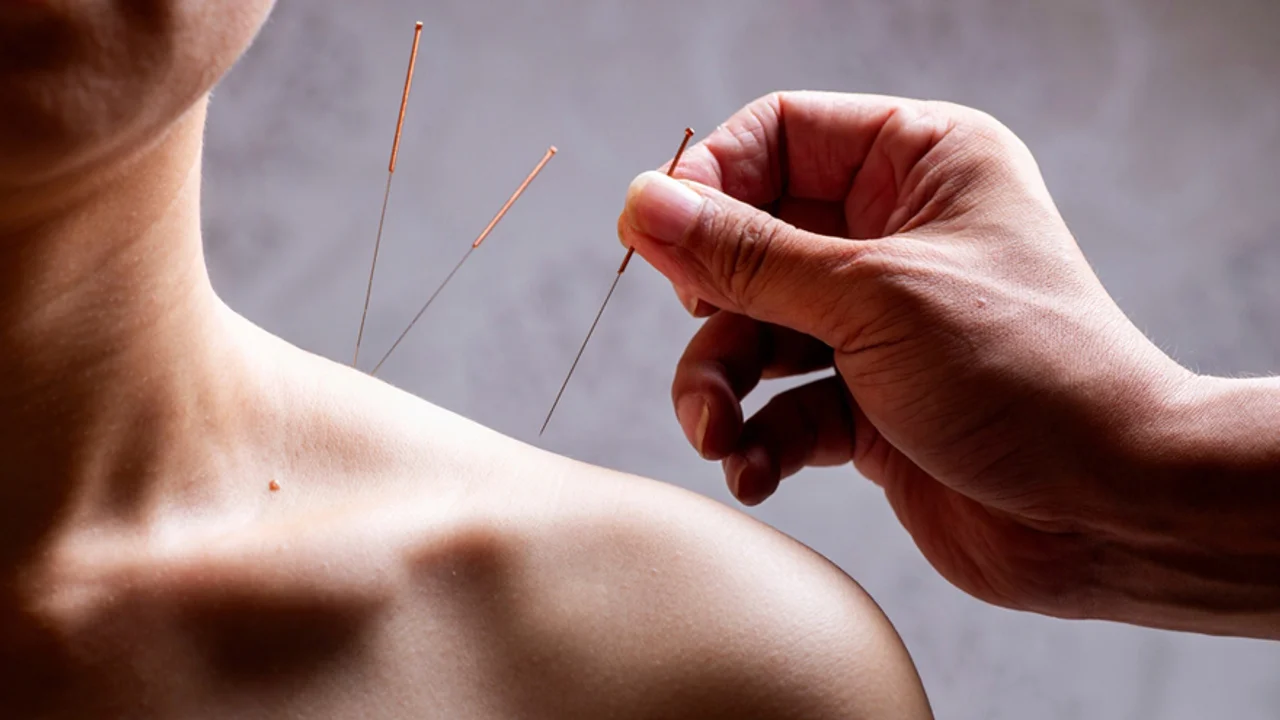
To be honest, most first-time patients are surprised at how gentle and relaxing acupuncture feels. The needles are about the width of a strand of hair — nothing like the thick needles used for injections.
During treatment, you may feel:
A dull ache or pressure (called “deqi” sensation in Korean medicine)
Gentle warmth spreading from the point
Tingling or light heaviness in the area
These sensations indicate the body’s response, not injury. Most patients find sessions deeply calming, often falling asleep while the needles are in place.
Sessions usually last 20–40 minutes, and treatment frequency depends on the severity of pain. Acute flare-ups may need 2–3 sessions a week at first, while chronic but stable pain may respond well to weekly or biweekly visits. Over time, flare-ups tend to become less frequent, mornings less stiff, and movement easier.
One of our patients with long-term knee osteoarthritis described it as: “It’s like the volume knob on my pain finally turned down. I still have some discomfort, but it no longer controls my day.”
When to Consider Acupuncture for Joint Pain
Acupuncture is worth exploring if you:
Rely heavily on painkillers and want to avoid side effects like stomach upset or dependency.
Have tried conventional therapies (physical therapy, injections) but still experience stiffness and swelling.
Want a natural, non-invasive approach that addresses both body and mind.
Are recovering from surgery or rehabilitation and need supportive therapy for mobility.
Experience pain linked to stress, insomnia, or systemic inflammation — areas where acupuncture provides additional benefits.
At Arine, treatment is always personalized. A patient recovering from ACL surgery may receive different acupuncture points than a middle-aged office worker with shoulder arthritis. Korean medicine sees each patient’s pain as part of a wider systemic pattern, and tailoring treatment accordingly is key to results.
The Bigger Picture: Healing Beyond Pain Relief

What many patients discover is that acupuncture doesn’t just relieve joint pain — it improves overall balance. Better sleep, stronger digestion, calmer moods, and increased energy often accompany treatment.
Why? Because in Korean medicine, joint pain is rarely viewed in isolation. Instead, we ask:
Is the immune system overactive, contributing to autoimmune arthritis?
Is there blood or qi stagnation slowing tissue recovery?
Are liver and kidney deficiencies (terms in Korean medicine for systemic imbalances) preventing proper nourishment of the joints?
By treating both the root cause and the surface pain, patients often notice secondary improvements — fewer headaches, better concentration, more stable moods. This whole-body healing is one reason acupuncture has remained trusted for centuries, even as modern medicine has advanced.
Final Thoughts
Chronic joint pain can feel like an unwelcome companion that never leaves. But you are not stuck with it forever. Acupuncture offers a safe, time-tested, and increasingly evidence-based way to reduce pain, improve mobility, and restore balance.
If you’ve been struggling with lingering knee, hip, or shoulder pain, consider reaching out to a clinic that specializes in holistic approaches. At Arine Korean Medicine Clinic in Gangnam, we combine traditional acupuncture with modern methods like pharmacopuncture and customized herbal therapy, helping patients move more freely and live more comfortably.
👉 If you’re ready to explore acupuncture for joint pain, schedule a consultation with our team and take the first step toward lasting relief.
More Articles
Continue reading clinical guides from Arine Korean Medicine Clinic.

Postpartum Swelling? How Korean Medicine Can Help You Heal Faster
Discover how Korean medicine reduces postpartum swelling and speeds up recovery naturally. Learn proven remedies for faster healing after childbirth.
Learn More

How Keep Sticks Help You Stick to Your Weight Loss Goals
Discover how Korean medicine reduces postpartum swelling, speeds healing, and restores balance naturally. Learn more about holistic recovery today!
Learn More
Is Acupuncture the Key to Finally Beating Persistent Pain?
Discover how acupuncture may help relieve chronic pain naturally. Explore its benefits, effectiveness, and if it's right for you. Learn more today!
Learn More