Personalized Korean Medicine & Weight Management in Gangnam, Seoul · International Patient Concierge

Medical Guide
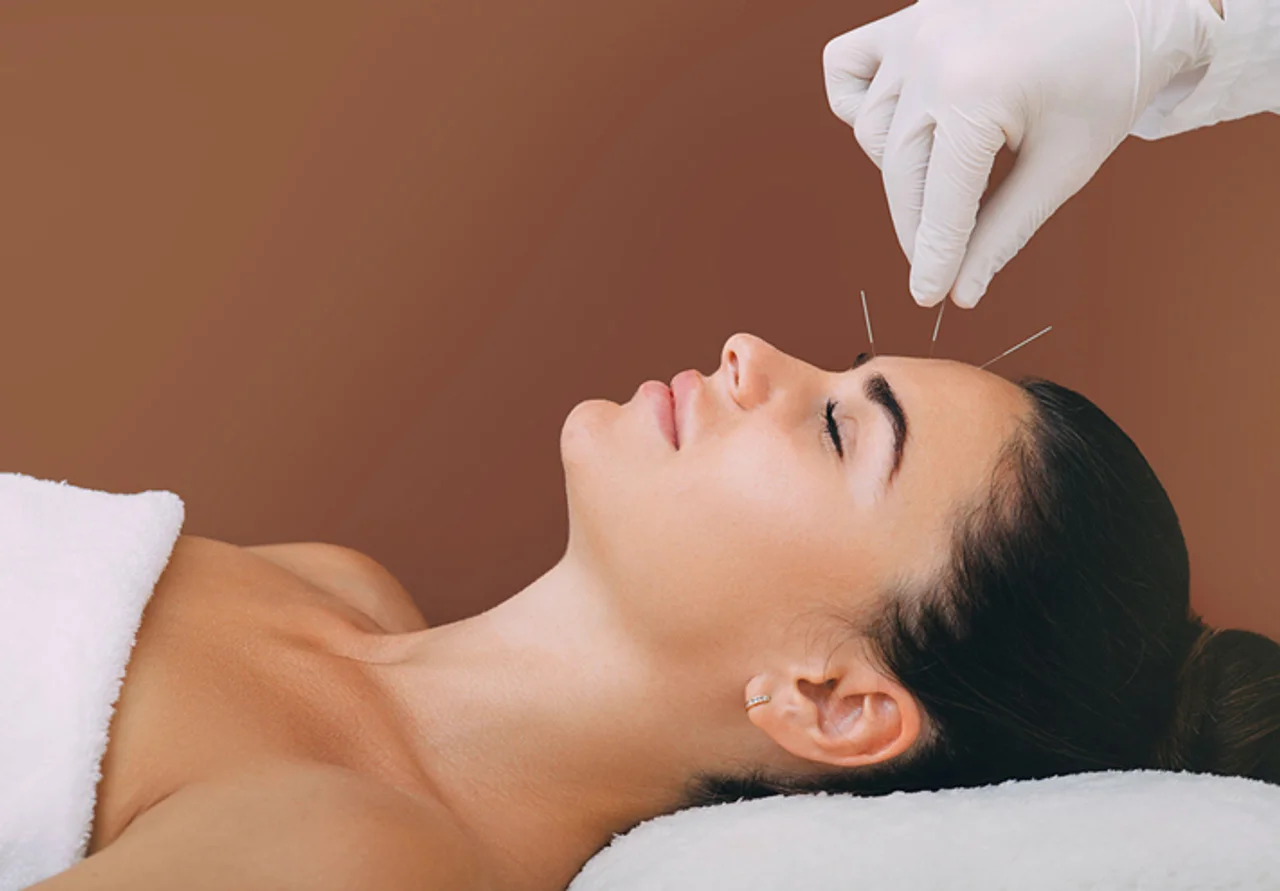
Can Acupuncture Really Help Migraines? Real Patient Experiences
Can acupuncture really help migraines? Discover real patient experiences, how it works, and if it’s the right natural relief for you. Find out more today!
Schedule a ConsultationA Fresh Start
If you’ve ever sat through another blinding migraine and wondered if there’s something else you can try, you’re not alone. At Arine Korean Medicine Clinic here in Gangnam, I often hear from patients: “I’ve tried medications, but it’s still happening” or “the side-effects are worse than the headache”. That’s when we begin a conversation about complementary options — including acupuncture.
So let’s tackle the big question honestly: Yes, acupuncture can help with migraines — but like all treatments, it’s not a silver bullet. It requires proper setup, realistic expectations, and personal tailoring. I’ll walk you through what the research says, why acupuncture might help, how we approach it in a Korean medicine clinic, and what real patients say about their experiences — because what people feel often matters just as much as what the papers say.
What does the research say?
Strong signals of benefit
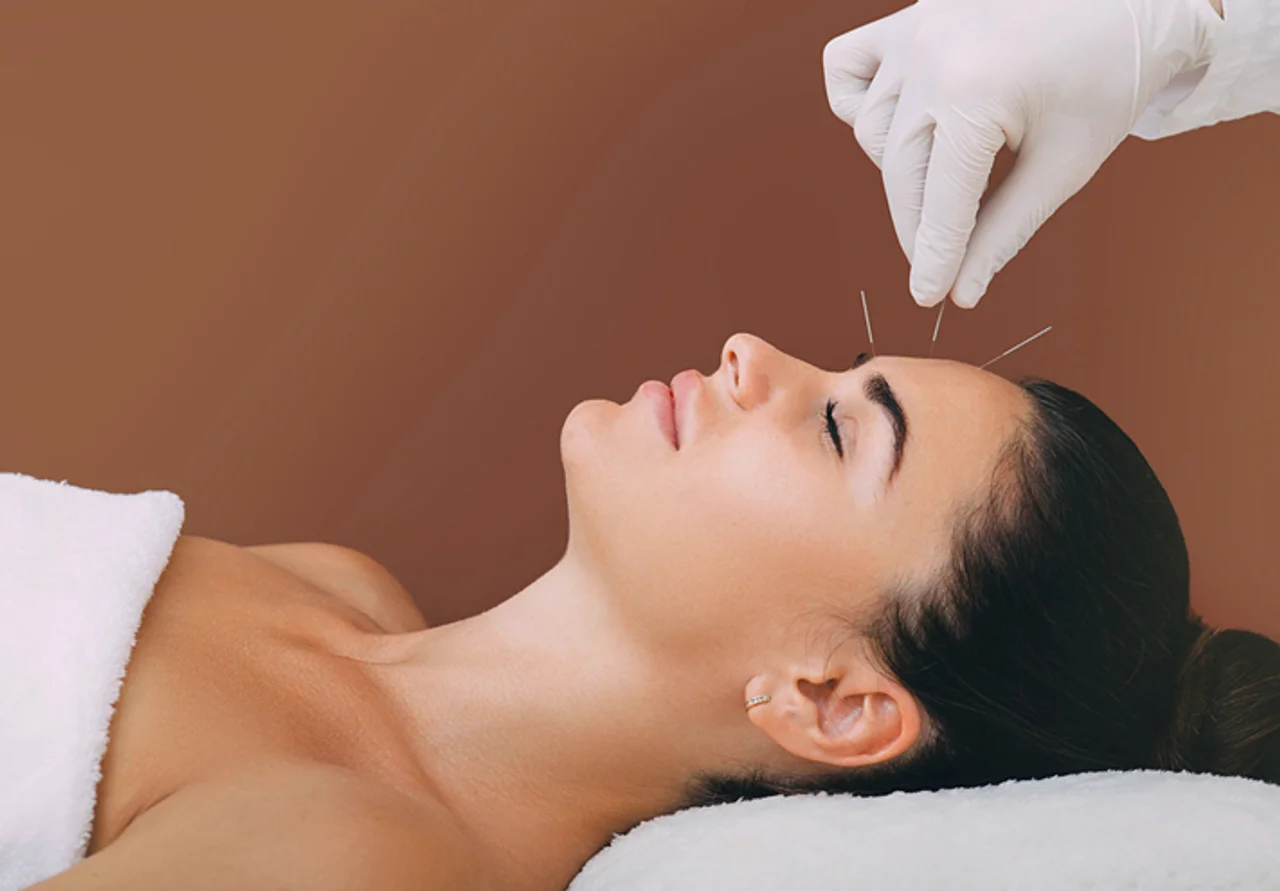
Multiple large-scale studies and meta-analyses have shown that acupuncture can reduce migraine frequency, intensity, and duration.
Acupuncture has often been found as effective as preventive medication, sometimes even better tolerated due to fewer side effects.
Many trials report significant reductions in migraine days and improved quality of life after several weeks of regular acupuncture.
Important caveats
Some studies comparing real versus sham acupuncture found modest or even non-significant differences, suggesting a potential role of placebo or non-specific effects.
The biggest benefits often appear when acupuncture is done regularly, not just once or twice. Protocols often include 10 to 20 sessions over several weeks.
Quality of studies varies, and while trends are promising, acupuncture is best seen as a complementary tool rather than a standalone cure.
Why might acupuncture help migraines?
At our clinic, we don’t just quote studies — we also look at mechanisms and the full person. Here’s our understanding:
Migraine is not just “a headache.” It involves complex interactions between nerves, blood vessels, hormones, and the brain.
Acupuncture may influence neurotransmitters like serotonin and endorphins, reduce inflammation, and calm hyperactive neural circuits.
In Korean medicine, we also assess patterns like "Liver Qi stagnation" or "Phlegm heat" — which, while metaphorical, guide us in creating a personalized treatment plan.
Importantly, acupuncture offers something modern medicine often overlooks: dedicated time for care, relaxation, and addressing lifestyle contributors like stress, diet, and sleep.
How we approach acupuncture for migraines at Arine

Here’s what a migraine-focused acupuncture program typically looks like in our clinic:
Comprehensive assessment
We start with a full migraine history: frequency, triggers, severity, medication use, menstrual patterns, stress levels, posture.
Korean medicine diagnosis: pulse, tongue, meridian imbalance, body constitution.
Set realistic expectations: fewer attacks, reduced severity, shorter duration — not necessarily total elimination.
Customized treatment plan
Multiple sessions (typically 8-12 over 4-6 weeks) are scheduled in alignment with clinical evidence.
Acupoint selection includes head, neck, and systemic points related to your diagnostic pattern.
Adjunct therapies may include herbal medicine, posture correction, sleep optimization, and dietary guidance.
Outcomes are monitored through patient logs and follow-up discussions.
Maintenance phase
Once we achieve improvement, we scale back to monthly sessions for maintenance.
Education is ongoing: helping patients understand trigger patterns, menstrual influences, and lifestyle habits.
Realistic tracking
We track frequency, intensity, medication usage, emotional wellbeing, and daily function.
If results plateau, we reassess the pattern — sometimes it’s not migraine but a mix of tension-type headache or cervical issues.
Real Patient Experiences
Beyond the studies, here’s what our patients have shared:
“I used to have 8-10 migraine days a month. After 10 sessions, I’m down to 3-4 and I don’t wake up feeling nauseous anymore.” A patient in her 30s, working long hours at a desk, experienced relief through acupuncture, posture correction, and sleep support.
“It didn’t go away completely, but I feel more in control now.” A 40-year-old male found that acupuncture gave him a framework to reduce stress and regain consistency in sleep and work habits.
“It helped when I kept going — but when I skipped sessions, I had a relapse.” A young professional who traveled often found the benefit of acupuncture closely tied to treatment consistency.
“I was skeptical at first, but I was surprised how much calmer my body felt after sessions.” Some patients don’t believe in traditional medicine or energy concepts, but still find tangible physical and emotional relief.
Should You Try Acupuncture for Migraines?
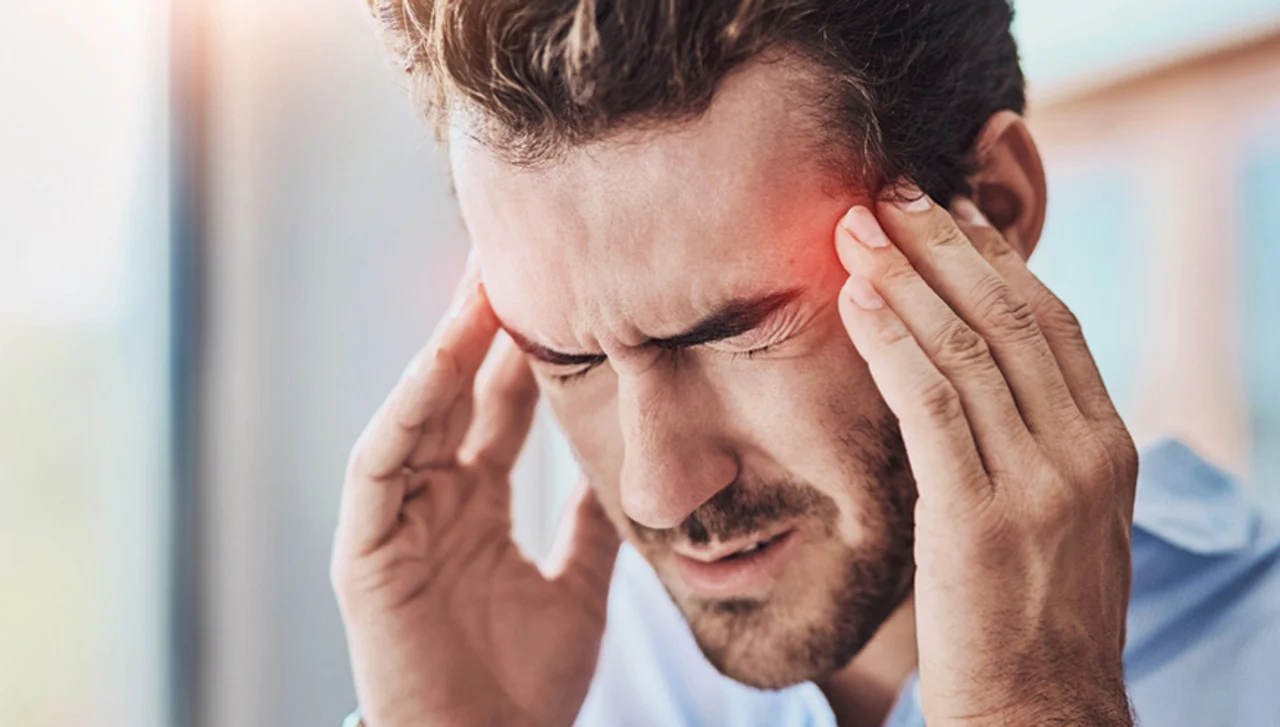
Short answer: Yes, especially if you commit to a proper course and are open to holistic change.
Ideal candidates include:
Those with frequent migraines (4+ days per month).
Individuals who experience side effects from medications or want drug-free support.
People open to addressing lifestyle triggers alongside treatment.
Patients willing to try at least 8-12 consistent sessions.
What to look for in a clinic:
Licensed, experienced practitioners in Korean medicine.
Customized plans based on your migraine type and body constitution.
A clinic that offers support beyond needling — including posture, sleep, and stress strategies.
What to expect:
Not a miracle cure, but likely a 30-50% reduction in frequency/intensity.
Effects may take several weeks to build.
Long-term benefit depends on follow-up care and lifestyle alignment.
Is it safe?
Yes, acupuncture is generally very safe when performed by licensed professionals using sterile needles.
People with bleeding disorders, pregnancy, or other medical concerns should discuss their case first.
Why Choose Arine Korean Medicine Clinic?
At Arine, we specialize in combining the wisdom of traditional Korean medicine with the needs of modern urban life. Under Dr. Seungseok Chae’s guidance, we personalize treatments for pain, migraines, hormonal balance, and stress-related disorders.
Located in the heart of Gangnam, our clinic is experienced in migraine management and known for:
Precision diagnosis and customized herbal prescriptions.
Attention to posture, sleep, and emotional wellbeing.
A warm, professional environment that prioritizes your long-term health.
If you’re looking for a natural, medically-informed approach to managing migraines, we invite you to schedule a consultation. Let’s uncover what your body needs to find balance again.
Final Thoughts
Yes, acupuncture can help migraines. But more importantly, it can empower you to break out of the cycle of pain, medication, and burnout.
If you’ve been struggling and want a more integrative, respectful path forward — not just treating symptoms but understanding your patterns — consider visiting a clinic like Arine. We’ll take the time to listen, assess, and design a plan that actually fits you.
More Articles
Continue reading clinical guides from Arine Korean Medicine Clinic.

Postpartum Swelling? How Korean Medicine Can Help You Heal Faster
Discover how Korean medicine reduces postpartum swelling and speeds up recovery naturally. Learn proven remedies for faster healing after childbirth.
Learn More

How Keep Sticks Help You Stick to Your Weight Loss Goals
Discover how Korean medicine reduces postpartum swelling, speeds healing, and restores balance naturally. Learn more about holistic recovery today!
Learn More
Is Acupuncture the Key to Finally Beating Persistent Pain?
Discover how acupuncture may help relieve chronic pain naturally. Explore its benefits, effectiveness, and if it's right for you. Learn more today!
Learn More