Personalized Korean Medicine & Weight Management in Gangnam, Seoul · International Patient Concierge

Medical Guide
Best Herbal Remedies to Keep You Healthy Through the Flu Season
Stay strong this flu season with the best herbal remedies for immune support and prevention. Discover natural options that work—learn more now!
Schedule a ConsultationWhen the air turns crisp and the calendar inches toward winter, most of us brace for more than cold weather — we brace for flu season. Every year, influenza and seasonal respiratory bugs circulate widely, testing our immune systems and routines. For many people, the conversation around “staying healthy” begins with hand sanitizer and flu shots — and those are important. But what people often overlook is the foundational role of daily herbal care and balance in how well your body actually resists and recovers from infection.
At Arine Korean Medicine Clinic in Gangnam, Seoul, we’ve seen thousands of patients struggle through seasonal illnesses — and just as many who glide through untouched by bugs. The difference isn’t luck. It’s about how well your digestive fire, immune reserves, and stress response are functioning long before the first cough appears.
To be honest, most people think of “herbal remedies” as cute teas or crunchy supplements. What we emphasize here is: herbs are powerful biological tools. When selected with care and matched to your body’s pattern, they support real physiological resilience — not just temporary symptom relief.
Before we explore specific remedies, let’s ground this in how Korean medicine thinks about flu season differently.
A Different Lens on Seasonal Illness
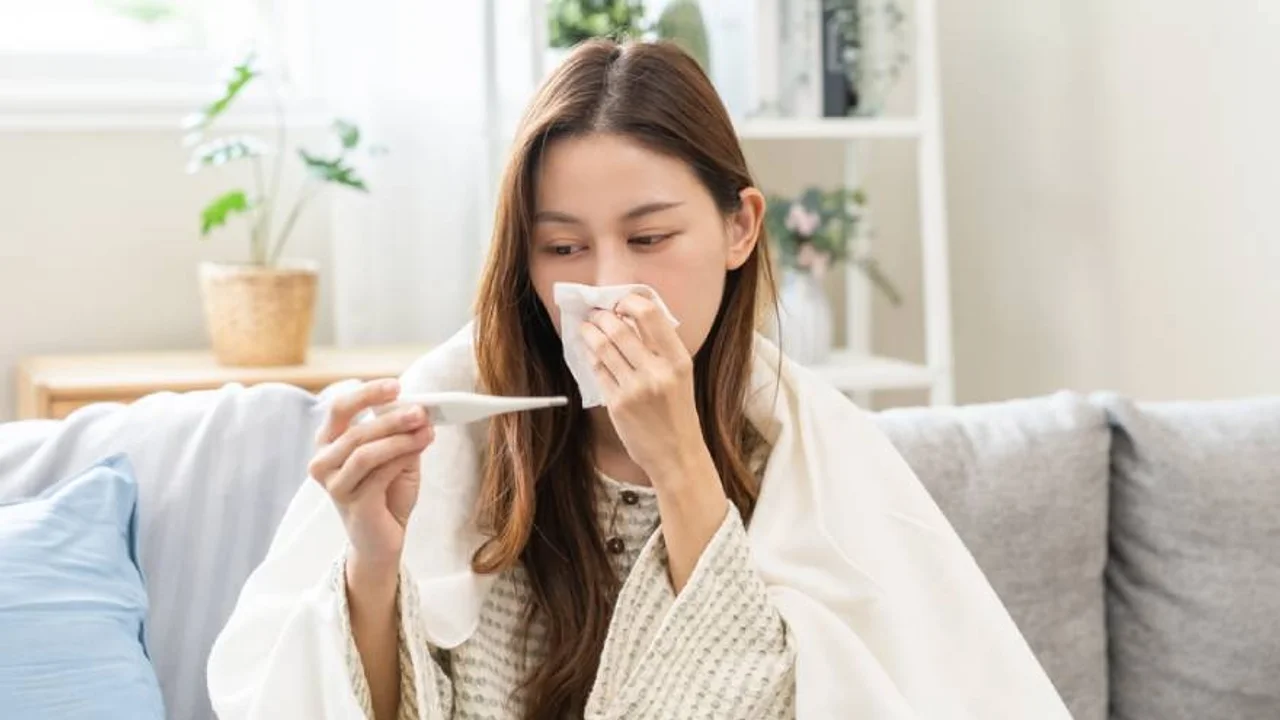
In Western medicine, the flu is often seen as an external virus you either catch or you don’t. In Korean medicine, we view seasonal illness as a dynamic between the environment and your internal terrain — how well your body’s defenses (what we call wei qi) can keep external pathogens from taking hold.
If wei qi is strong and flowing, you may be exposed but not affected. If it’s weak or blocked, pathogens find an opening.
Two people can be in the same subway car with the same virus — one gets sick, the other doesn’t. The difference often lies in:
Digestive efficiency and gut health
Level of chronic stress
Sleep quality and circadian rhythm
Underlying inflammation or “heat” in the body
Balance of immune regulation rather than suppression
Herbal remedies we prescribe in clinic are not “one‑size‑fits‑all.” They’re chosen to enhance your immune resilience while harmonizing your internal balance.
With that in mind, let’s go deeper.
The Cornerstone: Strengthening Your Foundation
Before talking specific herbs, there are three foundational pillars we always address because without them, even the best herbs can only do so much.
1. Your Digestive Fire (Spleen Qi)
Korean medicine teaches that most of our immune strength begins with how well we extract nutrients from food. Weak digestive energy means less nourishment gets into your bloodstream, leaving your immune system under‑armed.
Symptoms of weak digestive fire include:
Bloating after meals
Loose stools or irregular bowel movements
Fatigue after eating
Cravings for sweet or heavy foods
Herbal allies that support digestive qi include:
Atractylodes Rhizome (Bai Zhu / 백출) — strengthens digestion and supports immunity
Ginseng (Ren Shen / 인삼) — builds vitality and adapts to stress
Codonopsis (Dang Shen / 당삼) — gentle alternative to ginseng when constitution is delicate
These herbs don’t “fight flu” directly. They fortify your inner terrain so that viruses find a less welcoming host.
2. Sleep and Stress Regulation

Chronic stress and poor sleep are like leaving your front door unlocked in a storm. They lower immune surveillance and increase inflammatory cytokines — a perfect environment for viruses to take hold.
Herbs that support restful sleep and balanced stress include:
Jujube Seed (Suan Zao Ren / 산조인) — calms the mind and nourishes the nervous system
Rehmannia (Shu Di Huang / 숙지황) — deeply restorative tonic
Schisandra (Wu Wei Zi / 오미자) — adaptogenic harmony for stress response
Use these not as quick fixes, but as daily supports to help your nervous system reset.
3. Fluid Balance and Mucosal Integrity
When the mucous membranes of your respiratory tract are healthy and well‑lubricated, they provide a physical barrier against invading pathogens. Dry indoor heat in winter can compromise this first line of defense.
Supportive herbs include:
Mulberry Leaf (Sang Ye / 상엽) — moistens lungs and clears mild heat
Licorice Root (Gan Cao / 감초) — harmonizes formulas and supports mucosa
Lily Bulb (Bai He / 백합) — nourishing and moistening for dry cough or dry throat
These can be taken as teas or prescribed in formulas when dryness is predominant.
Specific Herbal Remedies for Flu Season
Here are the most effective herbal approaches we prescribe — always tailored to individual patterns after consultation.
1. Yu Ping Feng San (Jade Wind Screen Powder / 옥방풍산)
Purpose: Strengthen exterior defenses and stabilize immune response.
This classic Korean herb formula is one of our most frequently recommended preventive supports in autumn and winter. It works by harmonizing the immune system — making it less reactive and more balanced.
Key herbs typically included:
Huang Qi (Astragalus / 황기) — strengthens defensive qi
Fang Feng (Saposhnikovia / 방풍) — protects against external pathogens
Bai Zhu (Atractylodes / 백출) — supports digestion and wei qi
This formula is not about “blocking viruses” but about making your system less penetrable and more resilient.
2. Ban Xia Hou Po Tang (Pinellia and Magnolia Bark Decoction / 반하후박탕)
Purpose: Clear phlegm and support respiratory function.
Some people experience more phlegm, congestion, or a heavy chest feeling during flu season. That’s not just about mucus — it’s about how the body’s qi circulates and moves fluids.
This traditional formula:
Moves qi and clears phlegm
Supports clearer breathing
Reduces a feeling of heaviness in the chest or throat
We tailor dosage and combination with other herbs to ensure it fits your pattern — especially if you feel bloated or sluggish as well.
3. Sheng Mai San (Generate the Pulse Powder / 생맥산)
Purpose: Restore energy and fluids after illness.
After a bout of flu or prolonged immune challenge, many people feel:
Persistent fatigue
Shortness of breath
Lowered appetite
Slow recovery
This formula works by:
Replenishing qi
Nourishing yin fluids
Supporting heart and lung qi
It’s not a stimulant. It’s a restorative tonic that helps your system rebuild balance.
Everyday Teas & Tonic Practices
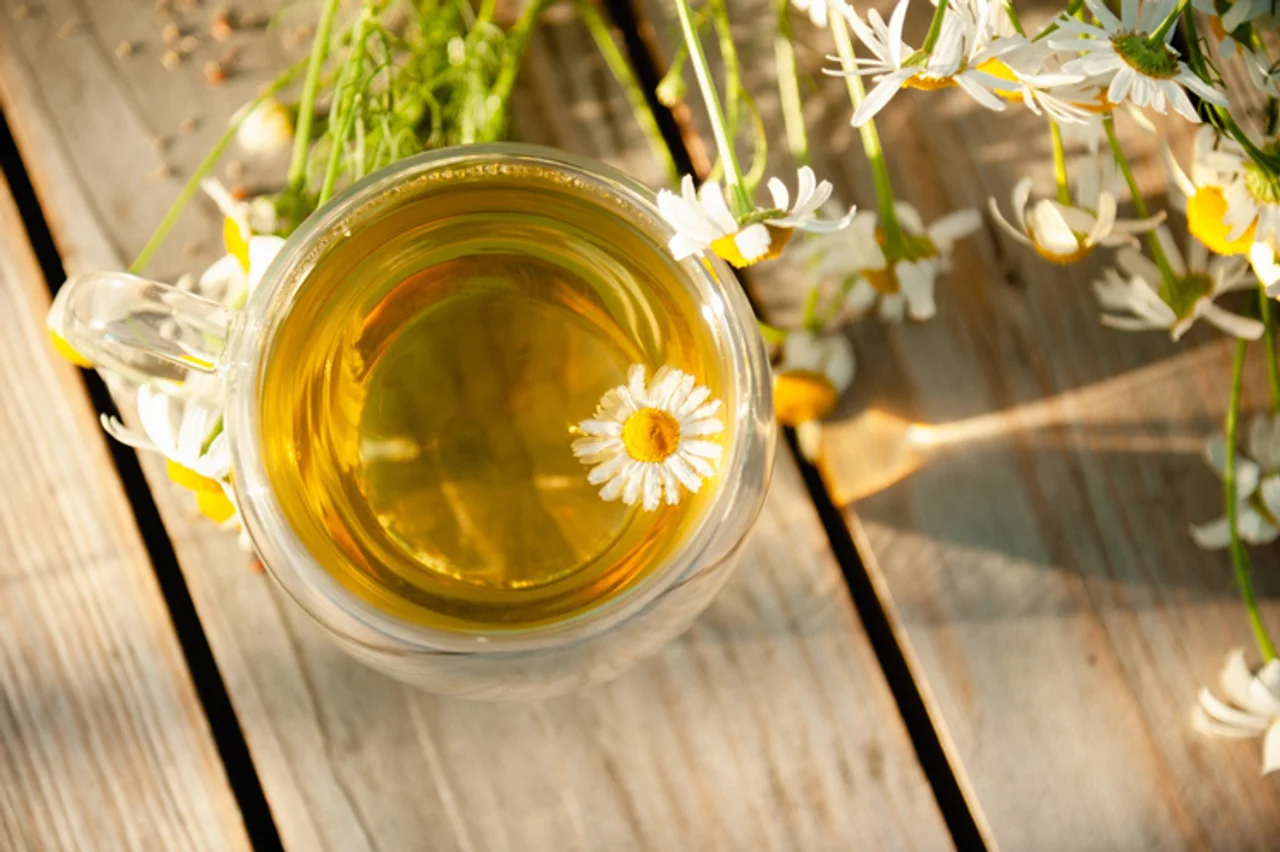
Not everyone needs a concentrated herbal prescription. Here are daily teas that support immune function and overall balance through the season:
Ginger + Jujube Tea
Warm, spicy, and deeply comforting.
Fresh ginger slices
Dried jujubes
Optional cinnamon
Supports digestion, circulation, and mild immune boost.
Green Tea with Licorice
Antioxidant rich and soothing.
High‑quality green tea leaves
A small piece of licorice root
Be cautious if you have hypertension — licorice can raise blood pressure in sensitive individuals.
Cinnamon + Astragalus Brew
A warming daily tonic.
Cinnamon sticks
Astragalus slices
Strengthens defensive qi and warms the body.
These teas are simple, safe, and supportive — but remember: they are complementary, not replacements for stronger prescribed formulas when needed.
When to Seek Personalized Care
Herbal remedies are most effective when matched to your unique pattern, not just a symptom list. You should consider clinic consultation if you experience:
Frequent seasonal illness year after year
Chronic fatigue or post‑flu sluggishness
Digestive imbalance
Anxiety, poor sleep, or recurring headaches
Respiratory symptoms that linger beyond a couple weeks
At Arine Korean Medicine Clinic, we integrate pulse diagnosis, tongue observation, and a detailed history to understand your constitutional needs. This way, herbs aren’t just bottles on a shelf — they become precision tools for your health.
How to Use Herbal Remedies Safely
Herbs are powerful. That’s why we always emphasize:
Consult a professional — especially if you’re pregnant, on medication, or have chronic conditions
Herbs can interact with pharmaceuticals — don’t self‑prescribe high doses
Quality matters — source herbs from trusted suppliers
We often combine herbs with lifestyle recommendations — sleep support, breathing exercises, and dietary harmony — because no herb works in isolation.
Your Immune Resilience Is Built Day by Day
If you’re wondering whether herbal medicine really makes a difference — you’re not alone. Many patients come in skeptical, expecting quick fixes. What we see again and again is this:
People who build habits that strengthen their foundation — digestion, sleep, stress regulation, fluid balance — get through flu season with fewer illnesses, milder symptoms, and faster recovery.
It’s not magic. It’s consistent care.
A Thought for the Season
As the winds turn colder and social calendars fill with gatherings, think of your immune system as a garden. Herbs are not pesticides that blast away every bug. They are soil builders, weather buffers, and growth enhancers — helping your garden thrive no matter what weather comes.
Flu season doesn’t have to be about fear or avoidance. It can be a reminder to nourish, restore, and strengthen — a chance to give your body the care it quietly asks for all year.
If You’re Looking for Personalized Support…
At Arine Korean Medicine Clinic in Gangnam‑gu, Seoul, we specialize in blending traditional Korean herbal wisdom with modern health science. Whether you want to prevent seasonal illness, recover from a recent flu, or simply build long‑term wellness, our approach is tailored to you — not one pattern fits all.
Consider scheduling a consultation to explore the herbs and strategies that best support your constitution through the flu season and beyond.
More Articles
Continue reading clinical guides from Arine Korean Medicine Clinic.

Postpartum Swelling? How Korean Medicine Can Help You Heal Faster
Discover how Korean medicine reduces postpartum swelling and speeds up recovery naturally. Learn proven remedies for faster healing after childbirth.
Learn More

How Keep Sticks Help You Stick to Your Weight Loss Goals
Discover how Korean medicine reduces postpartum swelling, speeds healing, and restores balance naturally. Learn more about holistic recovery today!
Learn More

Is Acupuncture the Key to Finally Beating Persistent Pain?
Discover how acupuncture may help relieve chronic pain naturally. Explore its benefits, effectiveness, and if it's right for you. Learn more today!
Learn More