Personalized Korean Medicine & Weight Management in Gangnam, Seoul · International Patient Concierge
Medical Guide
Are Postpartum Herbal Remedies Covered by Insurance?
Wondering if postpartum herbal remedies are covered by insurance? Learn what’s included, how to file claims, and explore your options—get informed today!
Schedule a Consultation
Let’s be honest — this is one of the first questions new mothers ask when they’re considering traditional care after childbirth. The healing effects of herbal remedies are widely recognized, especially in East Asian medicine. But when it comes to insurance coverage, things can get… complicated.
Here’s what you need to know, whether you're in South Korea or looking for postpartum herbal care abroad.
When Herbal Medicine Might Be Covered
In some countries or under certain private insurance plans, complementary or alternative medicine — including herbal therapies — is recognized as part of standard healthcare benefits. Some international insurers even list coverage for services like naturopathy, acupuncture, or Chinese medicine.
If your policy includes these categories, there's a chance herbal postpartum care could be partially reimbursed. However, coverage usually depends on the type of treatment, who provides it, and whether it's part of a larger recognized medical plan.
The catch? Insurance companies often set strict conditions. They might require that a licensed practitioner oversees the treatment, or that it's used for a defined medical diagnosis — not just general recovery or wellness support.
Let’s say a new mother in Germany has a private health insurance plan that covers Heilpraktiker services. If she visits a certified traditional medicine doctor and receives a postpartum herbal prescription specifically to treat hormonal imbalance or chronic fatigue, she may be eligible for partial reimbursement. But if the same treatment is categorized as preventive or restorative, the chances of reimbursement drop significantly.
The same complexity applies in countries like Switzerland, where complementary medicine is integrated into the public health system — but only under defined conditions. And in the U.S., while some employer-sponsored or premium-tier insurance plans allow for alternative therapies, the details are buried in fine print.
For expatriates and international patients, global insurance providers may include Korean medicine under "complementary care," but often with reimbursement caps or requirements like pre-authorization.
In principle: yes, herbal postpartum care can be covered — but the pathway is rarely straightforward.
Why It's Often Not Covered
Here’s the truth: most insurance policies don’t cover herbal postpartum care. Not because it doesn’t work — but because it doesn’t always fit neatly into insurance definitions of “medical necessity.”
Postpartum herbal remedies are typically aimed at replenishing energy, promoting uterine recovery, improving circulation, and restoring hormonal balance. These are all essential to healing, but they’re rarely labeled as “treating a disease.” That technicality alone can make insurers reject reimbursement.
In clinical reality, we see time and again how herbal support accelerates recovery. Women who come to Arine Korean Medicine Clinic often report better sleep, improved digestion, less hair loss, and more emotional stability within just a few weeks of starting their personalized herbal regimen. These are tangible health outcomes — but because they don’t fall under a strict disease code, insurance plans often view them as "wellness extras."
The situation becomes even murkier with customized prescriptions. Unlike mass-produced supplements, many Korean medicine herbal formulas are tailor-made for each patient, based on pulse diagnosis, symptom patterns, and constitutional type. This kind of precision medicine is a hallmark of Korean medicine — but it's also harder for insurers to evaluate, categorize, and price.
What people often overlook is that these remedies are not just about herbs. They represent a philosophy of care centered on balance, prevention, and long-term health resilience. Unfortunately, insurance models worldwide tend to reward acute care and pharmaceutical interventions over holistic, preventive approaches.
Even in regions where traditional medicine is well established, the cost of herbal formulas — especially high-quality, individualized ones — often comes out of pocket. Many new mothers are surprised by this, particularly if they assumed that anything prescribed by a doctor would be covered.
How It Works in South Korea
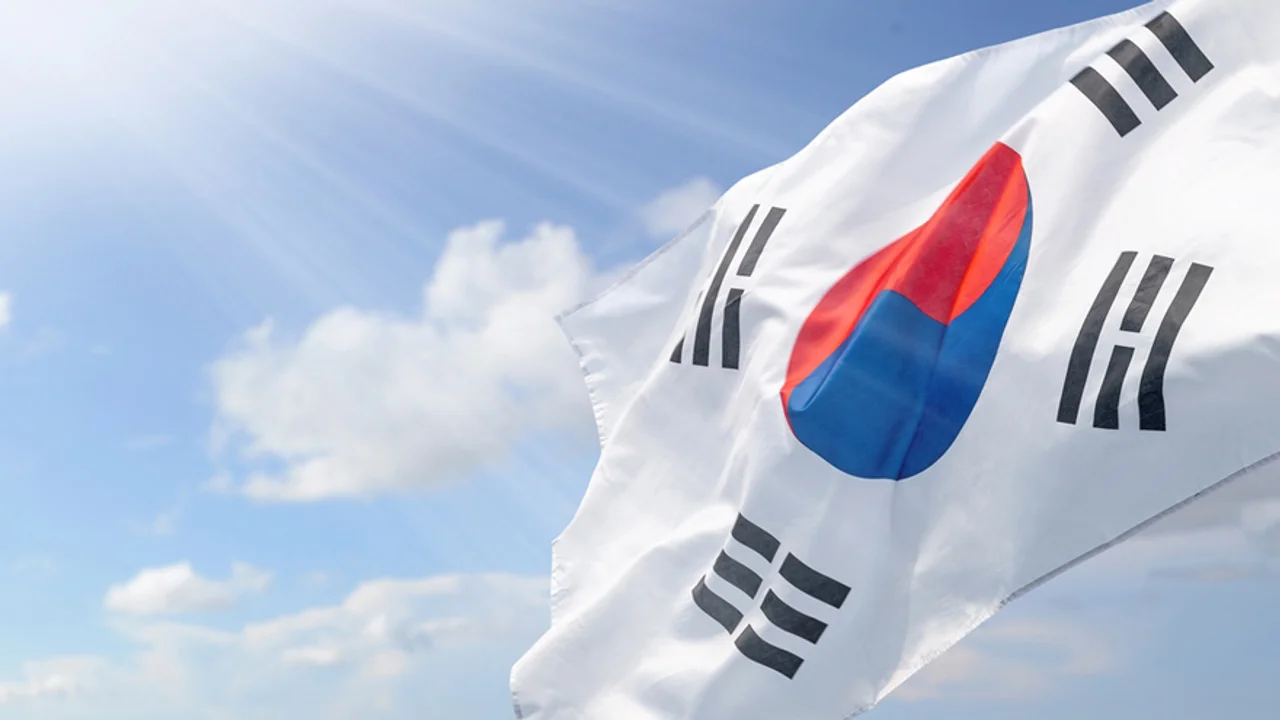
Now, let’s look specifically at Korea — since this is where Arine Korean Medicine Clinic is based.
South Korea has a dual medical system: Western medicine and Korean traditional medicine (KM) are both licensed and regulated. Under the National Health Insurance Service (NHIS), some Korean medicine treatments like acupuncture, cupping, and moxibustion are covered. Certain standardized herbal formulations are also eligible.
However, when it comes to postpartum herbal care, the reality is more nuanced. While NHIS does support Korean medicine interventions in some therapeutic areas, most personalized herbal remedies prescribed for postpartum recovery fall outside the insurance scope. That means mothers who want to use KM to support their healing after childbirth will likely need to pay privately.
This can be surprising, especially considering how deeply ingrained postpartum care is in Korean culture. From yaksun food traditions to herbal baths and decoctions designed to "warm the womb" and replenish qi, Korean women have long used herbal therapies to support their transition into motherhood.
At our clinic, we often hear concerns about cost. A typical postpartum herbal course might involve a two-to-three week supply of individually prepared medicine, adjusted weekly as the patient’s condition evolves. These treatments are crafted from premium medicinal herbs, sourced for purity and efficacy. The quality, customization, and labor involved justify the cost — but insurance simply isn’t structured to recognize that.
To address this, some local governments in Korea have launched pilot programs that subsidize postpartum Korean medicine treatments. These programs are usually limited to certain districts or income brackets, and they require patients to register during pregnancy or within a set window after childbirth. While promising, these initiatives are not yet widespread or standardized.
So the bottom line: in Korea, standard insurance doesn’t cover most postpartum herbal remedies. But specialized public health support may be available in certain cases — and it's worth asking your clinic or local health office.
What Should You Do?
Here’s what we recommend:
Check your policy — especially the sections on complementary or alternative medicine. If herbal treatments are listed, ask specifically about postpartum care.
Ask about reimbursement limits — some plans will partially cover herbal remedies, but only if prescribed by a recognized practitioner.
If you’re in Korea, look into any city-sponsored programs that support traditional postpartum care. You may qualify for partial coverage.
Talk to your clinic — a good Korean medicine clinic will clearly explain what’s covered and what isn’t. They may also help you gather the documentation needed to submit for reimbursement.
At Arine Korean Medicine Clinic, we always take the time to walk our patients through these options. Our goal is not just to treat, but to educate and empower. If we believe a patient may benefit from applying for public health support or using a reimbursable code, we guide them step-by-step.
If you’re an international patient, we also provide detailed receipts with diagnostic codes and treatment rationales that can be submitted to your insurer for review. Results vary by provider, but some patients do receive partial reimbursements.
Final Thoughts from Our Clinic

At Arine Korean Medicine Clinic, we believe postpartum care is a vital part of a woman’s long-term health — not a luxury. The weeks after childbirth are sacred, physically and emotionally. And while insurance may not always recognize the value of herbal therapy, countless women do — because they feel the difference.
A mother recovering from childbirth is not just healing a body. She’s rebuilding her strength, restoring her identity, and preparing for a lifetime of caregiving. Herbal remedies, when thoughtfully prescribed, can support every layer of that journey.
So if you're considering herbal care after childbirth, and you're unsure about costs or coverage, let’s talk. We’re here to guide you through your options, with or without insurance, and help you design a recovery plan that honors your body and your life.
Because your health deserves care that goes deeper than a code on a form.
More Articles
Continue reading clinical guides from Arine Korean Medicine Clinic.

Postpartum Swelling? How Korean Medicine Can Help You Heal Faster
Discover how Korean medicine reduces postpartum swelling and speeds up recovery naturally. Learn proven remedies for faster healing after childbirth.
Learn More

How Keep Sticks Help You Stick to Your Weight Loss Goals
Discover how Korean medicine reduces postpartum swelling, speeds healing, and restores balance naturally. Learn more about holistic recovery today!
Learn More
Is Acupuncture the Key to Finally Beating Persistent Pain?
Discover how acupuncture may help relieve chronic pain naturally. Explore its benefits, effectiveness, and if it's right for you. Learn more today!
Learn More